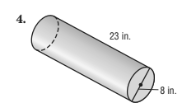
Find the volume of the cylinder. Use 3.14 for π. Round to the tenths if necessary. Don't forget to include your label in the answer. Use ^ to show an exponent.
Find the volume of the cylinder. Use 3.14 for π. Round to the tenths if necessary. Don't forget to include your label in the answer. Use ^ to show an exponent.
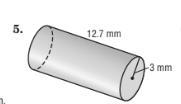
Find the volume of the cylinder. Use 3.14 for π. Round to the tenths if necessary. Don't forget to include your label in the answer. Use ^ to show an exponent.
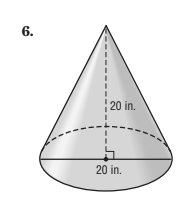
Find the volume of the cone. Use 3.14 for π. Round to the tenths if necessary. Don't forget to include your label in the answer. Use ^ to show an exponent.
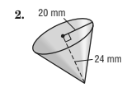
Find the volume of the cone. Use 3.14 for π. Round to the tenths if necessary. Don't forget to include your label in the answer. Use ^ to show an exponent.
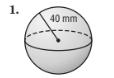
Find the volume of the sphere. Use 3.14 for π. Round to the tenths if necessary. Don't forget to include your label in the answer. Use ^ to show an exponent.
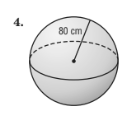
Find the volume of the sphere. Use 3.14 for π. Round to the tenths if necessary. Don't forget to include your label in the answer. Use ^ to show an exponent.
Dominick wants to determine the maximum capacity of a cylindrical bucket that has a radius of 6 inches and a height of 12 inches. What is the capacity of Dominick's bucket? Round your answer to the nearest tenth. Don't forget the label.
How many blocks does this object have in total? In other words, what is the volume of this rectangular prism? (round to the nearest whole number. Do not include units) :

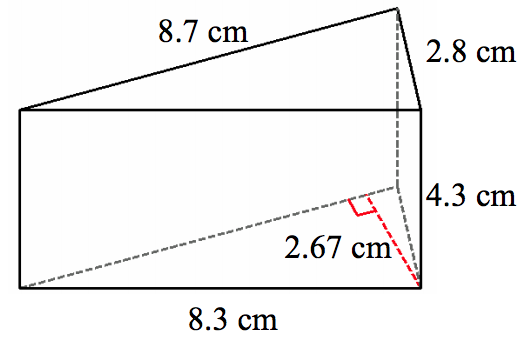
Find the Surface Area (to the nearest tenth):
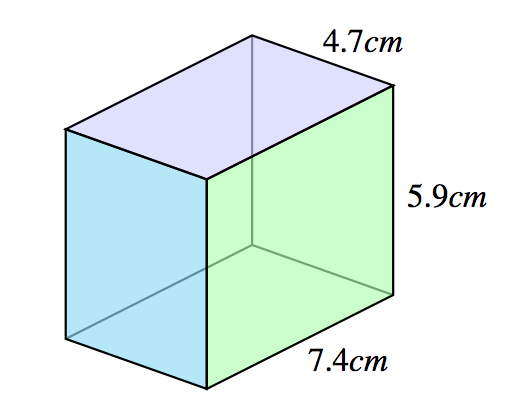
Find the Volume (to the nearest tenth):
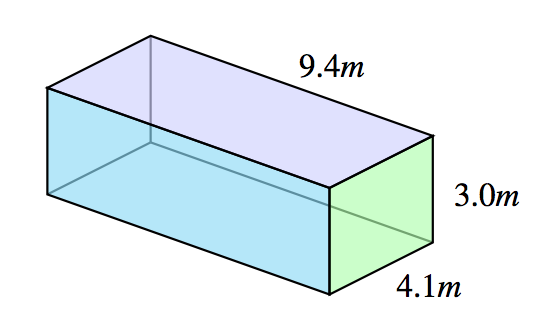
Find the Surface Area (to the nearest tenth):
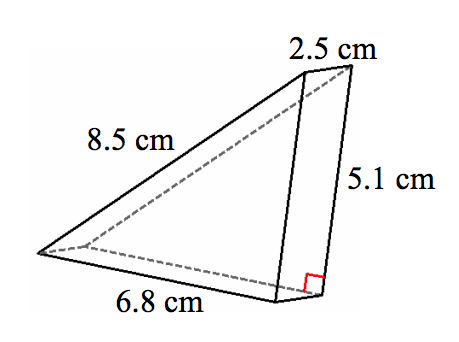
Find the Volume (to the nearest tenth):
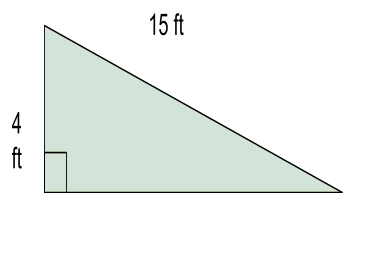
A ramp is 15 feet long with a height of 4 feet of the ground. What is the length of the base?
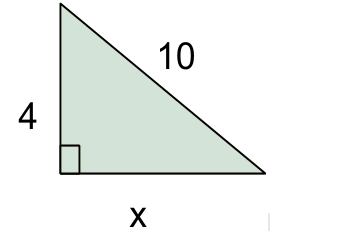
Find the missing leg?
Find the distance between the two points on the graph.