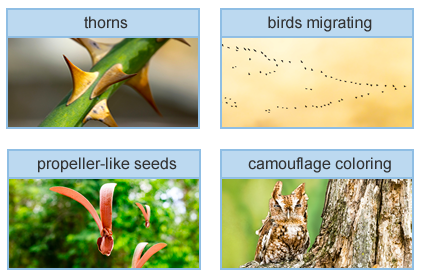
Twa kɔ nsɛm atitiriw so
Log in
Sign up for FREE
arrow_back
Laabri

LR257.4.2: Adaptations

star
star
star
star
star
Last updated over 1 year ago
19 Nsɛmmisa
Ɛhia
1
Ɛhia
1
Ɛhia
1
Ɛhia
1
Ɛhia
1
Ɛhia
1
Ɛhia
1
Ɛhia
1

Check for Understanding:

1. Physical adaptations are inherited changes to an organism's body parts.

2. Behavioral adaptations are inherited behaviors that help an organism survive in its environment.

Ɛhia
1
Ɛhia
1
Ɛhia
1
Ɛhia
1
Ɛhia
1
Ɛhia
1
Ɛhia
1
Ɛhia
1
Ɛhia
1
Ɛhia
1
Ɛhia
1

All organisms have adaptations. An adaptation is an inherited trait that helps an organism survive in its environment. Without adaptations, organisms would not be able to change along with the environment they live in.
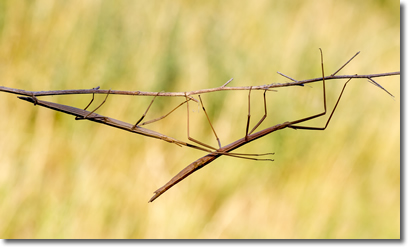
An adaptation causing these bugs to look like sticks keeps them safe from predators.

Organisms with advantageous adaptations are more likely to live longer and pass these traits on to their children. This causes more organisms in the next generation to have this adaptation.
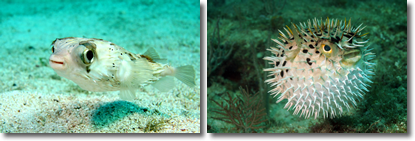
Blowfish that had the ability to puff up and scare away predators lived longer than other blowfish and passed this trait on to their young. The ability to puff up is an adaptation because it is an inherited trait that helps the blowfish survive in its environment.
Asemmisa {{asɛmmisaAhyɛnsode}}
1.

An adaptation is anin

Asemmisa {{asɛmmisaAhyɛnsode}}
3.

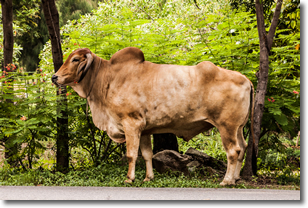
Some animals, such as this bull, are given drugs to make them grow more muscle. The offspring of animals given these drugs do not get this trait. Is this extra muscle an adaptation?

Check for Understanding:

1. An adaptation is an inherited trait that helps an organism survive in its environment.
2. Adaptations help organisms live longer.

3. Adaptations can become more common as they are passed on to offspring.

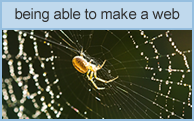
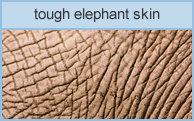
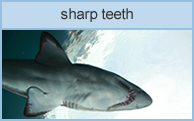
There are two types of adaptations: physical adaptations and behavioral adaptations. Physical adaptations, also known as structural adaptations, are inherited changes to an organism's body parts. Physical adaptations can occur in external or internal body parts.

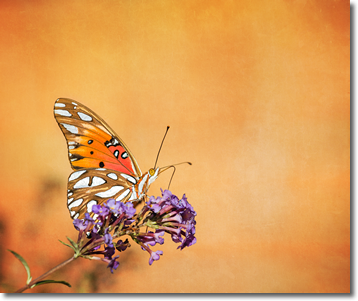
This butterfly's long tongue, called a proboscis, is a physical adaptation because it is an adaptation to a body part.

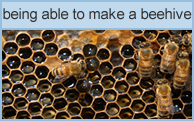
Behavioral adaptations are inherited behaviors that help an organism survive in its environment.

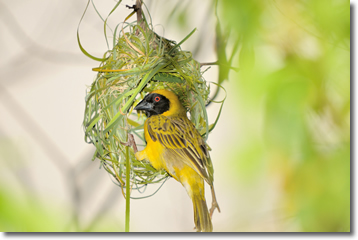
This masked weaver is born knowing how to build its nest. This knowledge is an example of a behavioral adaptation.

Asemmisa {{asɛmmisaAhyɛnsode}}
4.

Which of the following is a physical adaptation?

Asemmisa {{asɛmmisaAhyɛnsode}}
5.

Which of these is a behavioral adaptation?

Asemmisa {{asɛmmisaAhyɛnsode}}
6.

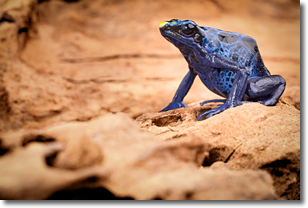
Some animals, like poison dart frogs, are born with bright colors to warn predators that they are poisonous. What kind of adaptation is this?

Asemmisa {{asɛmmisaAhyɛnsode}}
7.

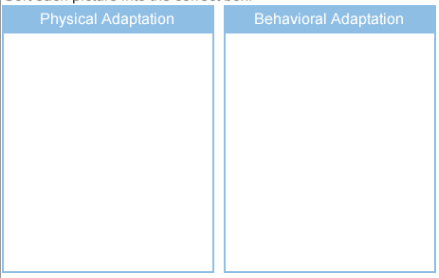
Sort each picture into the correct box.

Mmuae Afoforo a Wobɛpaw:

Asemmisa {{asɛmmisaAhyɛnsode}}
8.

Sort each picture into the correct box.

Mmuae Afoforo a Wobɛpaw:

Asemmisa {{asɛmmisaAhyɛnsode}}
9.

What is an adaptation?

Asemmisa {{asɛmmisaAhyɛnsode}}
10.

What is a physical adaptation?

Asemmisa {{asɛmmisaAhyɛnsode}}
11.

What is a behavioral adaptation?

Asemmisa {{asɛmmisaAhyɛnsode}}
12.

Imagine a fish is born with the ability to swim faster than its main predators. Is this an adaptation?

Asemmisa {{asɛmmisaAhyɛnsode}}
13.

Select the behavioral adaptation below.

Asemmisa {{asɛmmisaAhyɛnsode}}
14.

A shark's fin helps it turn quickly in the ocean and can be passed down to offspring. A shark's fin is not __________.

1. An adaption is an inherited trait that helps an organism survive in its environment.

Adaptations help organisms live longer.

Adaptations can become more common as they are passed on to offspring.

2. Physical adaptations are inherited changes to an organism's body parts.

3. Behavioral adaptations are inherited behaviors that help an organism survive in its environment.

Asemmisa {{asɛmmisaAhyɛnsode}}
15.

An adaptation must __________. (choose 2)

Asemmisa {{asɛmmisaAhyɛnsode}}
16.

Which of the following is NOT an adaptation?

Asemmisa {{asɛmmisaAhyɛnsode}}
17.

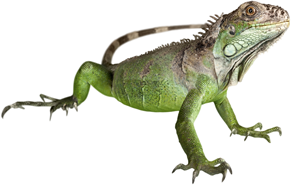
Where would this iguana's color be an adaptation?

Asemmisa {{asɛmmisaAhyɛnsode}}
18.

Which of the following are physical adaptations? (choose 2)

Asemmisa {{asɛmmisaAhyɛnsode}}
19.

Which of the following is a behavioral adaptation?