Movement: Muscles work with the skeletal system to facilitate movement.
Posture: Muscles help maintain body posture and stabilize joints.
Heat Production: Muscles generate heat during contraction, which helps maintain body temperature.
Protection: Muscles protect internal organs by providing a layer of padding.
Control of Body Openings: Muscles control the openings of the digestive and urinary tracts.
Thermogenesis
Thermogenesis is the process of heat production in organisms. In the context of the muscular system, it refers to the heat generated by muscle contractions, which helps maintain body temperature.
Muscle Contractions and Movement
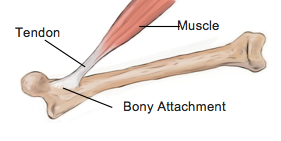
Muscles produce movement through contractions. When a muscle contracts, it shortens, pulling on tendons that are attached to bones. This action moves the bones, creating movement at the joints. There are three types of muscle contractions:
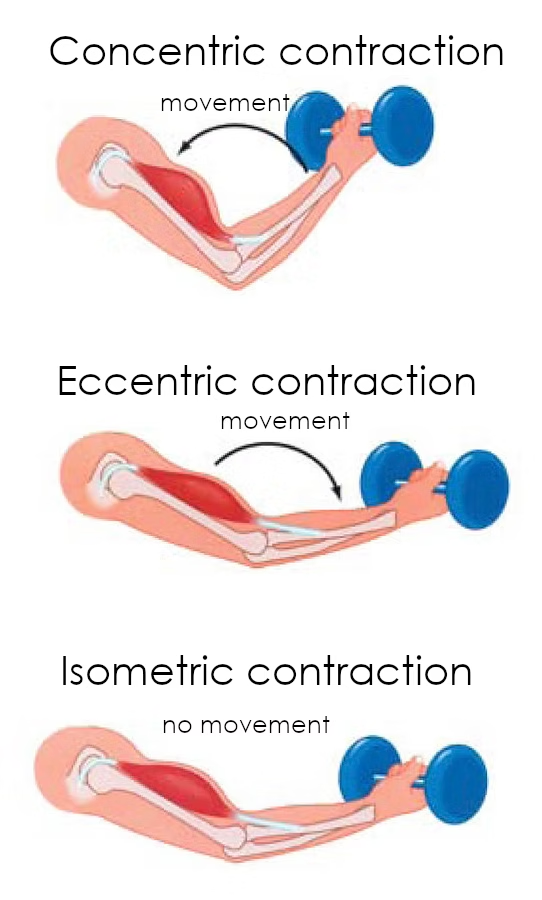
Isotonic Contractions: Muscle changes length to produce movement.
Concentric: Muscle shortens.
Eccentric: Muscle lengthens.
Isometric Contractions: Muscle length remains the same while generating tension.
Maintaining Posture
Muscles maintain posture through continuous, low-level contractions known as muscle tone. These contractions keep the body upright and stabilize joints, allowing us to stand, sit, and perform other activities without collapsing.
Protecting Internal Organs
Muscles protect internal organs by acting as a cushion. For example, the abdominal muscles protect the intestines, liver, and other organs in the abdominal cavity. The muscles of the rib cage protect the heart and lungs.
Smooth Muscle and Volume Control of Hollow Organs
Smooth muscle is found in the walls of hollow organs like the stomach, intestines, bladder, and blood vessels. These muscles control the volume of these organs by contracting and relaxing:
Peristalsis: In the digestive tract, smooth muscle contractions move food along.
Vasoconstriction and Vasodilation: In blood vessels, smooth muscle controls blood flow and pressure by narrowing or widening the vessels.
Bladder Control: Smooth muscle in the bladder wall contracts to expel urine.
1 point
1
Question 1
1.
What is one primary function of the muscular system?
1 point
1
Question 2
2.
Which muscle type controls organs like the bladder?
1 point
1
Question 3
3.
How do muscles help maintain body posture?
1 point
1
Question 4
4.
What is one of the primary functions of abdominal muscles?
1 point
1
Question 5
5.
How do smooth muscles aid the digestive system?
Basic Structure of the Muscular System
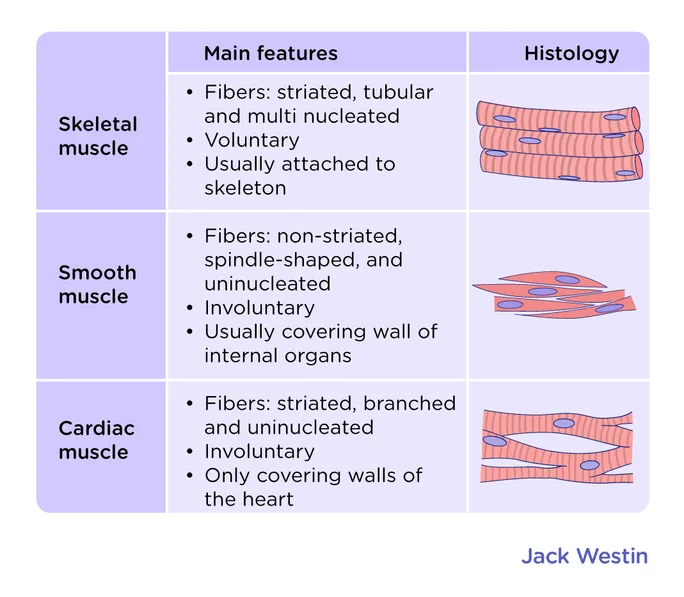
The muscular system is composed of three types of muscles: cardiac, smooth, and skeletal.
Differentiating Between Cardiac, Smooth, and Skeletal Muscles
Cardiac Muscle: Appearance: Striated (striped) and branched.
Location: Found only in the heart.
Control: Involuntary (controlled by the autonomic nervous system).
Smooth Muscle: Appearance: Non-striated (smooth) and spindle-shaped.
Location: Found in the walls of hollow organs (e.g., intestines, blood vessels, bladder).
Control: Involuntary (controlled by the autonomic nervous system).
Skeletal Muscle: Appearance: Striated (striped) and cylindrical.
Location: Attached to bones throughout the body.
Control: Voluntary (controlled consciously).
Locations of Specific Muscles
Biceps Brachii: Located in the upper arm, between the shoulder and the elbow.
Triceps Brachii: Located in the upper arm, on the back side, opposite the biceps.
Trapezius: Located in the upper back and neck, extending down to the middle of the back.
Deltoid: Located on the shoulder, covering the shoulder joint.
Diaphragm: Located below the lungs, separating the thoracic cavity from the abdominal cavity.
Pectoralis Major: Located in the chest, covering the upper part of the rib cage.
Latissimus Dorsi: Located in the middle to lower back, extending to the sides.
Rectus Abdominis: Located in the front of the abdomen, running vertically along the abdominal wall.
Gastrocnemius: Located in the calf, on the back of the lower leg.
Hamstrings: Located in the back of the thigh, running from the hip to the knee.
Quadriceps: Located in the front of the thigh, running from the hip to the knee.
Gluteus Maximus: Located in the buttocks, forming the bulk of the buttock muscles.
Function of Tendons
Tendons are tough, fibrous connective tissues that connect muscles to bones. Their primary function is to transmit the force generated by muscle contractions to the bones, enabling movement. Tendons also help stabilize joints and maintain posture.
1 point
1
Question 6
6.
Which muscle type is found only in the heart?
1 point
1
Question 7
7.
What type of muscle is under voluntary control?
1 point
1
Question 8
8.
Where is smooth muscle primarily located?
1 point
1
Question 9
9.
Where is the Trapezius muscle located?
1 point
1
Question 10
10.
Which muscle is found in the upper arm?
1 point
1
Question 11
11.
Where is the Diaphragm muscle located?
1 point
1
Question 12
12.
Where is the Pectoralis Major muscle located?
1 point
1
Question 13
13.
Which muscle is primarily responsible for leg extension?
Required
1 point
1
Question 14
14.
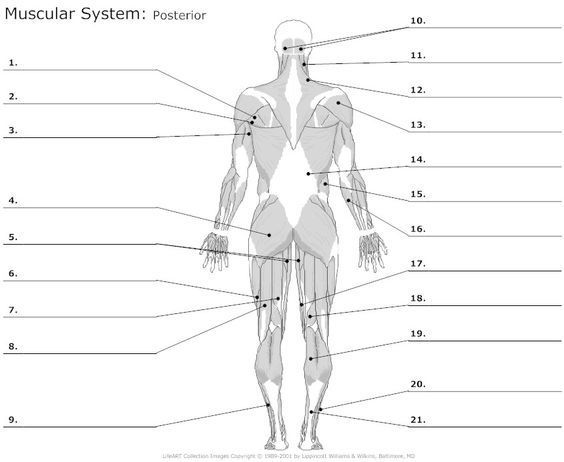
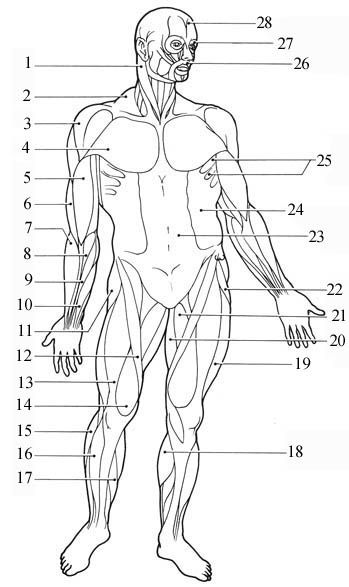
What Muscle is number 4
Required
1 point
1
Question 15
15.
What Muscle is number 23
Required
1 point
1
Question 16
16.
What Muscle group does 13 belong to?
Required
1 point
1
Question 17
17.
What Muscle is 18?
Required
1 point
1
Question 18
18.
What Muscle is 5?
Required
1 point
1
Question 19
19.
What Muscle is 2?
Required
1 point
1
Question 20
20.
What Muscle is 3?
Required
1 point
1
Question 21
21.
What muscle is number 3?
Required
1 point
1
Question 22
22.
What muscle is number 14?
Required
1 point
1
Question 23
23.
What muscle is number 4?
Required
1 point
1
Question 24
24.
What muscle group consists of number 6,7, and 8?
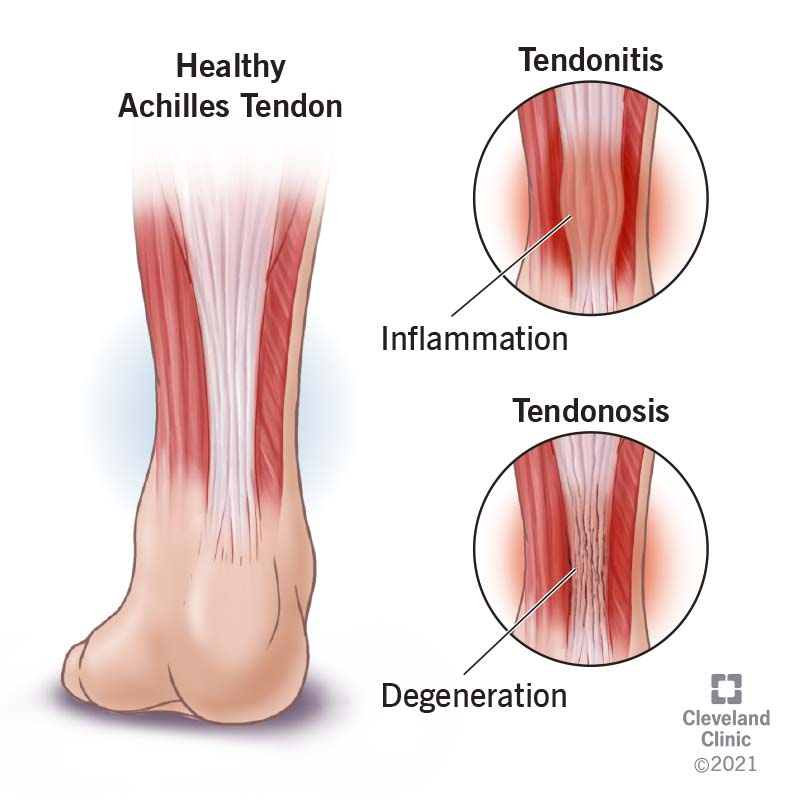
Tendonosis is caused by chronic overuse of a tendon, leading to degeneration of collagen, often due to repetitive strain injuries, poor posture, or untreated tendonitis. Symptoms include chronic pain, stiffness, reduced range of motion, weakness, mild swelling, and a crackling sensation. Treatment involves rest, ice, physical therapy, ergonomic supports, and in severe cases, corticosteroid injections or surgery.
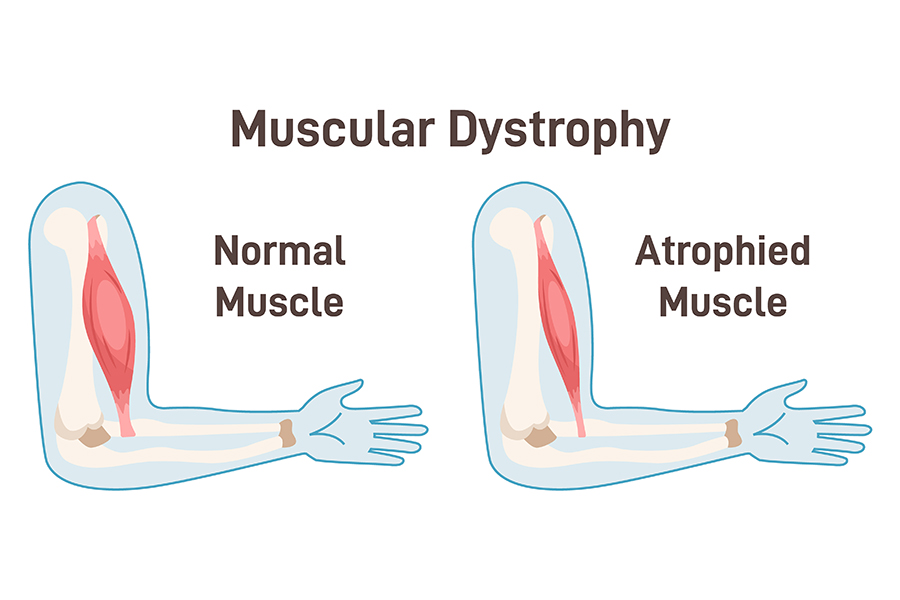
Muscular dystrophy, a genetic disorder, results from mutations affecting muscle proteins, leading to progressive muscle weakness, difficulty in movement, muscle pain, stiffness, and sometimes learning disabilities. While there's no cure, treatments focus on managing symptoms through physical therapy, medications, assistive devices, and surgery for complications.
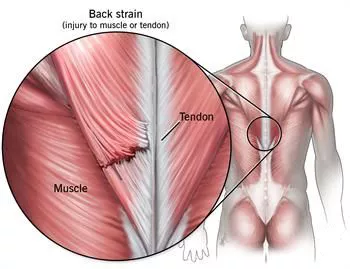
Strains, caused by overstretching or tearing of muscles or tendons, result in pain, swelling, bruising, muscle spasms, and limited motion. Treatment includes rest, ice, compression, elevation, pain relievers, physical therapy, and possibly surgery.
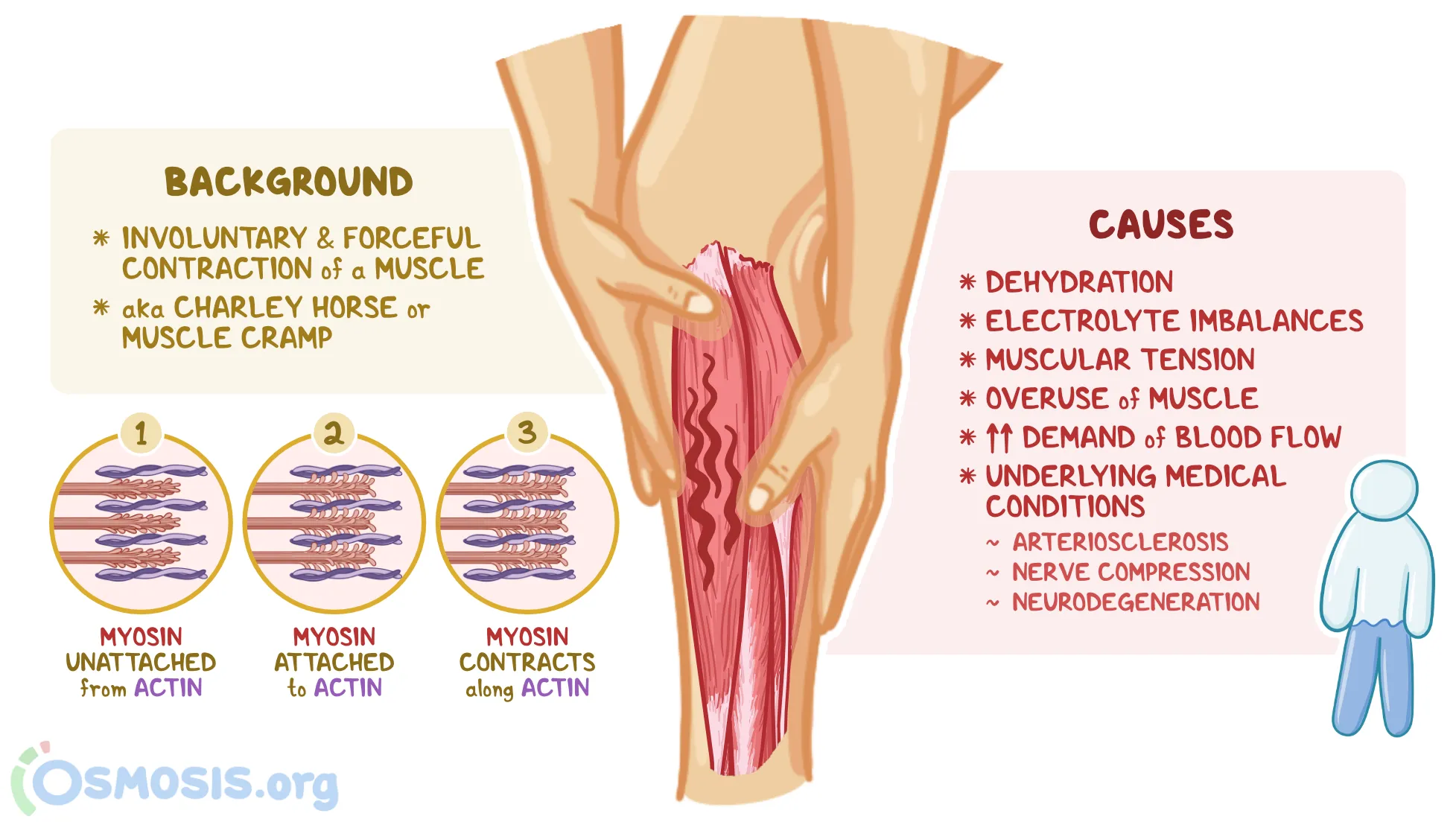
Muscle spasms, or Charlie horses, are sudden, involuntary contractions due to muscle fatigue, dehydration, electrolyte imbalances, poor circulation, or nerve compression. They cause pain, tightness, and visible twitching, treated by stretching, massaging, applying heat or cold, staying hydrated, and using muscle relaxants if necessary.
Required
1 point
1
Question 25
25.
What is the primary cause of tendonosis?
Required
1 point
1
Question 26
26.
Which of the following is a symptom of tendonosis?
Required
1 point
1
Question 27
27.
What treatment is NOT commonly used for tendonosis?
Required
1 point
1
Question 28
28.
What condition results from muscle fatigue and dehydration?
Required
1 point
1
Question 29
29.
What is the primary cause of muscular dystrophy?
Required
1 point
1
Question 30
30.
Which treatment is commonly used for muscle strains?