Ecology 101

Last updated 7 months ago
7 questions
The Biosphere

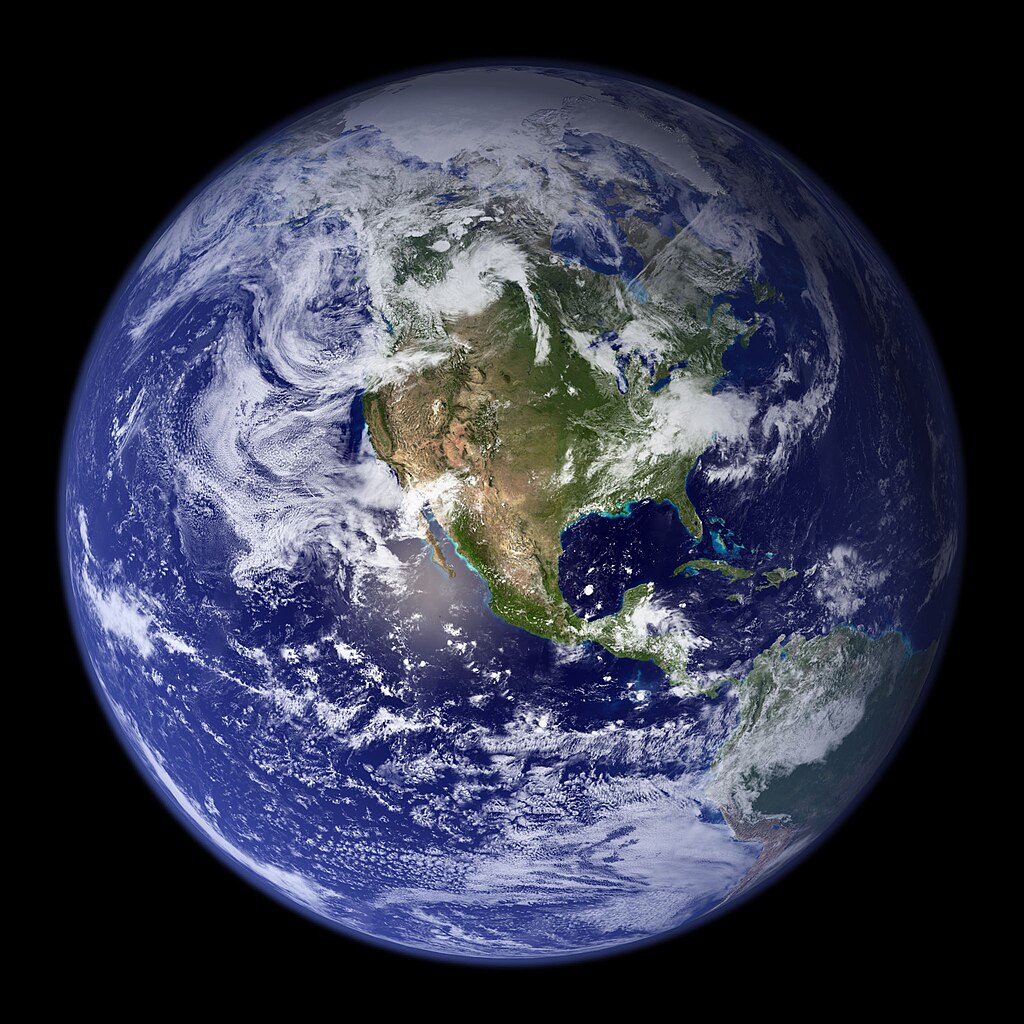
Because ecologist study organisms and their environment, their studies take place in the biosphere. The biosphere is the portion of the Earth that supports life.

The Greek root bio means "life", and a sphere is a geometric shape that looks like a ball. When you look at Earth from the vantage point of space (shown on the right) you can see how it is considered to be a "ball of life".

Earth's biosphere has a vast amount of diversity. The biosphere's diverse locations contain organisms that are able to survive in the unique conditions found in a particular environment. Ecologists study these organisms, their adaptations, and the factors in their environment. These factors are divided up into two large groups: living factors & nonliving factors.
Factors

The living factors in an organism's environment are called biotic factors. The nonliving factors in an organism's environment are called abiotic factors. The abiotic factors for different organisms vary across the biosphere, but organisms that live in the same geographic area often share the same abiotic factors. These factors might include temperature, air or water currents, sunlight, soil type, rainfall, or available nutrients. Organisms depend on abiotic factors for survival.
3

Put the levels of organization into order, starting with largest as #1.

  1. Biosphere
  2. Biological Community
  3. Population
  4. Organism
  5. Biome
  6. Ecosystem
1

Which is an abiotic factor?

4

Categorize each of the following factors as either abiotic or biotic.

  • Predators
  • Algae
  • Plant life
  • Soil bacteria content
  • Water
  • Wind
  • Temperature
  • Soil pH
  • Biotic
  • Abiotic
1

What is the largest level of organization in ecology?

1

Which level includes all living things in a specific area?

1

What is a group of similar individuals in a species?

1

What is a group of ecosystems that share similar climates?