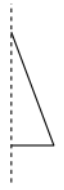
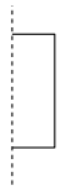
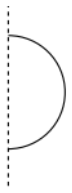
Match the two-dimensional figure and axis of rotation with the solid of rotation that can be formed by rotating the figure using that axis.
| Stavka koja se može prevući | arrow_right_alt | Odgovarajuća stavka |
|---|---|---|
| arrow_right_alt | cone | |
| arrow_right_alt | cylinder | |
| arrow_right_alt | sphere |
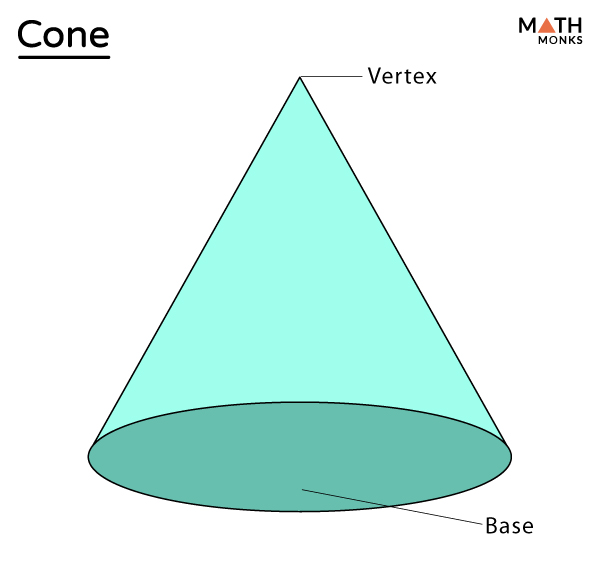
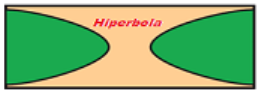
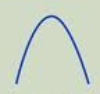
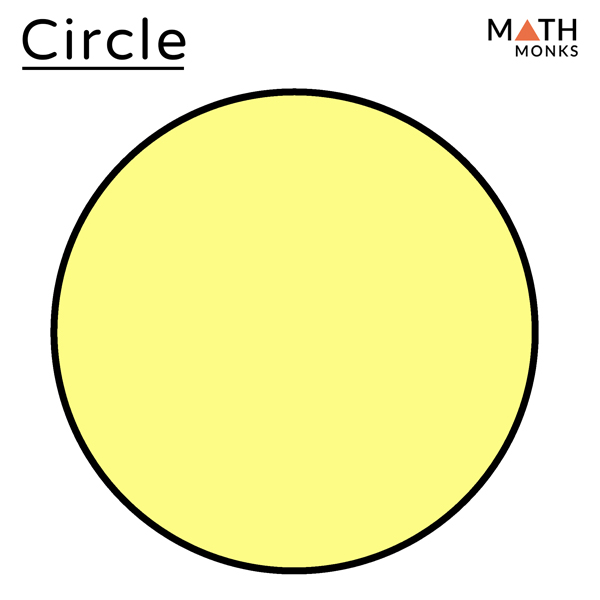
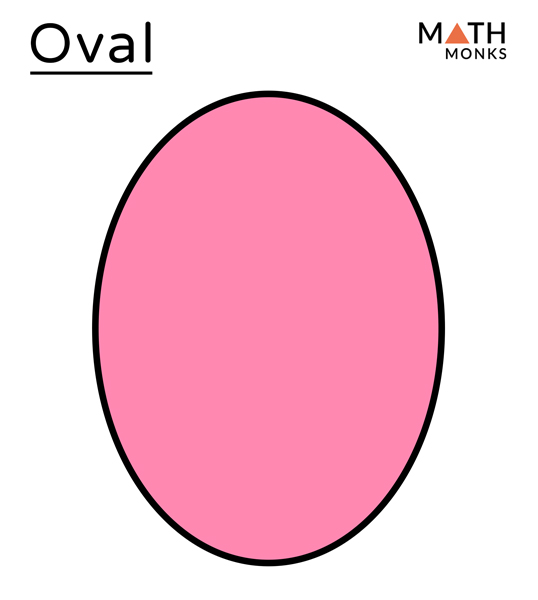
Imagine a cone with its base on your horizontal desk. Match the cross section formed by intersecting each plane with the cone.
a) A vertical plane passing through the cone's topmost point.
b) A horizontal plane
c) A diagonal plane
d) A vertical plane not passing through the cone's topmost point.
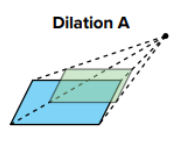
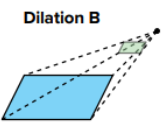
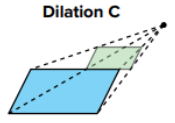
Each image shows a quadrilateral in a plane. The quadrilateral has been dilated using a center above the plane and a scale factor between 0 and 1. Match the scale factor used to create each dilated figure.
| Stavka koja se može prevući | arrow_right_alt | Odgovarajuća stavka |
|---|---|---|
k= | arrow_right_alt | |
k= | arrow_right_alt |
A rectangle with area 16 square units is dilated by a scale factor of k. Find the area of the image for each given value of k.
a) k=2
b) k=1
c) k=1.5
d) k=
A trapezoid has an area of 400 square units. What scale factor would be required to dilate the trapezoid to have each area?
a) 100 square units k=
b) 3600 square units k=
c) 10000 square units k=
d) 400 square units k=