Log in
Sign up for FREE
arrow_back
Library

Chapter 12 Test: Cooling System and Climate Control

star
star
star
star
star
Last updated 4 months ago
25 questions
1
1
1
1
1
1
1
1
1
1
1
1
1
1
1
1
1
1
1
1
1
1
1
1
4
Question 1
1.

Question 2
2.

Question 3
3.

Question 4
4.

Question 5
5.

Question 6
6.

Question 7
7.

Question 8
8.

Question 9
9.

Question 10
10.

Question 11
11.

Question 12
12.

Question 13
13.

Question 14
14.

Question 15
15.

Question 16
16.

Question 17
17.

Question 18
18.

Question 19
19.

Question 20
20.

Question 21
21.

Question 22
22.

Question 23
23.

Question 24
24.

Question 25
25.

Explain the pathway that coolant takes in a car and name the various components.

What senses the temperature of the coolant and allows the fluid to enter or exit the radiator?
a. radiator hose
b. water pump
c. thermostat
d. radiator cap
What happens when pressure is increased in the cooling system by using a radiator cap?
a. increases the boiling point of the coolant
b. decreases the boiling point of the coolant
c. keeps the boiling point constant
d. changes the water to antifreeze ratio in the coolant
What is used to attach the radiator hose to the radiator?
a. clamp
b. glue
c. tape
d. machine screw
Approximately what temperature will the antifreeze FREEZE if mixed 50% water and 50% antifreeze?
a. 212ºF (100ºC)
b. 122ºF (50ºC)
c. 32ºF (0ºC)
d. -34ºF (-37ºC)
Which of the following is like a mini radiator to help with heating the passenger cabin?
a. cabin air filter
b. heater core
c. compressor
d. evaporator
What forces the coolant to flow throughout the engine?
a. air from the front of the car
b. water jacket
c. radiator fins
d. water pump
What is the purpose of the radiator?
a. remove heat from the coolant
b. add heat to the coolant
c. slow down the air through the engine compartment
d. keep the coolant at 195ºF (91ºC)
Charge-air coolers (intercoolers and aftercoolers) are air-to-air or air-to-liquid ____________.
a. heat collectors
b. heat exchangers
c. cold air returns
d. hot air returns
Cooler air is ____________, allowing more air and fuel to go into the combustion chamber which leads to more power.
a. more turbulent
b. cloudy
c. less dense
d. denser
What type of water pump is run by electronic controls, only circulating coolant when needed?
a. gear driven water pump
b. conventional belt driven mechanical water pump
c. electric water pump
d. timing belt driven water pump
Overheating an engine can cause serious damage. One technology called fail-safe cooling allows you to drive the vehicle if it begins to overheat. How does it work?
a. It deactivates alternating cylinders in the engine, pumping in air to cool them.
b. It transfers cool air from the air conditioning system and injects it into the radiator.
c. Coolant is injected directly into the cylinders.
d. Oil is pumped into the cylinders.
Which if the following would be the most acidic on the pH scale?
a. 3
b. 6
c. 7
d. 10
Technician A says if the coolant is low the engine can overheat. Technician B says that if the fan is not working properly the engine can overheat. Who is correct?
a. Technician A
b. Technician B
c. Both Technician A and Technician B
d. Neither Technician A nor Technician B
Technician A says that most vehicles require 100% pure antifreeze in the coolant system. Technician B says that a 50% antifreeze/50% water mixture is used for most cars. Who is correct?
a. Technician A
b. Technician B
c. Both Technician A and Technician B
d. Neither Technician A nor Technician B
Technician A says that hot coolant enters the top of the radiator. Technician B says that the coolant is cooler at the bottom of the radiator than at the top. Who is correct?
a. Technician A
b. Technician B
c. Both Technician A and Technician B
d. Neither Technician A nor Technician B
Technician A says that a coolant recovery tank is used to hold excess coolant during cooling system operation. Technician B says that the coolant recovery tank allows the air to be drawn into the engine block, enhancing the cooling in the engine. Who is correct?
a. Technician A
b. Technician B
c. Both Technician A and Technician B
d. Neither Technician A nor Technician B
Technician A says that coolant mixes with the engine oil to help with cooling. Technician B says most front wheel drive vehicles use belt driven fans. Who is correct?
a. Technician A
b. Technician B
c. Both Technician A and Technician B
d. Neither Technician A nor Technician B
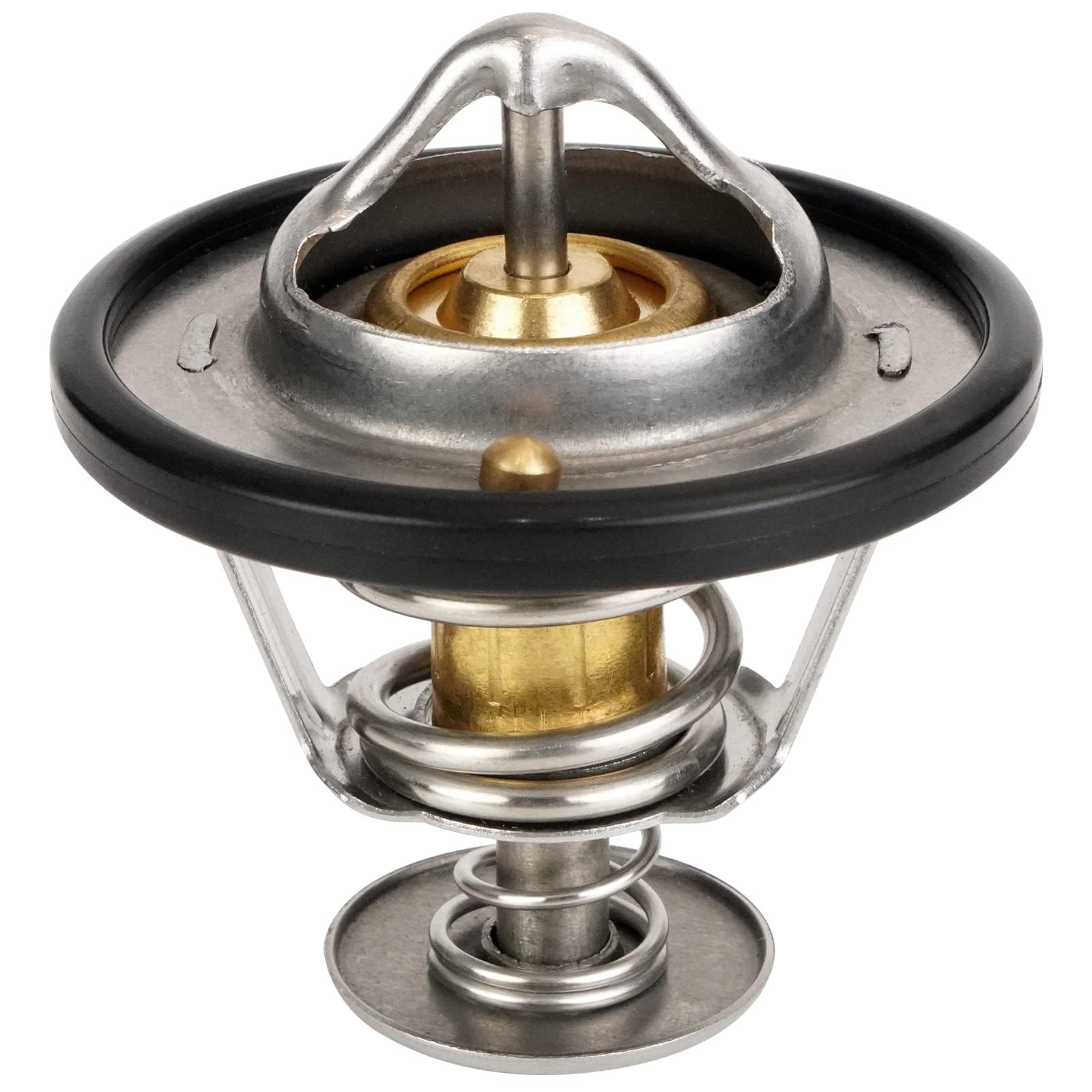
What is this component?
Heater hose
Radicon Sensor
Radiator fan
Radiator
Water Pump
Coolstat Regulator
Thermostat
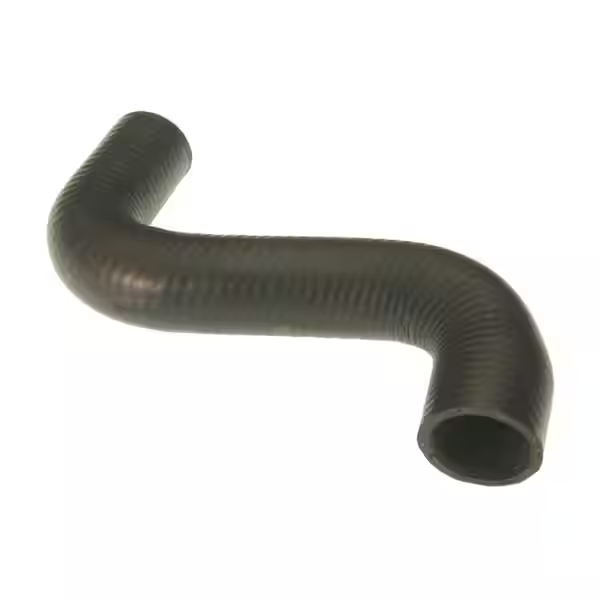
What is this component?

Radiator fan
Radicon Sensor
Coolstat Regulator
Radiator
Heater hose
Water Pump
Thermostat
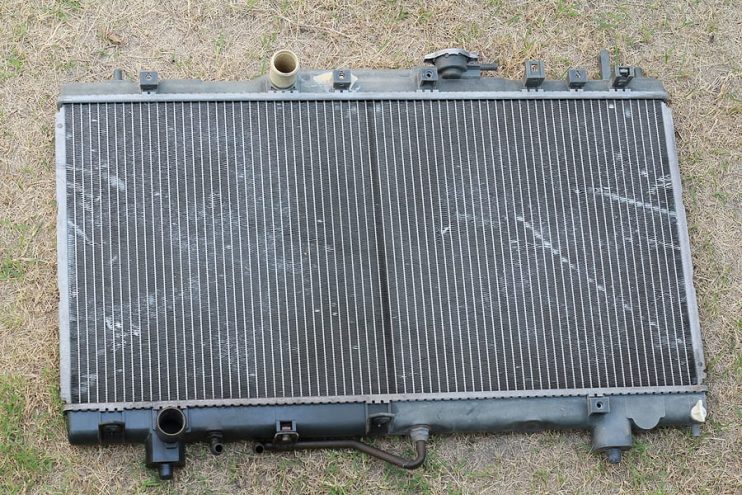
What is this component?

Thermostat
Radicon Sensor
Radiator
Radiator fan
Heater hose
Coolstat Regulator
Radiator hoses
What is the primary function of the radiator?
To store fuel safely.
To heat the engine oil.
To cool the engine coolant.
To clean the air filter.
What fluid is used in most cooling systems?
Oil and gas mixture.
Windshield washer fluid.
A mix of water and antifreeze.
Water only is used.
What does the thermostat regulate in a vehicle?
Oil pressure in the engine.
Battery voltage levels.
Coolant temperature in the engine.
Tire air pressure levels.
Which part pumps coolant through the system?
The air compressor.
The water pump.
The oil pump.
The fuel pump.