Log in
Sign up for FREE
arrow_back
Library

Copy of Geometry - Unit 5 - Lesson 2 (3/6/2025)

star
star
star
star
star
Last updated about 1 year ago
7 questions
1
7.G.3
G.GMD.1
G.GMD.4
1
1
7.G.3
G.GMD.1
G.GMD.4
1
7.G.3
G.GMD.1
G.GMD.4
1
1
7.G.3
G.GMD.1
G.GMD.4
1
7.G.3
G.GMD.1
G.GMD.4
Question 1
1.

Question 2
2.

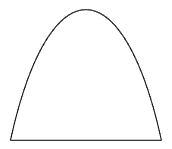
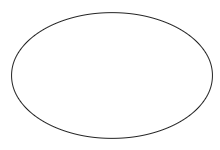
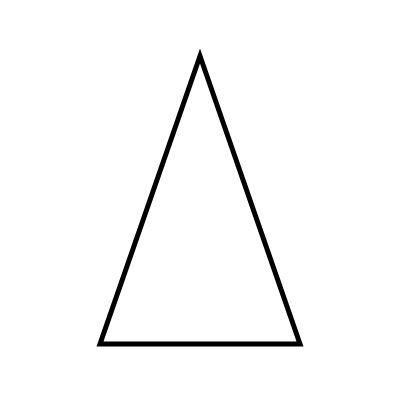
Here is a picture of a cone. Match the description
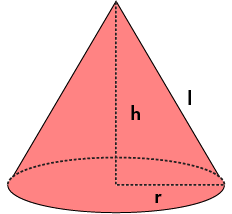
of each cross section with the picture.

Draggable itemarrow_right_altCorresponding Item
horizontal plane
arrow_right_alt
diagonal plane
arrow_right_alt
arrow_right_alt
arrow_right_alt
Question 3
3.

Question 4
4.

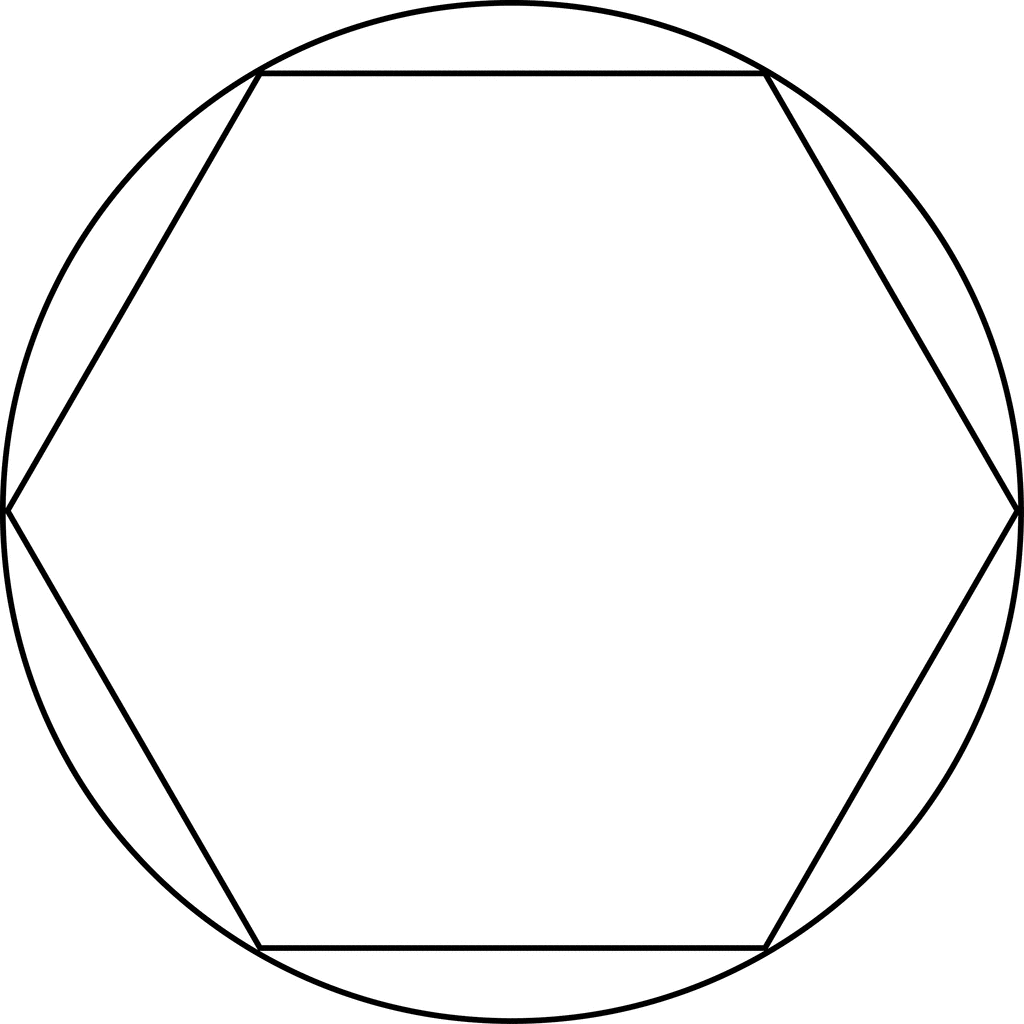
A regular hexagon and a regular octagon are both inscribed in the same circle.
Which of these statements is true?

Pictured is a hexagon inscribed in a circle to help you think about this question.

Question 5
5.

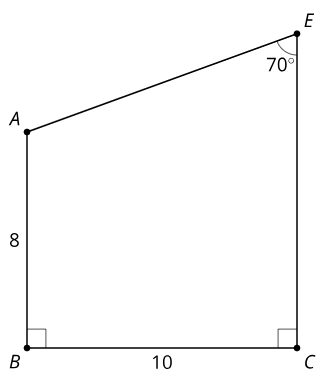
Find the perimeter of ABCE.


(Hint: Place point D so that ABCD is a rectangle. You can then use trigonometry to find AE and DE. Round your answers to the nearest tenth.)

Question 6
6.

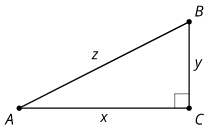
Match each trigonometric function to a ratio. You may use ratios more than once.

  • cos(B)
  • sin(B)
  • \frac{y}{z}
Question 7
7.

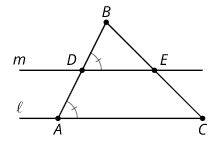
Explain how you know lines m and l are parallel.

Select all figures for which there exists a direction such that all cross sections taken at that direction are congruent.
triangular pyramid
square pyramid
cone
sphere
rectangular prism
cube
cylinder
vertical plane not passing through the cone's topmost point
vertical plane passing through the cone's topmost point
Choose each figure for which a circle could be a cross section.
The perimeter of the octagon is less than the perimeter of the hexagon, and each perimeter is less than the circumference of the circle.
The perimeter of the hexagon is greater than the perimeter of the octagon, and each perimeter is greater than the circumference of the circle.
The perimeter of the octagon is greater than the perimeter of the hexagon, and each perimeter is greater than the circumference of the circle.
All perimeters are the same since they could all start and end at the same place.
sin(A)
cos(A)
tan(A)
tan(B)
\frac{x}{z}
\frac{x}{y}
\frac{y}{x}