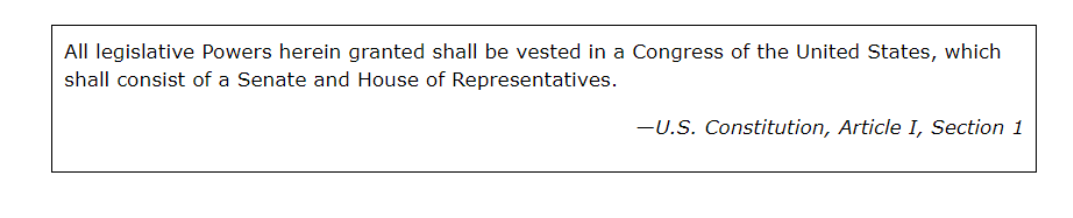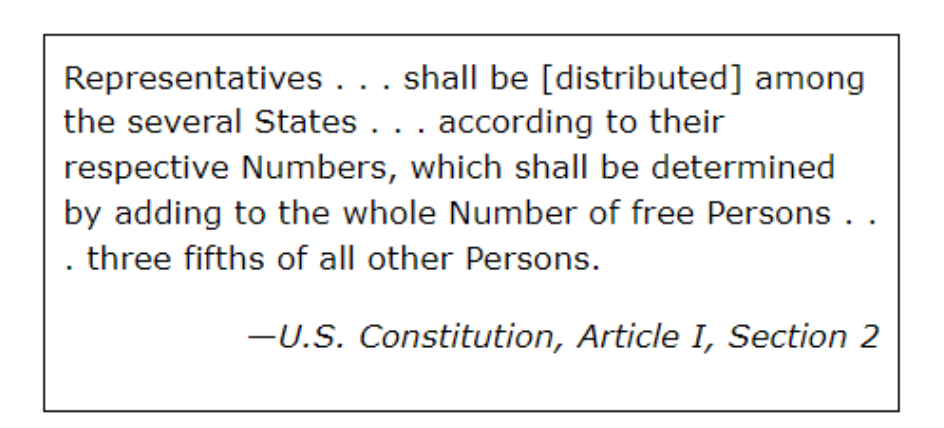
This excerpt is from the U.S. Constitution.
How did the Three-Fifths Compromise support slavery?
This excerpt is from the U.S. Constitution.
How did the Three-Fifths Compromise support slavery?
This excerpt is from the U.S. Constitution.
How did the Three-Fifths Compromise support slavery?
This excerpt is from the U.S. Constitution.
Based on the excerpt, how did the Great Compromise help create the governmental structure?
Why did the Constitutional Convention agree to the Three-Fifths compromise?
This list details some provisions of the English Bill of Rights from 1689.
Provisions of English Bill of Rights, 1689
-allowed free speech and debate in Parliament
-prevented excessive fines and cruel punishment
-ended government taxation without consent of the people
Which principle in the U.S. Constitution is MOST closely related to the rights in this list?
Which historical documents had the greatest influence on the first ten amendments on the first ten amendments to the U.S. Constitution?
Which weaknesses are associated with the Articles of Confederation? Move the correct answers to the box. Not all answers will be used.
Read the excerpt and answer the question that follows.
"He has refused his Assent to Laws, the most wholesome and necessary for the public good."
-Declaration of Independence
Which statement shows how this grievance was addressed in the U.S. Constitution?
Which examples reflect the constitutional principles of either limited government, separation of powers, or federalism?
Move the correct answer to each box in the table. Not all answers may be used.
Limited Government
Separation of Powers
Federalism
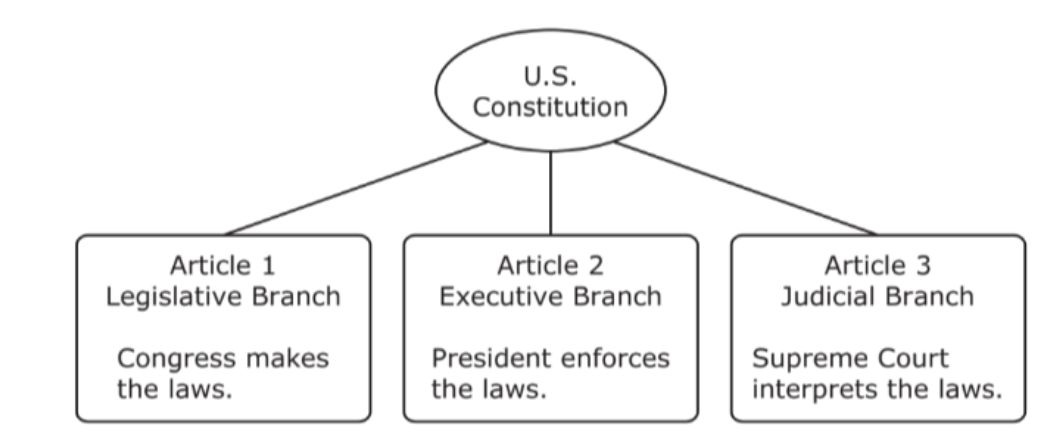
Which powers does the U.S. Constitution give to each branch of government?
Move each constitutional power to the correct branch of government.
Legislative Branch
Executive Branch
Judicial Branch
What government principle is illustrated in this diagram?
Why was the Third Amendment prohibiting the quartering of troops added to the U.S. Constitution?
This grievance is listed in a historical document presented to the British king.
Imposing Taxes on us without our Consent. —Declaration of Independence
How was this grievance addressed in the U.S. Constitution?
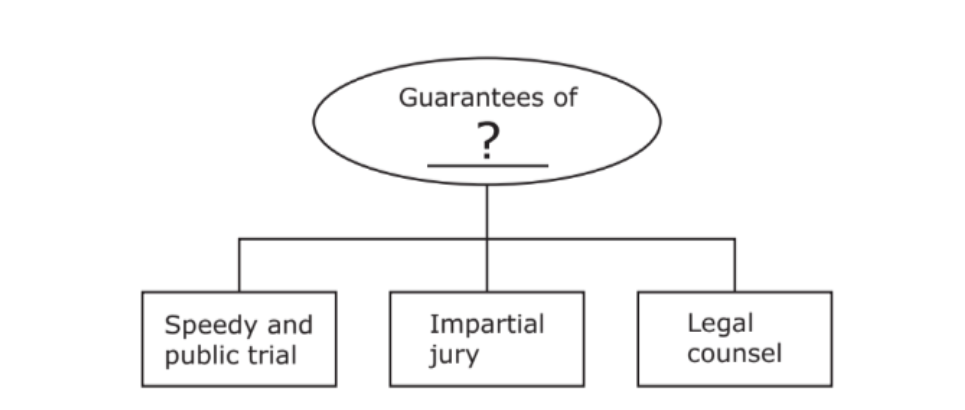
Which idea correctly replaces the question mark in this diagram?
Which requirement is expected of an immigrant after becoming a U.S. Citizen?
This excerpt is from a letter written by a Founding Father.
"Our liberty depends on the freedom of the press, and that cannot be limited without being lost" -Thomas Jefferson, Letter to James Currie, January 28, 1786
Why did Jefferson believe this freedom was significant?
How did the First Amendment protection of religious freedom affect U.S. society in the early history of the country?
Which statement shows an effect of the First Amendment?
Which historical action was protected by the First Amendment guarantee regarding religion?
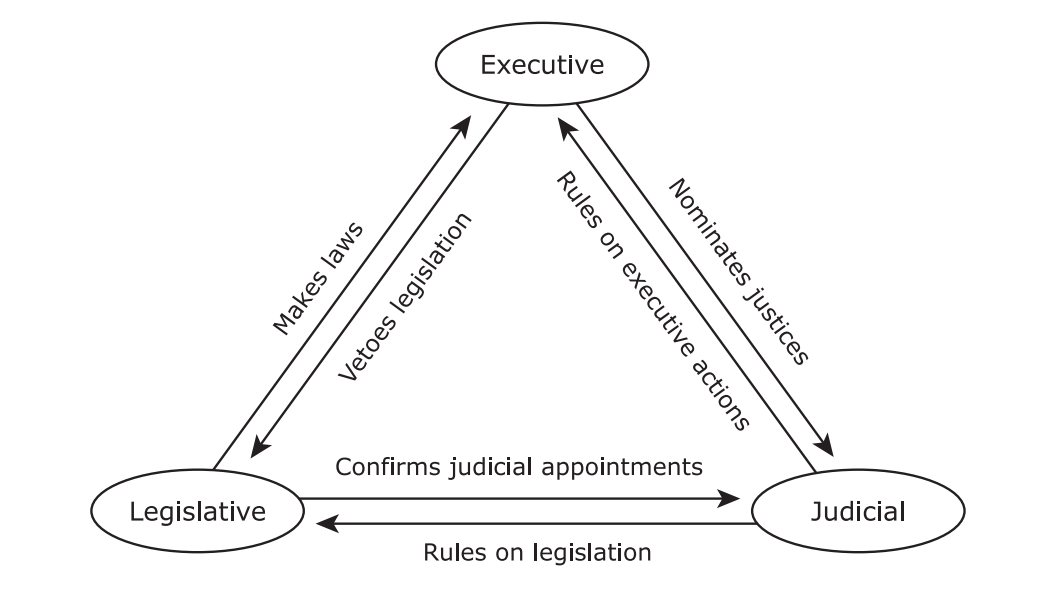
This diagram describes select actions of the U.S. government.
Which principle outlined in the U.S. Constitution is represented by this diagram AND what is its purpose? Think about the question carefully. Then record your answer in the box provided.
Explain the purpose of the 7th Amendment and how it protects the rights of individuals in civil cases.