6.5 Lesson 1 - What Happens to a Community when a Tsunami Occurs?

Last updated 9 months ago
11 questions
Note from the author:
OpenSciEd
Processes in the natural world often impact people and places. These natural events sometimes cause great damage and even loss of life.

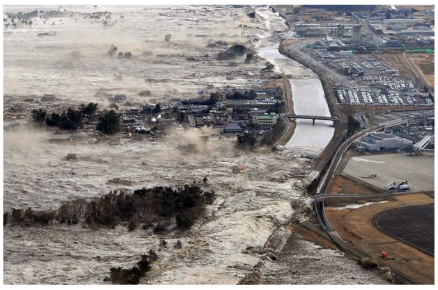
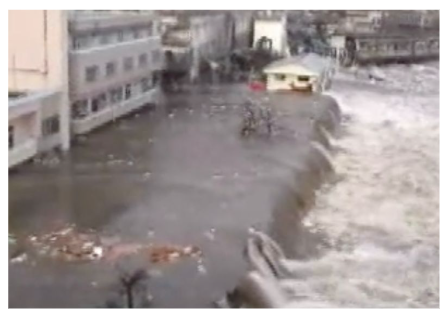
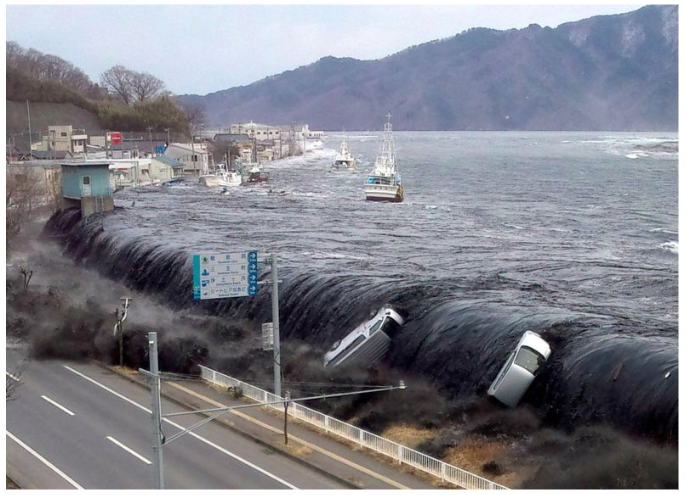
You will read about an event called a tsunami and examine photographs from the tsunami.

Part 1: Read about a natural hazard

On March 11, 2011, a 9.0-magnitude earthquake struck underwater off the eastern coast of Japan. This was felt on land at 2:45 p.m. local time. There were multiple aftershocks and at 3:14 p.m., a tsunami warning was announced for coastal areas along the Pacific Ocean, predicting water waves of up to 33 feet high (10 m). Some people living near the coast had only 8 minutes of warning before the waves hit their city, while residents in other areas had more time. Low-lying cities closer to the earthquake experienced taller waves than those farther away.
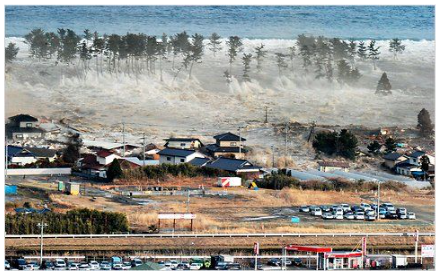
The tsunami had a major impact on the people who lived in the affected cities across Japan:
  • Over 10,000 people died, many of them carried away by fast-moving water.
  • Over 100,000 buildings totally collapsed.
  • Over 4 million households in Japan were left without electricity for over a week.
  • Over 1 million households were left without fresh water for over a week.
Prior to the 2011 tsunami in Japan, Indonesia experienced a tsunami on December 26, 2004, triggered by a 9.2-magnitude earthquake in the Indian Ocean. The Indonesian tsunami generated waves as high as 100 feet (30 m) and killed approximately 227,000 people in 14 different countries along the shorelines of the Indian Ocean, including more than 126,000 in Indonesia.
1

Record things you notice and wonder from the reading and pictures.

Teacher: Show the video

1

What are some things you noticed about the SPEED of the water?

1

What are some things you noticed about the FORCE of the water?

Part 2: Think like an engineer

Often, after a natural disaster like these, scientists and engineers try to develop technologies to reduce future impacts on people. We will be doing some brainstorming, which means to come up with a lot of quick thoughts and ideas, even if the ideas sound crazy.

1

Brainstorm some technologies that could help people DETECT a tsunami. You can type or draw some ideas. If you're not sure you can try questions 5 or 6 first.

1

Brainstorm some technologies to give people more advance warning that a tsunami is approaching. You can type or draw some ideas.

1

Brainstorm some technologies that could help reduce the damage from a tsunami. You can type or draw some ideas.

1

Pick ONE of your ideas from questions 4, 5, or 6. Show how it would work using a diagram (with labels) and provide a brief explanation.

You will compare ideas in groups of three. Your teacher will tell you who your group is.

1

Person 1 - what does their idea do?

1

Person 2 - what does their idea do?

1

Of your group members (including yourself), choose the one that you think would be the most promising solution to implement and explain why.

1

Of your group members (including yourself), choose the one that you think would be the most challenging solution to implement and explain why.

Teacher: lead a discussion on these questions:

Student: think about these questions if you're done.

List natural hazards that you:
  • have experienced -
  • were affected by -
  • heard or read about -
  • are interested in learning more about -
Some places are more at risk from certain natural hazards than others. Which natural hazards are more likely to affect your community?