Log in
Sign up for FREE
arrow_back
Library

Unit 4 Chapter 3- The Great Depression and New Deal

star
star
star
star
star
Last updated about 1 year ago
13 questions
Required
1
Required
1
Required
1
Required
1
Required
1
Required
1
Required
1
Required
1
Required
1
Required
1
Required
1
Required
1
Required
1
Question 1
1.

Question 2
2.

Question 3
3.

Question 4
4.

Use the image to answer the next question.

Question 5
5.

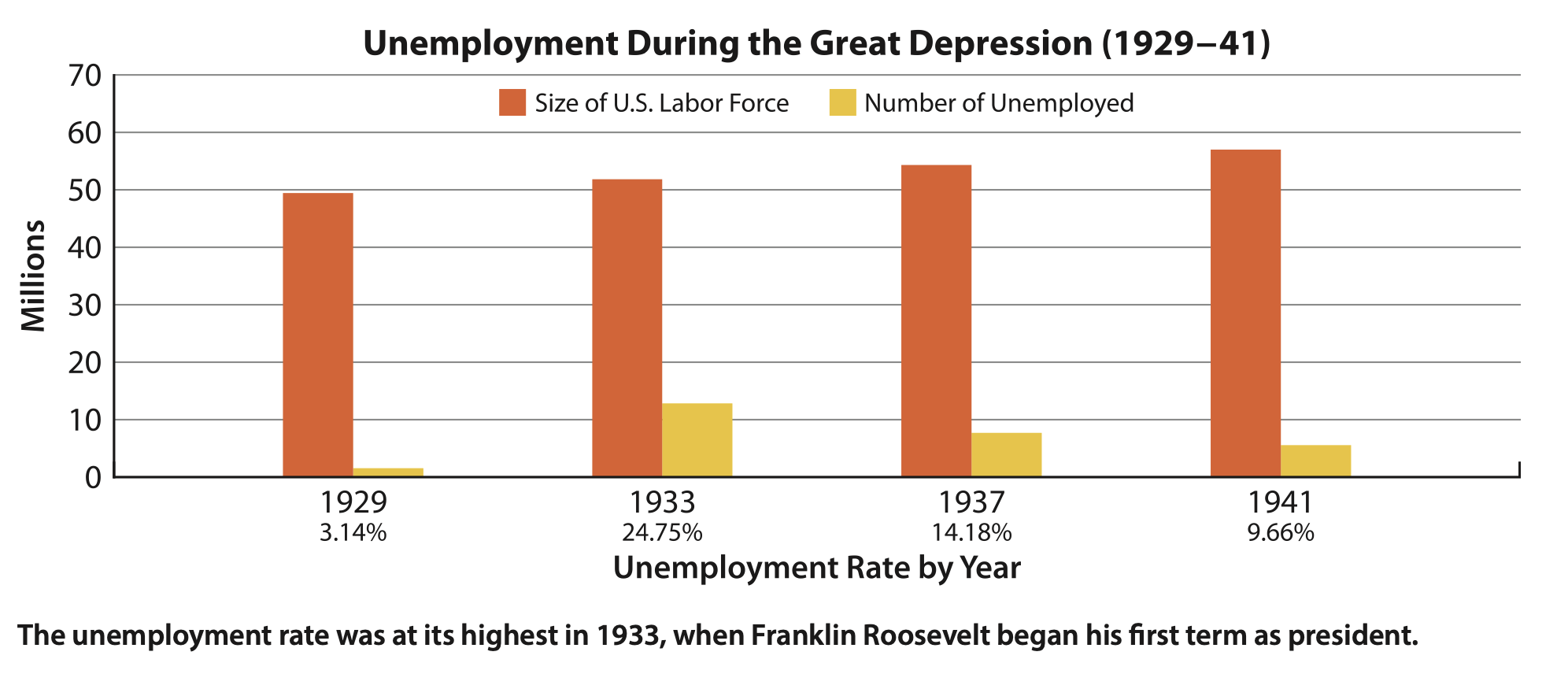
Use the graph to answer the question.

Question 6
6.

Question 7
7.

Question 8
8.

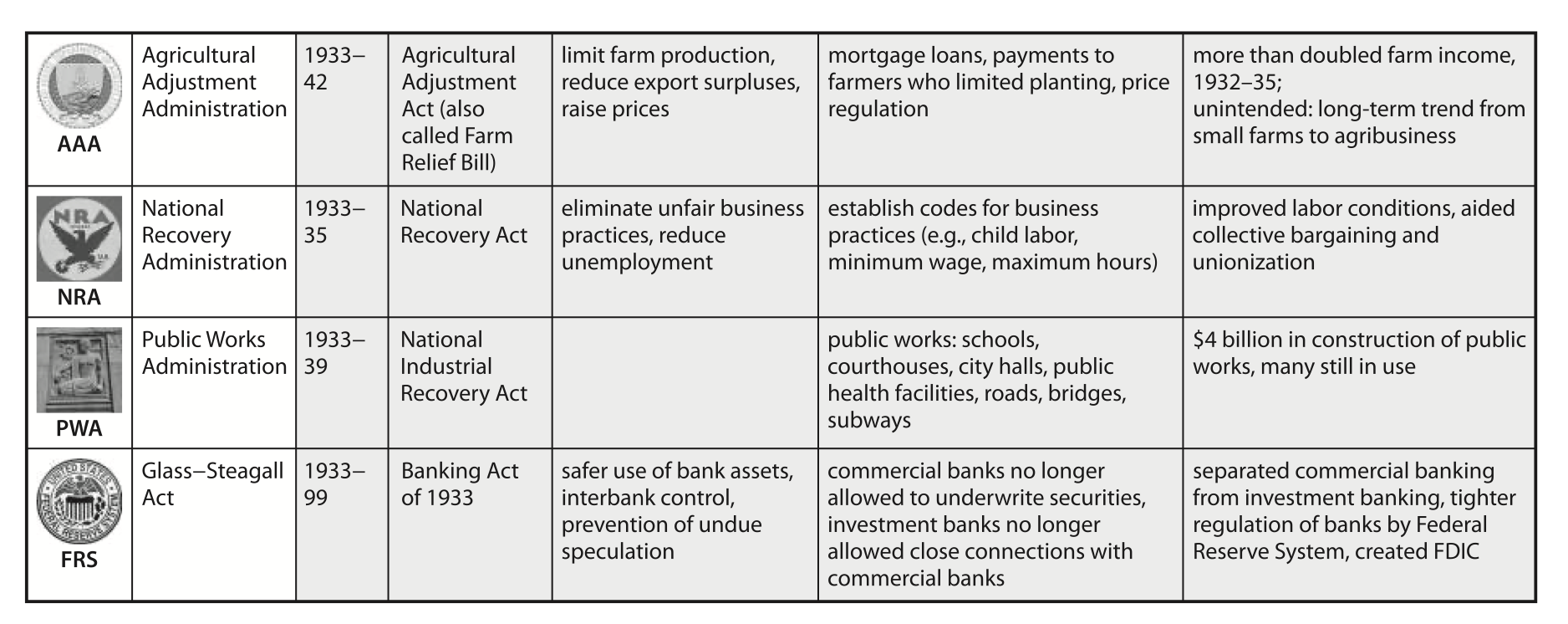
Use the table to answer the question.

Question 9
9.

Question 10
10.

Question 11
11.

Use the excerpt to answer the question.
For nearly four years you have had an Administration which instead of twirling its thumbs has rolled up its sleeves. We will keep our sleeves rolled up. We had to struggle with the old enemies of peace—business and financial monopoly, speculation, reckless banking, class antagonism, sectionalism, war profiteering. They had begun to consider the Government of the United States as a mere appendage to their own affairs. We know now that Government by organized money is just as dangerous as Government by organized mob. Never before in all our history have these forces been so united against one candidate as they stand today. They are unanimous in their hate for me—and I welcome their hatred.
—President Franklin D. Roosevelt, Campaign Address at Madison Square Garden, 1936
Question 12
12.

Question 13
13.

Describe President Roosevelt’s response to the Great Depression and evaluate its effectiveness.
  • Describe the President's response (plan) to help people and the economy
  • Explain the goal/goals of that plan
  • Evaluate (judge) whether or not the plan worked
  • Provide evidence in the form of your explanations (show what you know!)Give an example of how the plan either worked or failed.

Which statements about the stock market during the year and a half before the 1929 stock market crash are correct? Select the two correct answers. (8.13.a)
The average price of most stock increased dramatically.
Cash payment in full was required for all stock purchases.
There was a widespread buying frenzy among investors.
Relatively few Americans had money invested in the stock market.
Which best finishes this sentence? Overproduction of goods by American companies contributed to the Great Depression by.... (8.13.a)
encouraging business to hire more workers
creating large inventories of unsold products
causing an increase of prices in imported goods
paying employees high wages, leading to inflation
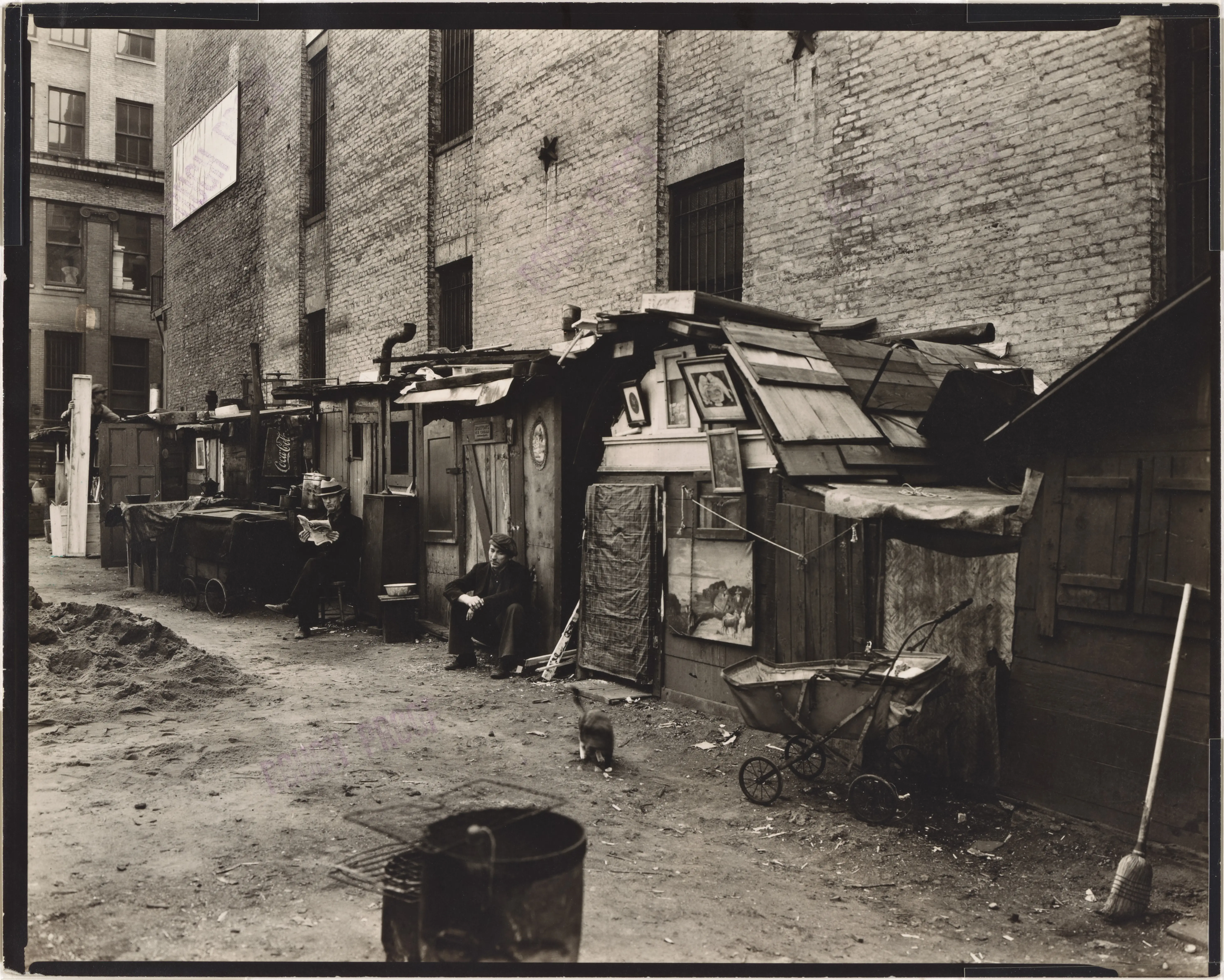
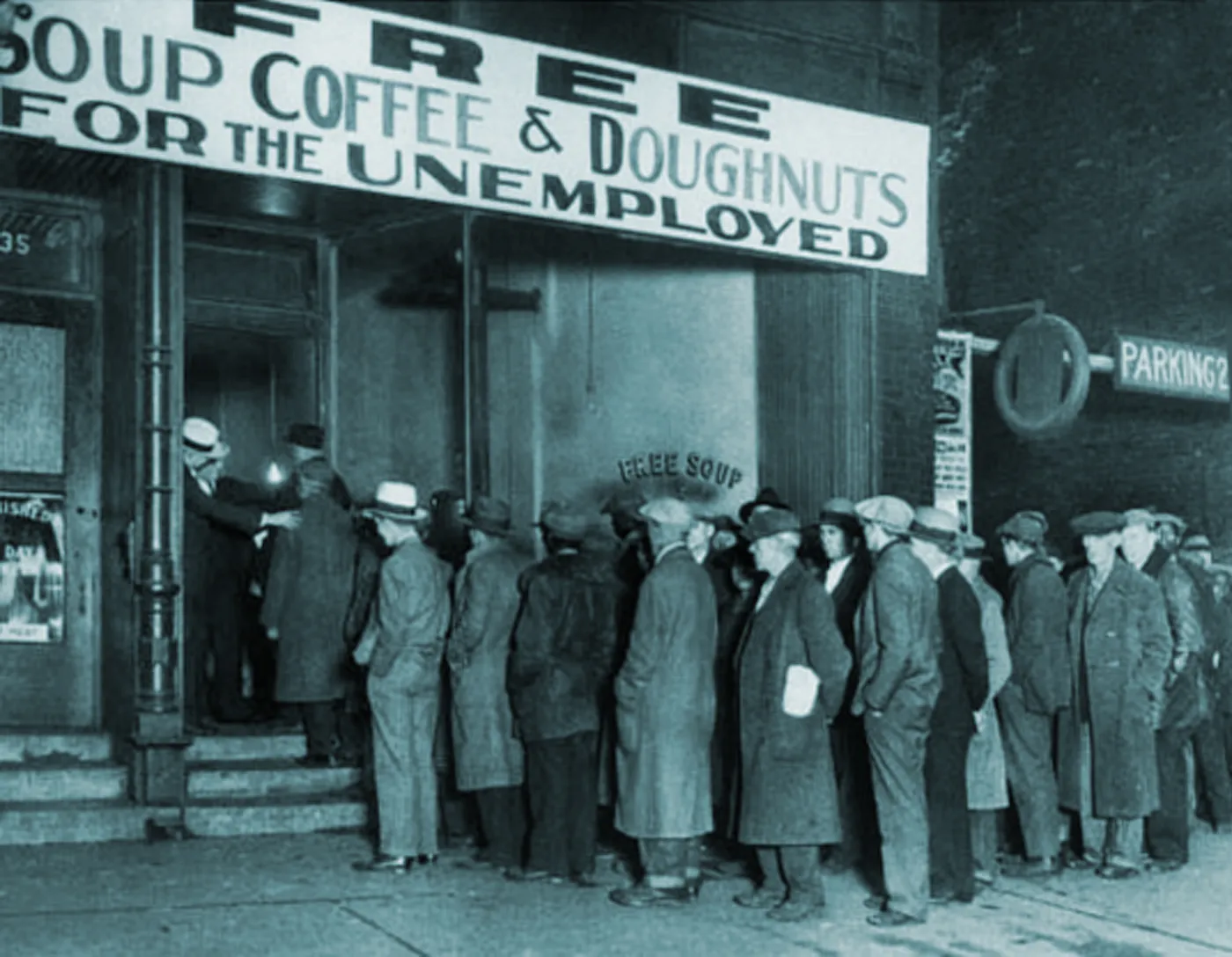
Use the image to answer the question.


Which statement is supported by the image? (8.6.a, 8.13.b)
The Great Depression led to widespread hunger and poverty.
The stock market crash of 1929 caused the Great Depression.
The Great Depression impacted mainly urban factory workers.
During the Great Depression, GDP increased by more than one-third.
What was a result of the Smoot-Hawley Tariff? (8.13.a, 8.13.d)
U.S. exports increased as the price of American-made goods fell in most other countries.
Panicked depositors caused a bank run, fearing they would lose their life savings.
Unemployment fell sharply, and the United States began to recover from the Great Depression.
Other countries raised their own tariffs on American-made goods, worsening the economic crisis.
Which choice best completes this sentence?
Communities such as the one shown in the image sprang up across the United States because of President Herbert Hoover’s ....
efforts to help residents return to their farms
refusal to provide direct federal aid to the homeless
emergency relief programs to provide food for the poor
support for federal programs to provide jobs for the unemployed
What led to the decline in unemployment after 1933 shown on the graph?
the New Deal
the Smoot-Hawley Tariff
the Share Our Wealth Society
the Reconstruction Finance Corporation
Which statement about President Franklin Roosevelt’s New Deal program is accurate?
Protective tariffs were imposed.
Social welfare programs were expanded.
Government regulation of businesses was reduced.
Government support of farmers and ranchers ended.
Which of these programs was created in the Second New Deal?
Reconstruction Finance Corporation
Tennessee Valley Authority
Social Security
Glass-Steagall
Which information correctly completes the table?
protect bank depositors
encourage collective bargaining
regulate all aspects of securities industry
reduce unemployment, improve purchasing power
What was one of the purposes of the New Deal agency depicted in the image to the right?
produce hydroelectric energy
eliminate unfair trade
reduce export surplus
raise farm prices
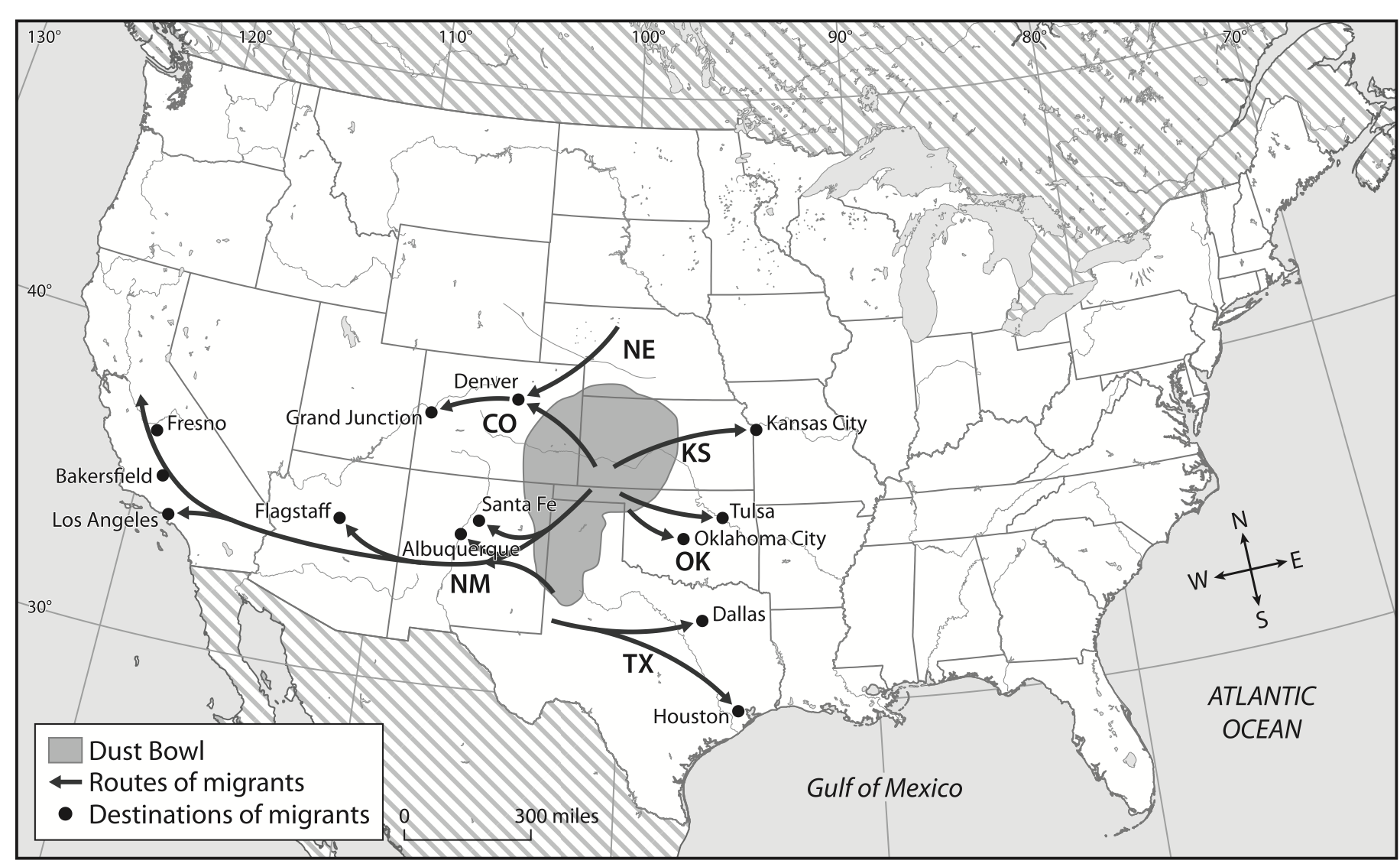
Which statement is supported by the map?
The Great Plains is not suitable for large-scale agricultural activities.
Dust storms were major push factors driving migration from the Great Plains during the 1930s.
Migrants from Dust Bowl regions made better lives for themselves in California and the Upper Midwest.
The experiences of Great Plains farmers during the Dust Bowl era demonstrate the success of government farm subsidy programs.
Based on this excerpt, what is Roosevelt’s message to the American people?
Government is most effective when supported by organized money.
Businesses have been great allies in implementing the New Deal.
The government has successfully ended the Great Depression.
He will continue to fight for them despite great opposition.