TEXT: BEEKEEPING
People love honey, but it is hard to find a natural bee hive. So, beekeepers set up places for bees to live and make honey. Here’s how it is done.
Bees need carbohydrates from flower nectar and protein from pollen to grow and reproduce. They need a place to store their food and grow new bees. This is done in wooden brood boxes with trays where the bees can build honey combs.
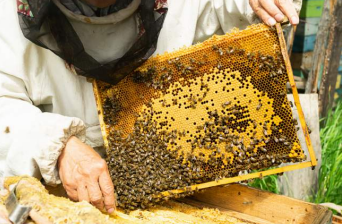
Boxes are set up on stands to keep them dry and keep pests away. Bees need two boxes to provide enough space for their own honey and pollen stores and for the queen to lay eggs for the next generation.
After the bees have nearly filled their own brood boxes, keepers add smaller boxes on top. These are called honey supers. Because bees really are busy, they can produce much more honey than they can eat. This extra honey can be harvested by keepers. Bees get a safe, clean place to grow and we get honey.
Why do beekeepers set up places for bees to live and make honey?
Why do beekeepers set up places for bees to live and make honey?