Copy of Ecosystem - Digital Stations (3/16/2025)

Last updated 7 months ago
26 questions

Energy on the Move


Food webs are diagrams that show the flow of energy among organisms. Arrows
show the direction in which energy flows (moves). Energy from the Sun is
collected by producers to make their food, so plants are usually the first part of a
food web.
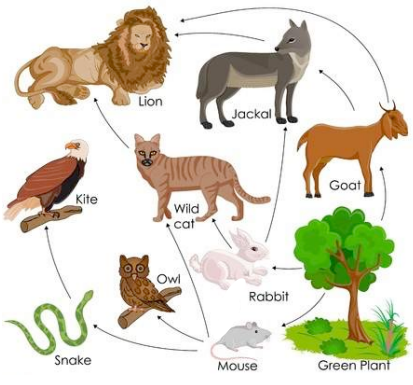
Study the food web on the left. The green plant has 3 arrows coming from it. Energy from the green plant goes to the mouse, rabbit, and goat.

Follow the arrow to the mouse. Energy from the mouse goes to the snake, owl, and wild cat.

Where does the jackal get its energy? Find the jackal. Two arrows are pointed toward the jackal. Jackals get energy from goats and
rabbits. Now take a look at the arrow from the jackal to the lion. Lions get energy from jackals.


Koalas and Ecosystems


An ecosystem is comprised of living and nonliving things that interact in an area.
Biotic (living) components, such as plants, bacteria, and animals interact with
each other. Abiotic (nonliving) components like oxygen, water, soil, and sunlight
impact organisms, too.
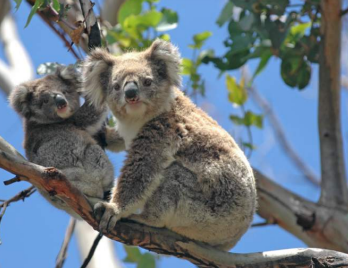
Let’s look at how koalas interact with components of their ecosystem. Native to Australia, koalas spend most of their lives in eucalyptus trees, sleeping and eating leaves for energy and hydration. Koalas rely on eucalyptus trees for shelter, protection, food, and water. Koalas and eucalyptus trees are two living things that interact.

Koalas impact their environment, too. They take in oxygen, are prey to larger mammals, and leave their droppings as nutrients for the soil. Eucalyptus trees then use the nutrients for growth.

Fire has a tremendous impact on koalas. When a bushfire occurs, eucalyptus trees burn and koalas lose their habitat and source of food and water.
1

What do arrows in a food web represent?

1

In the food web shown, what organism gives the kite energy?

1

In the food web shown, which organism gives energy to the goat?

1

List 4 reasons eucalyptus trees are important to koalas.

1

What abiotic (nonliving) component of the ecosystem has a tremendous impact on koalas’ habitat?

Video: Ecosystems


Each ecosystem is made up of living and non-living things that interact and depend on each other for life. Some examples of ecosystems are deserts, tropical rainforests, and grasslands.

Key Vocabulary
• community
• ecology
• ecosystem
• population
• niche
• habitat
1

What four abiotic factors were listed in the video?

1

What three biotic factors were listed in the video?

Video: Food Chains


A food chain is made up of three groups: producers, consumers, and decomposers. They interact with each other in an ecosystem to get the energy they need.

Key Vocabulary
• carnivores
• consumers
• decomposers
• food chain
• food web
• herbivores
1

Which type of organism is at the bottom of the energy pyramid?

1

Which type of organism is at the top of the energy pyramid?

1

What was the bearded dragon’s source of energy in the video?

Explore It!


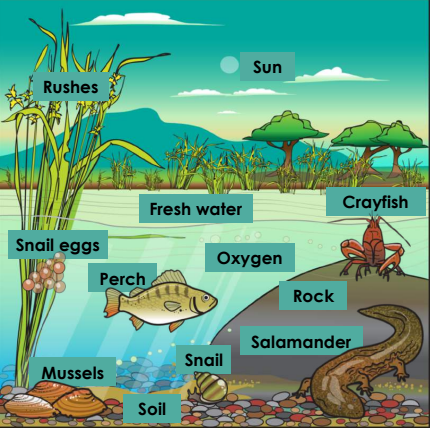
1. Observe the image of a stream ecosystem.


2. On your Student Sheet, list all components in the table and answer the question.

6

Drag the different components of the ecosystem to either biotic (living) or abiotic (nonliving).

  • mussels
  • salamander
  • soil
  • snail
  • rock
  • snail eggs
  • sun
  • Perch
  • crayfish
  • fresh water
  • Oxygen
  • rushes
  • Living (biotic)
  • Nonliving (abiotic)
1

According to the image, how might rushes help snails?

1

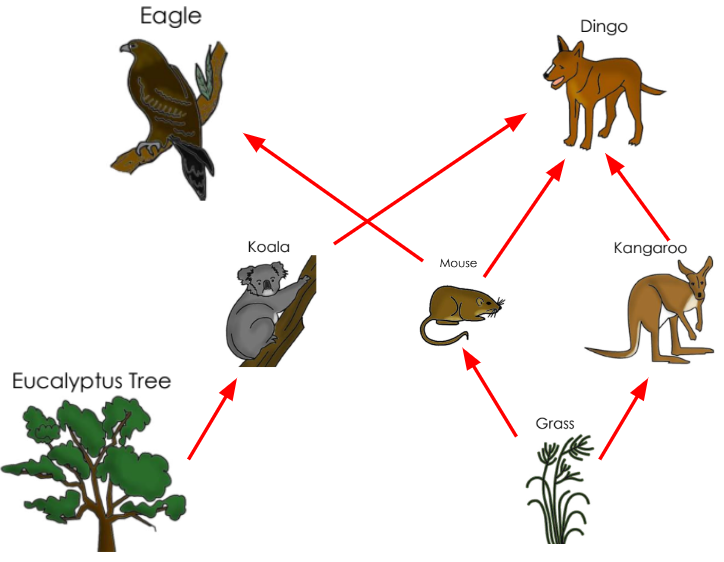
Use the food web below to match the animal to their diet.

Draggable itemCorresponding Item
Koala
eucalyptus leaves
Dingo
grass
Mouse
mice, koalas, kangaroos
Eagle
mice
Kangaroo
leaves and grass
1

Match the ecosystem scenario photo card with the card that best matches the description card.

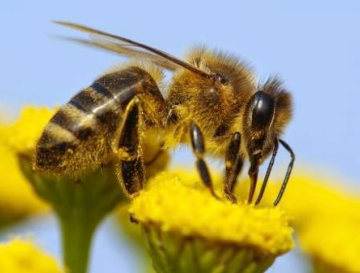
  • A bee receives food from a flower.

    A flower takes in carbon dioxide from the air for photosynthesis.
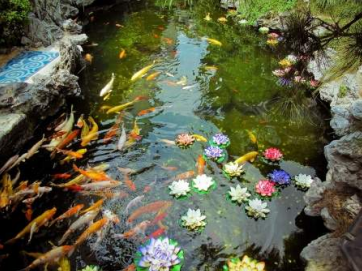
  • Bacteria in the pond break down decaying matter.

    Fish obtain oxygen through their gills.
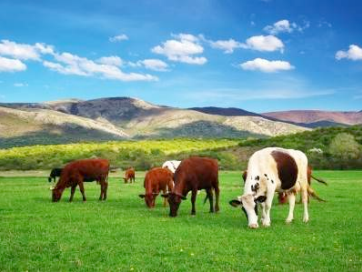
  • Cows compete for space if there is not enough grass available for grazing.
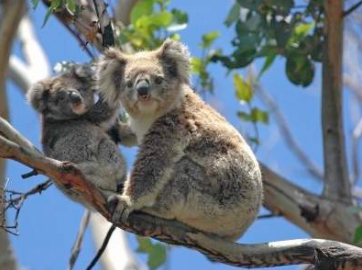
  • Koalas spend most of their time in eucalyptus trees.

    Koalas get water and energy from the leaves they eat.
1

Decide if each interaction from the descriptions below are nonliving and living
interacting or living and living interacting.

living and living
interacting
nonliving and living interacting
A bee receives food from a flower.
A flower takes in carbon dioxide from the air for photosynthesis.
Bacteria break down decaying matter.
Fish obtain oxygen through their gills.
Grass grows due to energy from the sun.
Cows compete for space if there is not enough grass available for grazing.
Koalas spend most of their time in eucalyptus trees.
Koalas get water and energy from the leaves they eat.
3

Sort the items below as either consumers, producers, or decomposers.

  • consumers
  • producers
  • decomposers

Explain It!


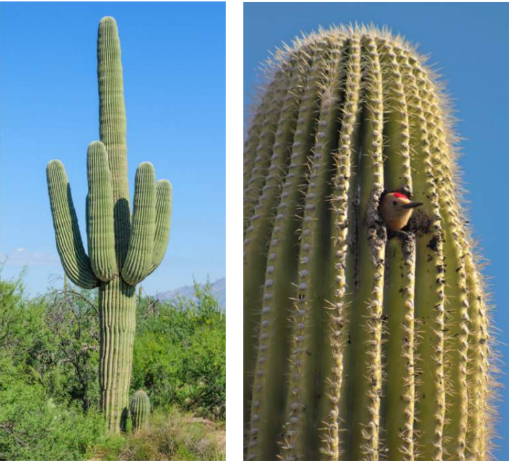
Giant saguaro cacti can be found across the Sonoran desert. These cacti can be up to 50 feet tall! To survive, gila woodpeckers rely on these giant saguaros.

Gila woodpeckers primarily eat insects and cactus fruits and fall prey to hawks, bobcats, snakes, and coyotes.

When it’s time to nest, mother and father gila woodpeckers excavate a cavity (hole) high up in the saguaro cactus. Inside, they can safely lay eggs and raise their young.
1

Is a gila woodpecker a carnivore,
omnivore, or herbivore?

1

Is a giant saguaro woodpecker a producer, consumer, or decomposer?

1

Is the relationship between the saguaro cactus and gila woodpecker between a living and nonliving thing or between two living things?

1

What does the saguaro cactus provide to the gila woodpecker?

Analyze It!

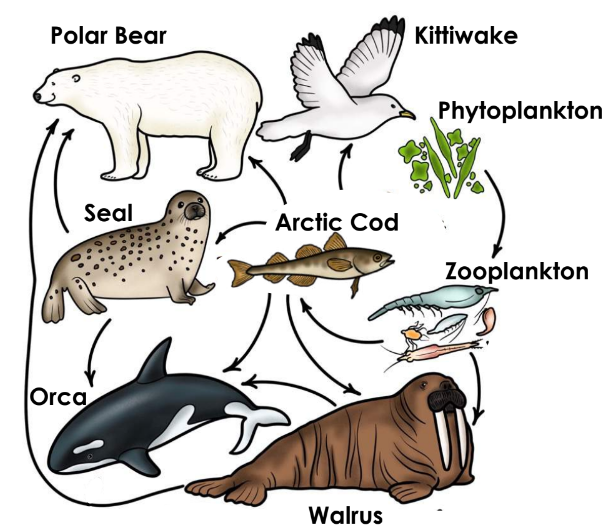
Closely observe the Arctic food web below.

1

What is the producer in this food web?

1

Which organism consumes phytoplankton?

1

Which 3 animals provide energy to the orca?

1

What does a kittiwake eat?

1

Which 2 animals provide energy to the
walrus?

1

How many consumers are in this food web?