Log in
Sign up for FREE
arrow_back
Library

STAAR Review - Ecosystems

star
star
star
star
star
Last updated about 1 year ago
33 questions
1
5.9.C
1
5.12.B
5.9.C
1
5.12.B
5.9.C
1
5.12.B
5.9.C
1
5.12.B
5.9.C
1
5.12.B
5.9.C
1
5.12.C
5.9.C
1
5.12.C
5.9.C
1
5.12.C
5.9.C
1
5.12.C
5.9.C
1
5.12.C
5.9.C
1
5.12.C
5.9.C
1
5.12.C
5.9.C
1
5.12.C
5.9.C
1
5.12.C
5.9.C
1
5.12.A
5.9.C
1
5.12.B
5.9.C
1
5.12.C
5.9.C
1
5.12.A
5.9.C
1
5.9.C
1
5.12.A
5.9.C
1
5.12.C
5.9.C
1
5.12.B
5.9.C
1
5.12.B
5.9.C
1
5.12.B
5.9.C
1
5.12.C
5.9.C
1
5.12.C
5.9.C
1
5.12.B
5.9.C
1
5.12.C
5.9.C
1
5.12.B
5.9.C
1
5.9.C
1
5.12.C
5.9.C
1
5.12.C
5.9.C
Question 1
1.
_____________ – an organism that eats other organisms (plants and or animals) for food

_______________ – an organism that gets energy by feeding on dead materials and waste

______________ – to rely on someone or something else

______________ – a unit consisting of living organisms and the environment that they live in

____________ – the place where an organism lives; habitats supply the organism with food, shelter, moisture, and temperature for survival
Other Answer Choices:
Consumer
Ecosystem
Decomposer
Dependent
Habitat
Question 2
2.
_______________ – a representation of the flow of energy from the Sun through producers to consumers and decomposers in an ecosystem

_____________ – representation of overlapping food chains in an ecosystem; includes the flow of energy from the Sun through producers to consumers and decomposers through multiple pathways

___________________ – having too many people or organisms in a particular area, straining available resources and impacting the environment

___________________ – process by which producers / plants use the energy in sunlight to create their own food

_____________ – an organism that makes its own food (e.g., plants)
Other Answer Choices:
Food web
Food chain
Overpopulation
Producer
Photosynthesis
Question 3
3.

Question 4
4.

Question 5
5.

Question 6
6.

Question 7
7.

Question 8
8.

Question 9
9.

Question 10
10.
During the construction of a mall, a lake was filled in. This impacted organisms that - __________
Question 11
11.
Too many cows can be harmful to their ecosystem because they could - __________
Question 12
12.

Question 13
13.

Question 14
14.

Question 15
15.

Question 16
16.

Question 17
17.

Question 18
18.

Question 19
19.

Question 20
20.

Question 21
21.

Question 22
22.

Question 23
23.

Question 24
24.

Question 25
25.

Question 26
26.

Question 27
27.

Question 28
28.

Question 29
29.

Question 30
30.

Question 31
31.

Question 32
32.

Question 33
33.

Select the three things that environments provide to animals and plants.
Land
Water
Air
Minerals
Nests
Food
When beavers construct their dams, there are helpful effects and harmful effects to the habitat. Sort these effects as either helpful or harmful.
Aquatic species such as fish, turtles, and frogs will benefit from increased amounts of water.
Life downstream of the pond will suffer due to the decreased water flow in the stream caused by the dam.
Helpful Effects
Harmful Effects
Think of a prairie habitat with buffalo, deer, wolves, rabbits, and lots of grasses. What might happen in the ecosystem if the wolves were trapped and removed? Select all that are true.
The amount of grass would increase
The number of rabbits would increase
The amount of grass would decrease
The number of deer would increase
The number of deer would decrease
The number of rabbits would decrease
If humans over-hunted a population of insect-eating birds, what immediate change would happen?
Increased populations of insects
Migration of small mammals
Severe loss of vegetation
Increased seedling germination
If humans cleared a forest and built homes , which of the following would happen to the forest?
Increased insect populations
More frequent thunderstorms
More development of soil
Fewer tree-dwelling animals
A factory polluted the water supply in an area, what change can be observed in that ecosystem?
Local trees growing taller
New insects moving into the region
Fewer pond plants and animals
More birds nesting in trees
What is a negative result from bringing pigs to the Hawaiian rainforest ecosystem?
More plant vegetation for animals to eat
Fewer plants to hold soil in place
More kinds of insect species
Increased destruction by volcanoes
How could beavers building a dam cause an increase in fish population? The dam -
blocks a river and creates a large lake
removes trees from around the river
forces many birds to leave the ecosystem
causes predators to hunt more fish
How might removing the alligators from a swamp habitat create a decrease in vegetation?
More plant-eating animals would survive.
Meat-eating animals would begin eating plants.
The plants in the swamp would get more sunlight.
Plants would not be able to spread their seeds.
A highway is built through a forest. How will this affect the organisms in the area?
Eliminate all species of plants found in the forest
Increase the number of bird species in the forest
Make it difficult for animals to move through the forest
Raise the birth rate of animals on the forest floor
Scientists found that raccoon populations increased where houses were built. Why is this?
Raccoons lost their natural source of water
Raccoons found more food living near people
The people brought many predators to the habitat
Building houses destroyed the raccoons’ habitat
Sort the items on the left to the matching definition on the right.
Invasive
Environment
Extinction
Community
A nonnative animal that moves into a new place
The space, condition, living and non-living things around an organism
A species or group of animals that disappear and are no longer found
Groups of plants and animals that live in the same area and interact with each other
Sort the items on the left to the matching definition on the right.
Omnivore
Producer
Consumer
An animal that eats both plants and animals
A plant that makes its own energy
Animals that do NOT make their own energy
Select all three of the following effects of deforestation in the Amazon Rain Forest.
More rainfall will occur.
Less oxygen will be produced.
Soil will be eroded.
Bird and animal populations will decrease.
Select all three effects of overgrazing.
Wind and water erode the soil.
Animals consume producers faster than they can reproduce.
The ecosystem stays healthy and balanced.
Fertile land can turn into desert.
Each of the following can result in reduction or contamination of aquifers except -
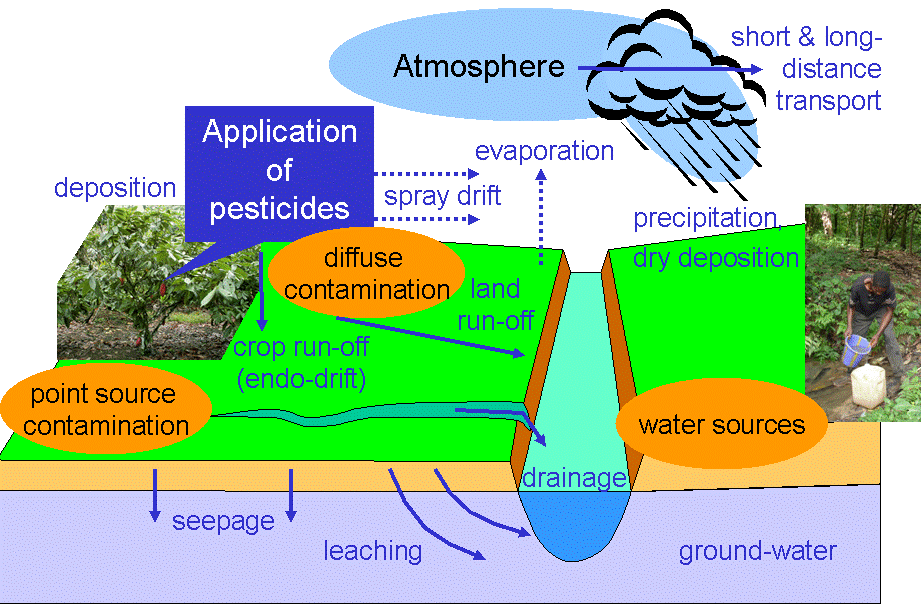
Pollution in water run-off.
Pumping of water for irrigating crop fields.
Swimming, fishing, and snorkeling.
Lower average precipitation across 5 years.
Overpopulation occurs when there are more organisms than environments can sustain. This -
causes severe traffic jams to watering holes
destroys the country of Canada.
causes a disruption to the food chain.
impacts evaporation, condensation, and precipitation.
Human interaction such as building roads, homes, and fences causes which of the following?

Select ALL that are true.
allow animals to thrive since humans will care for them.
severely change/disrupt food webs.
create new habitats for the plants and animals there.
keep animals from safely traveling through the environment.
If all producers (plants) are removed from an environment what will be a logical result?
Animal populations will stay the same.
Animal populations will increase.
Animal populations will decrease.
Animal populations will thrive.
What is the effect of a new, stronger plant to an environment?
The native, slower growing plants will increase.
The native, slower growing plants will stay the same.
The native, slower growing plants will decrease.
The native, slower growing plants will migrate away.
What happens when a new consumer is introduced into an environment?
Producer populations will decrease due to overgrazing
The new consumer competes for food with the old consumers.
More producers start growing to keep up with demand.
The new consumer eats something that old consumers don't.
What happens as humans destroy animals' environments?
Animals build space ships and move to Mars.
Animals populations decrease.
Animal population stay the same.
Animal populations increase.
Select all THREE of the following ways that humans negatively impact the environment.
Pollution, deforestation, and overgrazing.
Planting new trees and protecting land in natural parks.
Building roads, houses, and buildings.
Destroying the natural habitats of plants and animals.
Woodpeckers are native to Texas. Select all THREE of the negative impacts for Woodpeckers.
Losing their forest habitat to deforestation
An increase in tree-based insects.
Competition with other woodpeckers due to fewer food sources
Losing food sources due to deforestation
When human interaction in an environment occurs all of the following are options except
Organisms can adapt.
Organisms can perish.
Organisms can keep doing the same thing.
Organisms can migrate.
What happens when you remove prey from a grassland ecosystem?
The population of predators will stay the same.
The population of predators will decrease.
The population of predators will adapt, migrate, or perish.
The population of predators will increase.
Select the correct definition for each word.
The number will go down.
The number will go up.
Decrease
Increase
Humans are part of the ecosystem and therefore impact it. Which of the following events in an ecosystem may produce a negative effect?
A lumber company clearing a forest
Restoring a natural habitat
Wildlife rangers minimizing disturbances
Preventing deer from depleting food resources
Which of the following is a way humans can positively impact ecosystems?
Waste dumping
Industrial pollution
Using biodegradable products
Overhunting animals