Select all the decomposers from the list below.
Select all the decomposers from the list below.
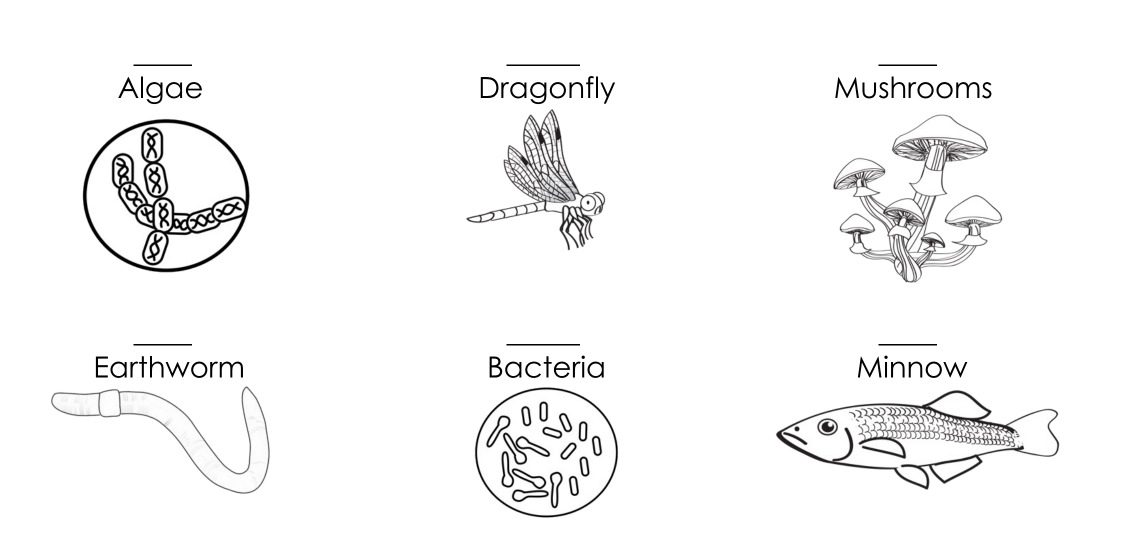
Select all the decomposers from the list below.
Complete the diagram with the matter exchanged between producers and consumers during photosynthesis and respiration.
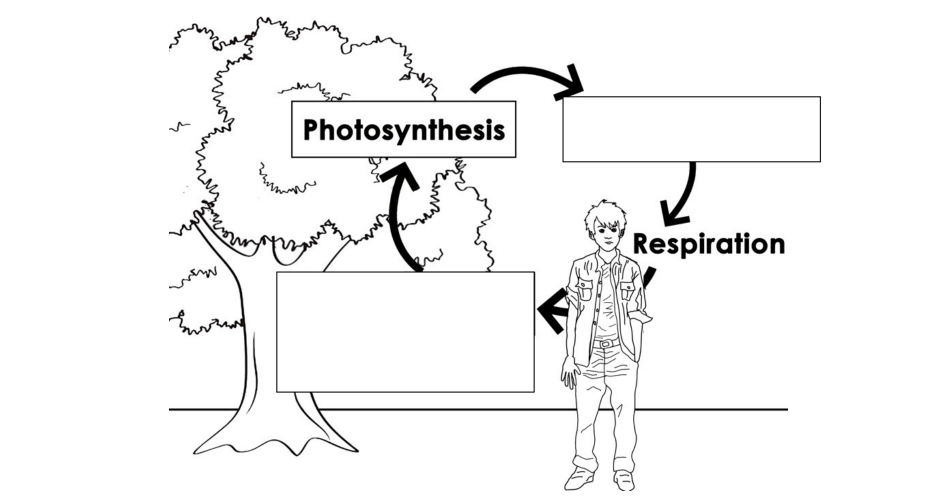
How do producers, consumers, and decomposers work together in a garden ecosystem?
Match the term with its definition.
| Draggable item | arrow_right_alt | Corresponding Item |
|---|---|---|
Organic matter | arrow_right_alt | Organisms that break down decaying matter |
Decomposers | arrow_right_alt | Substances needed to grow |
Nutrients | arrow_right_alt | Gas humans inhale |
Oxygen | arrow_right_alt | Gas humans exhale |
Carbon dioxide | arrow_right_alt | Animal waste and decaying organisms |
Here's a simplified overview:
Animal Waste Production: Animals produce waste, which includes feces, urine, and other organic materials.
Decomposition by Fungi: Fungi, along with bacteria, play a crucial role in breaking down these organic materials. They secrete enzymes that break down complex organic compounds into simpler substances.
Nutrient Release: As fungi decompose the waste, they release nutrients such as nitrogen, phosphorus, and carbon back into the soil.
Nutrient Uptake: Plants absorb these nutrients from the soil, which helps them grow. These plants may then be consumed by animals, continuing the cycle.
This process is essential for nutrient cycling in ecosystems, ensuring that organic matter is recycled and made available for other organisms. 🌱
How does matter move between animal wastes and fungi?
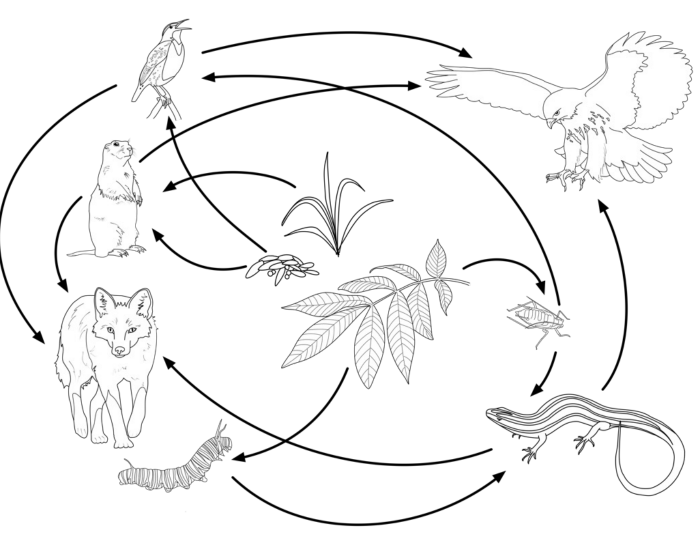
Producer | Consumers | |
|---|---|---|
Lizard | ||
Cricket | ||
leaves | ||
Wolf | ||
Caterpillar | ||
Seeds | ||
Grasses | ||
Prairie Dog | ||
Robbin | ||
Hawk |
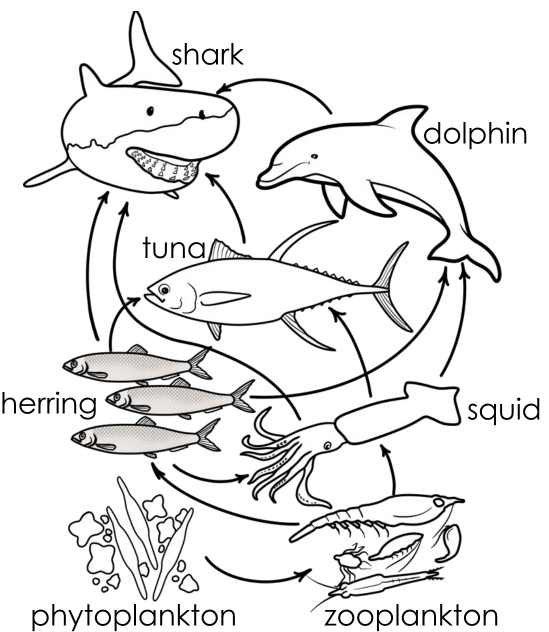
A partial ocean food web is shown.
Where does the energy from the phytoplankton flow next?
Which organism is the apex predator?
How many organisms receive energy directly from producers?
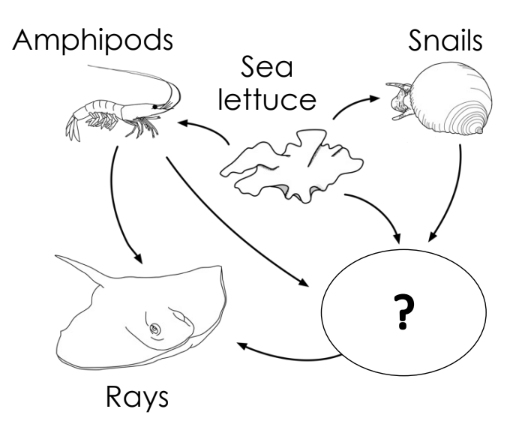
How would the organism represented by the question mark be classified?
Match the term with its definition.
| Draggable item | arrow_right_alt | Corresponding Item |
|---|---|---|
Consumer | arrow_right_alt | An organism that makes its own food |
Omnivore | arrow_right_alt | An organism that must eat for energy |
Carnivore | arrow_right_alt | A consumer that eats only plants |
Producer | arrow_right_alt | A consumer that eats only animals |
Herbivore | arrow_right_alt | A consumer that eats plants and animals |
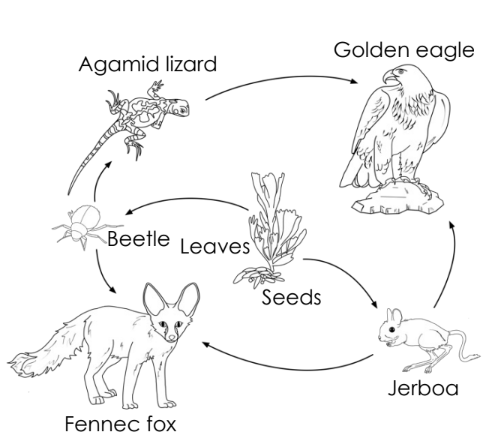
Use the food web below to answer the questions.
How many organisms are consumers?
Using the food web below, identify each organism as a producer or consumers.
Which organisms obtain at least some energy directly from producers?