This is a picture of a moth.
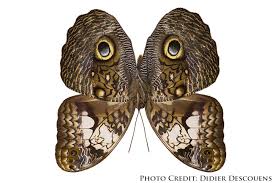
It is using to survive.
Mmuae Afoforo a Wobɛpaw:
camouflage
mimicry
countershading
Adaptations can be physical (what you see) or behavioral (actions taken to survive), both helping organisms thrive in their environment.
Physical Adaptations: These are physical features of an organism, like the shape of a bird's beak, the color of a mammal's fur, or the thickness of fur, that help them survive.
Behavioral Adaptations: These are actions or behaviors that an organism takes to survive, such as migration, hibernation, or building a nest.
Physical adaptations are something the animal has physically. Which one of adaptations below is a physical adaptations?
A(n) is a trait that helps an organism in the environment.
An adaptation of flowers to attract bees and other animals for the purposes of pollination is .
This is a picture of a moth.
It is using to survive.
Selective breeding is a human-directed form of breeding where individuals with specific traits are selected to mate, aiming to enhance or create desired characteristics in offspring. The goal is to improve crops, livestock, or other organisms for specific purposes, such as increased yield, disease resistance, or specific physical traits. Breeders choose parents with the desired traits and encourage them to reproduce, passing on those traits to the next generation.
Examples in Agriculture: Selective breeding has led to the development of crops like corn and wheat with higher yields and better taste, and livestock like cows with higher milk production.
Examples in Animal Breeding: Dogs have been selectively bred for various traits, including size, temperament, and working abilities.
Which of the following is part of the process known as selective breeding (artificial selection)?
Artificial selection is the passing on of desirable traits. Humans are the ones that select these traits. There is a change in the desired organism's DNA from the rest of the population. Which scenario is an example of how this process happens?
Genetic engineering is a research field that tries to find ways to change the
genetics of living organisms so that the organisms have more desirable traits to
people.
This technology has led to less crop damage and increased farm production.
This allows farmers to produce more food on less land. Crops have also been
engineered that produce better tasting food with a longer shelf life.
Farming is not the only field that benefits from genetic engineering. Advances in
medical research have improved life for people with certain diseases. Diabetes is
a disease that limits the body’s ability to create or use an important hormone
called insulin. Insulin is important because it helps to remove sugar from the
bloodstream and put it in cells where it can be used by the mitochondria to
produce energy. Until a few years ago, insulin was extracted from non-human
sources. It worked, but was not a perfect solution to the problem. In recent years
scientists have found ways to engineer (create) human insulin using bacteria.
The human gene that produces insulin is inserted into bacteria. The bacteria then
produce human insulin as they reproduce. The insulin is then harvested from the
bacteria and used in patients so that people with diabetes can have a more
normal life.
Selecting the sweetest, largest type of apple and continuing to grow that specific type only is an example of biotechnology.

Gene technology has three main ways organisms with desired traits are developed. What is Not one of these?
Over the past 40 years, scientists have found a way to alter the DNA of organisms to modify the traits of an organism. This means that traits can be created that do not already exist in the present population. Genetic engineering is the process in which a piece of DNA is modified for use in research, medicine, agriculture, or industry. DNA includes the code for the trait that is desired. From there, scientists can set one portion of the DNA aside, change it, and return it back to the organism it came from or even a new organism.
Genetic engineering can be used to improve the medicine available to patients as well as the food crops available to the general public. Genetic engineering helps farmers meet the demands of the public more cheaply and efficiently. For example, sugar beets provide most of the sugar consumed in the United States. Farmers were struggling to meet the demands of the public, and their crops were destroyed by harmful pests. Using genetic engineering, a pest-resistant sugar beet plant was developed. This helped farmers to grow large amounts of sugar beets which helped meet the public's needs.
Genetic engineering is also used for the purpose of creating medications for patients who need them. For example, insulin is created for patients with diabetes using a bacterium. Insulin is an essential protein that people with diabetes need but do not produce. The gene in charge of creating insulin can be inserted into the DNA of the bacterium. This causes the altered bacterium and its offspring to create insulin that humans can use. As the bacterium reproduces, more and more insulin is produced.
is a type of biotechnology that can create organisms with desired traits without the trait currently being present in the population. An organism’s can be modified to include a new trait that will make the organism more desirable.
Receiving a bite from an infected mosquito is one of the ways malaria, a life-threatening disease, is spread. Which of the following describe a way genetic engineering could possibly be used to help?