U4D7 Discriminant and Quadratic Formula 3/19
star
star
star
star
star
Posljednje ažuriranje about 1 year ago
20

1
1
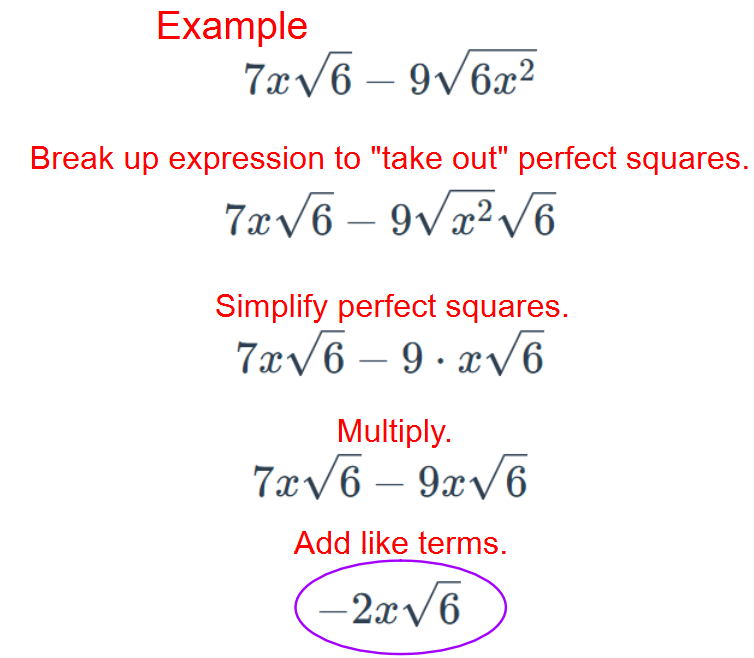
Express in simplest radical form.
Express in simplest radical form.
Express in simplest radical form.
Express in simplest radical form.
Express in simplest radical form.
Express in simplest radical form.
Before finding the discriminant, set the equation equal to 0. Keep the lead coefficient positive. Write the equation in standard form.
Which equation is equivalent to the given equation?
Before finding the discriminant, set the equation equal to 0. Keep the lead coefficient positive. Write the equation in standard form.
Which equation is equivalent to the given equation?
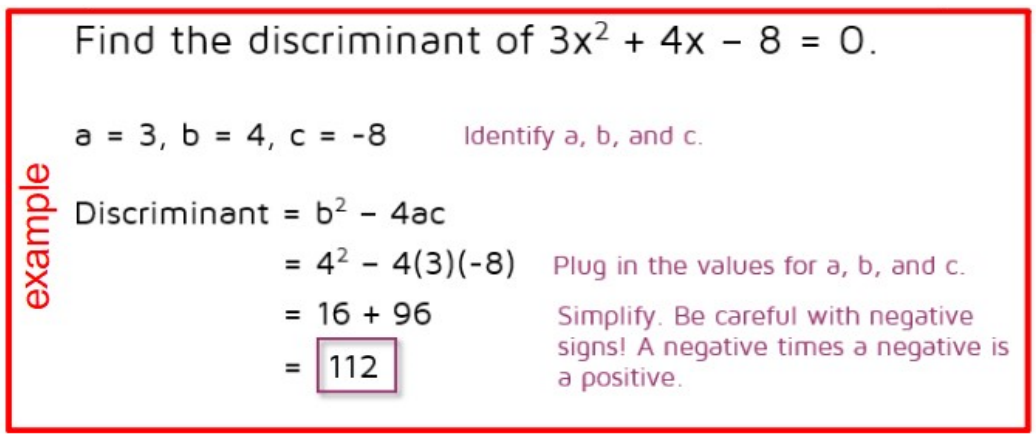
After we get our equation equal to zero, identify a, b, and c. Then evaluate the discriminant.
a =
b =
c =
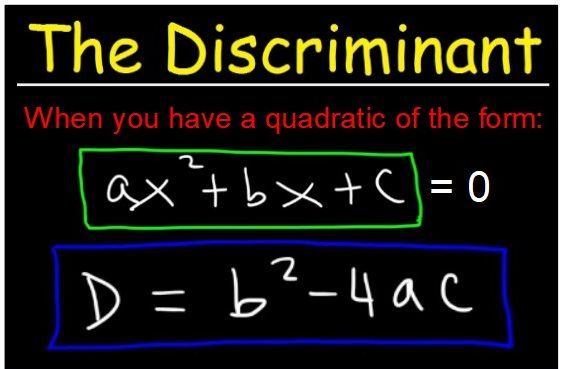
Discriminant = b2 - 4ac
Discriminant =
After we get our equation equal to zero, identify a, b, and c. Then evaluate the discriminant.
a =
b =
c =
Discriminant = b2 - 4ac
Discriminant =
Set the equation equal to zero to identify a, b, and c. Then evaluate the discriminant.
a =
b =
c =
Discriminant = b2 - 4ac
Discriminant =
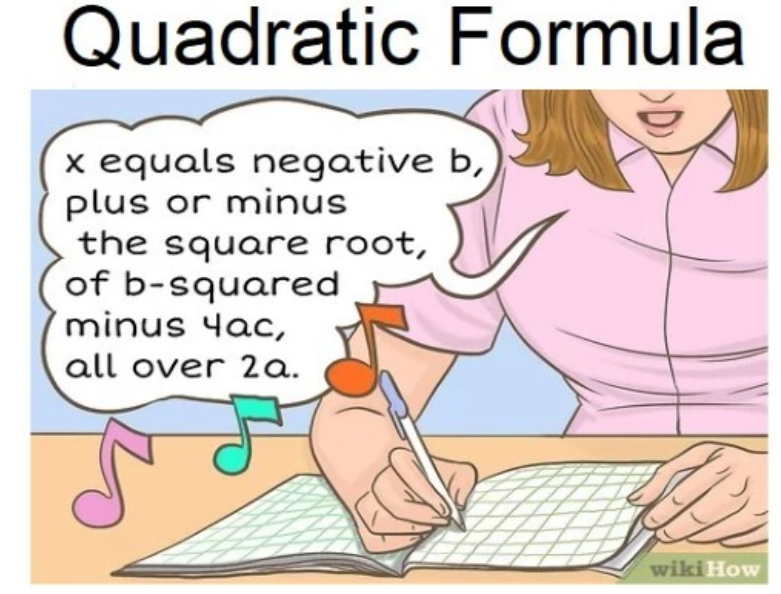
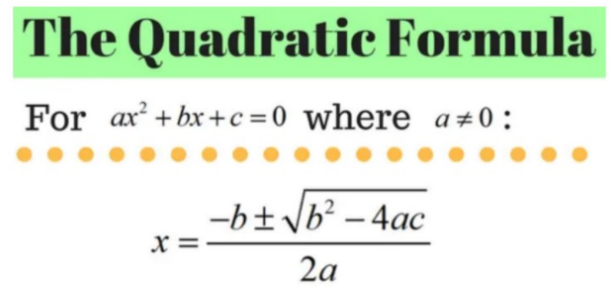
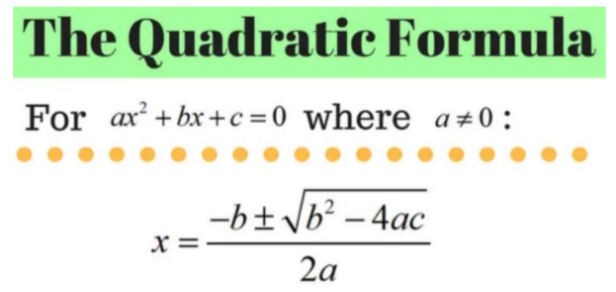
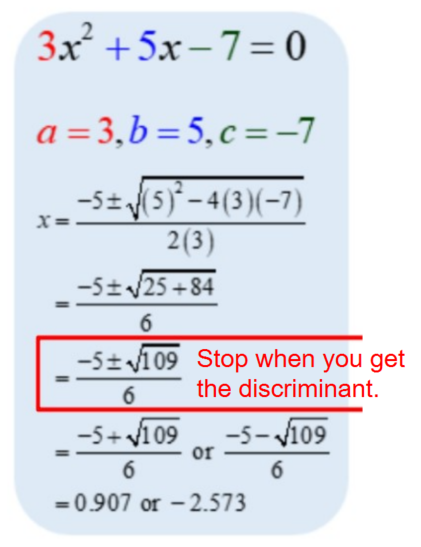
The quadratic formula ALWAYS works. It will always find your solutions.
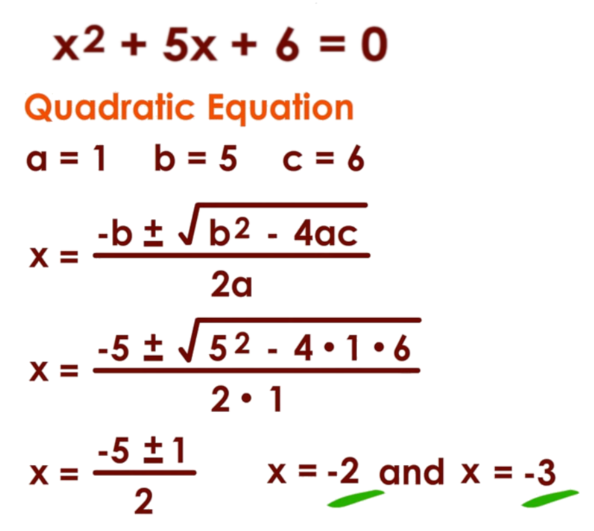
Example:
Use the quadratic formula to solve the quadratic equation.
x =
As you used the quadratic formula to solve:
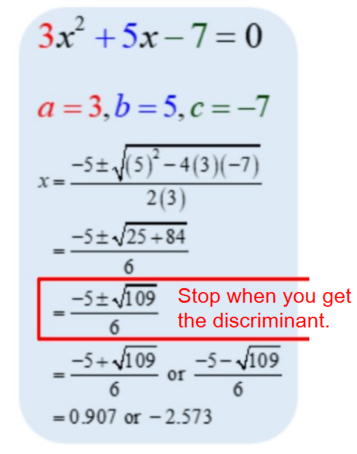
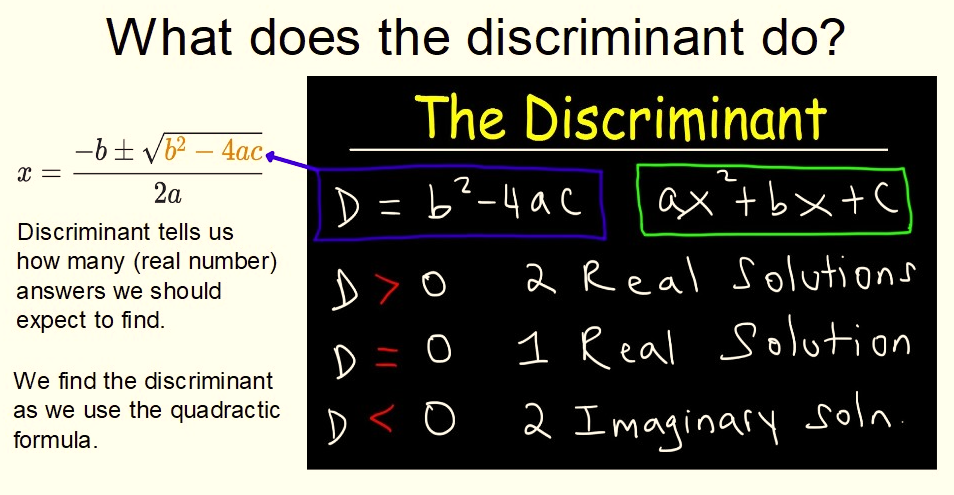
Did you notice the discriminant (under the radical)?
What is the discriminant?
discriminant =
How many real solutions should we expect from 4x2 + x - 2 = 0 ?
Use the quadratic formula to solve the quadratic equation.
discriminant =
So, the quadratic will have
The solutions are:
x =
Use the quadratic formula to solve the quadratic equation.
discriminant =
So, the quadratic will have
The solutions are:
x =
Use the quadratic formula to solve the quadratic equation.
discriminant =
So, the quadratic will have
The solutions are:
x =
Use the quadratic formula to solve the quadratic equation.
discriminant =
So, the quadratic will have
The solutions are:
x =
Use the quadratic formula to solve the quadratic equation.
discriminant =
So, the quadratic will have
The solutions are:
x =
Use the quadratic formula to solve the quadratic equation.
discriminant =
So, the quadratic will have
The solutions are:
x =
Express in simplest radical form.
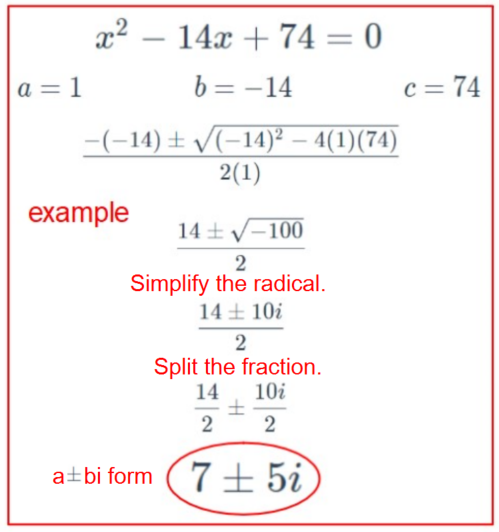
Write your answer as a + bi .