Log in
Sign up for FREE
arrow_back
Library
World War II Unit Quiz
By Jacqueline Hennessy
star
star
star
star
star
Share
share
Last updated 11 months ago
25 questions
Add this activity
Instructions
choose the best answer
3
3
3
3
3
3
3
3
3
3
3
3
3
3
3
3
3
3
3
3
3
3
3
3
3
Question 1
1.
Which of the following is a long term cause of WWII?
The rise of dictators
A weak League of Nations
The world was suffering from a great depression
All of the above
Question 2
2.
A totalitarian regime can be described as
A government ran by the people
A government that has complete control over all aspects of life
A system very similar to anarchy (no formal government)
An economic system in which the people own businesses
Question 3
3.
Why did Britain and France appease Hitler at the Munich Conference?
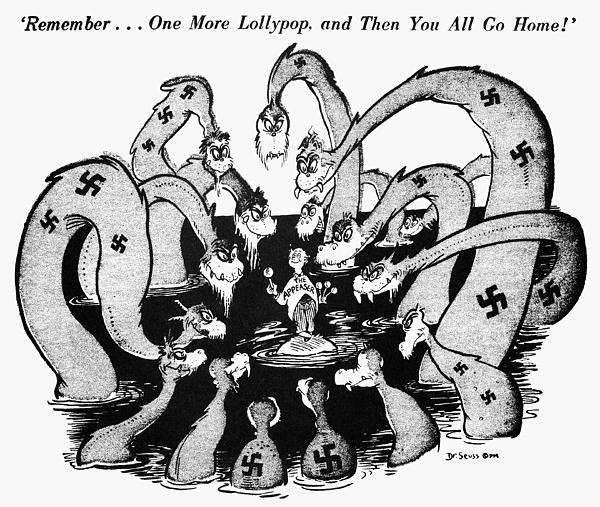
They wanted him as an ally to fight the United States
They wanted to prevent entering into another war
They didn’t think anything he was doing was wrong
He was violating the Treaty of Versailles which they disliked anyway
Question 4
4.
Which headline refers to the immediate cause of WWII?
“Hitler Becomes Chancellor of Germany!”
“Germany and USSR Invade Poland!”
“Archduke Ferdinand is Assassinated!”
"The First Atomic Bomb Used in War!"
Question 5
5.
How did the United States respond to the outbreak of World War II?
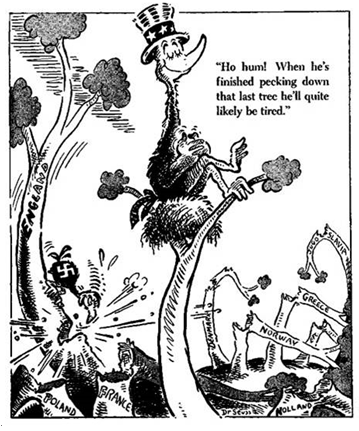
Dropped 2 atomic bombs on Japan
Declared their neutrality
Gave weapons to Allied Powers ONLY
All of these
Question 6
6.
Which US international policy was Luce most critical of?
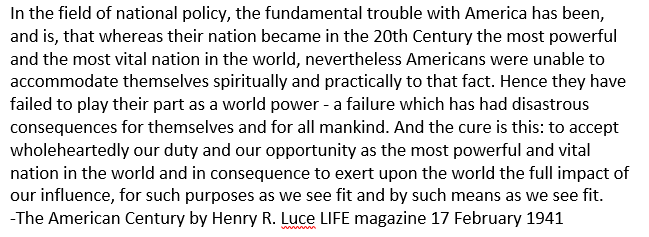
Neutrality Act
US declaration of War
Japanese Internment
Imperialism
Question 7
7.
Which countries helped make up the Allied Powers during WWII?
Germany and Italy
Japan and China
Britain and France
The Soviet Union and Japan
Question 8
8.
Which countries helped make up the Axis Powers during WWII?
Germany and Japan
Britain and France
The US and Italy
The Soviet Union and China
Question 9
9.
How was the US impacted by the outbreak of World War II?
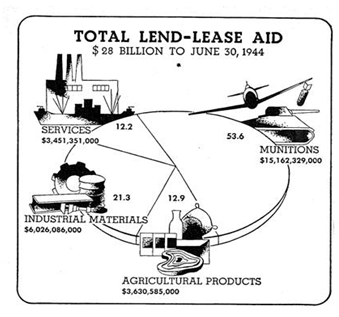
They remained in a deep economic Depression
The economy boomed with the sale of war supplies
This is a trick question, they were not impacted at all
They sold war supplies to Germany and Japan ONLY
Question 10
10.
President Roosevelt used these words to describe the

start of World War II in Europe
surprise attack on Pearl Harbor
D-Day, the invasion at Normandy
the dropping of the atomic bomb on Hiroshima
Question 11
11.
What was the immediate result of the Japanese attack on Pearl Harbor?
The US dropped two atomic bombs on Japan
The United States entered into WWII
World War II began
The invasion of Poland by Germany and the USSR
Question 12
12.
Which statement most accurately describes how World War II affected the home front in the United States?
gasoline was rationed, people planted victory gardens, and the government sold Liberty Bonds to help pay for the war
American homes were bombed, factories were closed, and food production declined
Factory production went down, women lost rights, and Americans lost jobs
Unemployment went up, businesses overproduced, and farms failed
Question 13
13.
What is the primary purpose of the poster below?
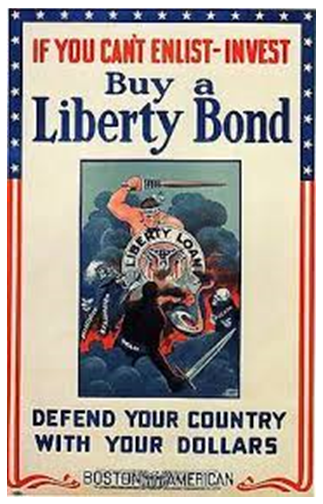
Encourage Americans to remain neutral
To help the government pay for the War
Convince American women to fight on the front lines
To prevent the spread of communism
Question 14
14.
During World War II, this poster was used primarily to:

recruit women into wartime industries
encourage women to fight on the front lines
promote women’s suffrage
support higher education for women
Question 15
15.
Which event directly caused the directions in the flyer?
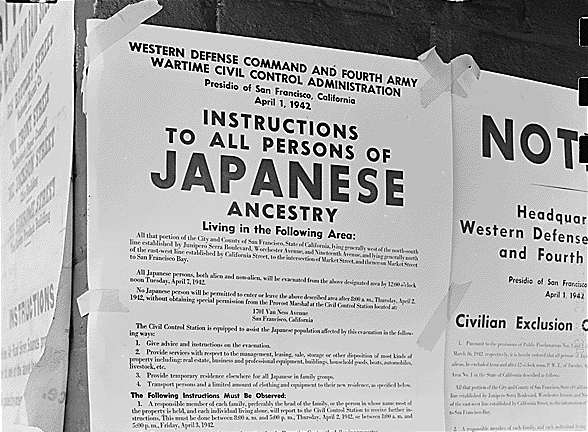
German invasion of Poland
Assassination of Archduke Ferdinand
The attack on Pearl Harbor
The US dropping two atomic bombs on Japan
Question 16
16.
Which idea is illustrated by the Supreme Court case Korematsu vs. U.S.?
The free speech rights of Communists have often been violated
During wartime, limitations on civil rights have been upheld by judicial action
The rights of protesters have been preserved even in times of national crisis
Economic interests of foreign nations are frequently upheld in the US courts
Question 17
17.
Why is D- Day and the Battle of Normandy considered to be one of the turning points in the war in Europe?
Germany surrendered at this battle
It was the reason why the US entered the war
It led to the liberation of France
It was the immediate cause of WWII
Question 18
18.
European Jews and other groups were killed in large numbers by Nazi Germany during World War II. Which term refers to this event?
The Holocaust
Blitzkrieg
Containment
Appeasement
Question 19
19.
This agreement made at the Potsdam Conference led directly to the
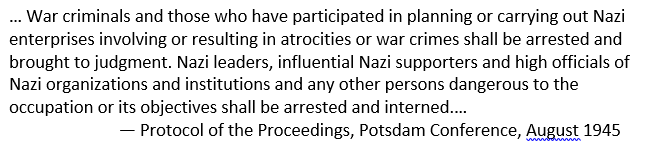
creation of the North Atlantic Treaty Organization (NATO)
trials in Nuremberg, Germany to hold Nazis accountable for war crimes
announcement of the Truman Doctrine
Germany being liberated and free to run itself independently
Question 20
20.
What was the purpose of the US tactic of island hopping?
to try and make Japan in reach of US planes for a possible invasion
allow troops to vacation on many different Caribbean Islands
suicide missions due to the lack of war supplies
its referring to the many different countries the Axis Powers controlled
Question 21
21.
What was the purpose of the Manhattan Project?
Decide how Europe will look after the war
To build the atomic bomb
Britain and France appeased Hitler
The Treaty ending the war was signed here
Question 22
22.
Why did Harry Truman decide to use the atomic bomb?
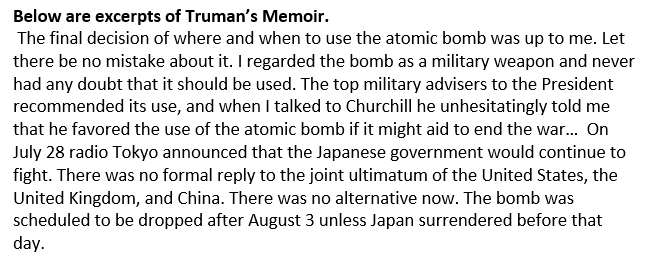
It would shorten the war
It would prevent an invasion of Japan
It would save the US money and troops
ALL OF THE ABOVE
Question 23
23.
What is the purpose of the United Nations?
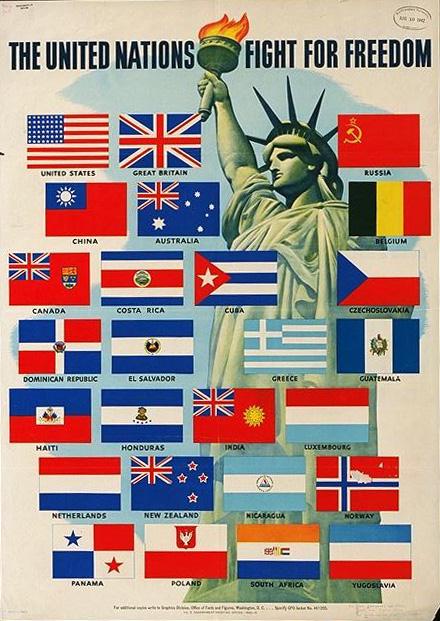
A group of countries working together to prevent future world war.
The US returned to a policy of isolation after World War II
C. It was a way for the US to rule the world
D. All of these
Question 24
24.
What conclusion can be made from the information in the chart?
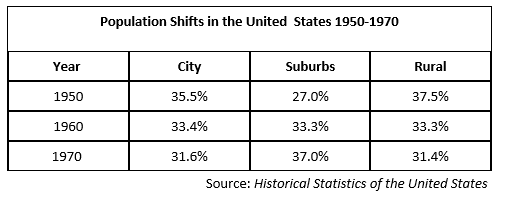
increased immigration led to the growth of cities
the suburbs were seen as the best place to live
economic growth through living on farms
better education opportunities within city schools
Question 25
25.
Which of the following had a direct impact with the trend shown in the chart?
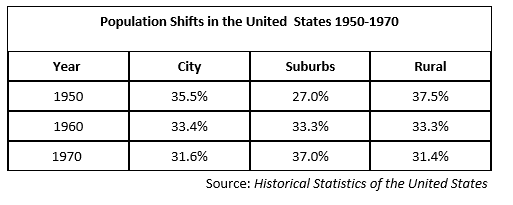
The invention of the railroad in 1947
The building of the Interstate Highway System
The Homestead Act which gave away 160 acres of land
Increased government money spent on education for inner city school kids