Year 8 Rocks
star
star
star
star
star
Last updated about 1 year ago
20 Nsɛmmisa
1
1
1
1
1
1
1
1
1
1
1
1
1
1
1
1
1
1
1
6
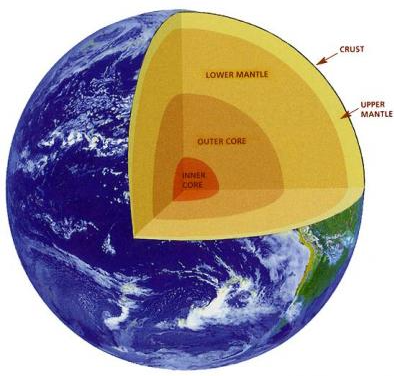
The solid outer layer of the earth, between about 8km and 40km thick.
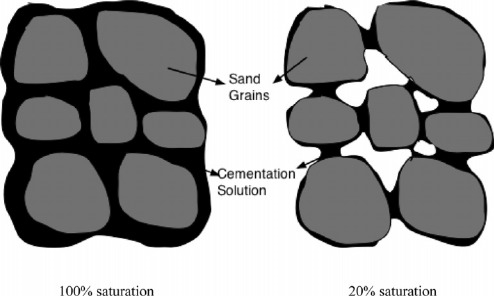
cementation
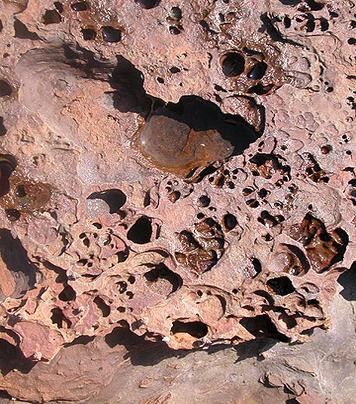
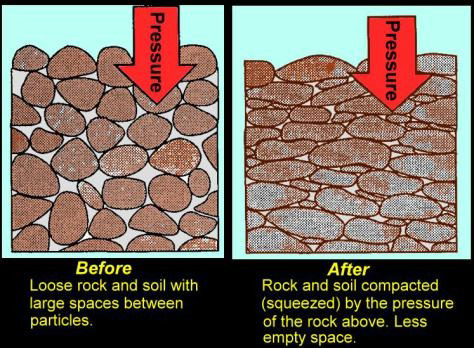
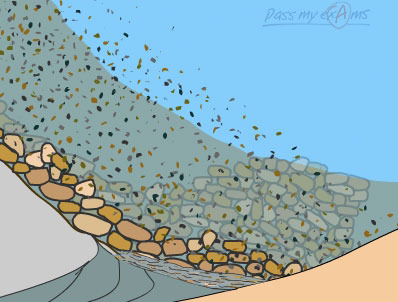
When rocks are broken down and transported away

erosion
When rocks are broken down and transported away
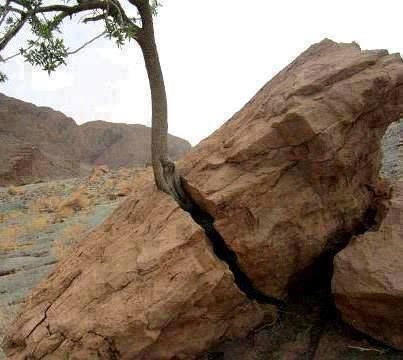
A kind of physical weathering where water gets into cracks, turns to ice and expands, making the crack bigger
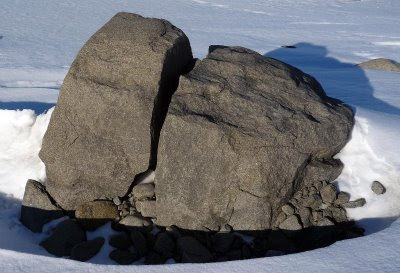
freeze thaw
A kind of physical weathering where water gets into cracks, turns to ice and expands, making the crack bigger
This happens when temperature changes, wind or waves break up rocks.
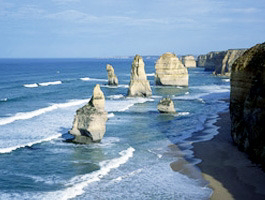
Physical weathering
This happens when temperature changes, wind or waves break up rocks.
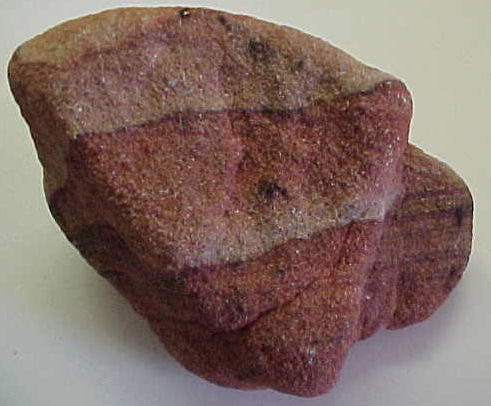
The type of rock made when sediments are compacted or cemented into new rocks.
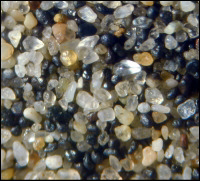
Small pieces of rock produced by weathering.
These processes move sediments.
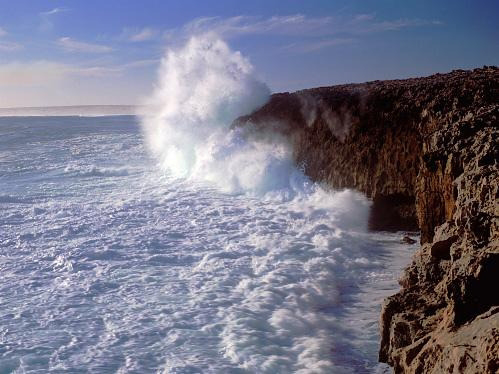
A process that breaks up all types of rock into smaller pieces,
.
The innermost part of the earth
The zone of the earth above the core but below the crust.
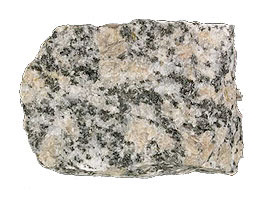
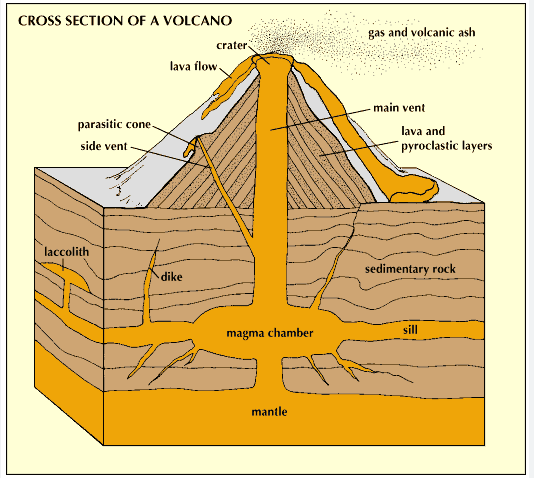
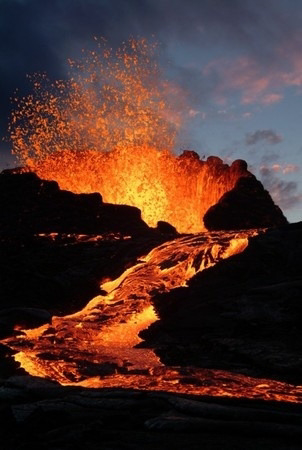
Liquid rock on the surface of the earth. (This will crystallise to form extrusive igneous rocks with small crystals)
Magma
Liquid rock below the ground (
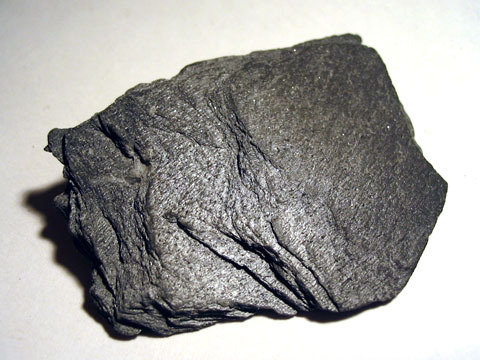
Metamorphic
The type of rock formed when heat or pressure change an existing rock.
To make a
This rock has
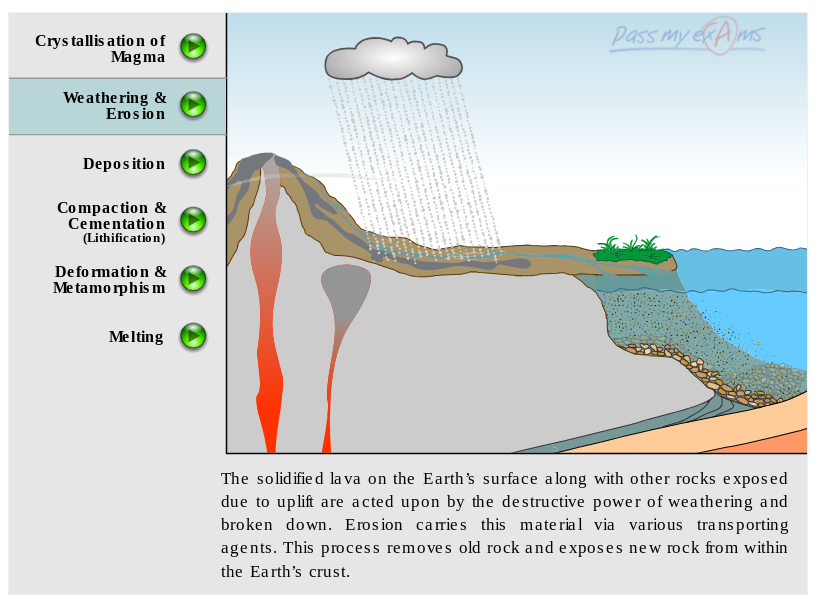
https://www.passmyexams.co.uk/GCSE/physics/rock-cycle.html
Crystallisation of magma to form original igneous rock
Weathering and erosion of the original rock
Melting to form magma
Deeper burial and heating to form metamorphic rocks
Compaction and cementataion to form sedimentary rocks
Transport and deposition of the rock fragments