Week 28 Reading Quiz
star
star
star
star
star
Last updated 16 days ago
11 Nsɛmmisa
from Leprechauns and Irish Folklore by Mary Pope Osborne and Natalie Pope Boyce
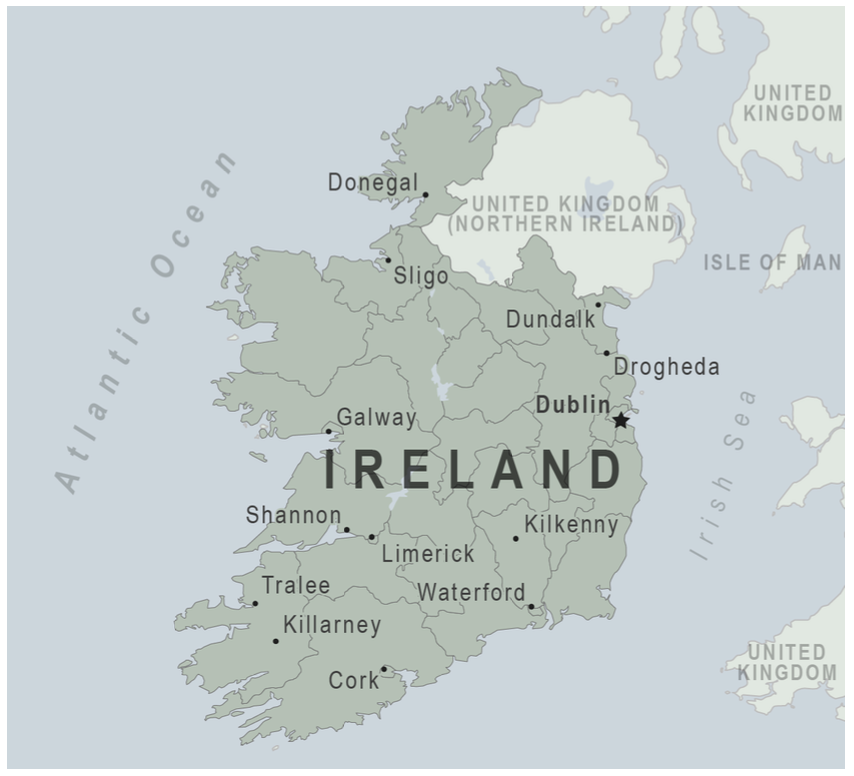
Ireland is an island near the coast of Great Britain. Because it rains a lot, Ireland is a very green country. It is so green that people call it the Emerald Isle. Emeralds are deep green stones that sparkle in the light. People often see rainbows shining over the green hills and valleys of the Emerald Isle.
There was a time in Ireland when many people believed in fairies. They claimed that on summer nights fairies danced in their gardens. When they saw clouds of dust blowing down the road, they said, “The fairies are riding their horses today.” Even the rustling of leaves sounded like little fairy feet running through the woods.
Stories about fairies are an important part of Irish folklore. Folklore is the customs and stories of a people that are passed down through the years. Among the stories are tales of magical creatures that the Irish call the wee folk. The wee folk include tricky leprechauns and beautiful fairies that live in shining kingdoms under the hills.
The Irish Oral Tradition
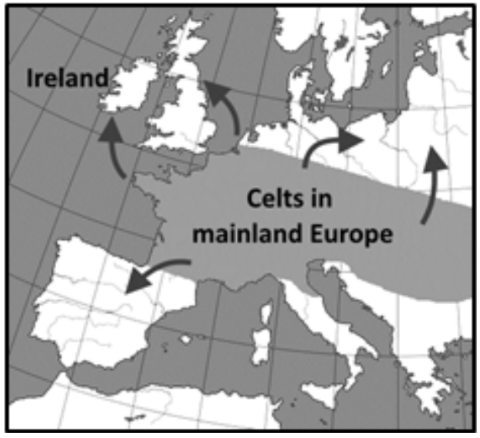
Many Irish fairy stories were first told by the Celts (KELTZ). The Celts came from mainland Europe and settled in Ireland over two thousand years ago. Even though the Celts were mighty warriors, they loved to tell stories, recite poems, sing and dance. They spoke an ancient language called Irish, or Gaelic (GAY-lik).
Because the early Celts did not have books and did not write, they told stories to each other. Telling stories instead of reading them is called the oral tradition. For thousands of years, the oral tradition has played a large part in Irish culture. The Irish are famous the world over for their storytelling.
About sixteen hundred years ago...monks and priests also wrote down many old Celtic myths and stories. Their writings would later help people to research ancient Irish folklore. Stories in Danger
Most people in Ireland spoke Irish until about 150 years ago. The English ruled Ireland for
many years. They wanted Ireland to become more English and wanted to do away with old Irish customs. In 1871, the English made strict laws against the use of the Irish language. Children were punished if they spoke it in school. All signs and legal papers had to be English.
English began to replace Irish as the most common language. It looked as if the language of the Celts would not survive. Because the old stories were in Irish, they, too, were in danger of fading away.
Douglas Hyde
Douglas Hyde was born in Ireland in 1860. When Douglas was a boy, he lived in the country. He often visited the cottage of an old gamekeeper named Seamus (SHAYmus) Hart. Douglas loved to hear Seamus tell stories. Seamus told him about the adventures of mighty warriors, gods, and goddesses. He also told old Celtic tales about the wee folk, who had strange and magical powers.
Because of Seamus, Douglas wanted to learn all he could about his country’s rich past. When he grew up, Douglas became a famous teacher of Irish folklore. But he knew that the old stories and the Irish language were in danger of slipping away forever. To keep them alive, Douglas wrote popular books about Irish folklore. He also urged people to speak Irish and to remember Irish music and dancing. In 1938, when Douglas was an old man, he became the first president of Ireland.
gamekeeper—a person in charge of birds used for sport on private land
Which choice provides a summary of the passage?
How did the earliest Celts pass down stories?
How does the image help the reader understand the passage?

Part A Why did people in Ireland stop speaking Irish in the 1800s?
Part B Which quotation from the passage supports the answer to Part A?
According to the passage, which two creatures were part of Irish folklore?
What does the word recite mean as it is used in paragraph 4?
Which quotation supports the point that Irish folklore could have been lost?
Why is Ireland known as the Emerald Isle?
What point do the authors make about why the Celts were important to Irish folklore?
What text structure do the authors use in the “Douglas Hyde” section?