AKS 39b & 39c - Georgia's Homefront during World War II

Last updated 9 months ago
41 questions

AKS

  • 39b: evaluate the purpose and economic impact of the Bell Bomber Plant, military bases, and the Savannah and Brunswick shipyards.
  • 39c: explain the economic and military contributions of Richard Russell and Carl Vinson

Key Terms

Bell Bomber Plant
Liberty Ships
Savannah & Brunswick
Richard Russell
Carl Vinson

On the Home Front

Americans made many sacrifices during the war to ensure the armed forces had what they needed. Meat, butter, sugar, coffee, gasoline, tires, metal, and shoes were all in short supply. The US government began rationing items that were scarce, allowing each person or family only a certain amount, even if they could afford more. Ration books specified how much of certain items people could buy. Gas ration stickers on car windshields indicated how much gas the car owner could purchase each week. Americans planted “victory gardens,” as they had in World War I. These provided food for families and ensured that more food could go to the troops. Communities held scrap drives to collect metals and other materials for the war effort.

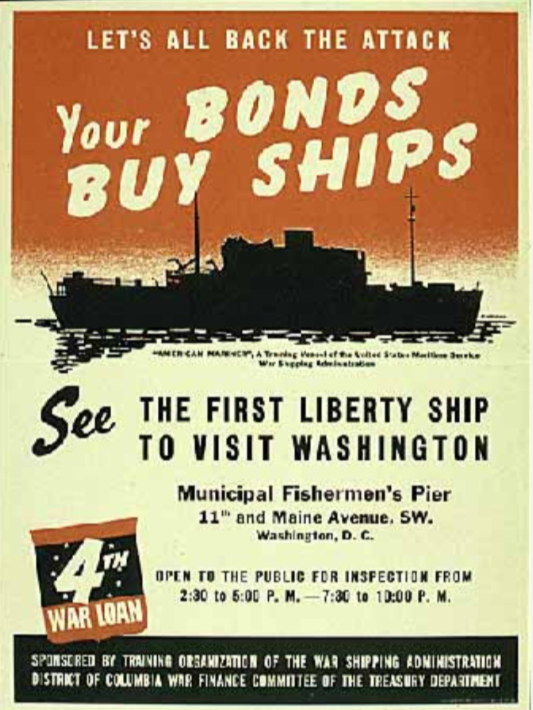
To help the country pay for the war, Americans purchased war bonds from the government. By buying war bonds, Americans were loaning money to the government. In return for the loan, bond holders would earn interest at a rate just under two percent. Movie stars, sports figures, and war heroes urged people to purchase the bonds as a way to show patriotism and support for the cause.

For some families, the worst news arrived in the form of a small envelope with a telegram informing them that a son, brother, father, or husband had been killed in action. More than 6,700 servicemen and women from Georgia died during the war.
Required
1

What was rationed during World War II in the US?

rationed = a fixed amount of provisions or food, especially for civilians during a shortage

Required
1

What did Americans plant to help during the war?

Required
1

What were war bonds used for during World War II?

Required
1

Who encouraged Americans to buy war bonds?

Required
1

How many Georgians died during World War II?

Georgia’s Impact

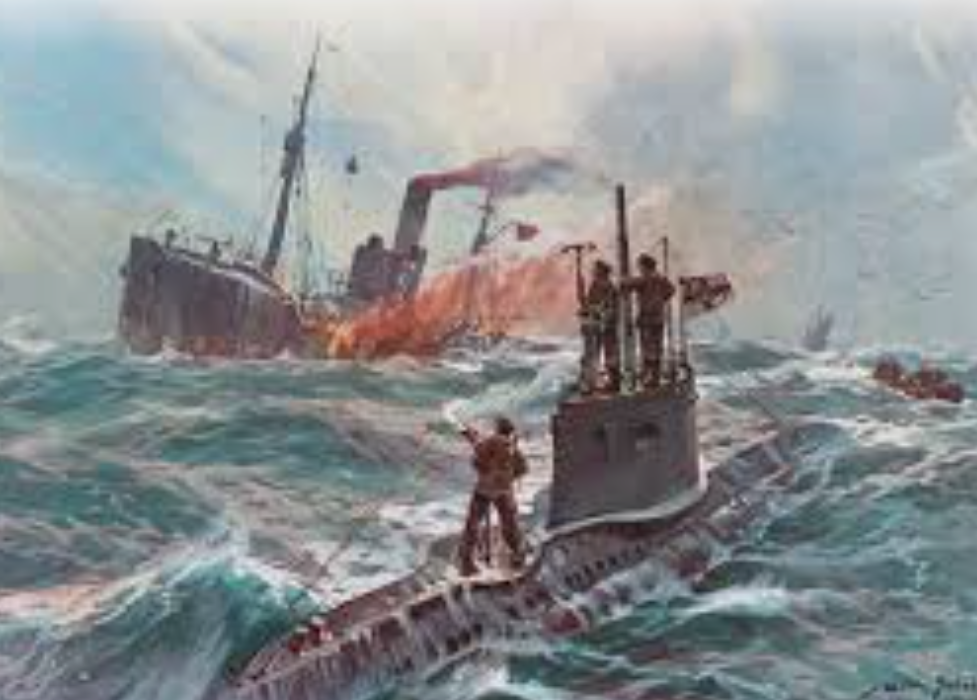
While most people living in Georgia were far from the fighting, evidence of the war did come to the state. Citizens reported seeing German submarines off the Atlantic coast. Indeed, German subs sank several Allied ships along the Georgia coastline, and Georgians observed wreckage and oil spills along the beaches. After the state strengthened its defenses along the coast, German subs stayed away.
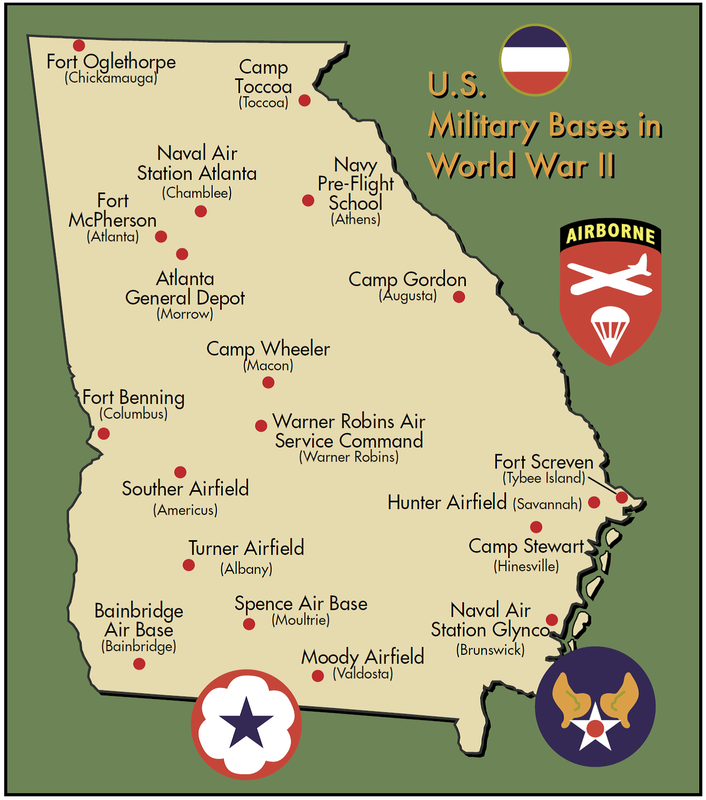
The state contributed to the war effort in many ways. Throughout World War II, 320,000 men and women from Georgia served in the armed forces. That number represented 10 percent of the state’s population. Georgia provided training at military bases and produced vast amounts of military supplies. In addition, Georgia’s political leaders in Washington, DC, played important roles in achieving victory in World War II.
Required
1

Who attacked ships along the Georgia coast during WWII?

Required
1

What was a consequence of the submarine attacks?

Required
1

What percentage of Georgia's population served in the military?

Military Bases

The men who entered the US military had to be trained for combat. Large numbers of these men came from all over the country to Georgia for basic training. The state had more training facilities than any other state except Texas.

Practically every major city in Georgia had an installation (a military or industrial facility) of some sort. They provided manpower for the war effort and an economic boost for the state. Fort Benning, near Columbus, was the largest infantry school for foot soldiers in the world. Warner Robins, an Air Corps facility near Macon, cost $30 million to build and employed more than 15,000 civilians. Camp Gordon near Augusta was an important army training center. These bases were also used to hold thousands of enemy prisoners captured during the war. The federal government funded the bases, pumping millions of dollars into the state economy.
Required
1

How did the construction of many military bases help Georgia to recover from the Great Depression?

Liberty Ships

Georgia also had important shipyards to aid the US Navy. At Savannah and Brunswick, workers—many of them women—built 187 “liberty ships” at record pace. The jobs that the factories producing the ships provided to Georgians got the state out of the Great Depression. Georgia-built ships were vital in transporting troops and supplies to Europe and the Pacific.

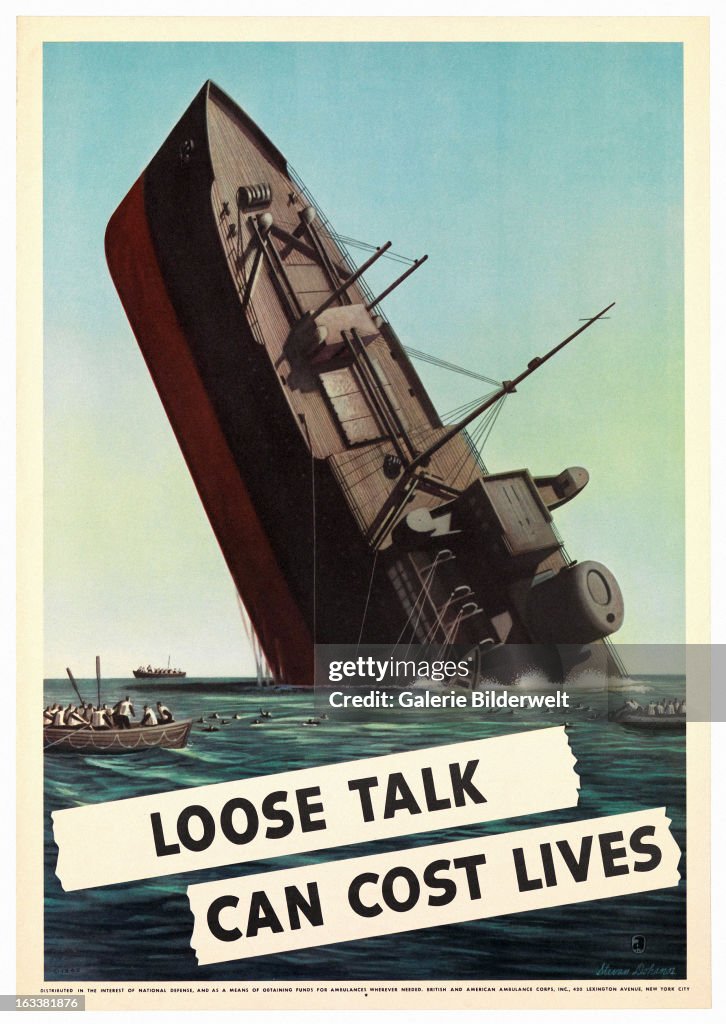
Thousands of people built Liberty ships, and they were instructed to not discuss their work outside of factories because of spies and saboteurs working for the enemy. Many Liberty Ships were sunk and thousands of men lost their lives at sea during the war.


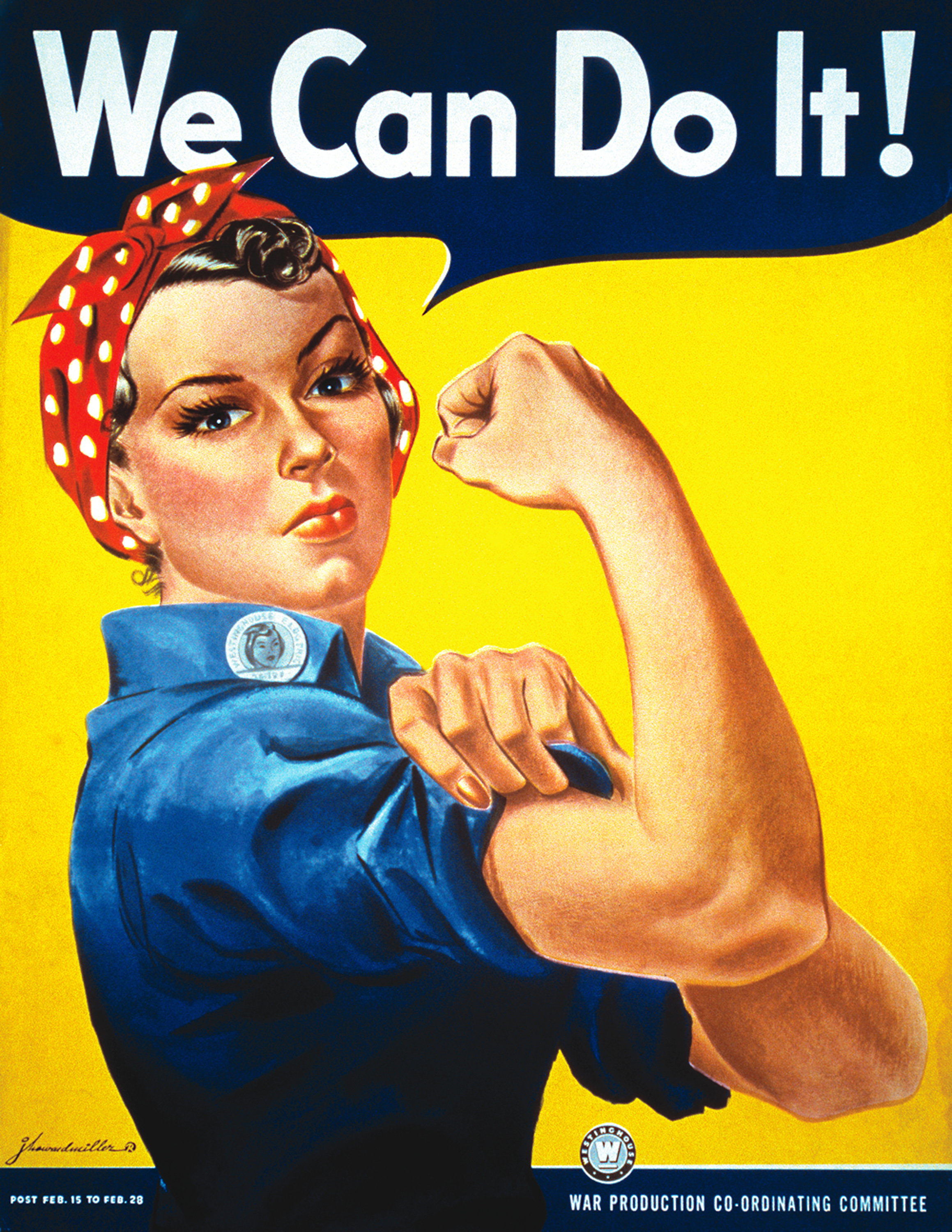
During World War II, as men went off to fight, women stepped into factories and shipyards to fill the labor gap, producing essential war materials. The image of Rosie the Riveter, often associated with the "We Can Do It!" poster, became a powerful symbol of women's contributions and their ability to do "men's work".
Required
1

What were liberty ships used for during WWII?

Required
1

Which two cities in Georgia had important shipyards?

Required
1

What was a concern for workers at the shipyards?

Required
1

How many liberty ships were built in Georgia?

Required
1

What economic impact did shipbuilding have on Georgia?

Required
1

What happened to many liberty ships during the war?

Required
1

What were workers instructed to do about their work?

Required
1

What was the historical context of this poster?

Required
1

How did the image of Rosie the Riveter impact society?

Required
1

What role did women take on during World War II?

Required
1

How many people were employed at the height of the shipyards' production?

Required
1

How often did the shipyards produce a new vessel on average?

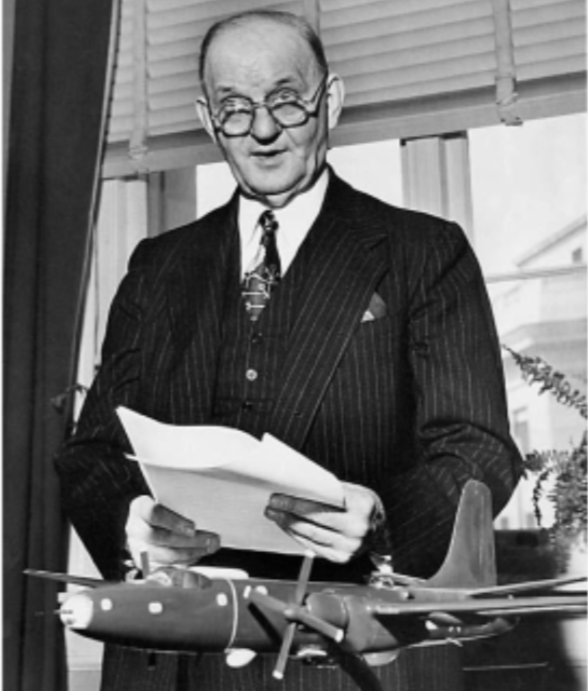
The Bell Bomber Plant


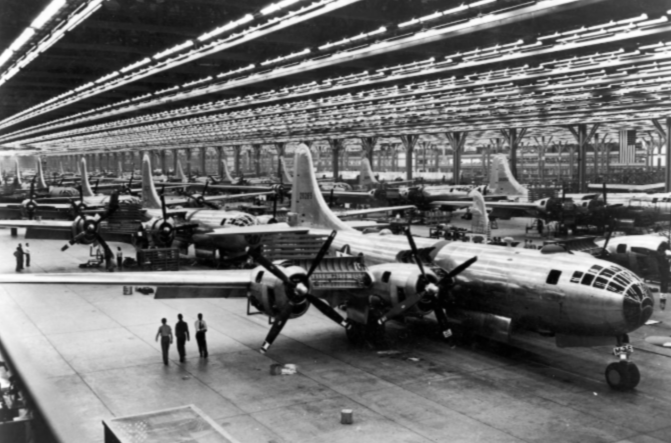
One of the most significant impacts Georgia had on military production was in the aircraft industry. The Bell Aircraft Corporation chose Marietta as a site to build planes. Marietta’s location was both safe and practical; it was far enough away from the coast, where attacks on a plant might occur, and close to Atlanta and its railroads. Between 1942 and 1945, the Bell Bomber Plant became one of the main military industrial centers in the Southeast and the largest ever to be built in the Deep South. It employed 28,000 workers, mostly from the South. Out of those, 37 percent were women and 8 percent were African Americans.

The plant was nicknamed “the Bell Bomber Plant” because the B-29 bombers its workers built were used extensively throughout the war. They were the most technologically advanced bombers used in World War II. The plant closed in 1951,after which the Lockheed Aircraft Company purchased it and continued to produce planes for the US military. It still operates today as the Lockheed Martin Company, one of the largest employers in Cobb County.

The military bases, shipyards, and aircraft plants brought much prosperity to Georgia and its citizens. In 1940, the average income per worker in the state had been less than $350 a year. By 1950, that amount had risen to $1,000. World War II production also brought a major shift to the economy in general. By 1950, more people were employed by manufacturers than on Georgia’s farms. It was the first time that had occurred.
Required
1

What was the lasting impact of the development of the Bell Bomber Plant on Georgia’s economy?

Required
1

How many computers were there on board of every B-29 Superfortress?

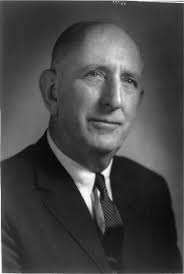
Senator Richard Russell

Two Georgians were instrumental in leading the United States at the federal level during the war. Richard Russell, the “boy wonder” governor and now a US senator, would serve in the Senate for 38 years, including during World War II. He served on major committees and pushed for a stronger military for the country.

Russell had begun to seek more military spending during the 1930s, as a member of the Armed Forces Committee. During the isolationist years, few people listened to him. As the United States came closer to entering the war, he renewed his requests for a much larger military. He helped raise troop levels throughout the war years. Perhaps his most important achievement was that he brought 15 military bases to Georgia. The impact on the state’s economy was massive.

Russell would have a very successful political career after World War II. One of his most notable accomplishments was starting a national school lunch program, which greatly benefitted many poor children in Georgia who rarely had access to nutritious food. He earned the nickname, "father of the national school lunch program".
Required
1

How long did Richard Russell serve in the Senate?

Required
1

What did Russell push for during the late 1930s?

Required
1

Which committee did Russell serve on during the war?

Required
1

What did Russell help raise throughout the war years?

Required
1

How many military bases did Russell bring to Georgia?

Required
1

What was one major impact of the military bases?

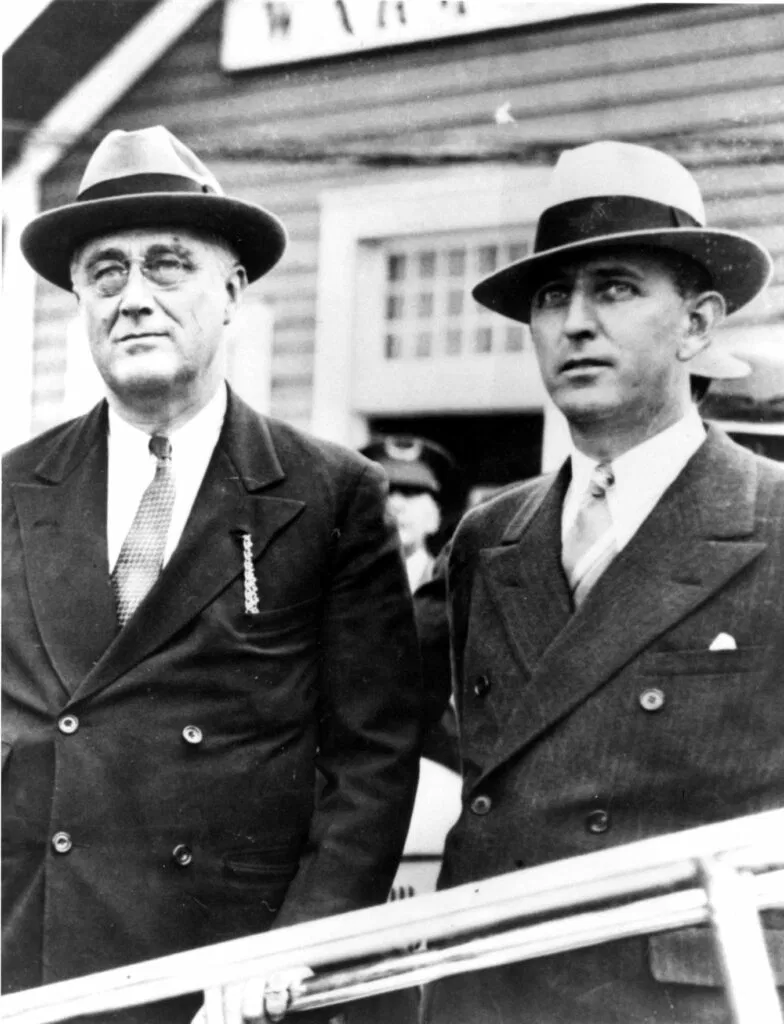
Representative Carl Vinson

Carl Vinson was another Georgian who focused on military strength during the war. Georgians elected Vinson to the US House of Representatives 25 consecutive times, and he served for 51 years, becoming the longest-serving representative in US history. He was chairman of the House Naval Affairs Committee before and during World War II.

Like Russell, Vinson had called for a stronger navy during the 1930s but had been ignored. As the United States entered the war, the appeals were much more accepted. Vinson’s efforts and emphasis on an Atlantic and Pacific fleet earned him such nicknames as “the Admiral” and “Father of the Two-Ocean Navy.” He expanded the number of naval planes, pilots, and air bases significantly. Thanks to his work, the United States was able to respond quickly after the attack on Pearl Harbor and had the navy ready for combat in the Pacific much more quickly than the Japanese anticipated.

Vinson’s efforts to maintain a strong navy continued long after the war. His impact was recognized in 1973,when the navy’s third nuclear- powered aircraft carrier was named the USS Carl Vinson. Today the Carl Vinson Institute of Government at the University of Georgia also bears his name.
Required
1

How many years did Carl Vinson serve in Congress?

Required
1

What did Vinson advocate for during the 1930s?

Required
1

What committee did Vinson chair during World War II?

Required
1

What significant naval equipment did Vinson expand?

Required
1

How did Carl Vinson play a critical role in the growth of Georgia’s economy?

Required
1

What attack allowed Vinson's navy plans to be tested?

Required
1

Which aircraft carrier was named in Vinson's honor?

Required
1

What did Richard Russell and Carl Vinson have in common?

Required
1

Match the person with their accomplishments.

  • member of U.S. House of Representatives
  • nicknamed "the father of the two-ocean Navy"
  • member of U.S. Senate
  • nicknamed "the father of the National School lunch program"
  • Brought many military bases to Georgia
  • Richard Russell
  • Carl Vinson
Required
1

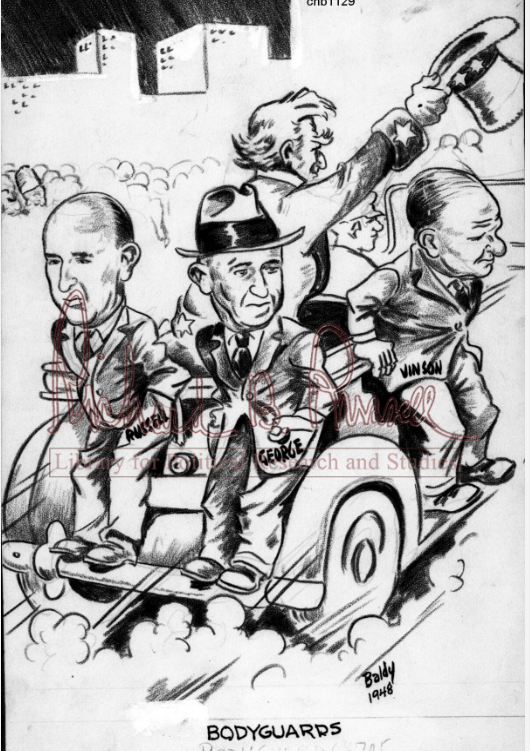
Describe what is going on in this political cartoon.

Hints: Look at the names on the men riding in the car. Look at the title. Who are they protecting?

World War II Ends

With help from the United States, the Allies turned the tide of the war. FDR, Churchill, and Joseph Stalin of the Soviet Union formed the “Big Three” and coordinated the Allied efforts to defeat the Axis powers. They were able to liberate the parts of Europe that had been conquered by Hitler, and islands in the Pacific seized by the Japanese. On April 12,1945, as Allied troops approached Berlin, Germany, FDR died at his home in Warm Springs. In May, Germany surrendered.

As the Allied powers celebrated victory in Europe (known as V-E Day), the war continued in the Pacific. Japanese resistance left President Harry Truman with one of the most difficult decisions of the war. American scientists had just succeeded in making an atomic bomb that could destroy an entire city in a single blast. Would Truman use it to end the war quickly, or would he invade Japan and risk losing huge numbers of US forces?

On the morning of August 6, the Enola Gay dropped an atomic bomb on the Japanese industrial city of Hiroshima. Three days later, another plane dropped a second bomb on the city of Nagasaki. The destruction the two bombs caused was unlike anything the world had ever seen. The cities were leveled, and nearly 200,000 people died. Thousands more became ill from the effects of radiation. Japanese leaders surrendered (on V-J Day),and World War II was over.
Required
1

What significant decision did US President Truman face?

Required
1

How many people died from the atomic bombs?