Unit 7 Test - Disease
star
star
star
star
star
Last updated 5 months ago
24 Nsɛmmisa
4
HS-LS3-2
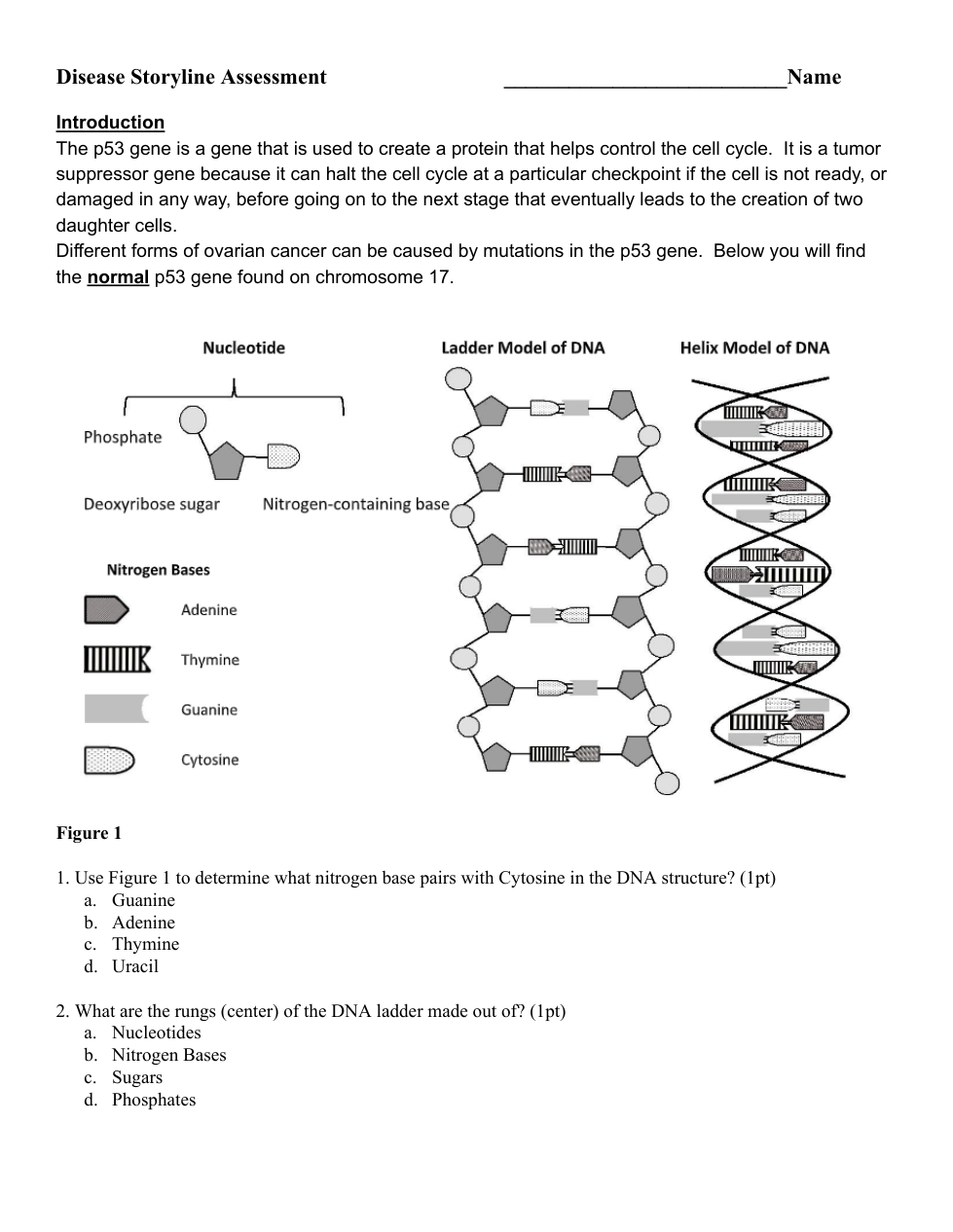
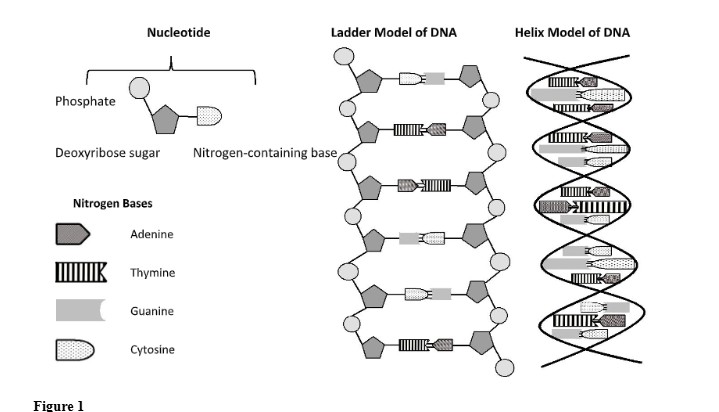
Use Figure 1 to determine what nitrogen base pairs with Cytosine in the DNA structure?
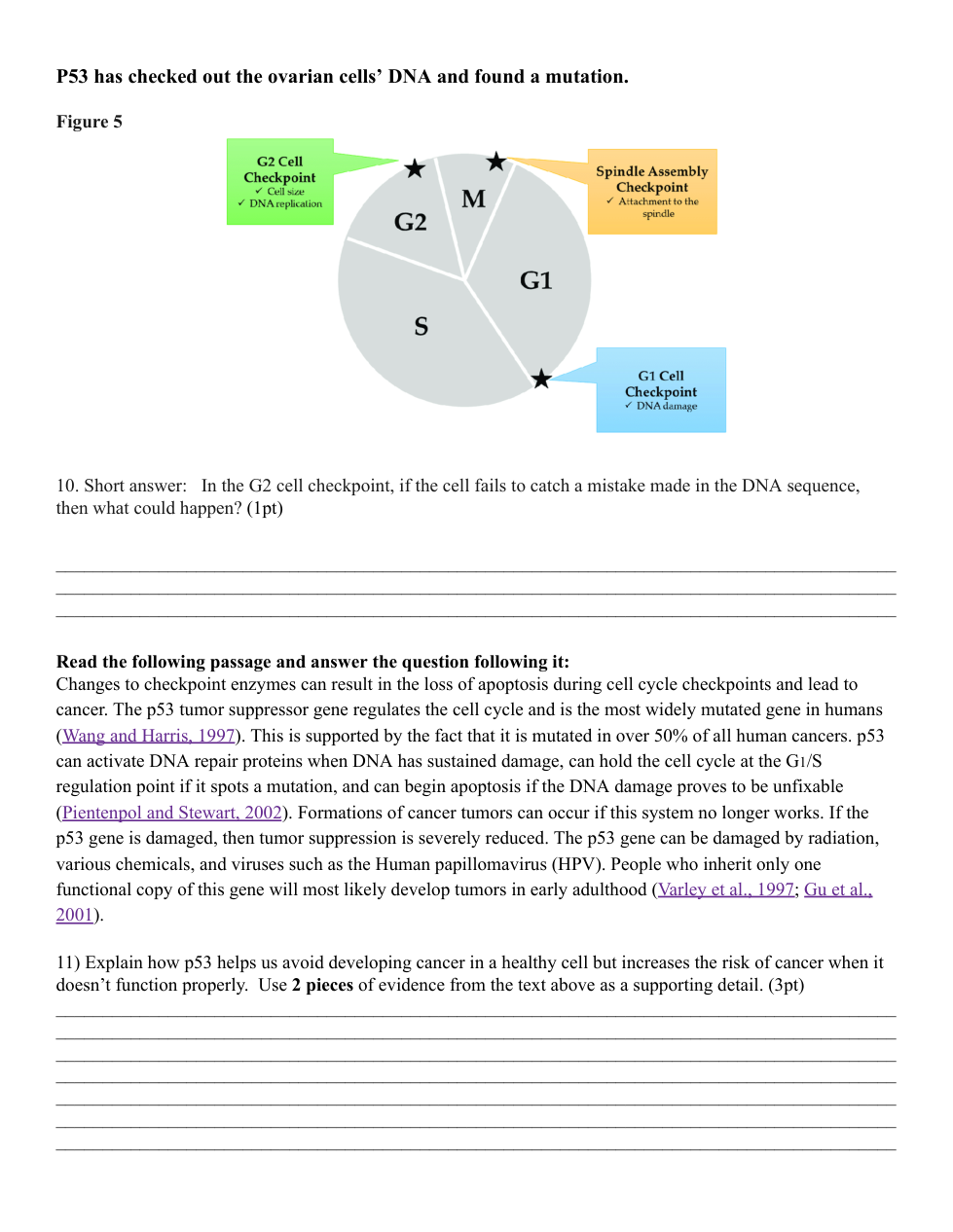
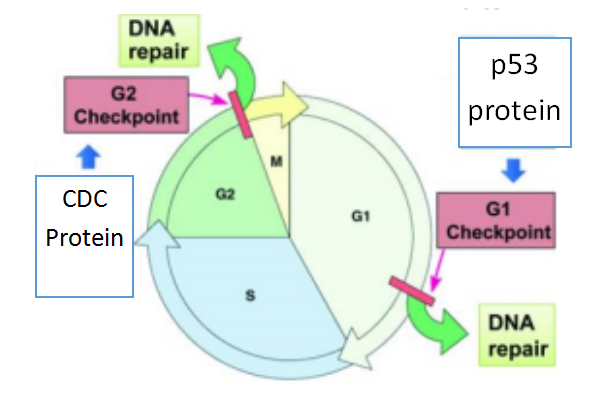
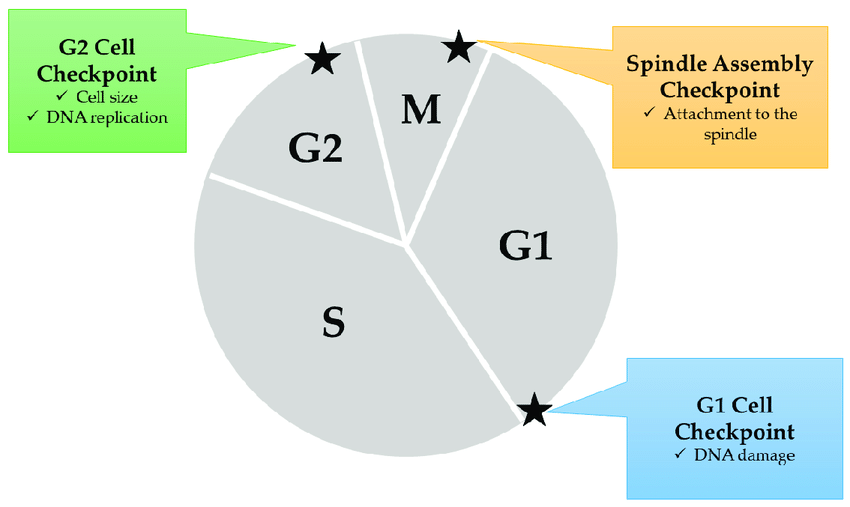
In the G2 cell checkpoint, if the cell fails to catch a mistake made in the DNA sequence, then what could happen?
Explain how p53 helps us avoid developing cancer in a healthy cell but increases the risk of cancer when it doesn’t function properly.
Use 2 pieces of evidence from the text above as a supporting detail.
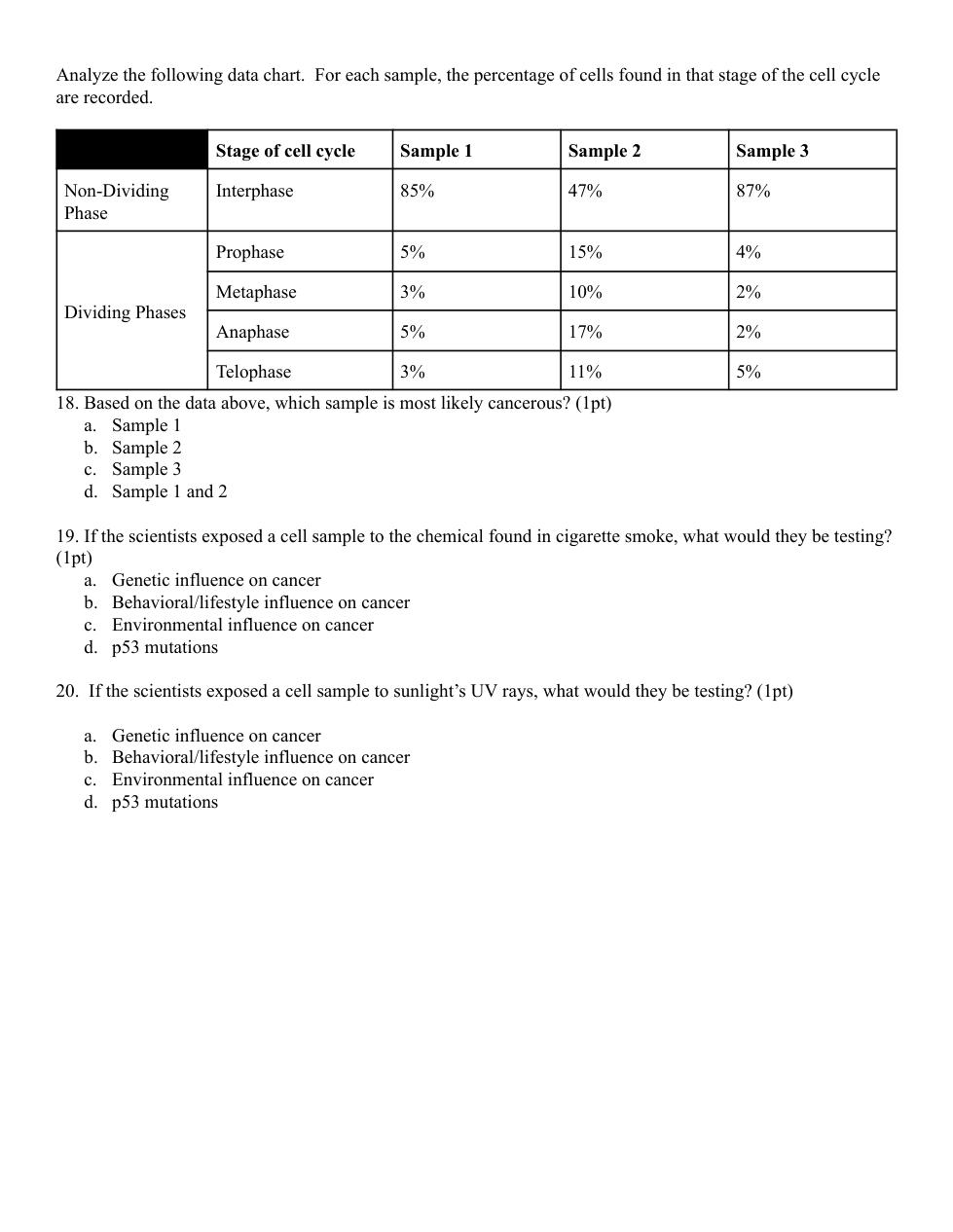
If the scientists where studying cancer causes and exposed a cell sample to the chemical found in cigarette smoke, what would they be testing?
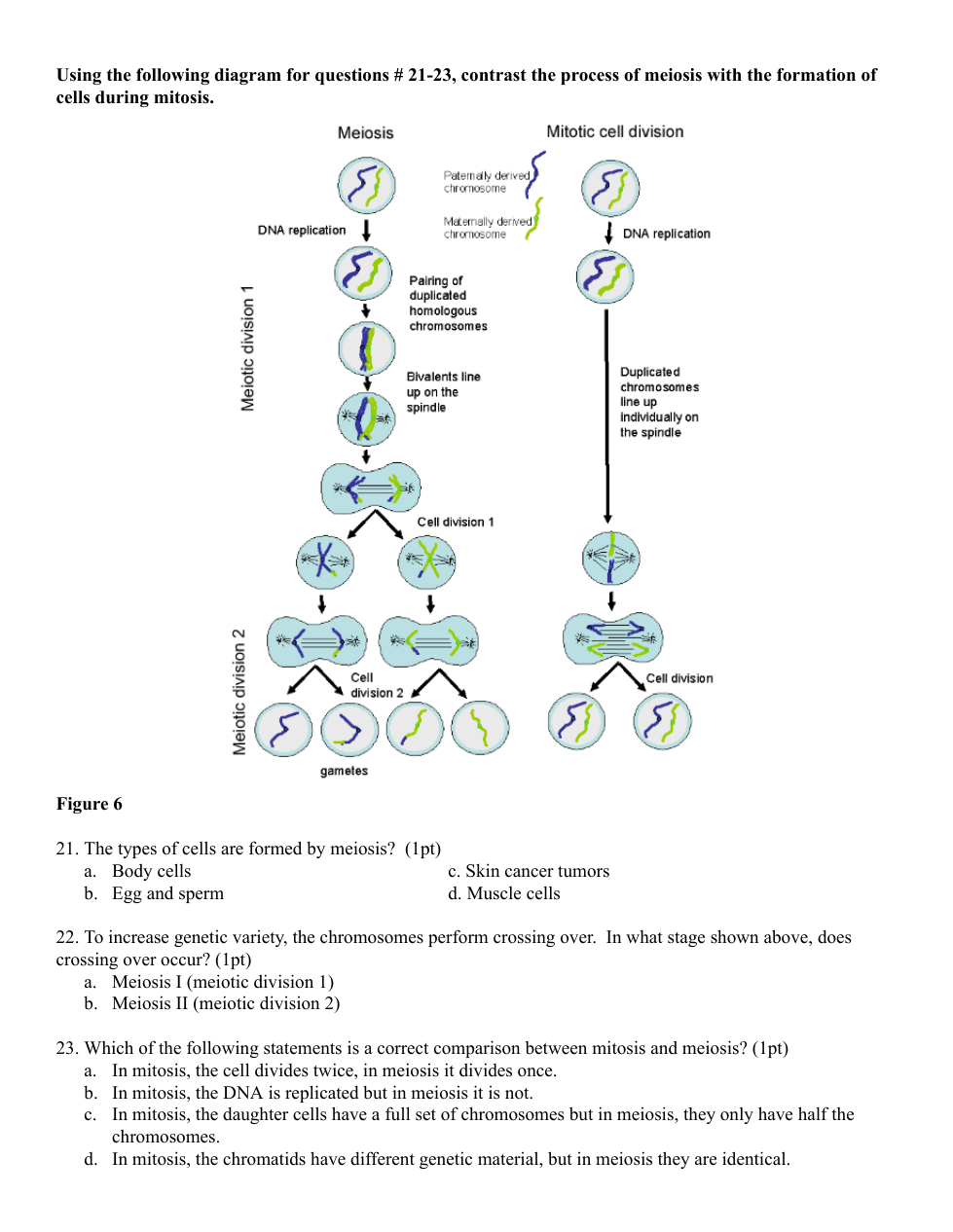
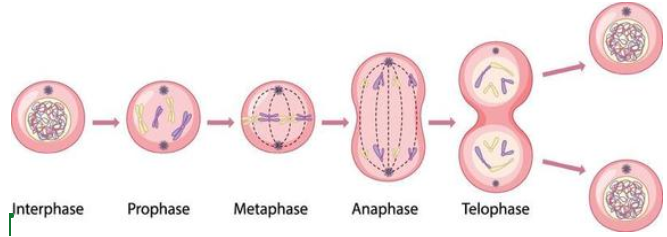
To increase genetic variety, the chromosomes perform crossing over. In what stage shown above, does crossing over occur?
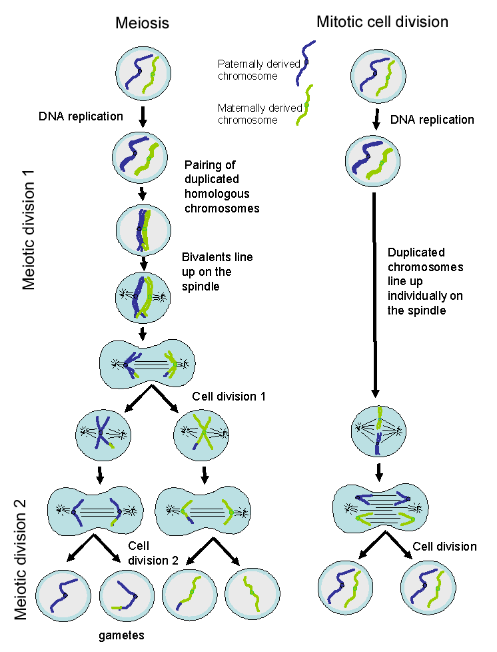
Why do mammals require both Mitosis and Meiosis to survive? Give a reason for both processes. (4pt)
What are the rungs (center) of the DNA ladder made out of?
According to Chargaff’s base pairing rule, if there is 40% Adenine in a DNA structure, how much Cytosine must there be?
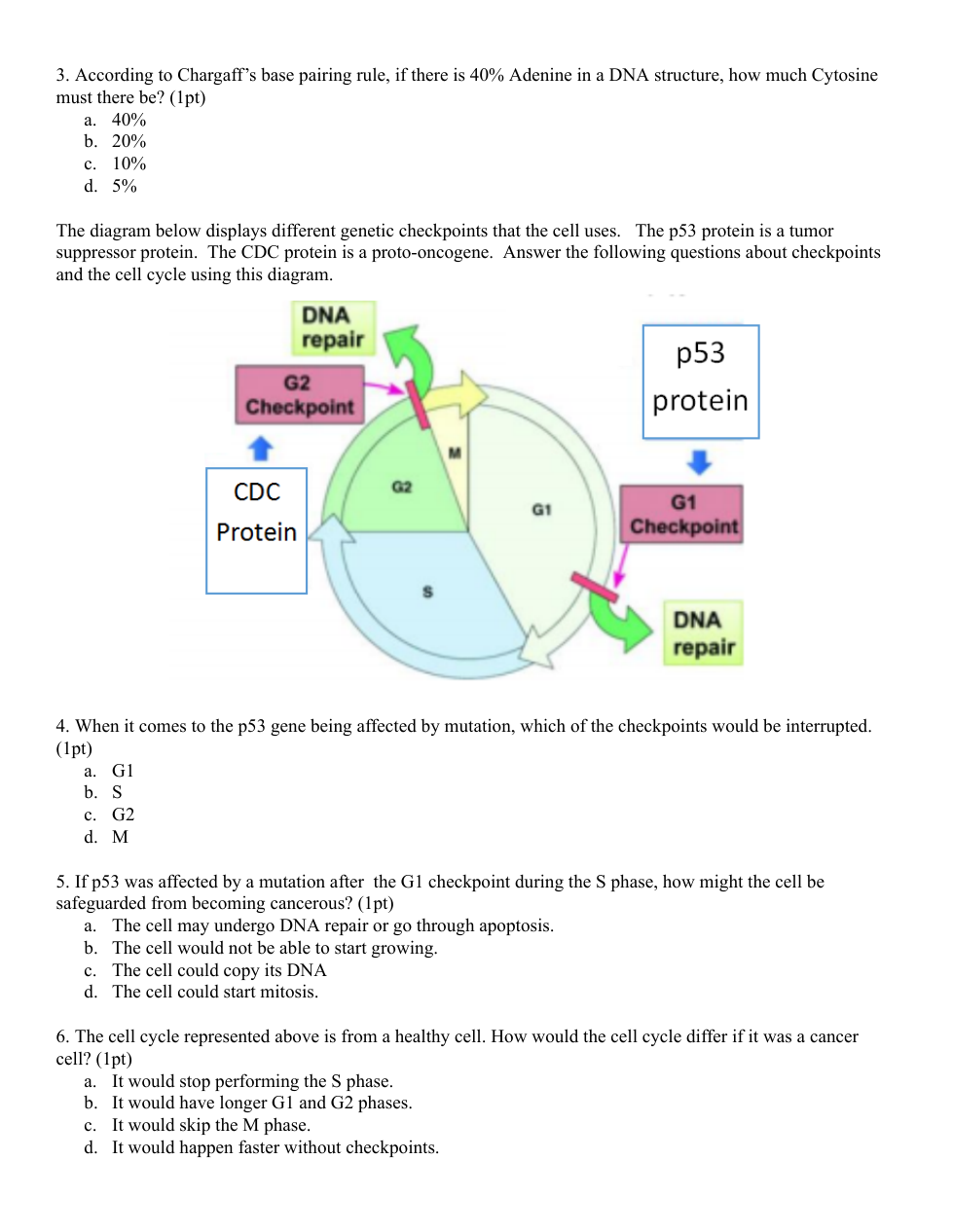
When it comes to the p53 gene being affected by mutation, which of the checkpoints would be interrupted?
If p53 was affected by a mutation after the G1 checkpoint during the S phase, how might the cell be safeguarded from becoming cancerous?
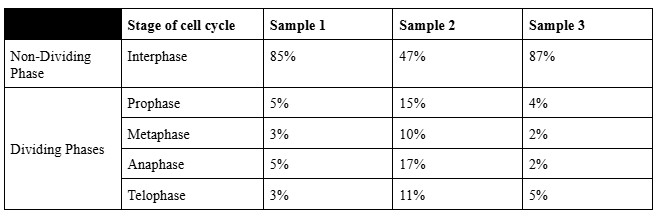
The cell cycle represented above is from a healthy cell. How would the cell cycle differ if it was a cancer cell?
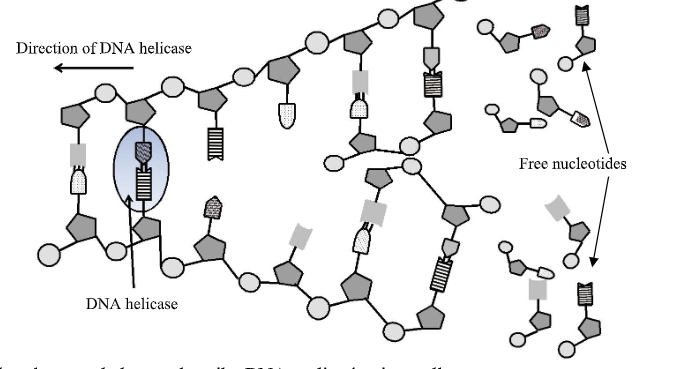
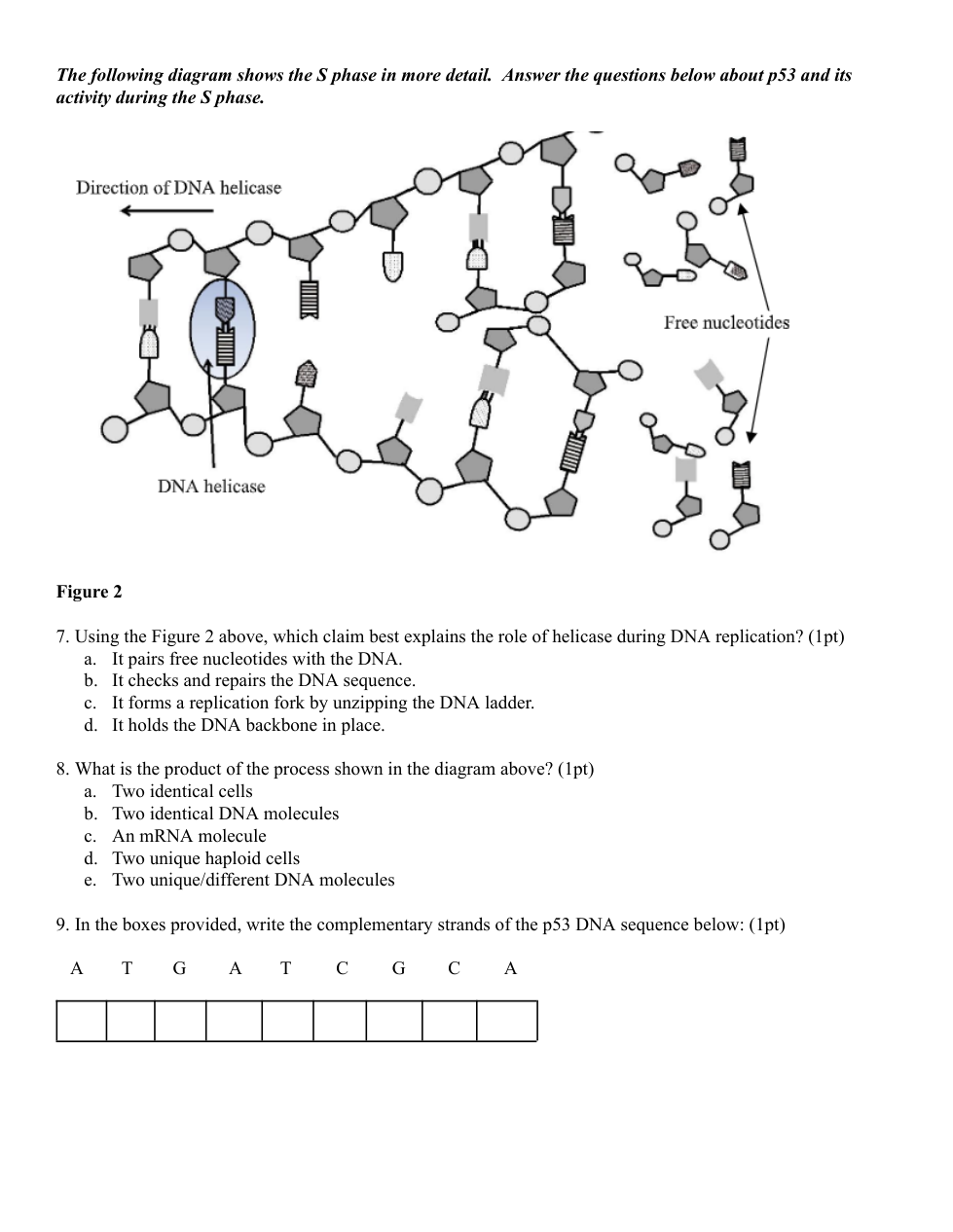
Using the Figure 2 above, which claim best explains the role of helicase during DNA replication?
What is the product of the process shown in the diagram above?
Select the correct complementary strands (base pair rule) of the p53 DNA gene sequence below:
ATGATCGCA
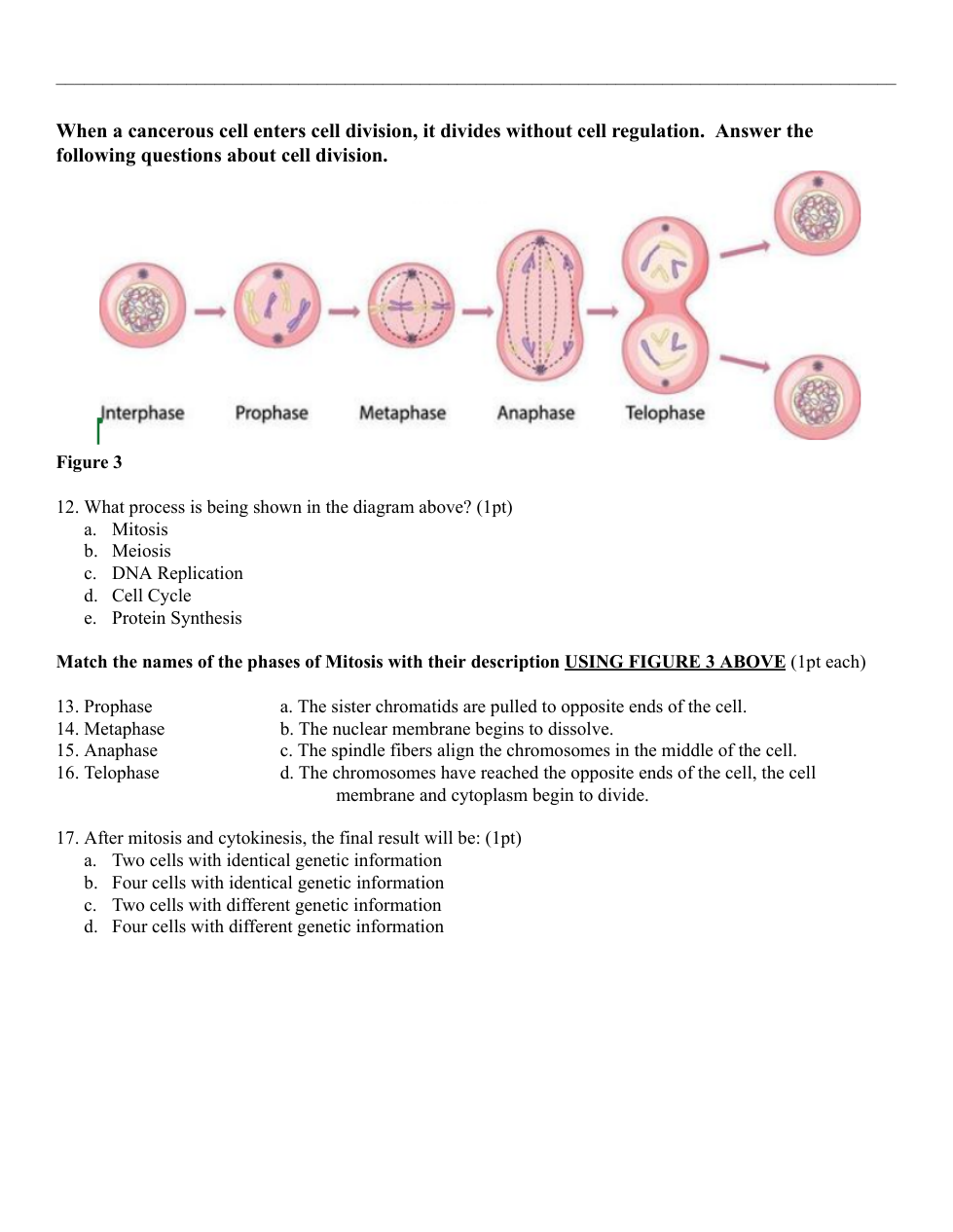
What process is being shown in the diagram above?
Prophase
Metaphase
Anaphase
Telophase
After mitosis and cytokinesis, the final result will be:
Based on the data above, which sample is most likely cancerous? (1pt)
If the scientists exposed a cell sample to sunlight’s UV rays, what would they be testing?
The types of cells are formed by meiosis?
Which of the following statements is a correct comparison between mitosis and meiosis? (1pt)