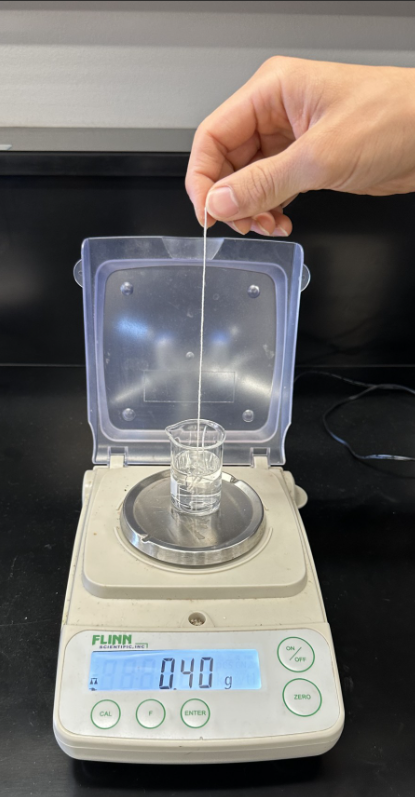
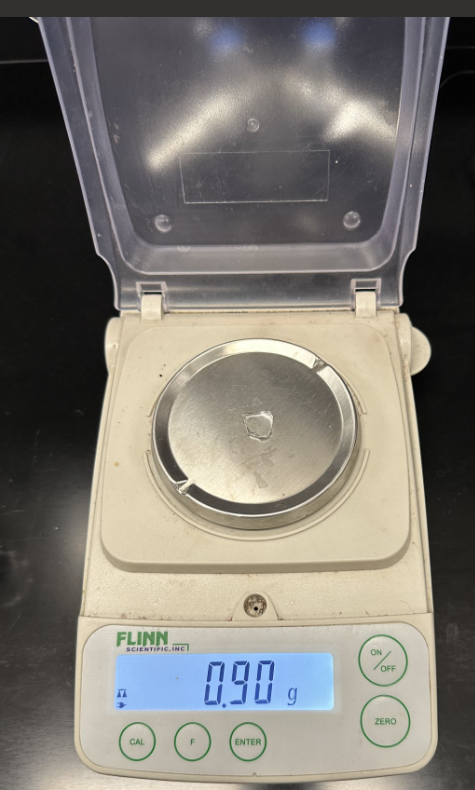
CRIME SCENE SAMPLE A
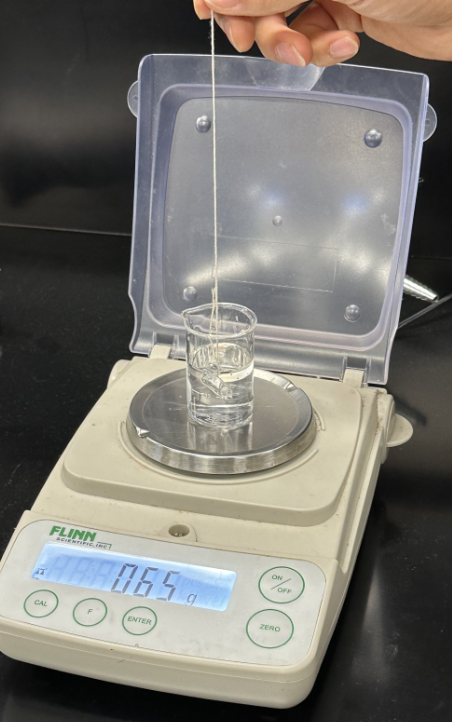
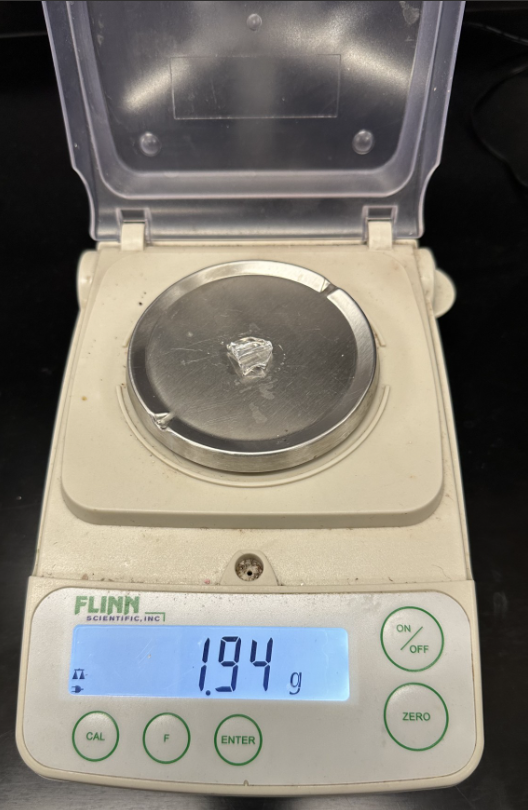
Calculate the density of glass sample A
CRIME SCENE SAMPLE A
Calculate the density of glass sample A
CRIME SCENE SAMPLE B
Calculate the density of glass sample B
Which glass sample has the greater density?
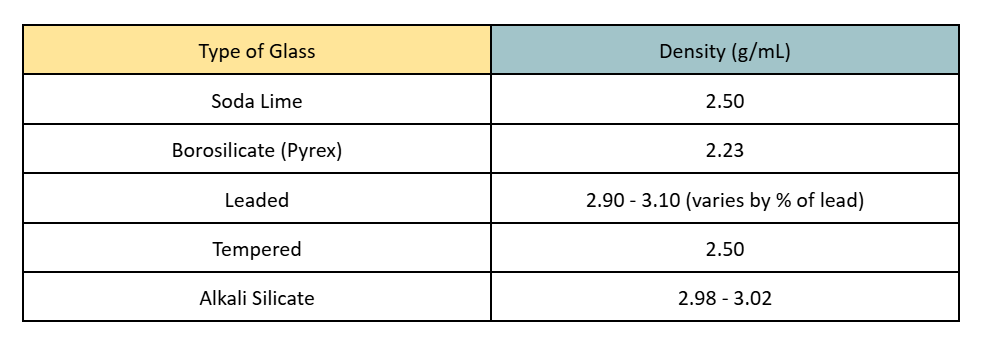
Based on density alone, Crime Scene A glass could be ________ glass.
Glass is generally considered to be _________ evidence.
The primary component in all types of glass is
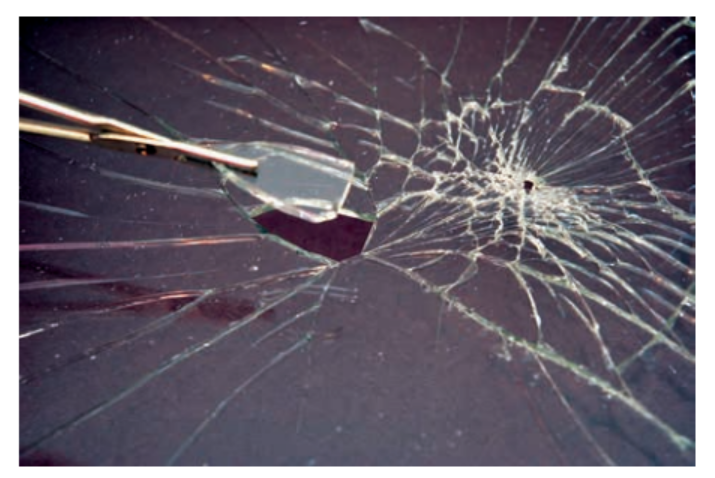
Is the following glass class or individual evidence? Explain (1-2 sentences).
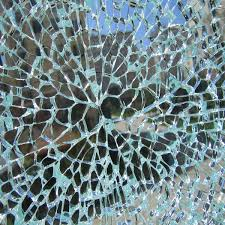
What type of glass is shown in the image?
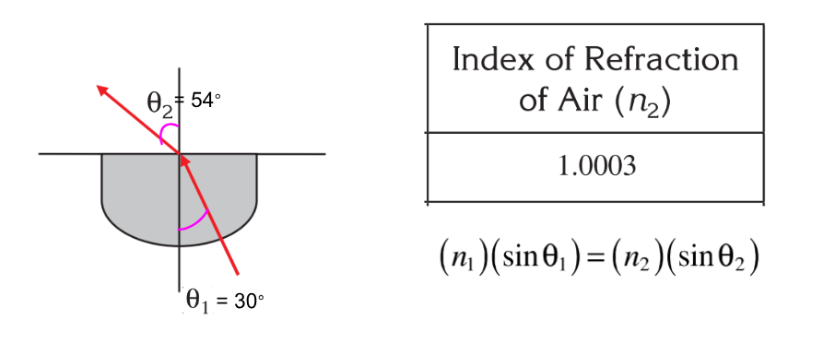
There is an unknown liquid inside of the container. Use Snell's Law to calculate the index of refraction (n1) of the unknown liquid!
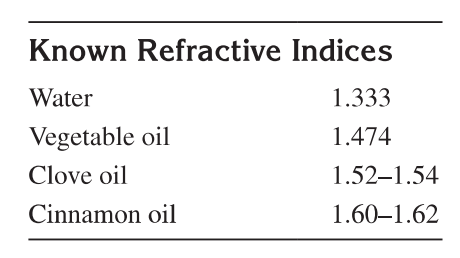
The unknown liquid has a refractive index similar to
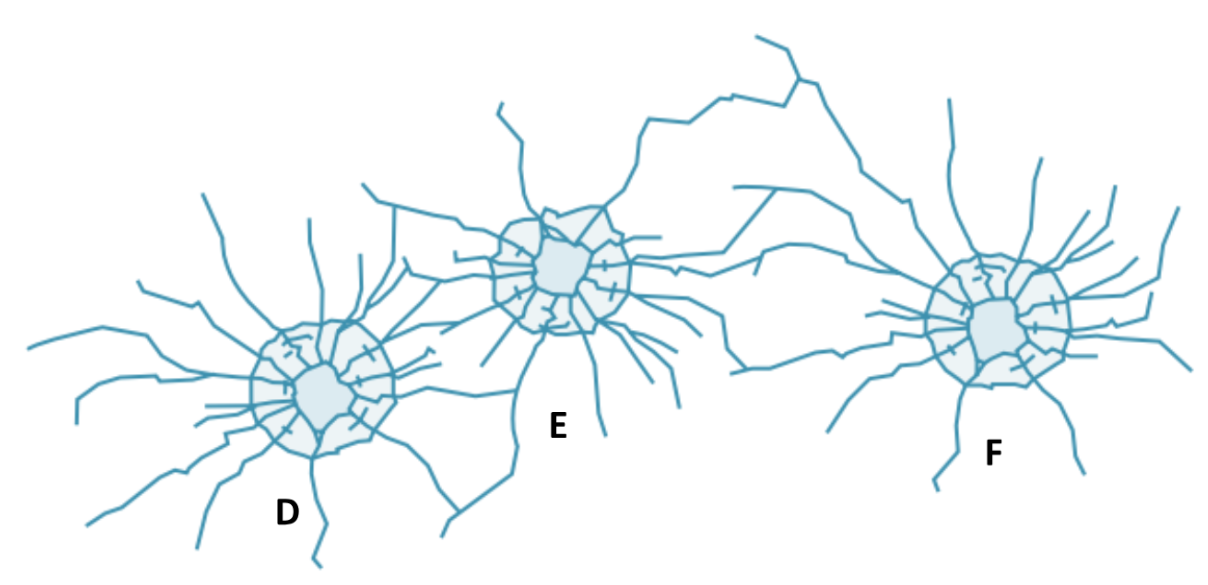
Sequence the glass fractures in their order of occurrence (earliest to most recent).
Based on density alone, Crime Scene B glass could be ________ glass.