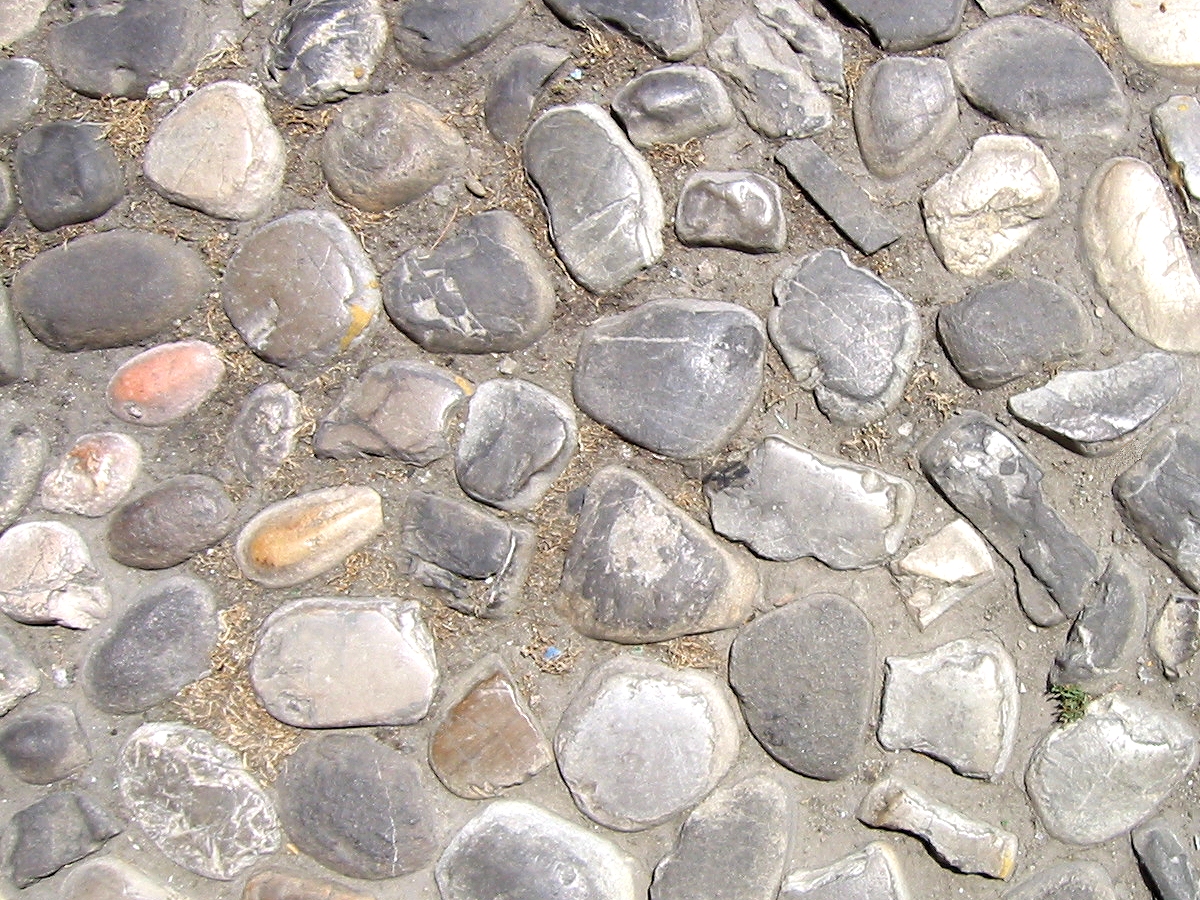
What is the element of art that refers to the surface quality or feel of an object?
What is the element of art that refers to the surface quality or feel of an object?
What is the element of art that refers to the surface quality or feel of an object?
Which element of art refers to the lightness or darkness of a color?
Which element of art is defined as a mark made by a moving point?
Which element of art can be used to create the illusion of depth on a flat surface?
When discussing the element of color, what are the three properties that make up color?
What element of art refers to a three-dimensional object or something that appears three-dimensional?
Which element refers to a closed line or a shape that is flat and two-dimensional?
What element refers to the area around, between, and within objects in an artwork?
How does negative space function in a composition?
. Why is it important for an artist to consider both positive and negative space?
When drawing, how can you create a strong use of positive and negative space?
The use of opposite elements (light and dark, rough and smooth) to create visual interest in a composition is an example of which principle of design?
Which of the following best describes organic shapes?
What are the primary colors?
Which of the following colors are considered complementary?
What do you get when you mix two primary colors together?
What is the effect of placing complementary colors next to each other?
Which color scheme involves using various shades, tints, and tones of one color?
What is the term for colors that are next to each other on the color wheel?
Which of the following is an example of a warm color?
What do you get when you add black to a color?
Which of the following colors is considered a neutral color?
In a 1-point perspective drawing, where do all the parallel lines appear to meet?
Which line represents the viewer's eye level in a 1-point perspective drawing?
In a 1-point perspective drawing, what happens to objects as they move closer to the vanishing point?
What is the purpose of the vanishing point in perspective drawing?
Which direction do vertical lines go in a 1-point perspective drawing?
In a 1-point perspective drawing, where should the vanishing point be placed?
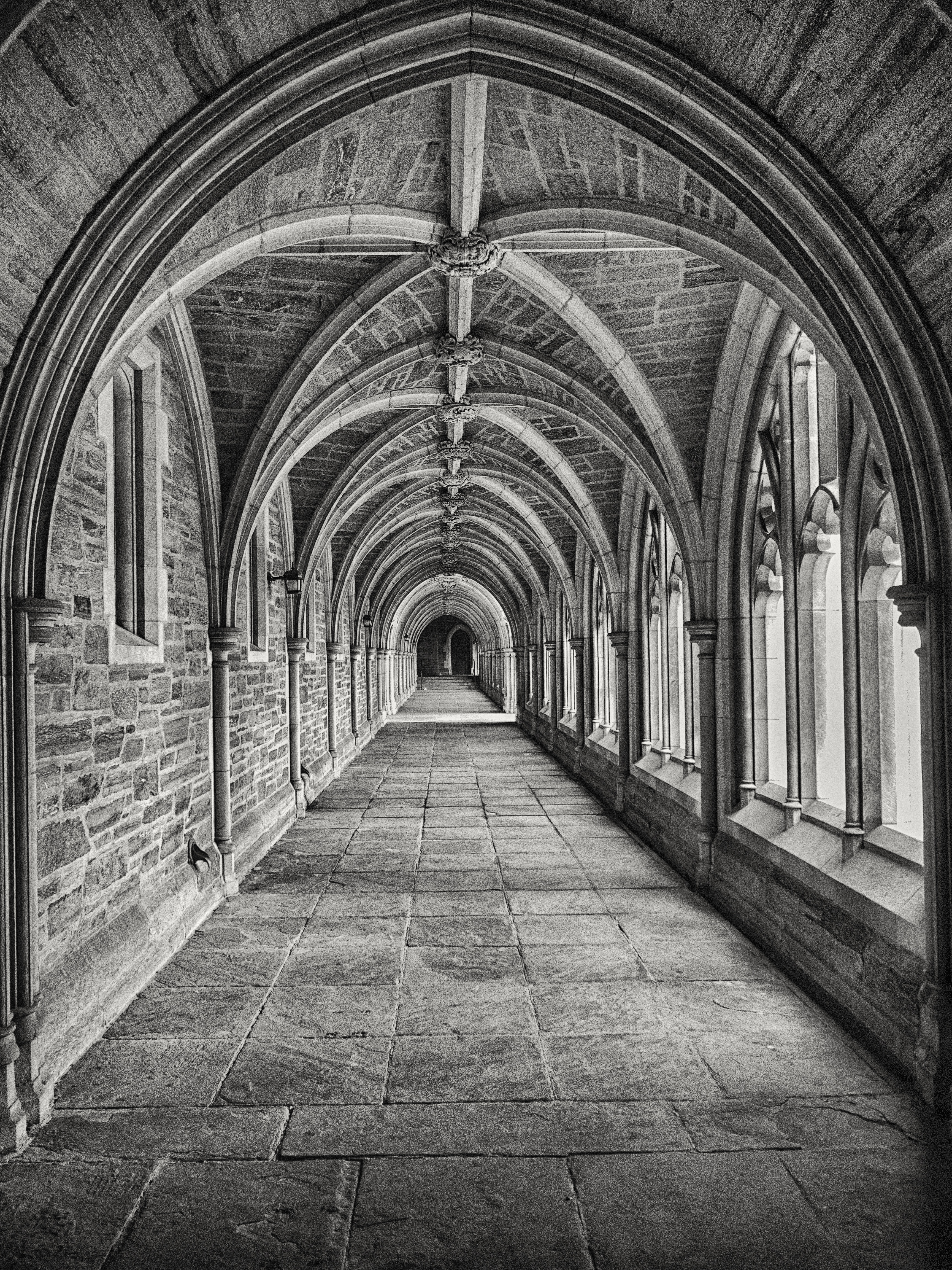
_____________________________ create a sense of depth and structure in a composition. This concept is crucial in perspective drawing, as it helps create the illusion of three-dimensional space.
In a 1-point perspective drawing, how do you draw an object directly in front of the viewer?