Shark Week Reading Quiz
star
star
star
star
star
Last updated 17 days ago
10 Nsɛmmisa
Great White Sharks are Scaredy Cats?
The shark movie "Jaws" came out in 1975. Ever since then, people have thought great white sharks are the most fearsome predators in the ocean. Now scientists say that might not be true.
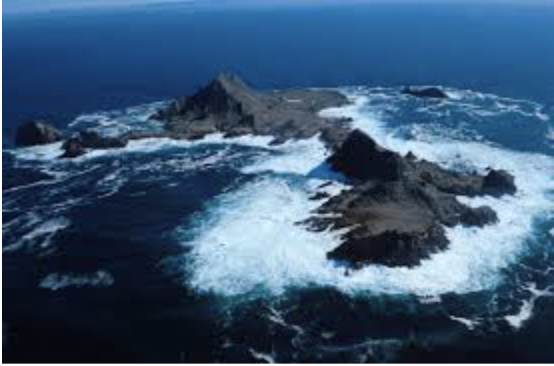
Great whites hunt for seals off the coast of Northern California. They like the spot near the small Farallon Islands. Scientists noticed something when killer whales, known as orcas, swam by. The sharks immediately took off. They swam long distances to get away and did not return until the following year.
Scot Anderson is a shark expert. He said that when the orcas show up, they do not see "a single shark."
Killer Whales Make The Great Whites Look Small
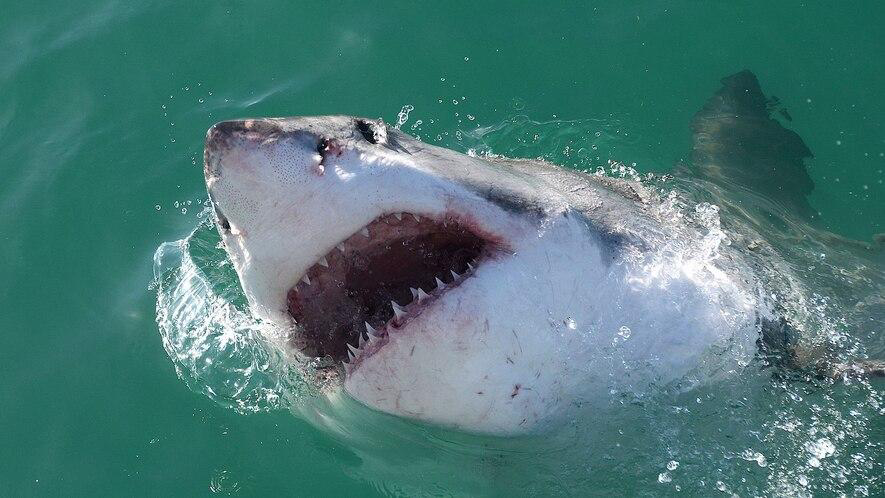
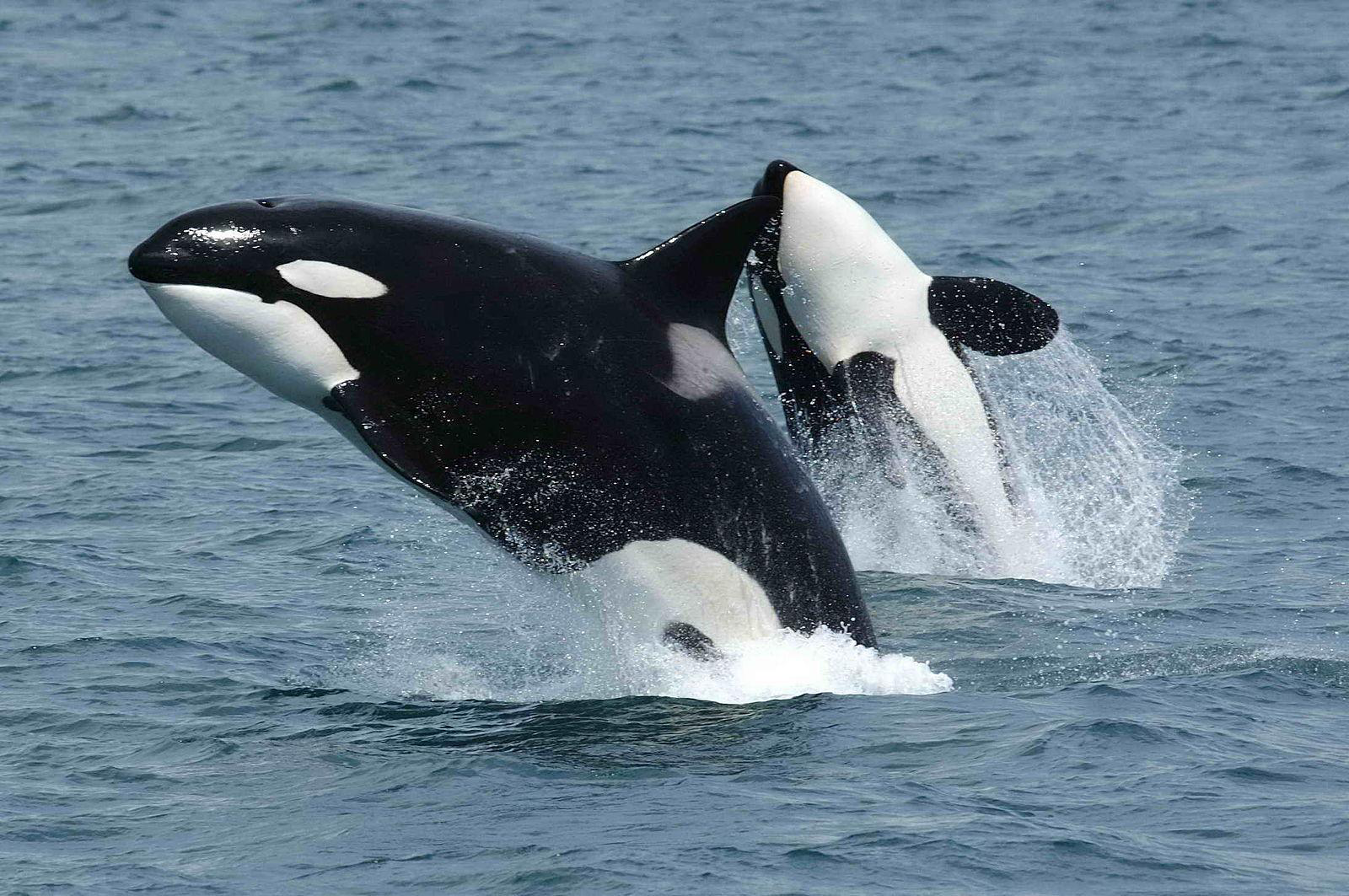
Great white sharks are amazing hunters. They can grow up to 20 feet long and can weigh more than 4,000 pounds. Killer whales are even bigger. They can be up to 30 feet long and weigh 10,000 pounds or more!
White sharks swim 35 miles an hour. Killer whales can swim just as fast, and they hunt in groups, like wolves. They have been known to eat sharks. Two years ago, five dead white sharks washed up in South Africa. Killer whales had eaten their livers.
It seems amazing “when you see a 17-foot shark swim by," said Sal Jorgensen. He is also a shark expert. Then "along comes a bigger predator, the orca," he added. The shark suddenly seems small.
From 2006 to 2013, he and other scientists tracked 165 great white sharks. They stuck tiny tracking tags on the sharks. They used a 10-foot pole. The tags send out a signal to the scientists. The sharks traveled between the Farallon Islands and Tomales Point, north of San Francisco. They also went 50 miles south to Año Nuevo Island.
Scientists Track Activity Near The Islands
Jorgensen and Anderson compared what the sharks did with other information gathered by scientists. Scientists kept records on killer whales at the Farallon Islands. Information was gathered for 27 years.
They looked at the months between September and December. That is when many sharks hunt seals at the Farallons. They found that it was rare for killer whales to swim there at that time. In fact, over 27 years, orcas were there only 18 days during those months.
On those rare days when the two fearsome predators did meet, the white sharks took off. The hunters became the hunted.
In November 2009, killer whales arrived at the Farallons where 17 tagged white sharks were present. The killer whales only spent two hours in the area. The sharks bolted anyway. Seven of them swam south to Año Nuevo Island. The others swam 35 miles north.
None of the sharks came back until the following year.
Sharks Seek Safer Waters
Similar examples happened in 2011 and 2013. Killer whales came to the Farallons and the sharks left quickly.
Scientists are not sure why the white sharks swim away from the orcas. They say the sharks might be afraid they will be eaten. Perhaps they are being bullied by the killer whales. Orcas eat the seals and sea lions that sharks eat.
Jorgensen said people do not usually think that a shark would be afraid. It turns out that fear affects these predators. When scared, sharks change their plan. They end up hunting in "less preferred, but safer areas."
The most fearsome predator in the ocean is not the one from "Jaws." It is an animal that once performed tricks at SeaWorld. It is the orca.
Jorgensen said that the great white shark has had success as an ocean predator. Its success is not because of its fierce teeth, though. It is good at "knowing when to run."
How much more does a killer whale weigh than a great white shark?
What is the MAIN idea of the article?
What behaviors help great white sharks survive?
Read the paragraph below.
"Jorgensen said that the great white shark has had success as an ocean predator. Its success is not because of its fierce teeth, though. It is good at 'knowing when to run.'"
How does this paragraph support the MAIN idea of the article?
Why do great white sharks leave an area when killer whales arrive?
Complete the sentence. Killer whales showing up near South Africa caused:
How did scientists learn about the great white sharks’ behavior around killer whales?
Climate change could cause killer whales to swim to the Farallons more often. What would be the outcome of killer whales visiting the Farallon Islands more often?
What is the text structure of the section “Killer Whales Make The Great Whites Look Small”?
How does the picture contribute to the article above?