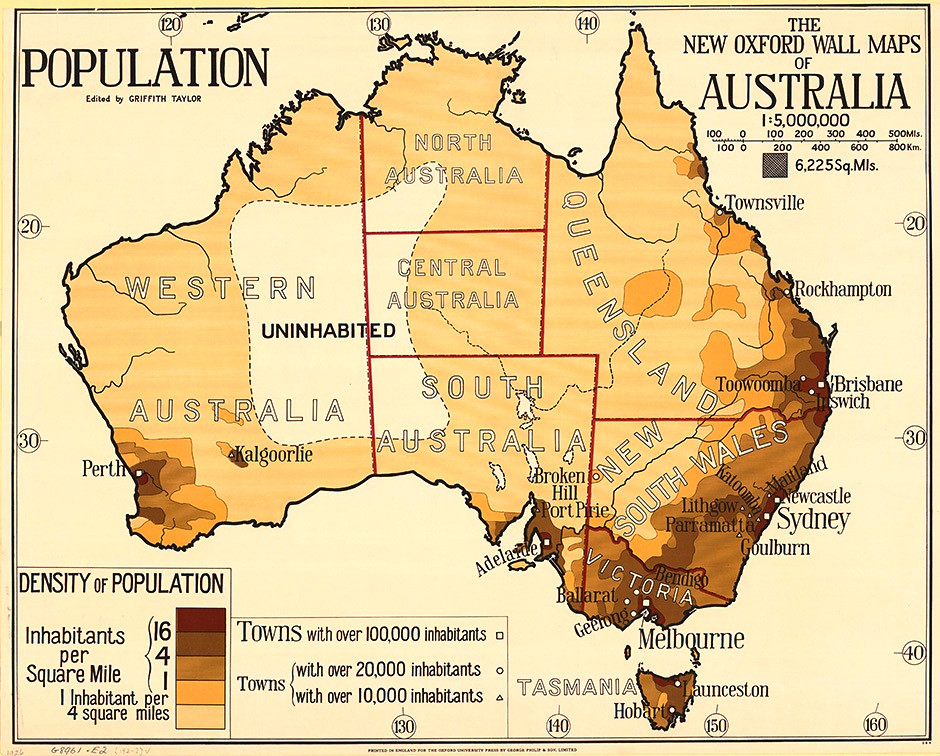
According to the population density map...
According to the population density map...
Population density is...
Which area is most likely to have the LOWEST population density?
Match each description with the type of population density you would expect to see there.
In moderate climate zones
Plain near a river
Desert with no resources
Mountain range with extreme climate
High Population Density
Low Population Density
According to the population density map...
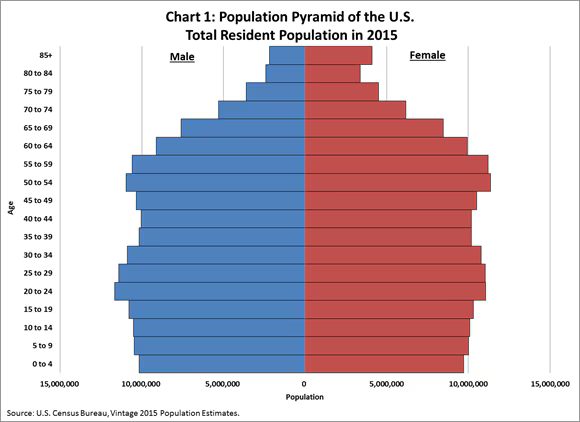
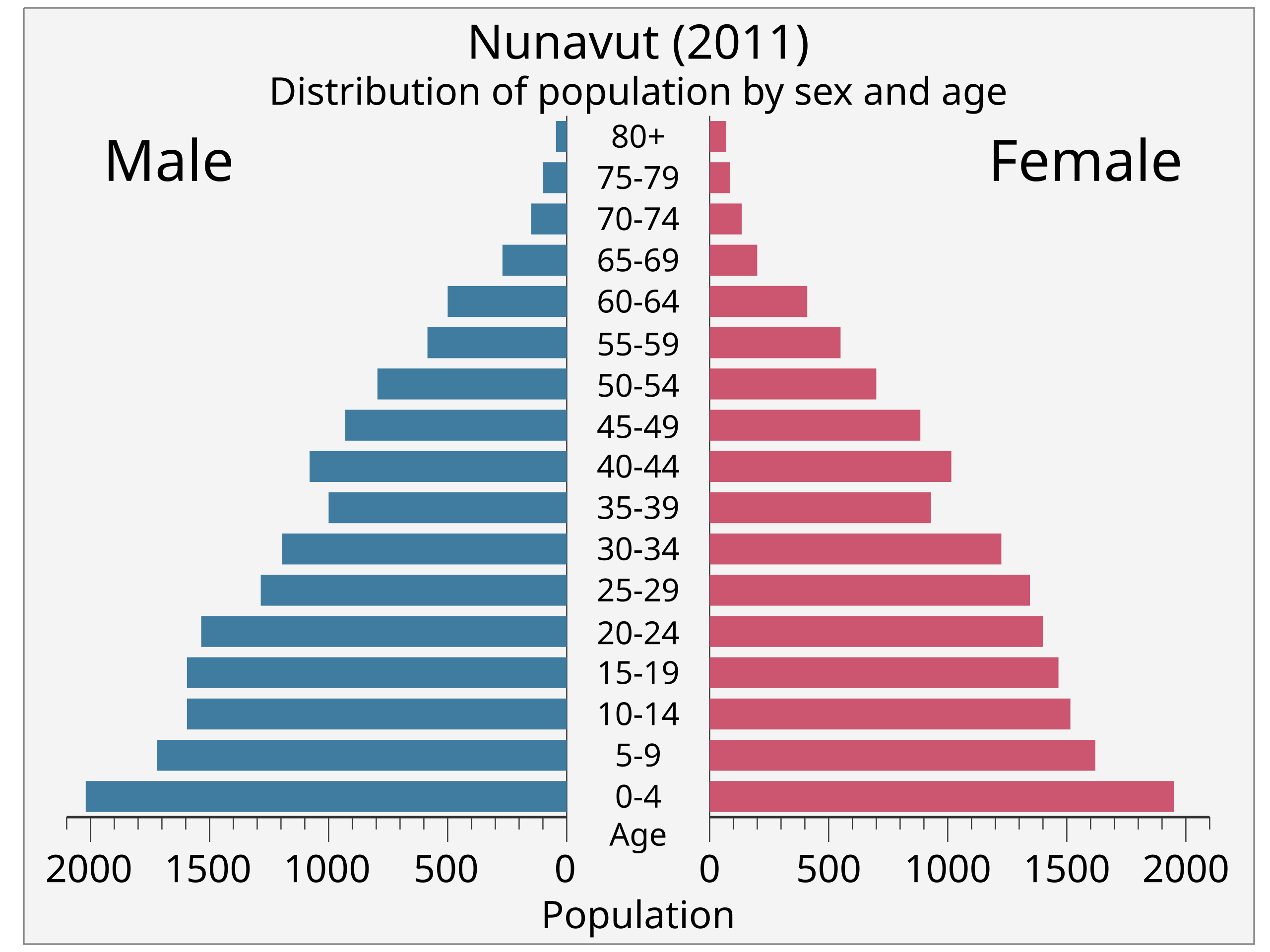
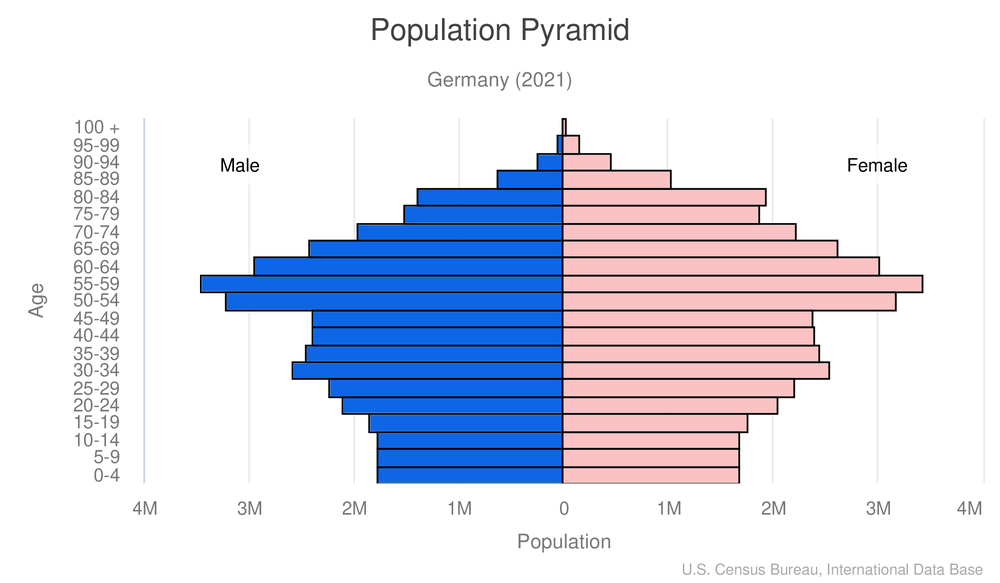
Match each pyramid with the correct description.
| Draggable item | arrow_right_alt | Corresponding Item |
|---|---|---|
| arrow_right_alt | Expanding population |
| arrow_right_alt | Diminishing population |
| arrow_right_alt | Stable population |
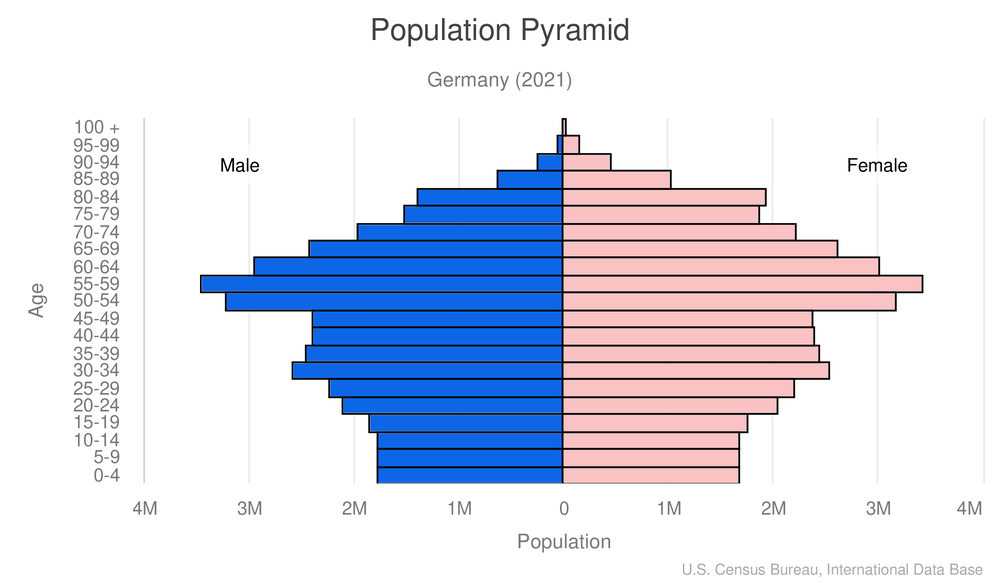
The country represented in the population pyramid would most likely...
Match the purpose and example country to the correct type of policy.
Example of a country that would need the policy: A country with many children under ten and few elderly people over 50
Purpose: Discourages families to have children
Example of a country that would need the policy: A country with many elderly people over 50 and few children under ten
Purpose: Encourages families to have children
Pro-natal policy
Anti-natal policy
When a country provides generous maternity leave policy, this can be considered an example of…
Which of the following is an example of an anti-natal policy?
Which of the following can a population pyramid show? (select all that apply)
Match the term with the correct example.
| Draggable item | arrow_right_alt | Corresponding Item |
|---|---|---|
Refugee | arrow_right_alt | Mary moves from Atlanta, GA to Dallas, Texas. |
Internal migration | arrow_right_alt | Mike moves from the United States to Egypt. |
Evacuee | arrow_right_alt | Margaret leaves her home country to seek safety due to an ongoing civil war. |
Temporary migration | arrow_right_alt | Mitchell leaves his home in Baton Rouge before a hurricane arrives. |
External migration | arrow_right_alt | Marvin moves for a short period of time during the growing season to work on a farm. |
Which of the following would be a cause for people to migrate? (select all that apply)
Match the definition and examples to the type of migration factor.
A nice climate
A better paying job
A civil war
A drought
A factor that encourages someone to leave an area
A factor that encourages someone to move into an area
Push factor
Pull factor
Match the type of impact with the correct example.
| Draggable item | arrow_right_alt | Corresponding Item |
|---|---|---|
Positive impact of emigration (country of origin) | arrow_right_alt | Providing a larger workforce and fueling the economy |
Positive impact of immigration (host country) | arrow_right_alt | Increased stress on infrastructure and services, like hospitals and welfare |
Negative impact of emigration (country of origin) | arrow_right_alt | Relief from overcrowding |
Negative impact of immigration (host country) | arrow_right_alt | “Brain drain” (losing people with higher education) |
Which of the following is an example of an anti-immigration policy?
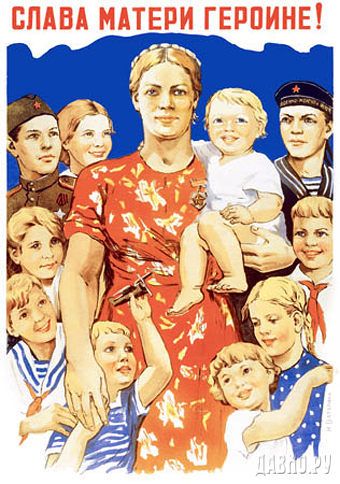
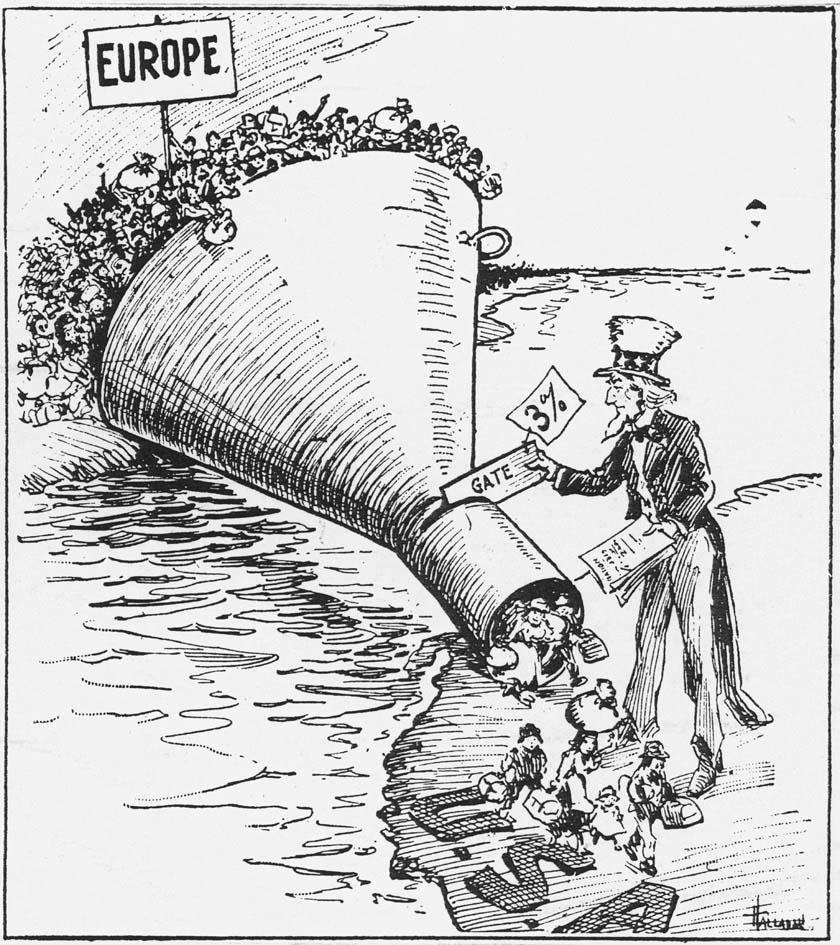
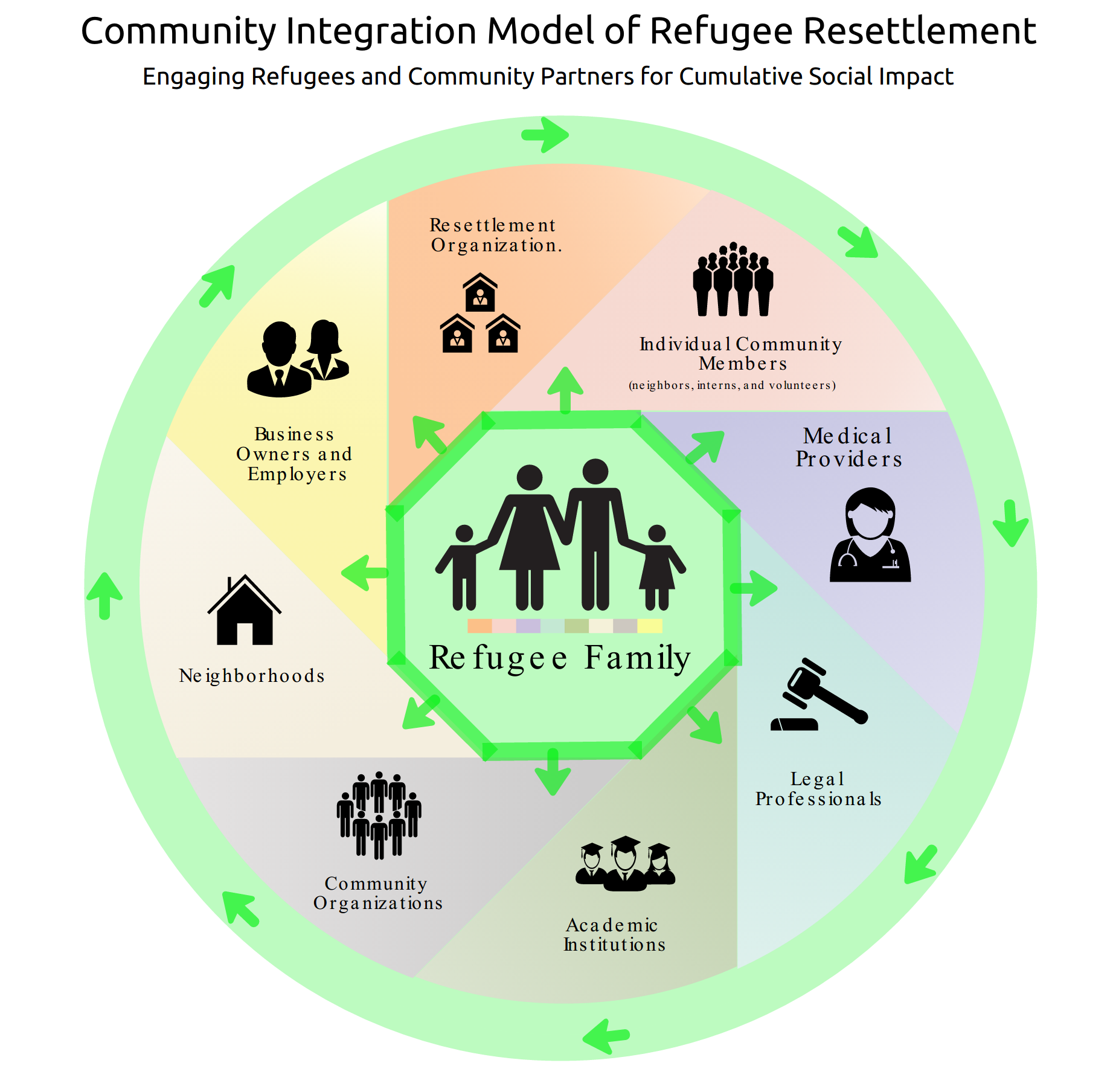
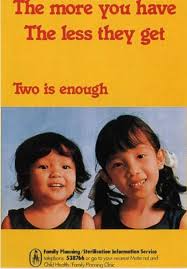
Match each image to the correct type of policy it portrays.
| Draggable item | arrow_right_alt | Corresponding Item |
|---|---|---|
| arrow_right_alt | Anti-immigration policy |
| arrow_right_alt | Pro-immigration policy |
| arrow_right_alt | Anti-natal policy |
| arrow_right_alt | Pro-natal policy |