Ecosystems are constantly changing. They might be modified in small ways, such as a tree falling in the woods or in large ways, such as a forest fire.
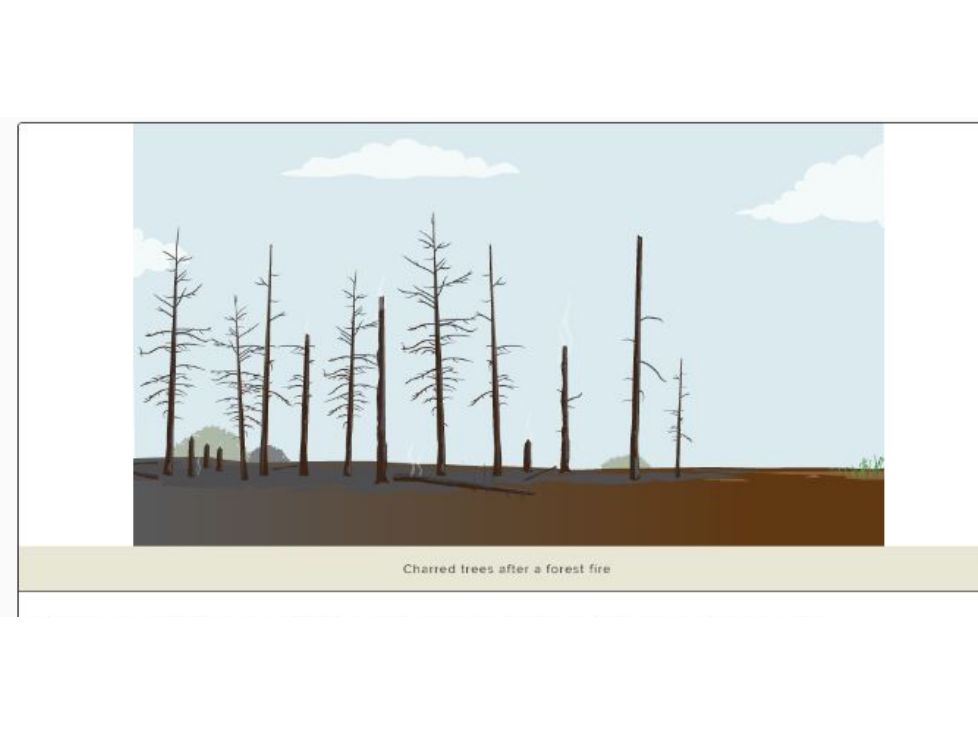
Forest fires can be good and even necessary for a forest community. Forest fires return nutrients to the soil. Some plants, such as fireweed, have seeds that will not sprout until they are heated by fire. Some ecosystems depend on fires to get rid of debris. If fires are prevented, debris builds up to the point where the next fire might burn the shrubs and trees completely. A forest fire might change the habitat so drastically that some species no longer can survive, but other species might thrive in the new, charred conditions.
Primary Succession
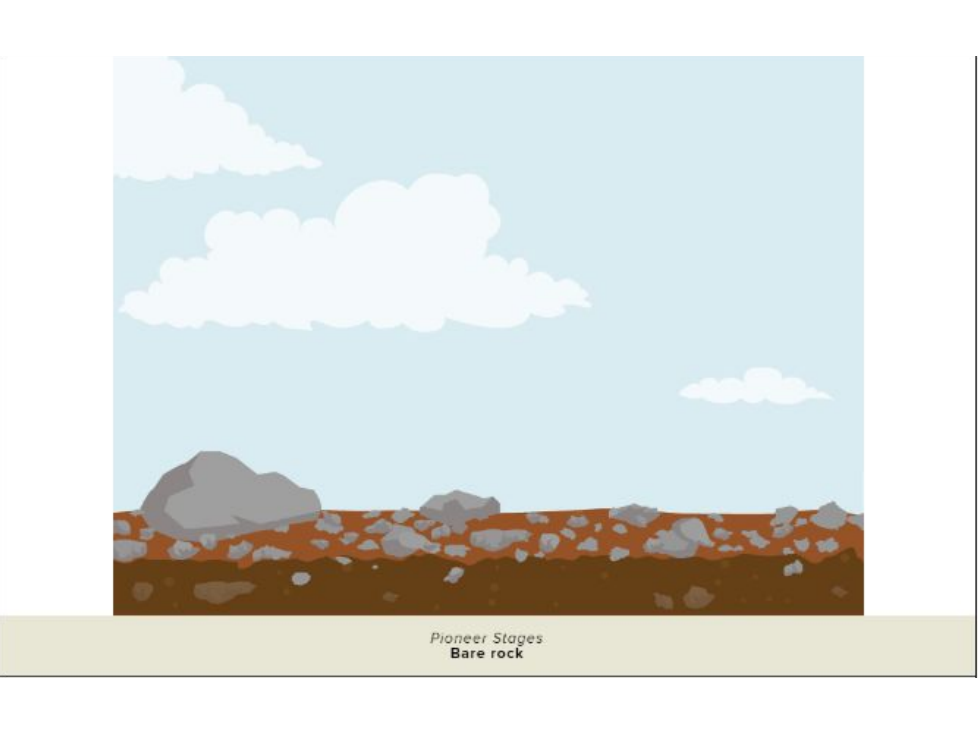
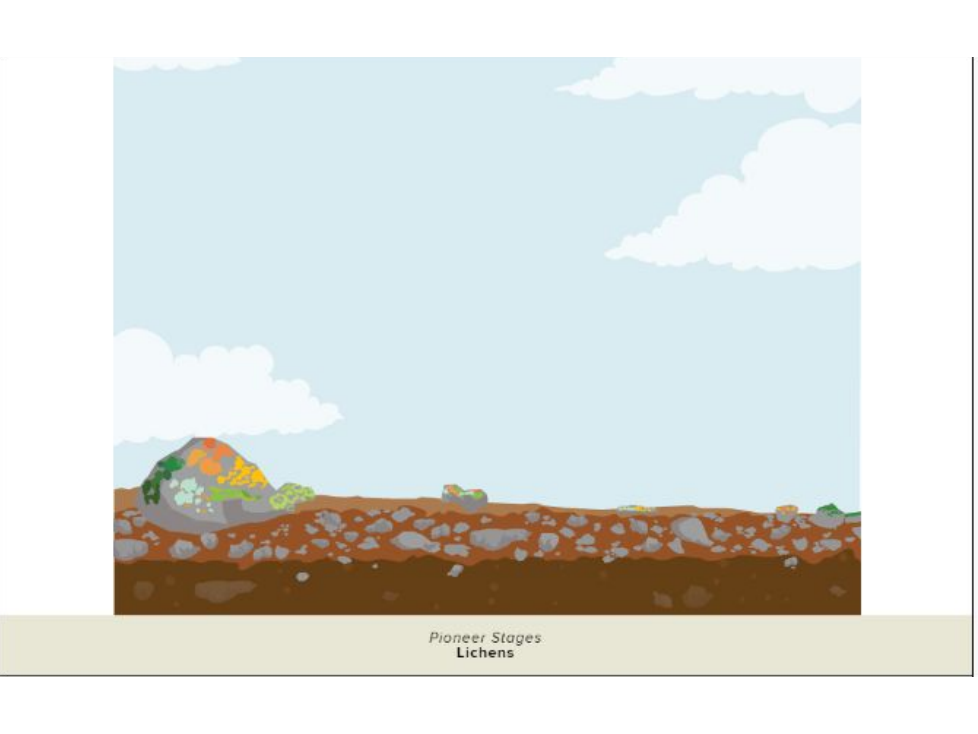
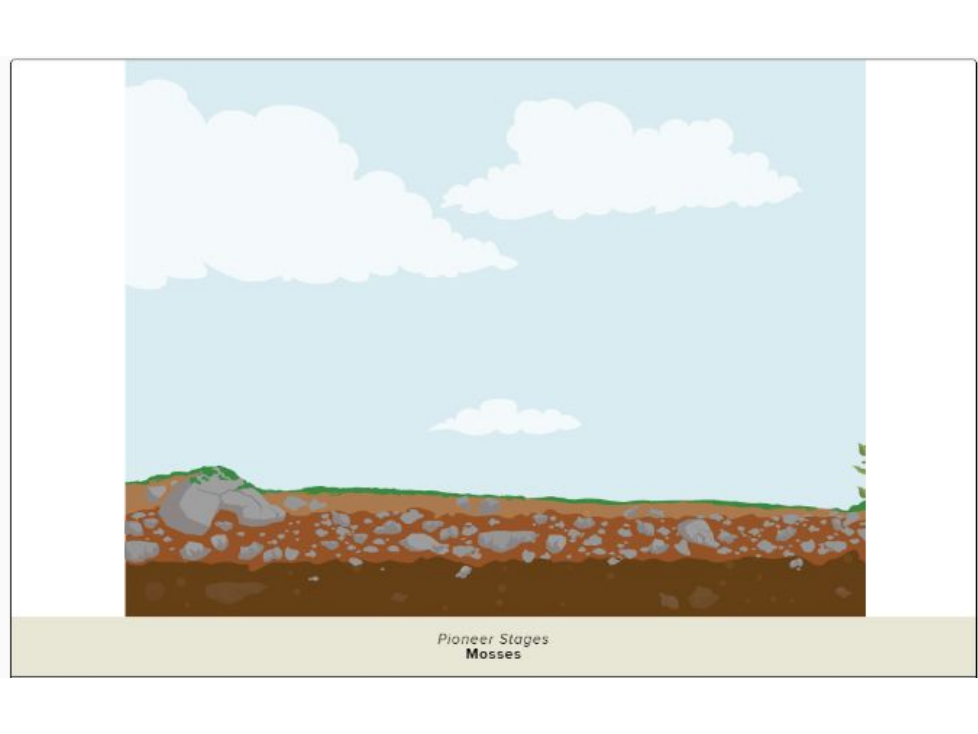
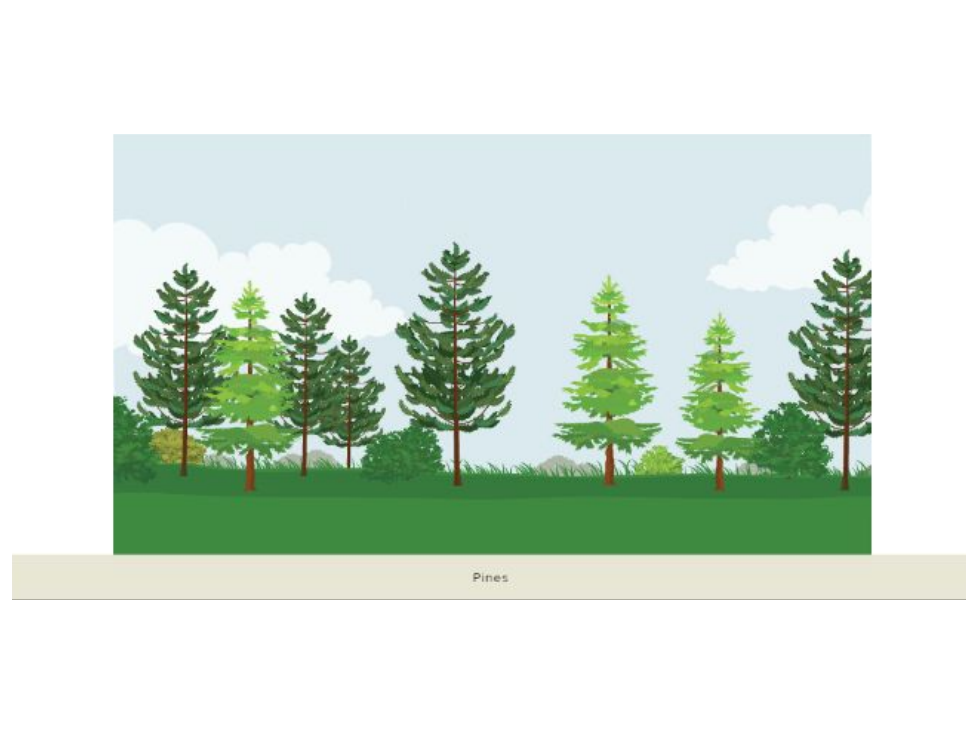
On a solidified lava flow or rocky cliff, no soil is present. If you took samples of each and looked at them under a microscope, the only biological organisms you would observe would be bacteria and perhaps fungal spores or pollen grains that drifted there on air currents. The establishment of a community in an area of exposed rock that does not have any topsoil is primary succession. Primary succession usually occurs very slowly at first. Eventually, the stable, mature community that results when there is little change in the composition of species is a climax community.
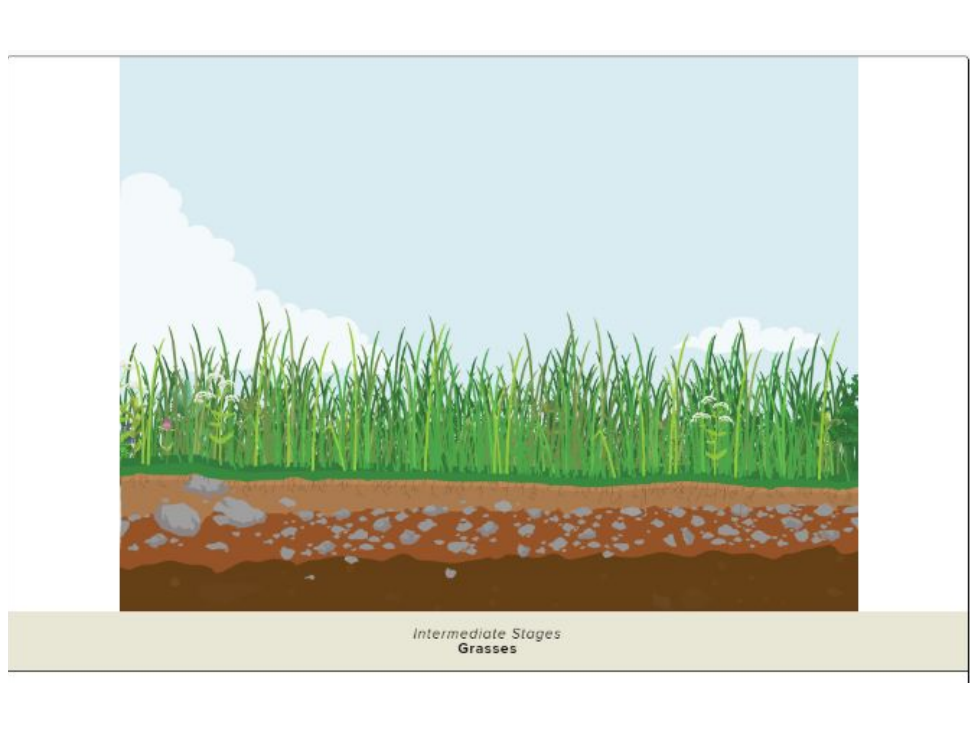
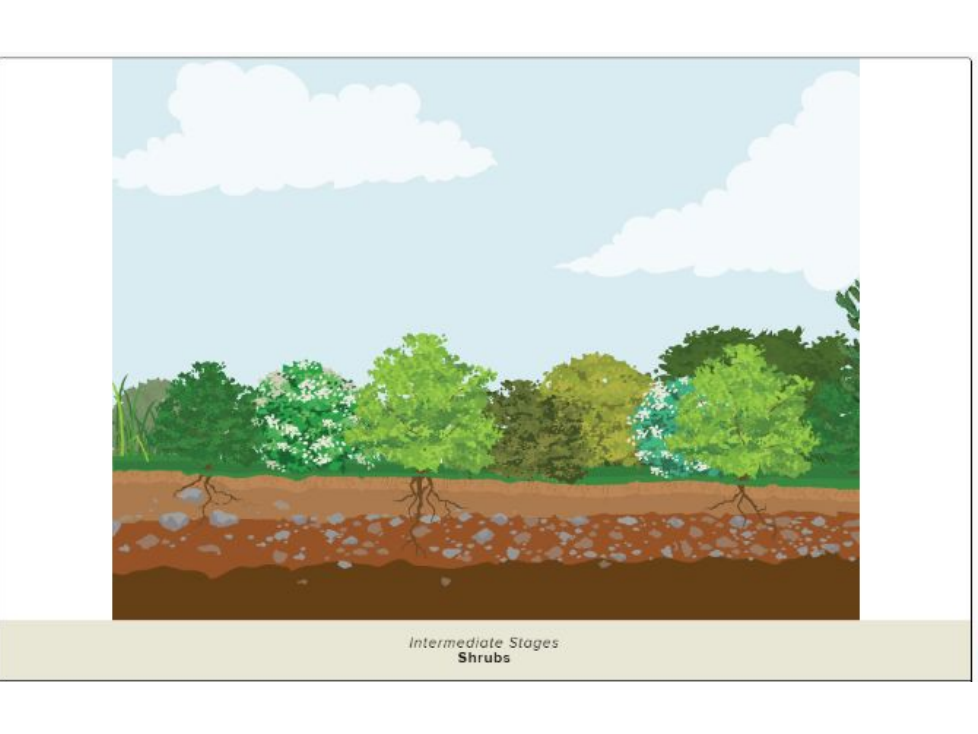
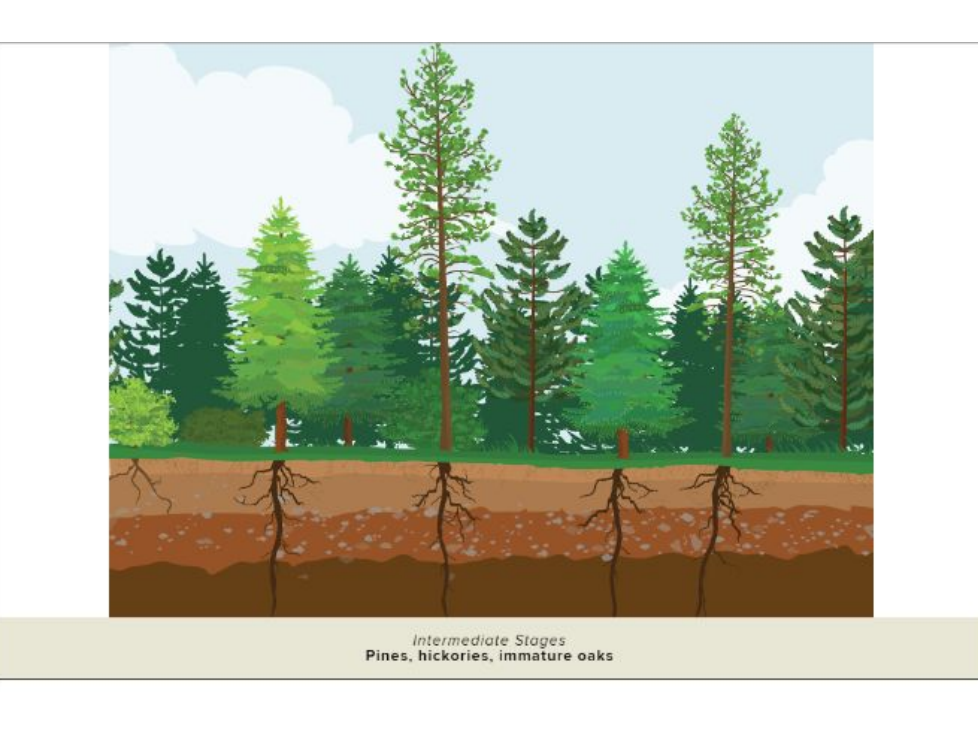
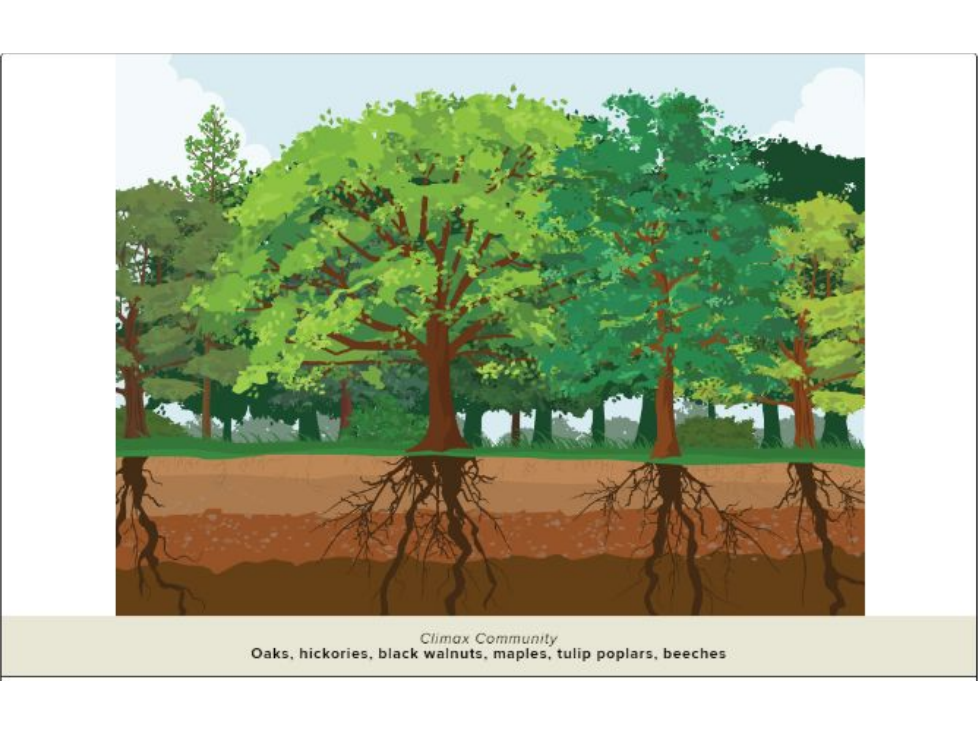
Secondary Succession
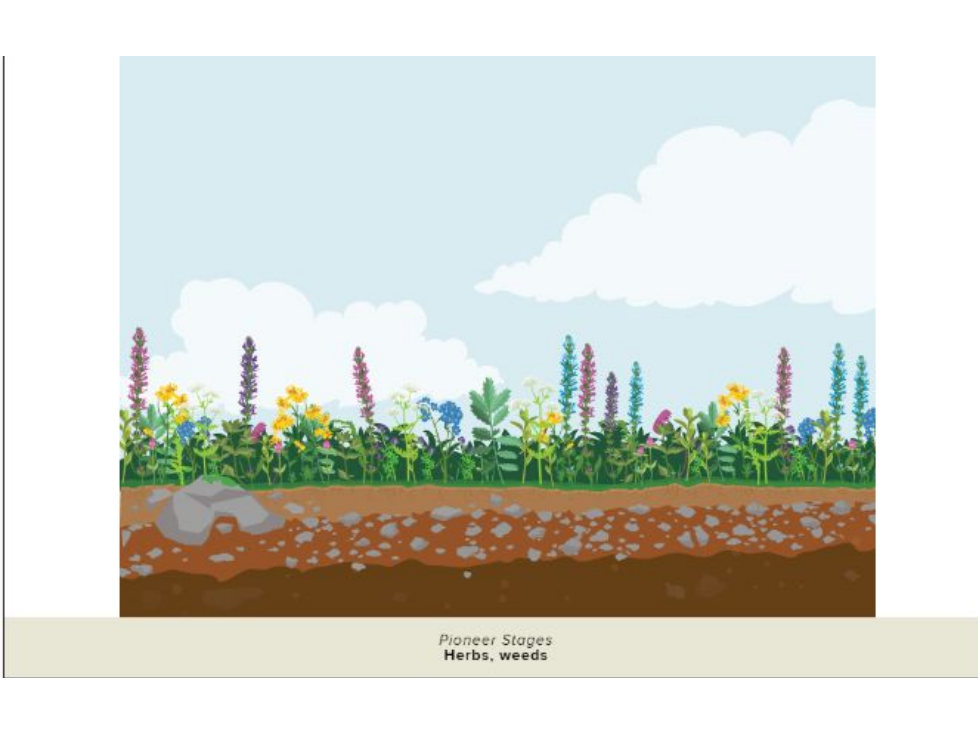
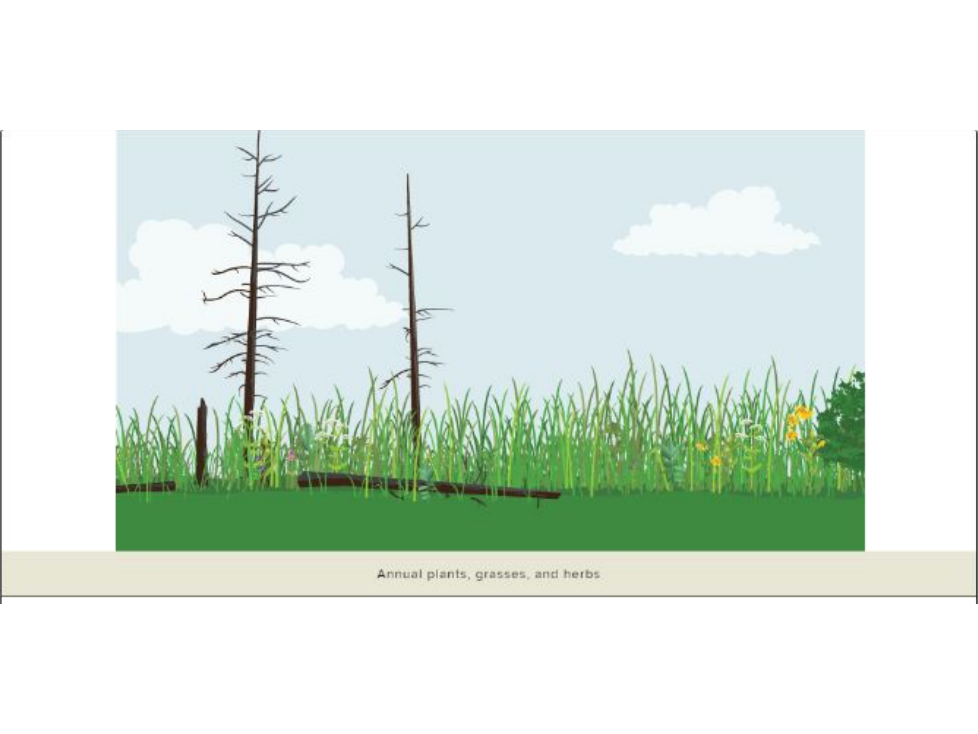
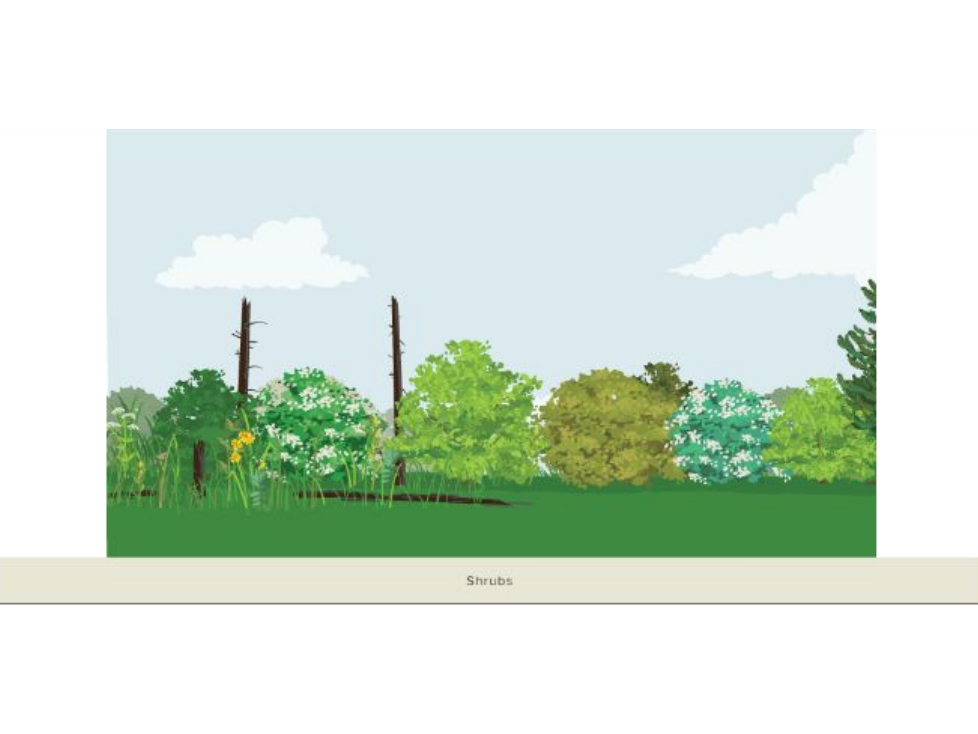
Disturbances such as fire, flood, or windstorm can disrupt a community. After a disturbance, new species of plants and animals might occupy the habitat. Over time, there is a natural tendency for the species belonging to the mature community to return. Secondary succession is the orderly and predictable change that takes place after a community of organisms has been removed but the soil has remained intact. Pioneer species-mainly plants that begin to grow in the disturbed area-are the first species to start secondary succession.
During secondary succession, as in primary succession, the community of organisms changes over a period of time. Secondary succession usually occurs faster than primary succession because soil already exists and some species still will be present (although there might be fewer of them). Also, undisturbed area nearby can be sources of seeds and animals.
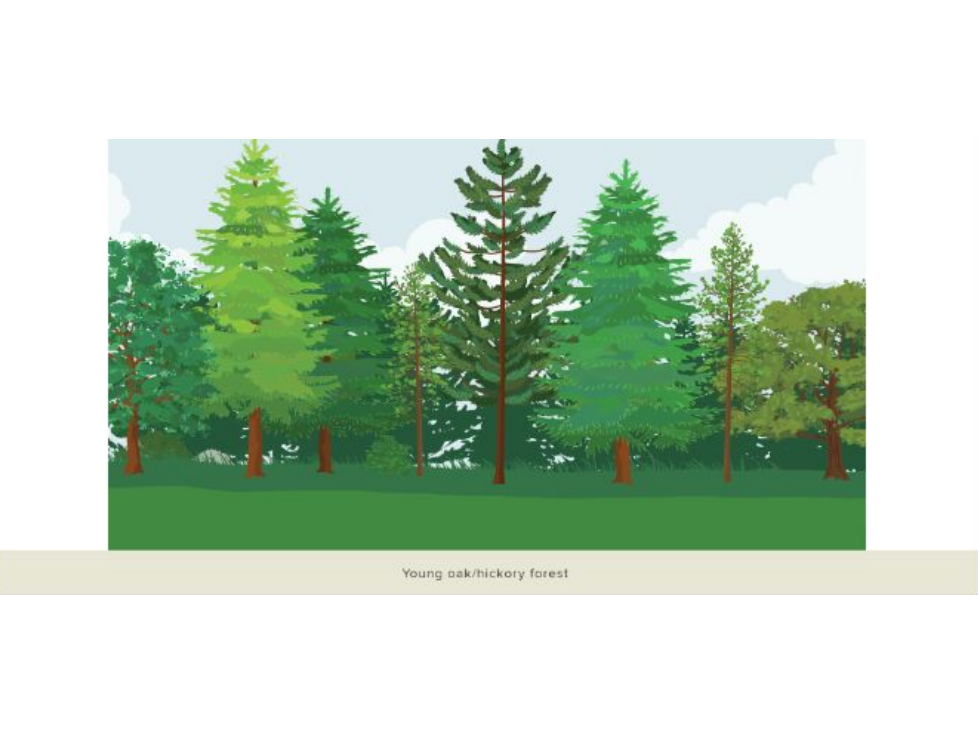
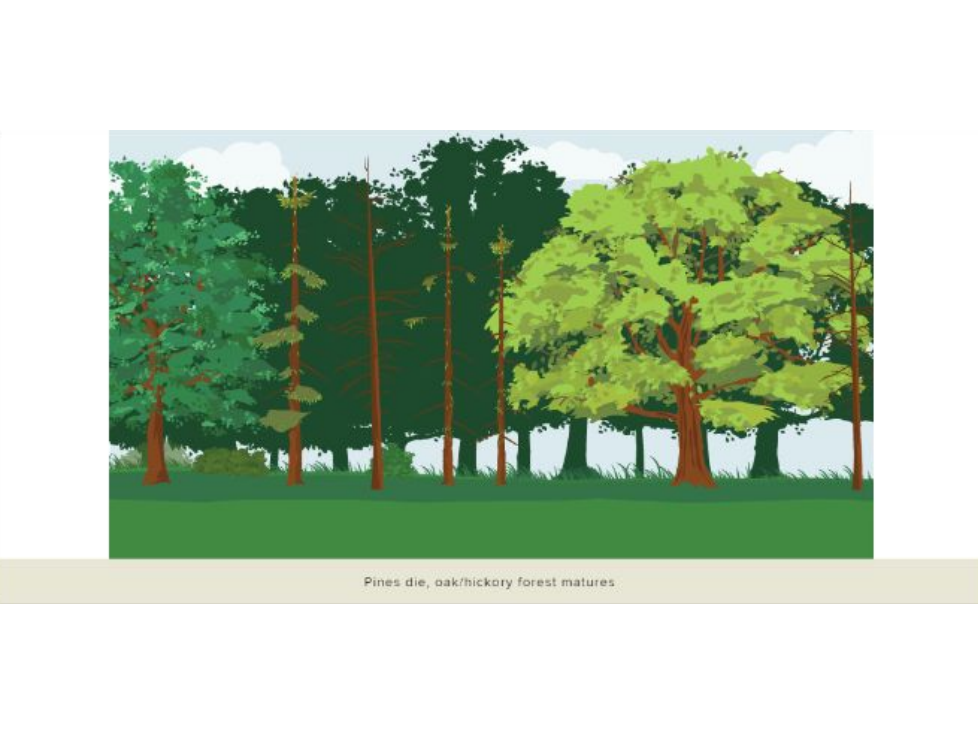
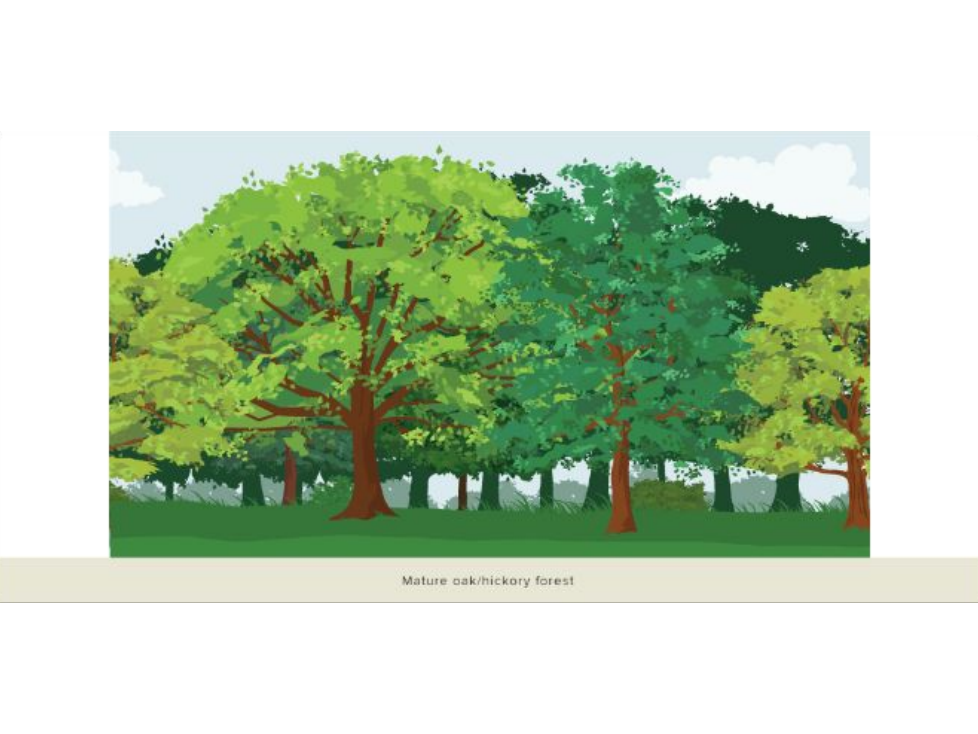
Succession's end point
Ecological succession is a complex process that involves many factors. The end point of succession after a disturbance cannot be predicted. Natural communities are constantly changing at different rates, and the process of succession if very slow. Human activities can also affect the species the might be present.
One community replacing another as a result of changing abiotic and biotic factors is called .
What is a climax community?
How is soil created during primary succession?
What's the difference primary succession & secondary succession?