Log in
Sign up for FREE
arrow_back
Library

The Battle of Gettysburg

star
star
star
star
star
Last updated 10 days ago
12 questions
Note from the author:
The Battle of Gettysburg is widely acknowledged as a the turning-point of the American Civil War. It hold the grizzly record of the most costly battle in American history. In addition to developing a better understanding of the battle itself, this activity will help you better understand warfare in the late 19th century, especially the difficulties generals faced in making strategic decisions. Throughout the battle, you'll be required to make important choices, and sometimes, a little luck will determine your success.
Untitled Section 1
Required
3
Prologue
Round 2
Round 3
Round 4
Round 5

How to Play

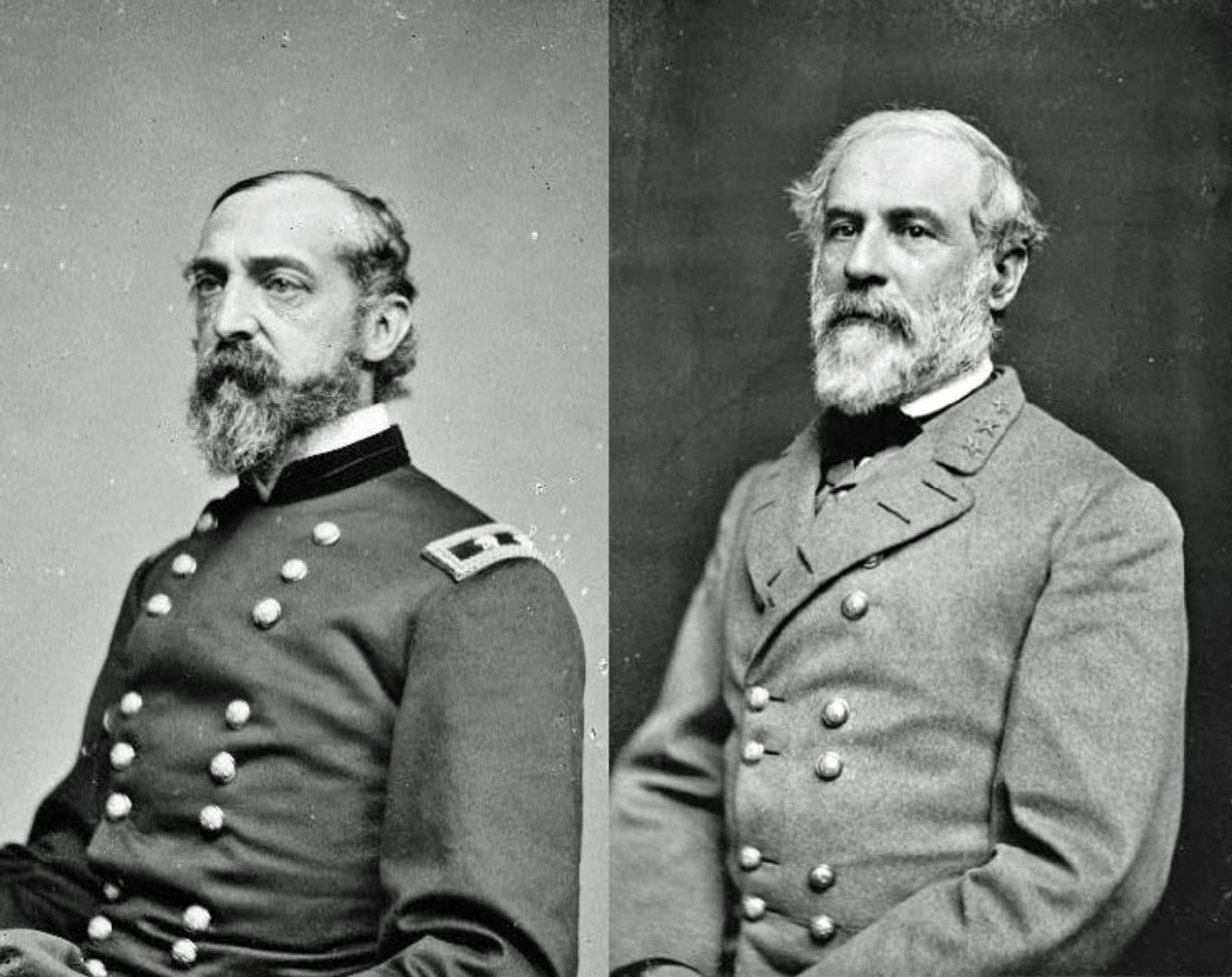
You’ll take on the role of General George Meade, leading the Union Army against the Confederacy’s most feared commander, General Robert E. Lee. In each round, you’ll issue a crucial order that could shape the outcome of the battle. To claim victory, you must inflict more losses on Lee’s army than he does on yours.

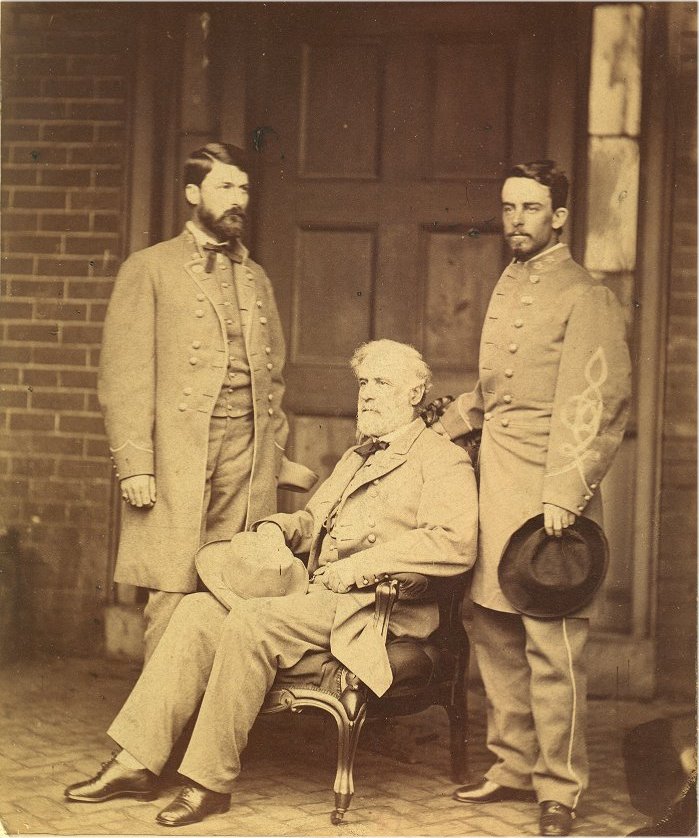
(Below) (Right) George Meade, (Left) Robert E. Lee

Each time you attack or defend, you'll choose between using artillery, cavalry, or infantry. Making smart choices is important, but the outcome also depends on a roll of the dice to see how your strategy plays out.

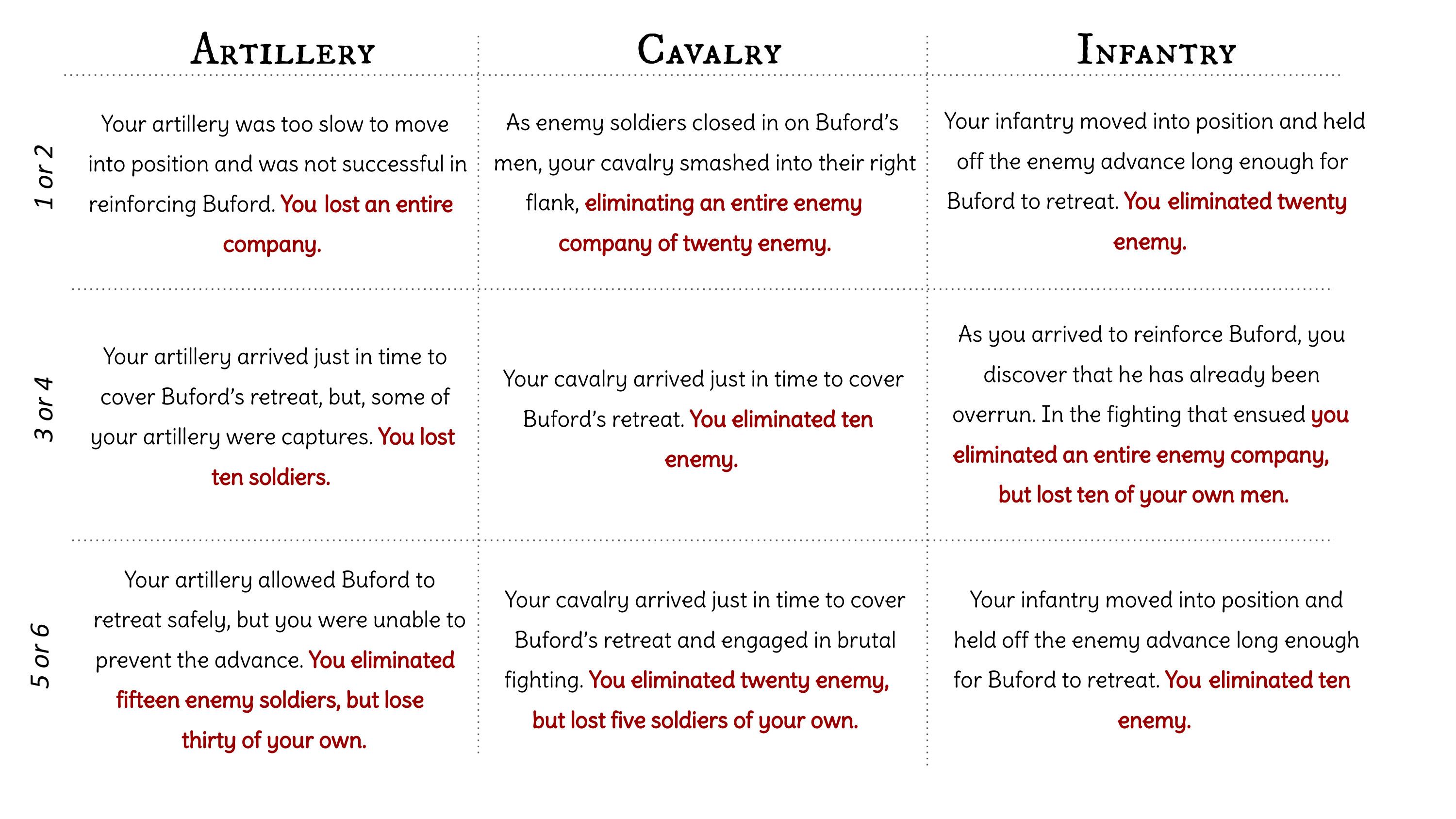
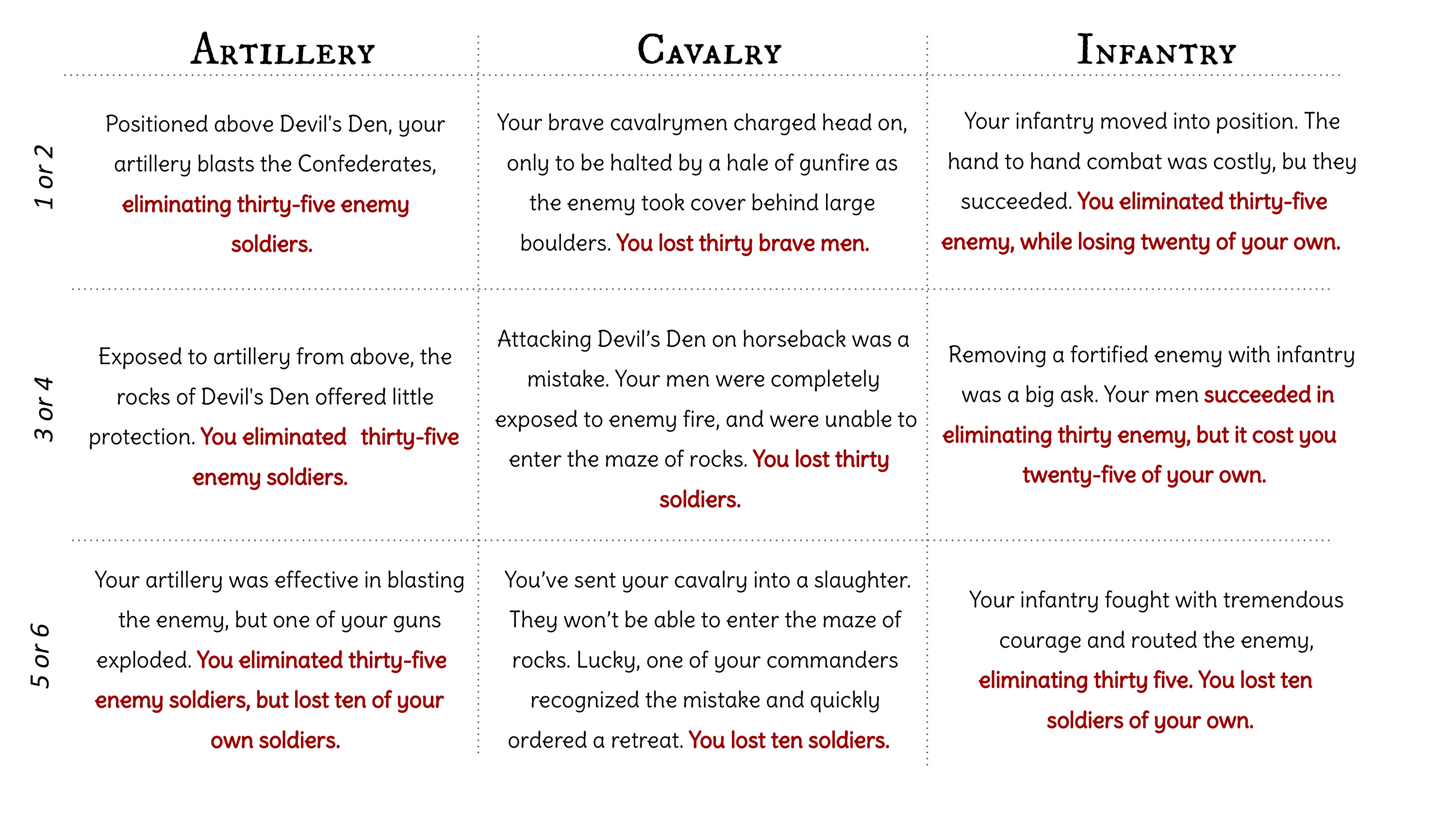
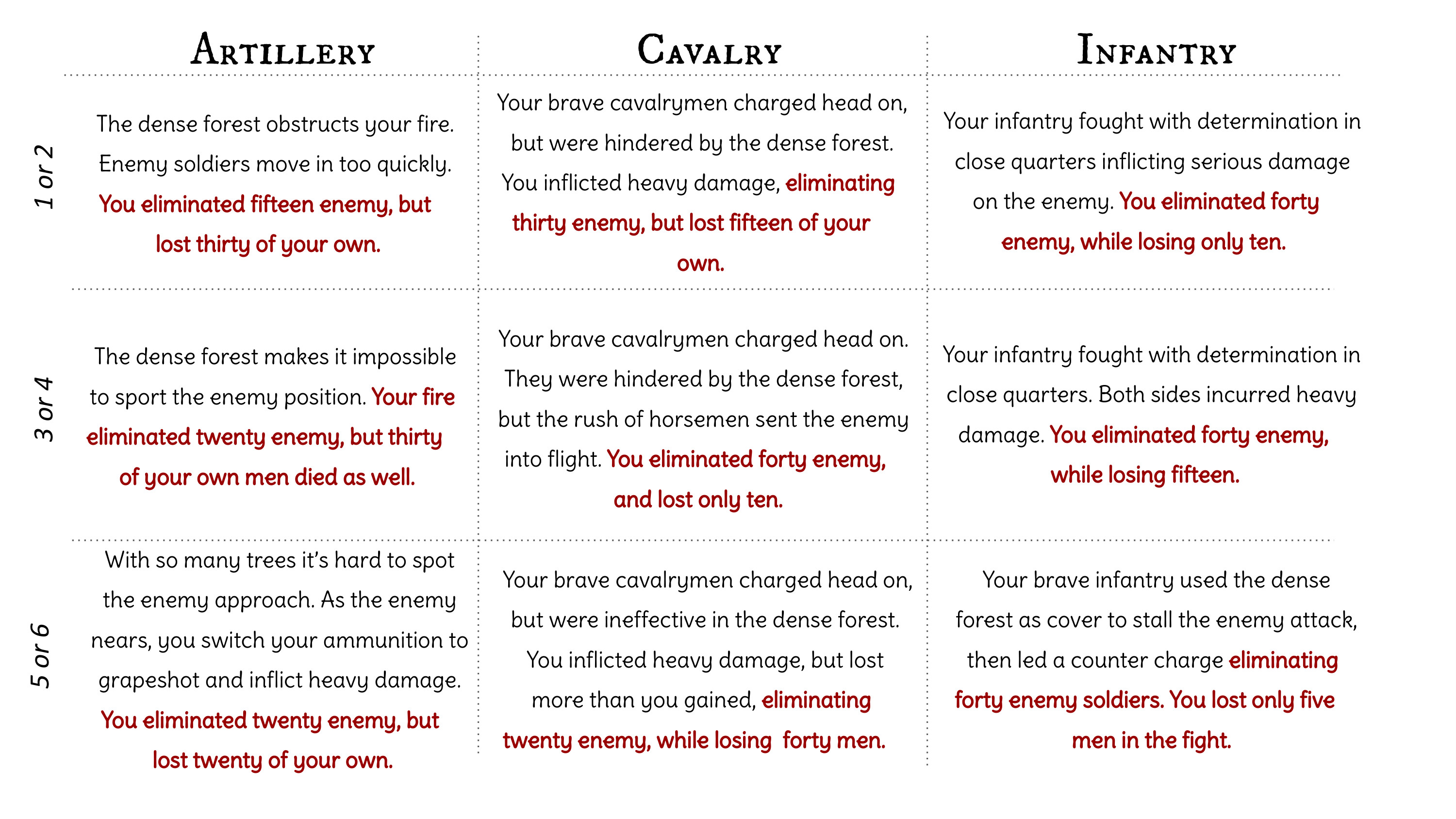
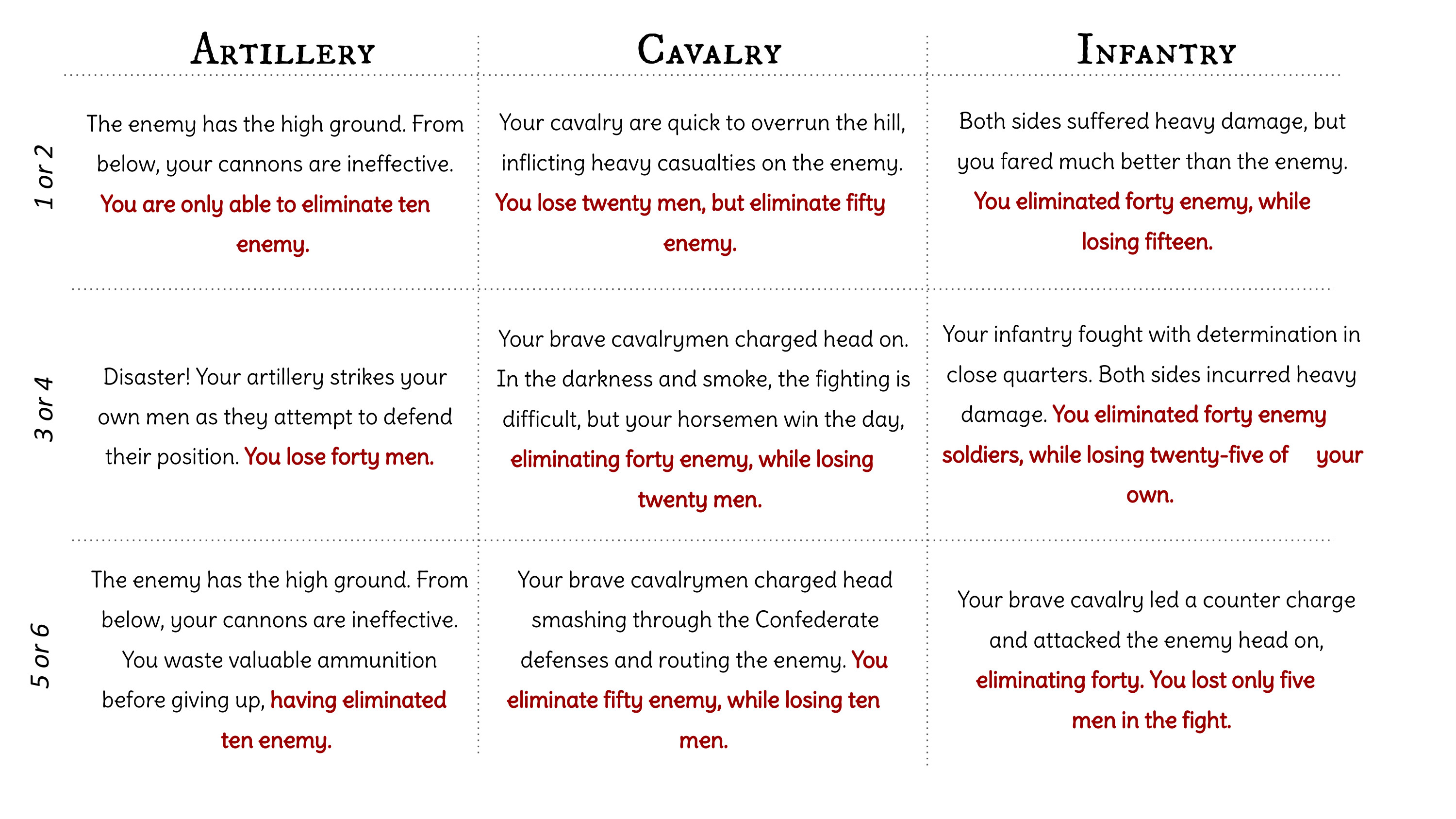
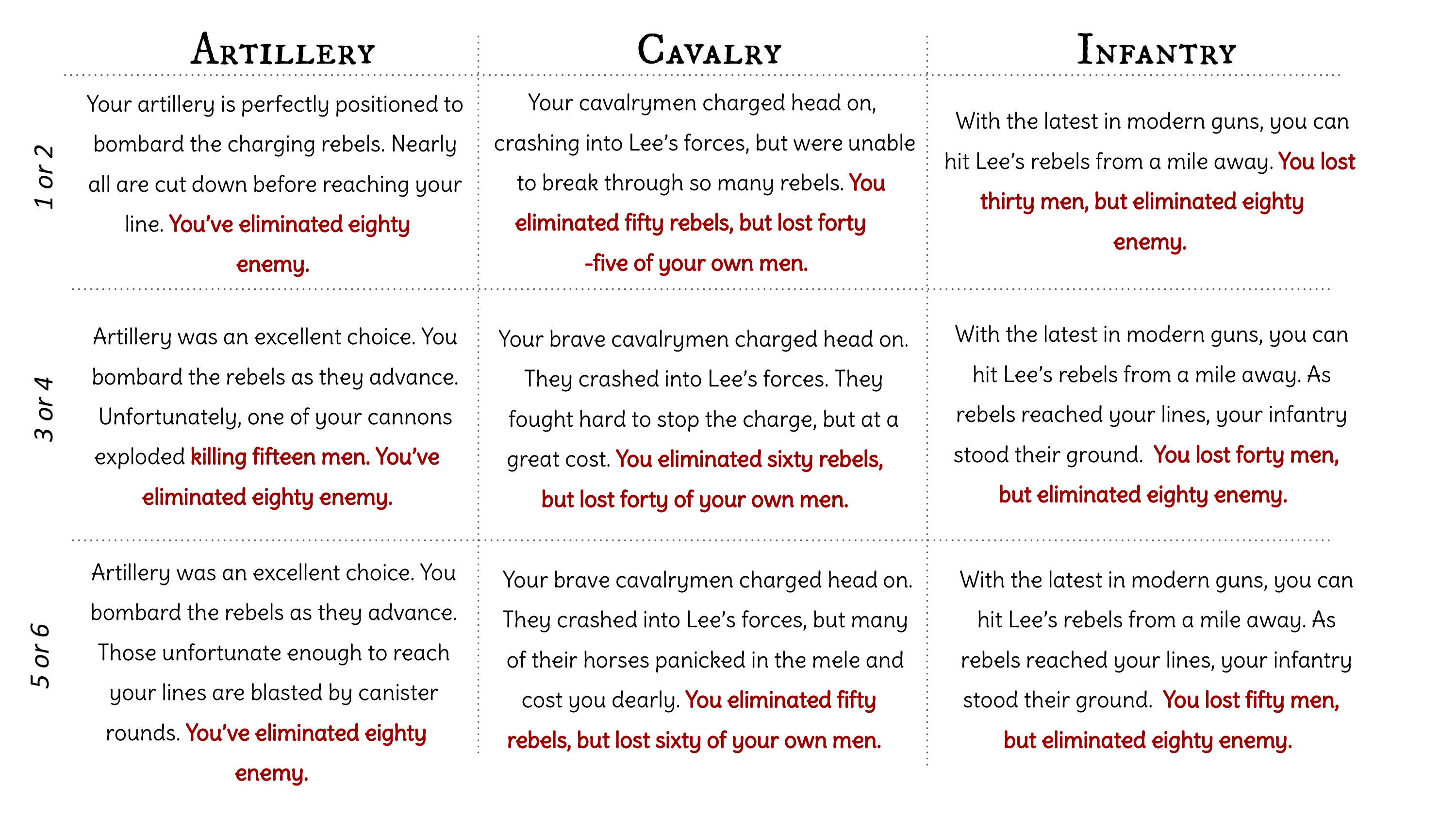
When it’s time to give your orders, roll the dice to determine the result of your decision. Then, use the outcome guide for that round to find out what happened, including how many enemy soldiers you eliminated and how many of your own soldiers were lost.

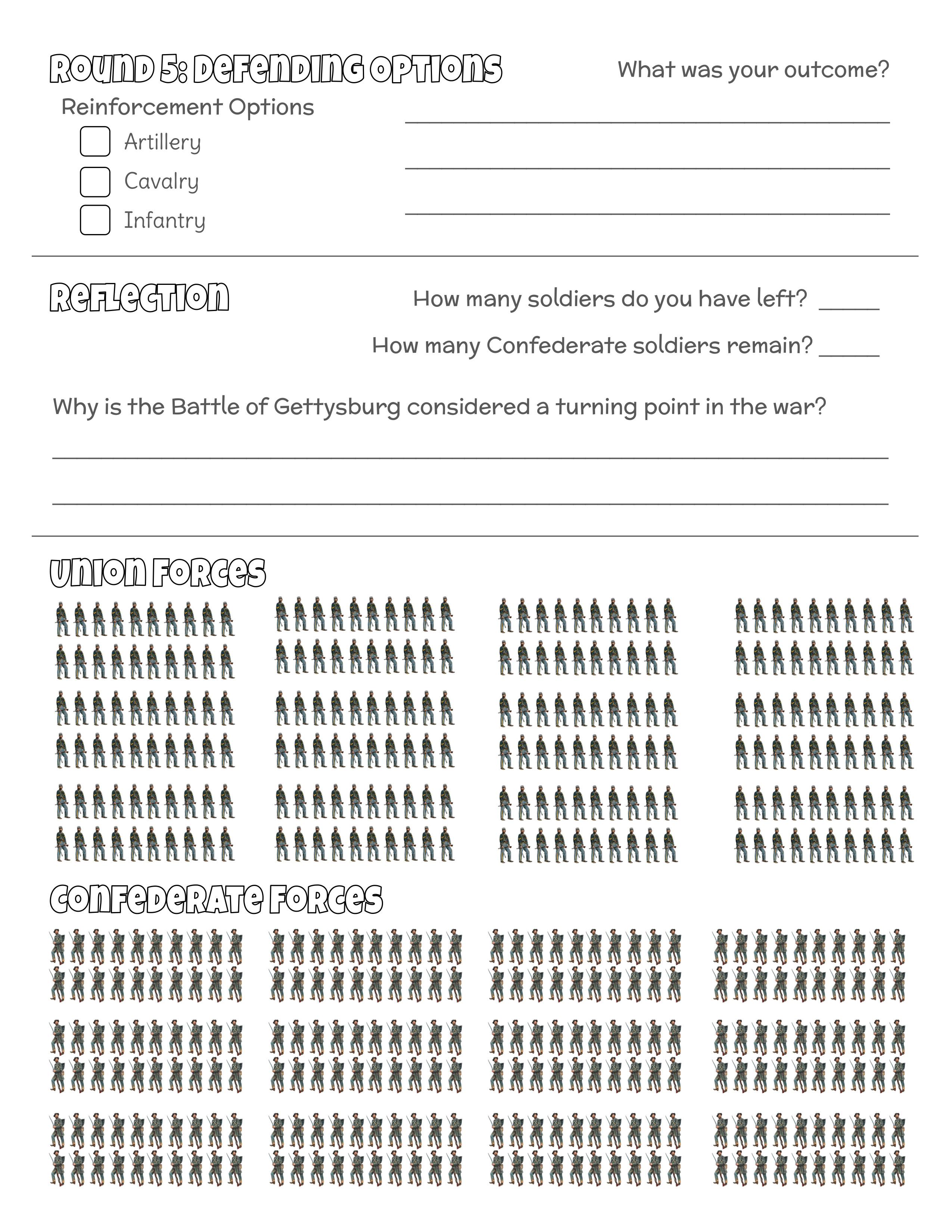
Between rounds, General Lee will launch counterattacks, causing both sides to lose additional soldiers. As troops are eliminated, make sure to remove them from their respective ranks on your scorecard. You’ll win the battle if, by the end, your army has more soldiers remaining than Lee’s.


Choosing A Strategy

To make wise choices in each round, it's important to keep in mind the advantages and disadvantages of the tools at your command. Artillery, cavalry, and infantry make up the main elements of your forces. Let's consider why and how you might choose one over the others.

Artillery


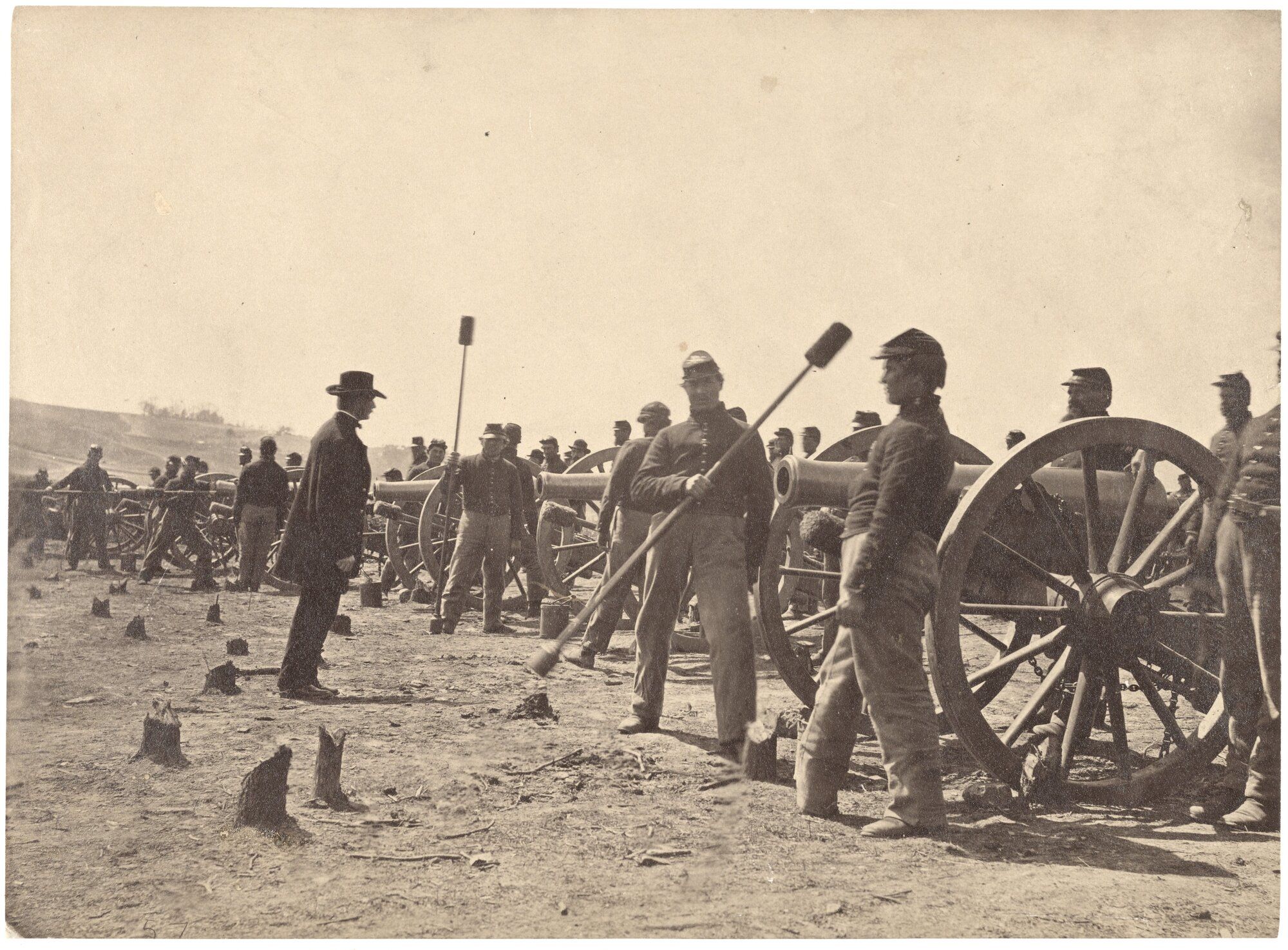
Artillery refers to large, powerful guns, like cannons and howitzers, used to fire explosive shells over long distances. Artillery played a major role in the battle, especially during moments like Pickett’s Charge, when Union cannons were used to devastating effect against advancing Confederate troops.

Advantages:
  • Artillery could hit enemy soldiers from far away.
  • It was very effective at breaking up large groups of troops in the open.
  • It could defend key positions like hills or ridges by firing down on attackers.
Disadvantages:
  • Artillery was hard to move, especially over rough terrain.
  • It took time to reload between shots.
  • Crews were exposed and could be targeted if the enemy got too close.

Cavallry


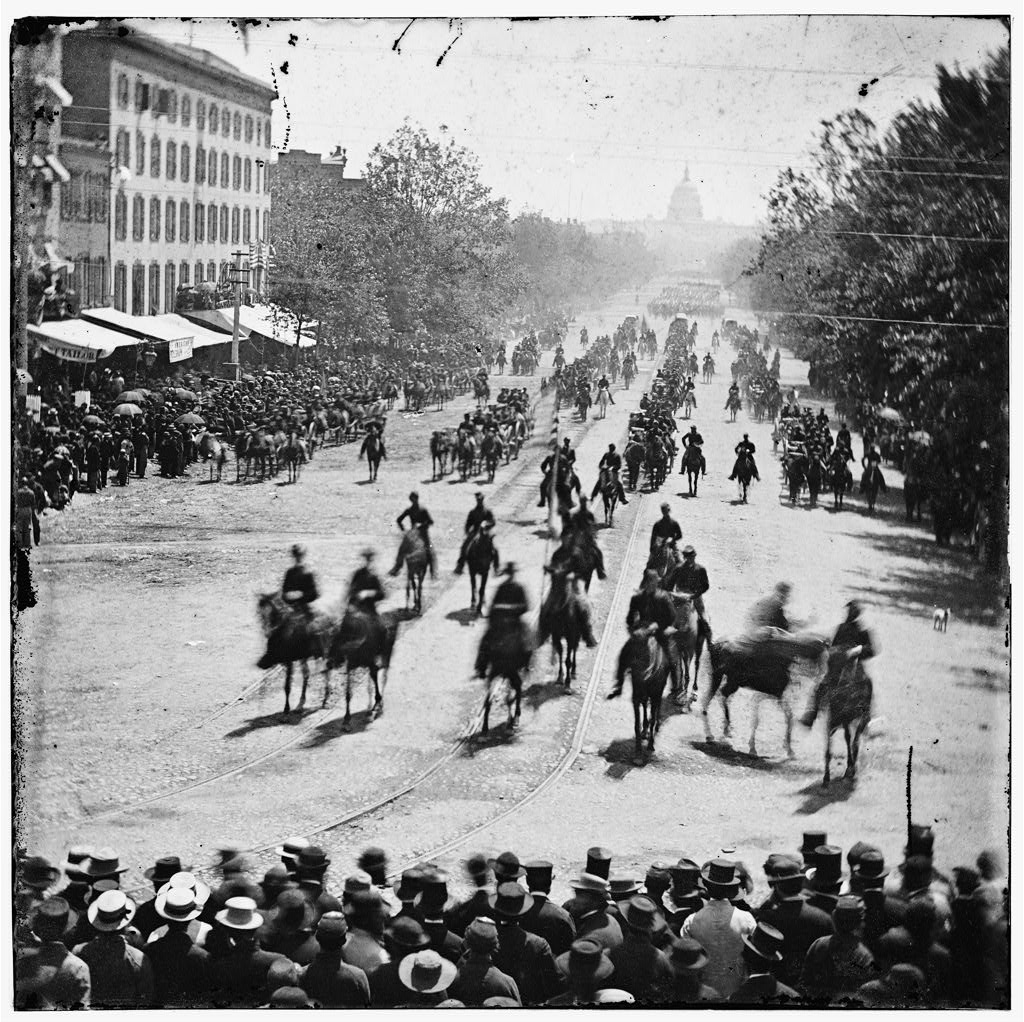
Cavalry refers to soldiers who fight on horseback. Cavalry units were used mostly for scouting, quick attacks, and disrupting enemy supply lines. General Buford’s cavalry played a key role early in the battle by slowing down the Confederate advance and holding ground until Union reinforcements arrived.

Advantages:
  • Cavalry could move quickly across the battlefield.
  • They were excellent at scouting and gathering information about the enemy.
  • They could surprise enemy troops with fast attacks and flanking maneuvers.
Disadvantages:
  • Cavalry was vulnerable to rifle and artillery fire.
  • They were less effective in rough or wooded terrain.
  • Horses needed food, water, and rest, which made them harder to support during long battles.

Infantry


Infantry made up the majority of both the Union and Confederate armies. These foot soldiers fought in large groups using rifles, bayonets, and other weapons. Most of the fighting, especially during famous moments like Pickett’s Charge, was done by infantry on both sides.

Advantages:
  • Infantry could hold and defend ground more effectively than cavalry or artillery.
  • They were more flexible in different types of terrain, including forests, hills, and towns.
  • Infantry could fight at close range and use coordinated attacks to push forward.
Disadvantages:
  • Infantry moved slowly and were vulnerable when crossing open ground.
  • They suffered heavy losses when facing artillery or when poorly positioned.
Question 1
1.

Select the correct advantage and disadvantage for each category below.

Artillery

Infantry

Cavalry

Advantage: The ability to hit targets from far away.
Disadvantage: Needed food, water, and rest.
Advantage: More flexible in different types of terrain, including forests, hills, and towns.
Disadvantage: Moved slowly and were vulnerable when crossing open ground.
Advantage: Excellent at scouting and gathering information
Disadvantage: Hard to move, especially over rough terrain.

Why did Lee risk another invasion?

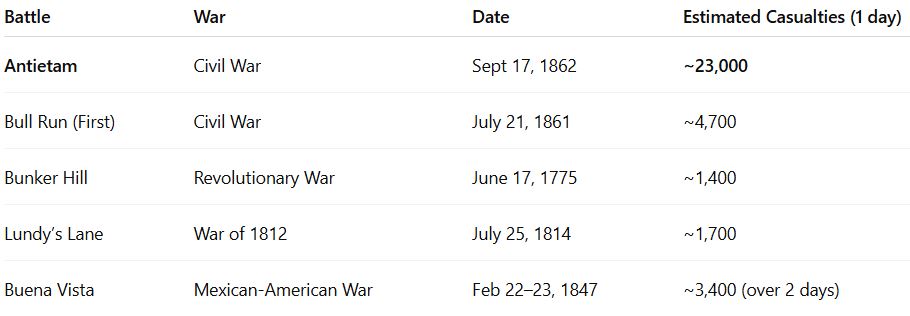
Lee's 1863 invasion of Pennsylvania wasn't his first attempt to take the war to the North. The year prior, in 1862, Lee's first invasion ended in a defeat that nearly cost him his army. At Antietam, facing Union General George McClellan, Lee found himself heavily outnumbered and suffering heavy losses. With his army facing destruction, Lee was able to disguise his retreat and slip from McClellan's grasp.

Though technically a victory, the loss of life at Antietam shocked the northern public. In a single day of fighting, Union forces suffered more than 12,000 casualties. It was the costliest single day of fighting in American history, a distinction still held today.


Northern newspapers criticized the victory. Lincoln feared that if casualties remained high, especially on Union soil, the public might turn against the war effort altogether.

"Victory? Yes, but such a victory as one may weep over."

—Editorial, New York Times, September 1862

By the spring of 1863, Virginia had suffered badly from constant fighting. Battles like Fredericksburg and Chancellorsville had damaged farms, towns, and railroads, making it harder to feed Lee’s army and the civilian population. By moving into Union territory, Lee hoped to force the Union Army to chase him, giving Virginia’s farms a chance to recover. He also wanted to gather fresh supplies from the rich Pennsylvania farmland and possibly threaten Northern cities. Lee believed that a major victory on Northern soil might weaken public support for the war in the North and put political pressure on President Lincoln to negotiate peace.

On June 3, 1863, he began his second invasion of the North. Lee's 75,000-strong Army of Northern Virginia was in high spirits. Two goals influenced his decision.
  • Provide relief for Virginia by luring the Union Army north.
  • Shock the Union public by bringing the war back to the North.
  • Plunder the food-rich farmland of Pennsylvania to feed his starving army.
Required
1
Required
1

Why Gettysburg?

If given the choice, neither general would have wanted to fight a pitched battle at Gettysburg. So, why did the town become the scene of the largest and most consequencial battle of the war? The answer is both simple and surprising. The battle was fought at Gettysburg because it was the nearest town when both armies ran into each other accidentally.

As reports of Lee's invasion reached Washington, D.C., Major General George Gordon Meade took charge of the 90,000-man Army of the Potomac. Under orders to keep his forces positioned between Lee and Washington, D.C., Meade moved cautiously. While preparing to defend the capital if necessary, he closely tracked Lee’s movements, waiting for an opportunity to strike.

On July 1, 1863, Confederate troops went into the nearby town of Gettysburg to look for shoes and supplies. There, they unexpectedly ran into Union cavalry under the command of General John Buford. Both sides quickly returned to their respective generals to report the enemy's location. The race to Gettysburg was on.

(Above) General Robert E. Lee and his staff at his home in Richmond, Virginia, April, 1865
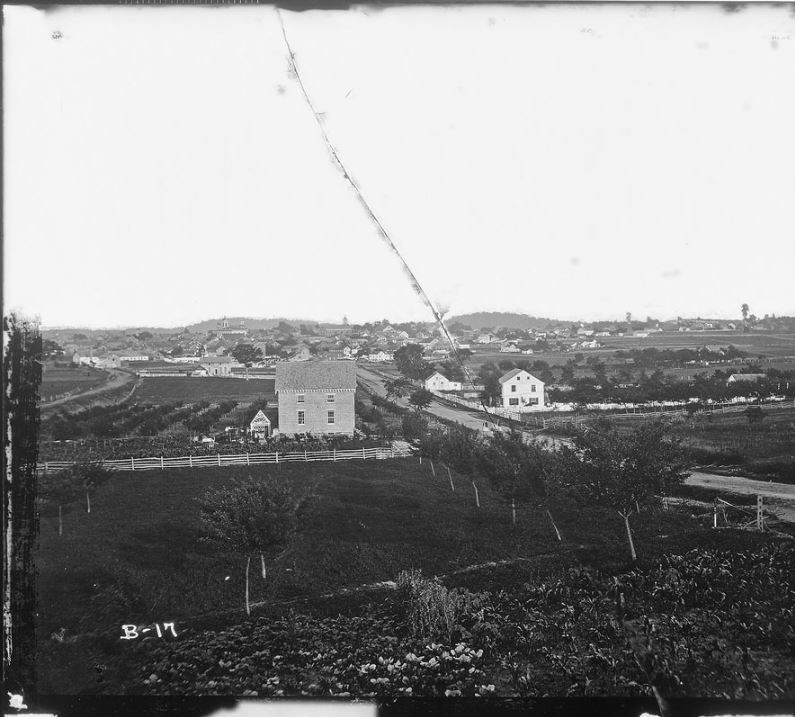
(Above) A view of Gettysburg captured by photographer Mathew Brady. (Mathew Brady/National Archives)

Decision 1

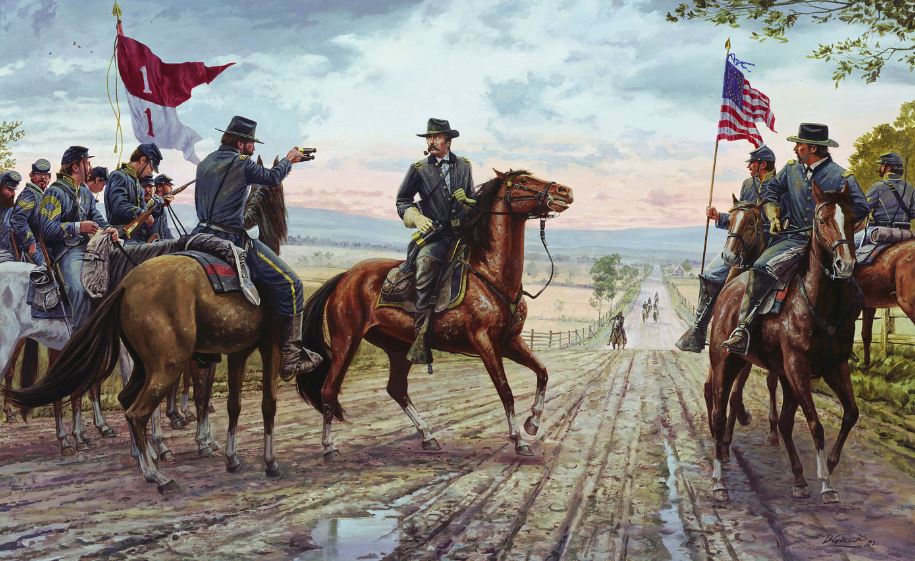
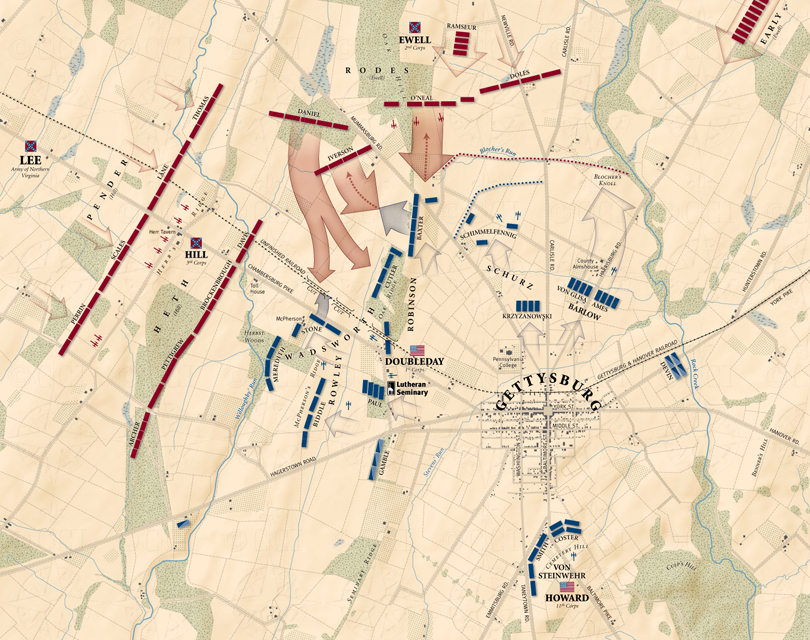
As Confederate soldiers approach Gettysburg from the west, General Buford’s cavalry moves to halt their advance. Within hours, one of Buford’s officers gallops into camp with a desperate message. Buford’s lines will fail if he is not reinforced as quickly as possible.


*Make your decision, then roll the dice.
Required
0

Decision 2

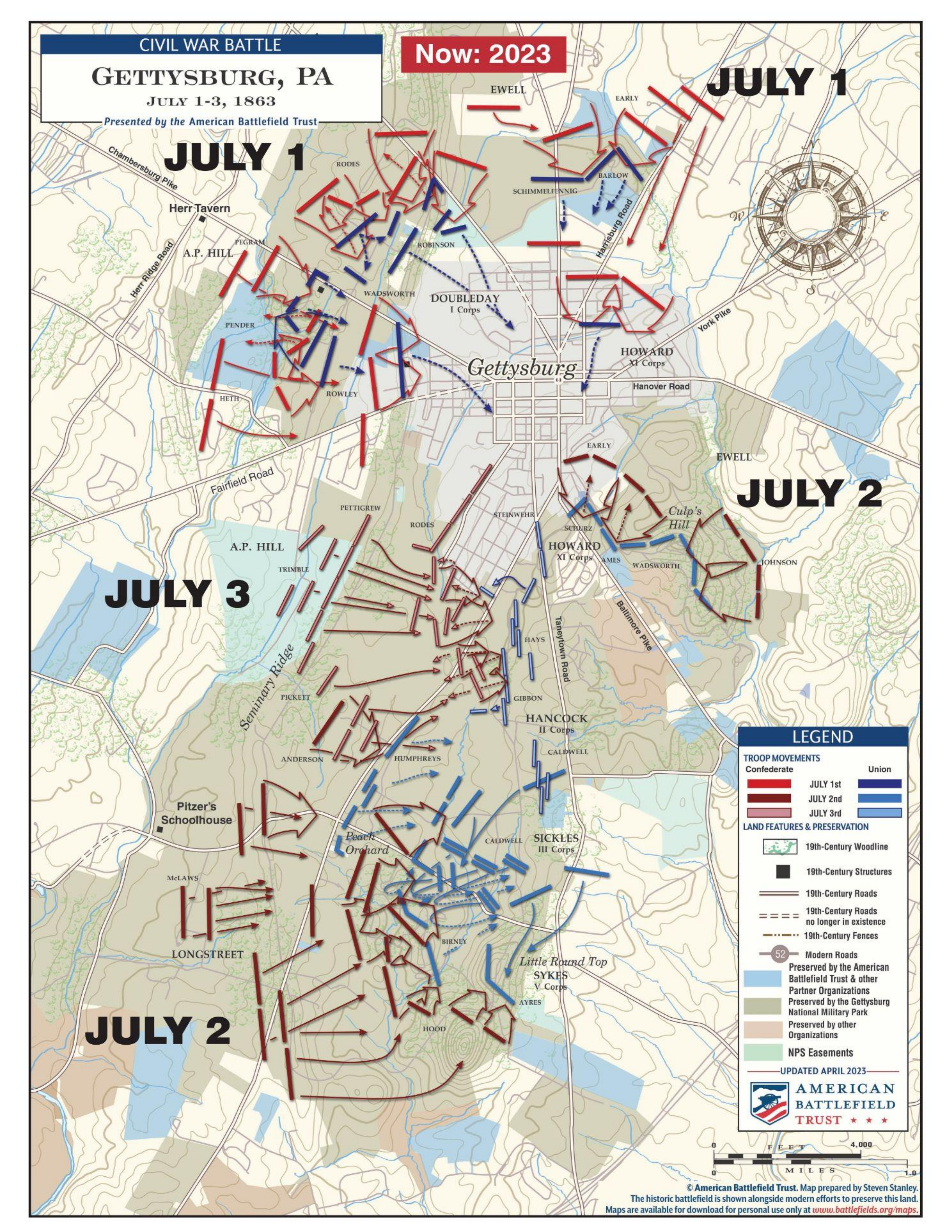
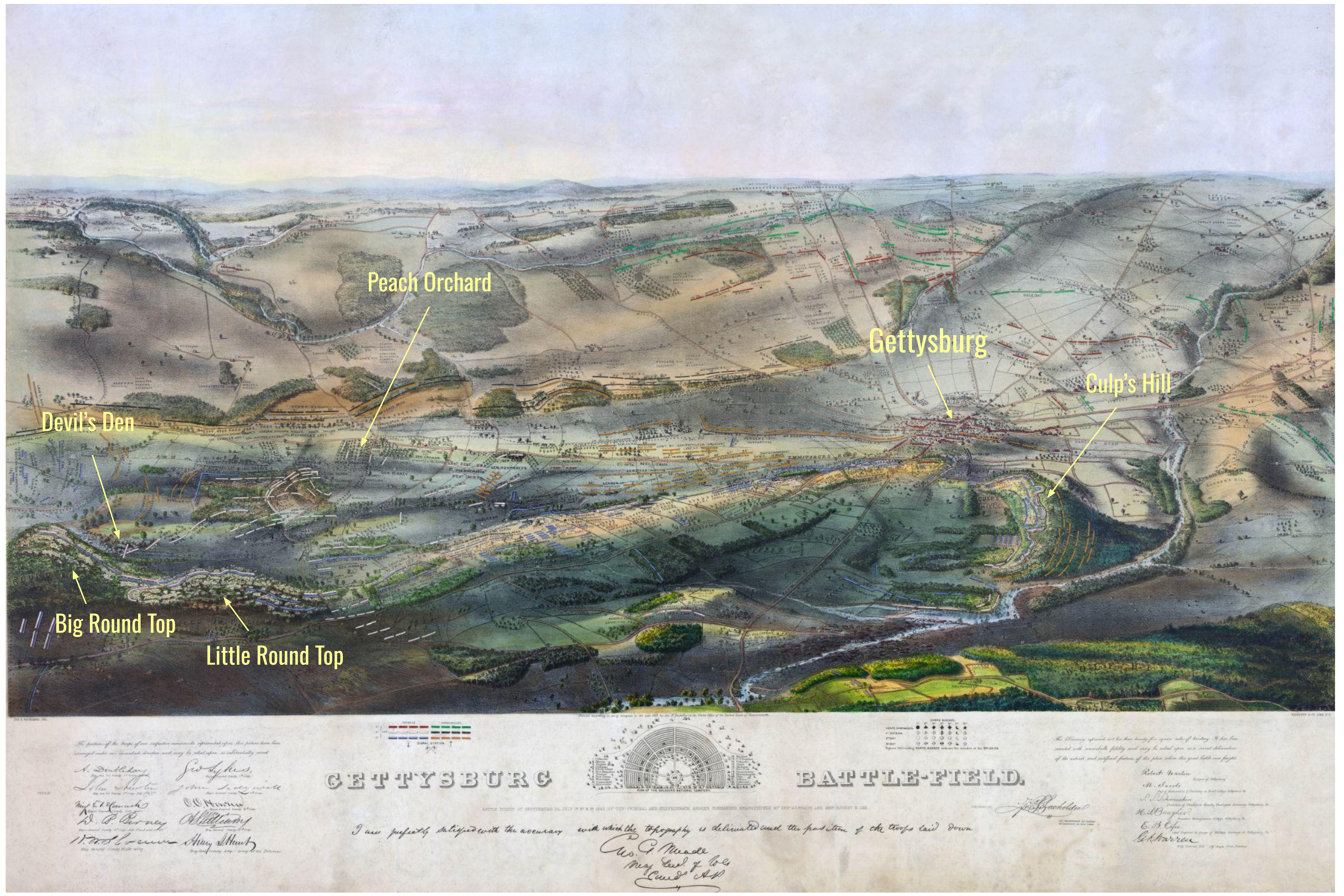
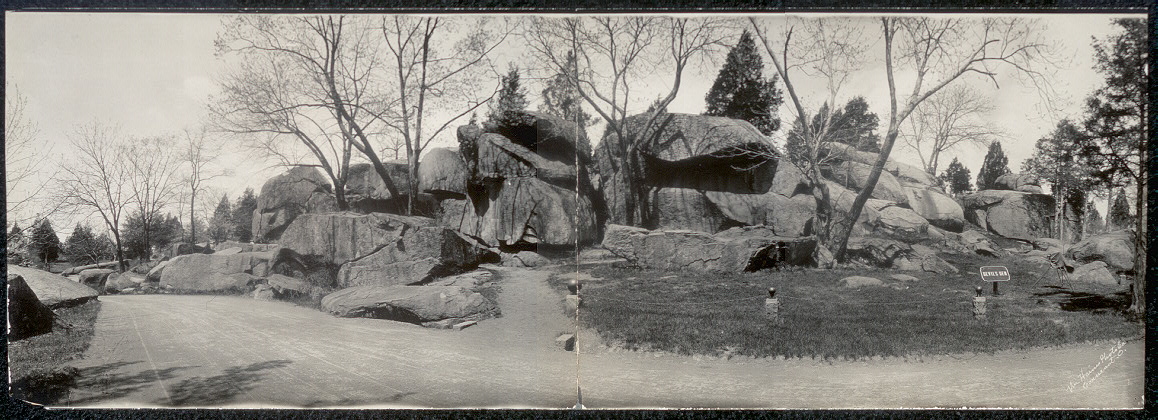
On day 2 of the Battle of Gettysburg, fierce fighting broke out at a rocky, boulder-strewn area known as Devil’s Den, a rocky, boulder-strewn area at the southern end of the battlefield. Positioned between Little Round Top and the Peach Orchard, Devil’s Den was occupied by Union artillery and infantry who tried to hold the ground against a major Confederate assault. Troops from General John Bell Hood’s division, many from Texas and Alabama, launched a fierce attack through the rocky terrain. After brutal, close-range fighting, the Confederates overran the Union position and captured the area. Although they temporarily held Devil’s Den, they were unable to push further to take Little Round Top, which remained in Union hands.

Located between Little Round Top and the Peach Orchard, Devil’s Den was an important position because it provided high ground and cover for whoever held it. It’s a key position, and Confederate soldiers have taken control. How will you win it back?


Devil's Den, circa 1909. Source: loc.gov
*Make your decision, then roll the dice.
Required
0
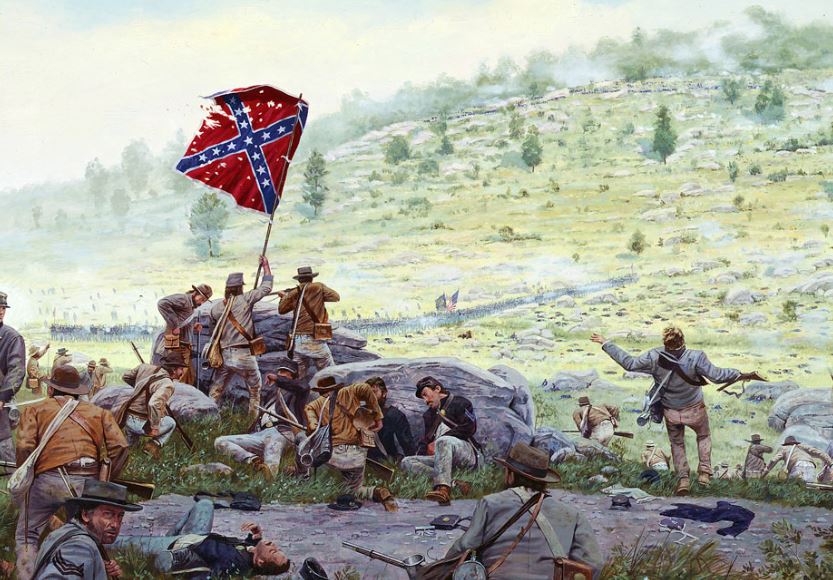
The struggle for Devil’s Den was one of the bloodiest and most chaotic engagements of the battle, with soldiers often fighting hand-to-hand among the rocks. Its capture gave the Confederates a foothold for sharpshooters, but they could not break the Union line beyond it, making the gains there limited in overall strategic impact.


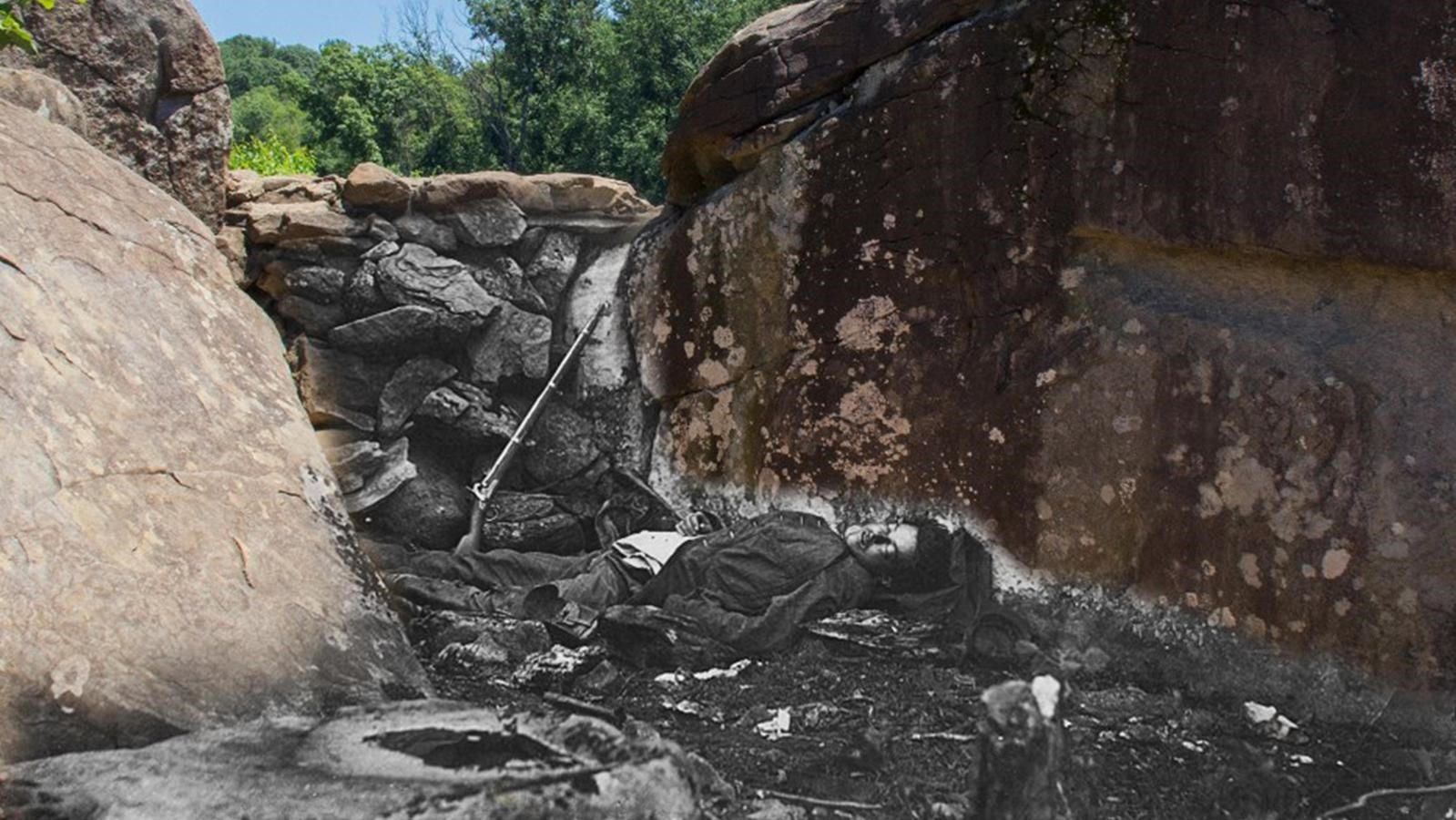
From The National Park Service (nps.gov) - Originally produced in Gardner’s Photographic Sketchbook of the War, this photograph has become one of the most recognizable images of the Civil War. While the gun propped against the rock would almost certainly not have been used by a sharpshooter, nor is it likely that the soldier fell in this location, this photograph nevertheless presents a powerful narrative of the struggle in and around Devil’s Den on July 2, 1863.

Decision 3

You’ve positioned artillery at a critical high point called Little Round Top. It’s allowed you to rain down destruction on Devil’s Den. Now, a Confederate attack is nearly upon this critical hill. If they capture it, you’ll lose valuable cannons. The hill is situated in a densely wooded area of forest. How will you defend?

*Make your decision, then roll the dice.
Required
0
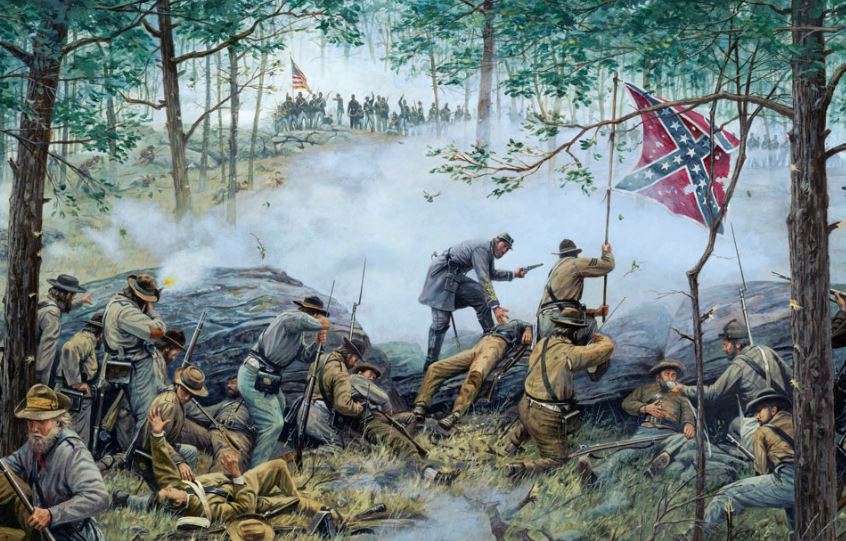
One of the most heroic defenses came from the 20th Maine Regiment under Colonel Joshua Chamberlain, who held the far left of the Union line. Running low on ammunition and facing repeated assaults, Chamberlain ordered a bold bayonet charge that successfully drove the Confederates back. While Big Round Top was also seized by Union troops, it was steeper and less strategically important. The successful defense of Little Round Top helped prevent the collapse of the Union left and played a crucial role in securing the overall Union victory at Gettysburg.

Decision 4

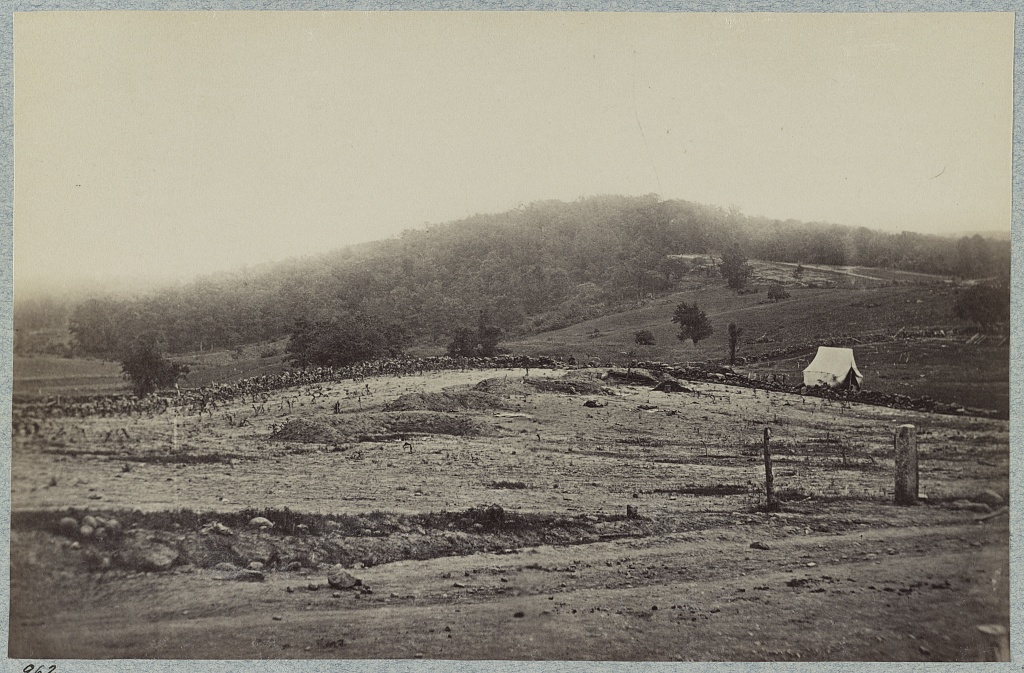
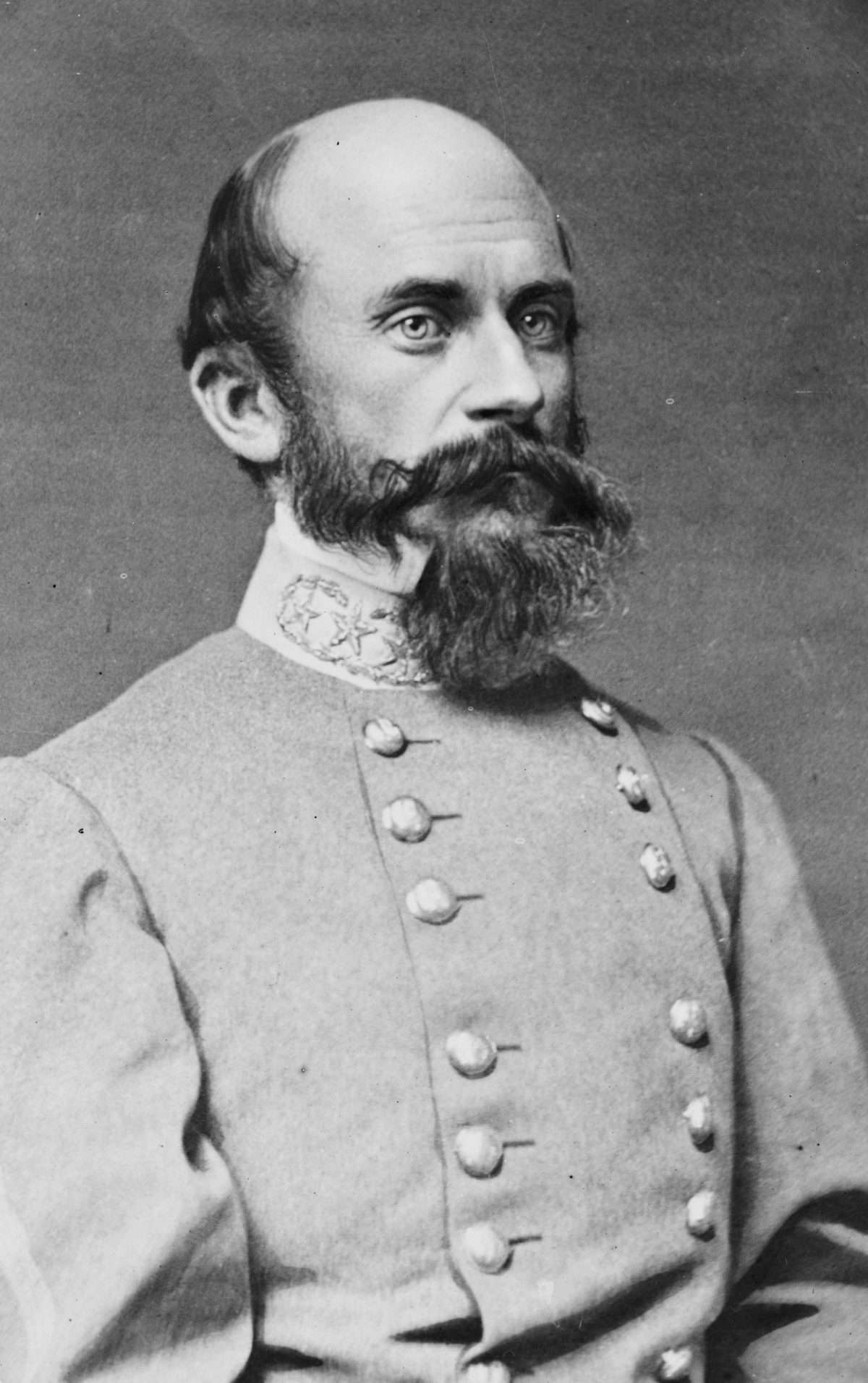
On the evening of July 2, 1863, intense fighting erupted at Culp’s Hill, located on the Union right flank at Gettysburg. The hill was a key part of the Union’s defensive “fishhook” line, and holding it was crucial to protecting the Baltimore Pike—an essential supply and retreat route for the Union army. Earlier in the day, Union General George Meade had shifted troops away from Culp’s Hill to reinforce the left flank at Little Round Top, leaving the defenses temporarily weakened. Sensing an opportunity, Confederate forces under General Richard Ewell launched a nighttime assault, hoping to break through the Union lines.

(Above) Culp's Hill, Gettysburg, PA. Circa 1880. Courtesy of the Library of Congress.

(Above) Portrait of Confederate General Richard Ewell.

Under the cover of darkness, General Lee launched a surprise attack on your right flank. In the chaos, your forces left Culp’s Hill mostly unguarded. Confederate soldiers quickly moved in, seized the high ground, and are now digging in to fortify their position. You must act fast. How will you drive them off the hill?
*Make your decision, then roll the dice.
Required
0
The attack was chaotic, and although Confederates managed to capture some lower trenches, they could not take the crest of the hill. Union troops, including those from New York and Pennsylvania, held firm despite heavy losses. The fighting resumed at dawn the next day and continued fiercely, but the Union line ultimately held. The defense of Culp’s Hill helped ensure the Union army remained anchored on both flanks, playing a vital role in their overall success at Gettysburg.

Pickett's Charge

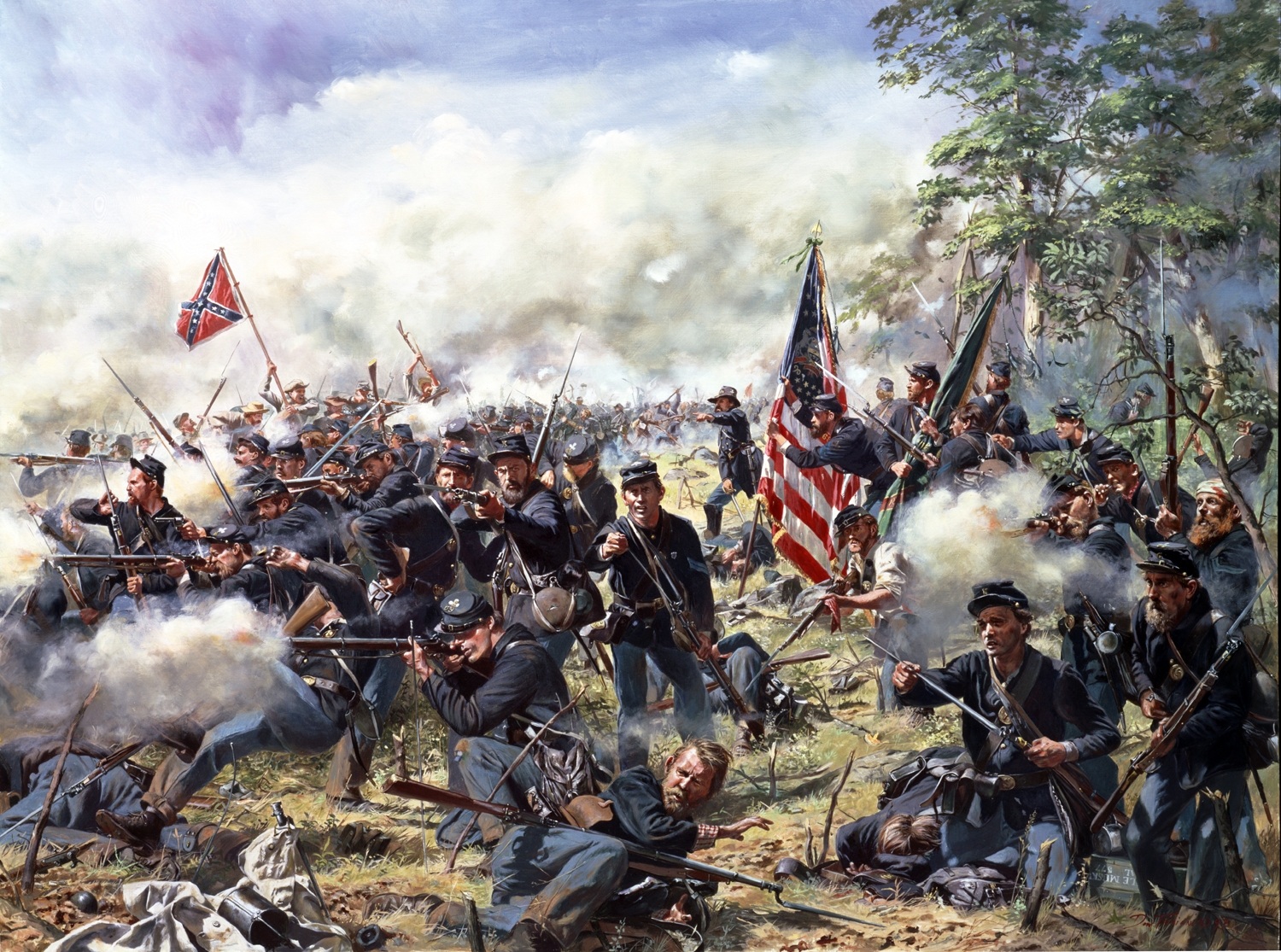
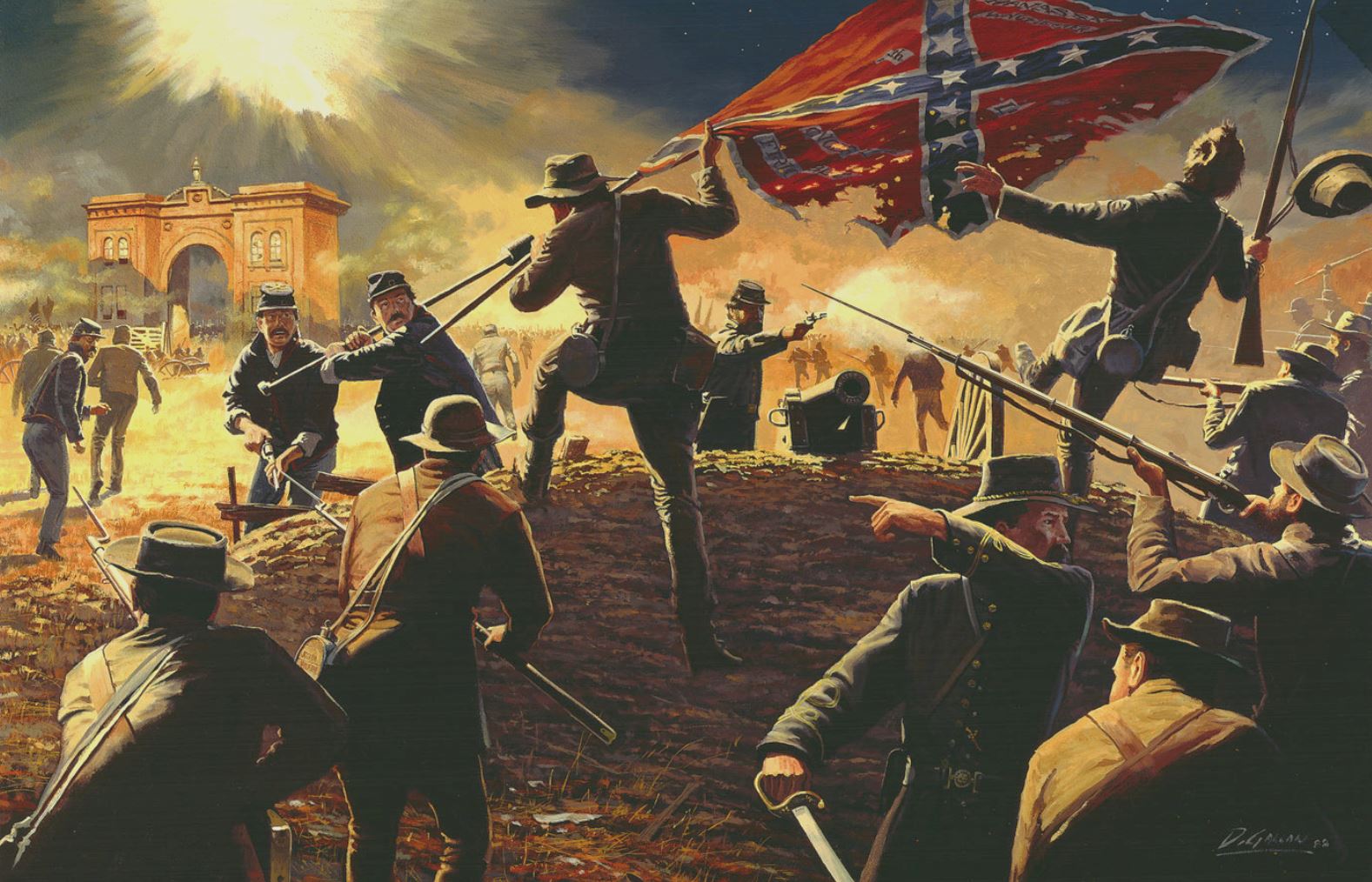
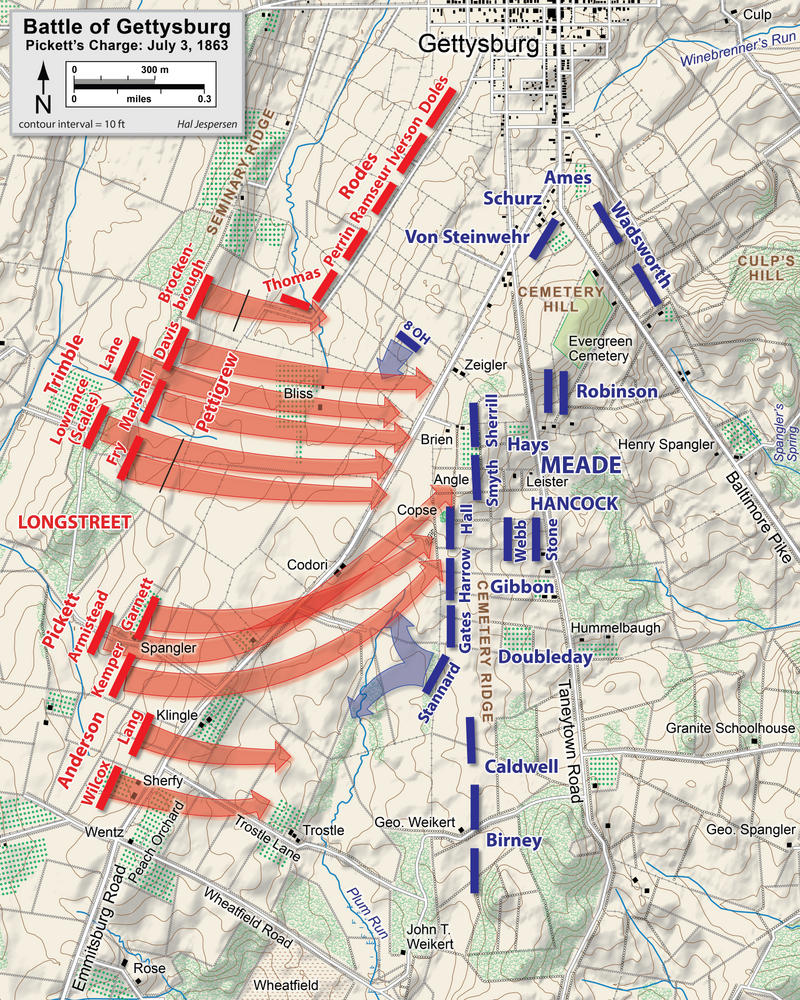
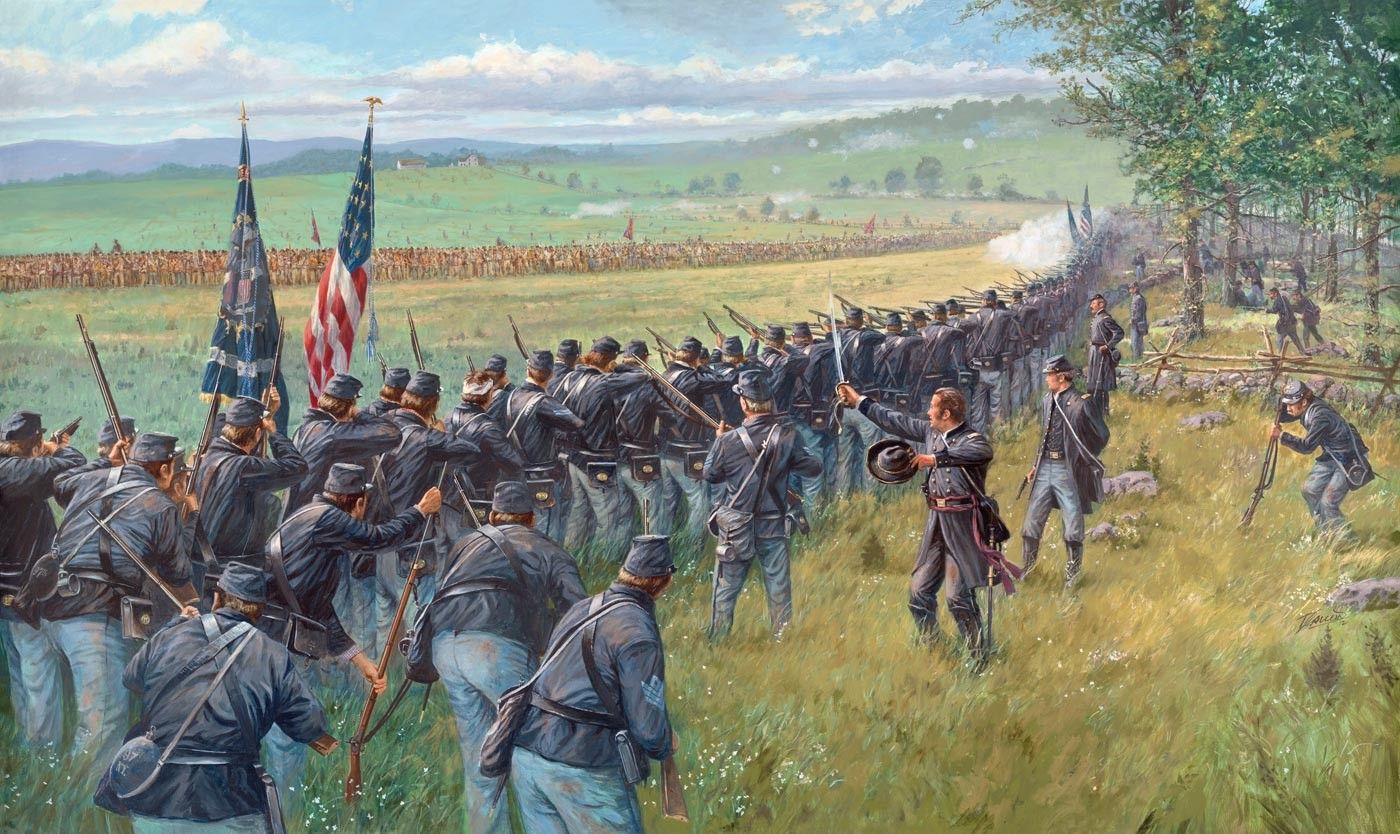
Pickett’s Charge, which took place on July 3, 1863—the third and final day of the Battle of Gettysburg—was a bold Confederate assault aimed at breaking the center of the Union line on Cemetery Ridge. Confederate General Robert E. Lee ordered the attack, believing the Union center had been weakened after two days of fighting on the flanks.

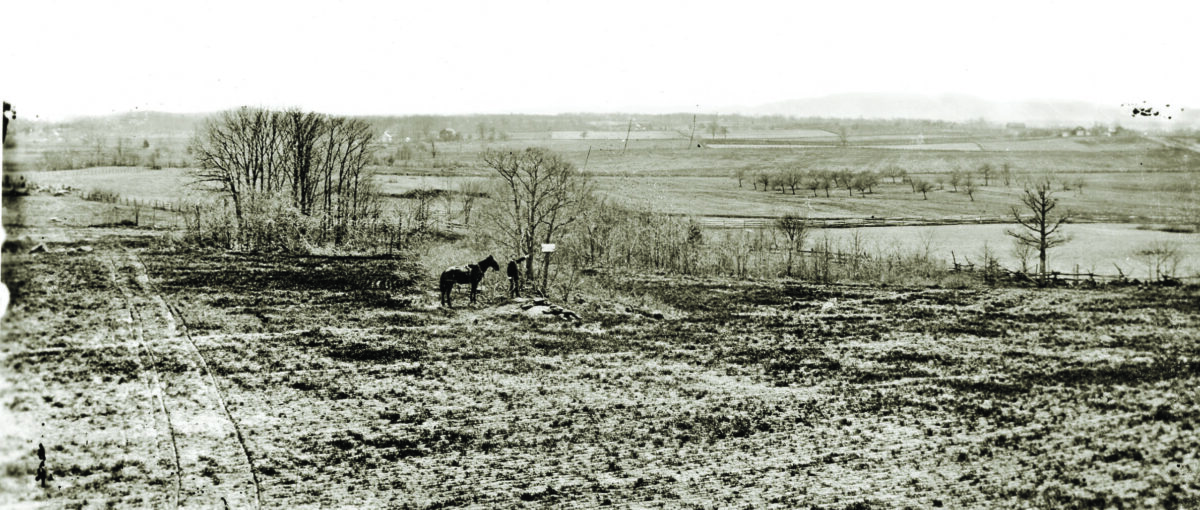
This photo, taken by William Tipton in 1880 or 1881, shows the famed Copse of Trees (left of the horse) as it looked to Lee’s army.


Decision 5


By 11 a.m., you spot Lee moving most of his forces toward Seminary Ridge. He’s preparing for a massive frontal assault—the largest infantry charge in American history. If it succeeds, your center will collapse, and your entire command could be overrun. But to reach you, Lee’s men must cross nearly a mile of open ground, fully exposed to your artillery and rifle fire.

When the charge begins, 12,500 Confederate soldiers pour out of Seminary Ridge. To reach your position, they must cross nearly a mile of open field under heavy fire. How will you defend your lines? Will you concentrate your artillery? Reinforce your center with infantry? Or send out cavalry to slow their advance?
*Make your decision, then roll the dice.
Required
0

Epilogue

Historians estimate that only about 1,500 to 2,000 made it across the field. Those exhausted Confederates who reached the Union lines were overwhelmed, killed, wounded, or captured. The assault resulted in staggering losses—more than 50% of the Confederate attackers became casualties. After three days of fighting, the Confederate Army of Northern Virginia was broken.

The next day, on July 4th, 1863, Lee began a retreat to Virginia. Nine hundred miles away, the Confederacy suffered an equally devastating loss at Vicksburg, Mississippi, where Union forces under the command of General Ulysses S. Grant succeeded in capturing the Mississippi River, the final piece in the Union's strategy to defeat the Confederacy. Lee spent the last two years of the war doing his best to defend Virginia.

The battlefield around Gettysburg was left in terrible condition. Over 51,000 soldiers from both sides had been killed, wounded, or gone missing in just three days. Bodies, broken weapons, and injured men were everywhere. Local townspeople and volunteers worked hard to bury the dead and help the wounded. Because so many soldiers had died, the U.S. government created a special cemetery for the Union soldiers called the Soldiers’ National Cemetery.
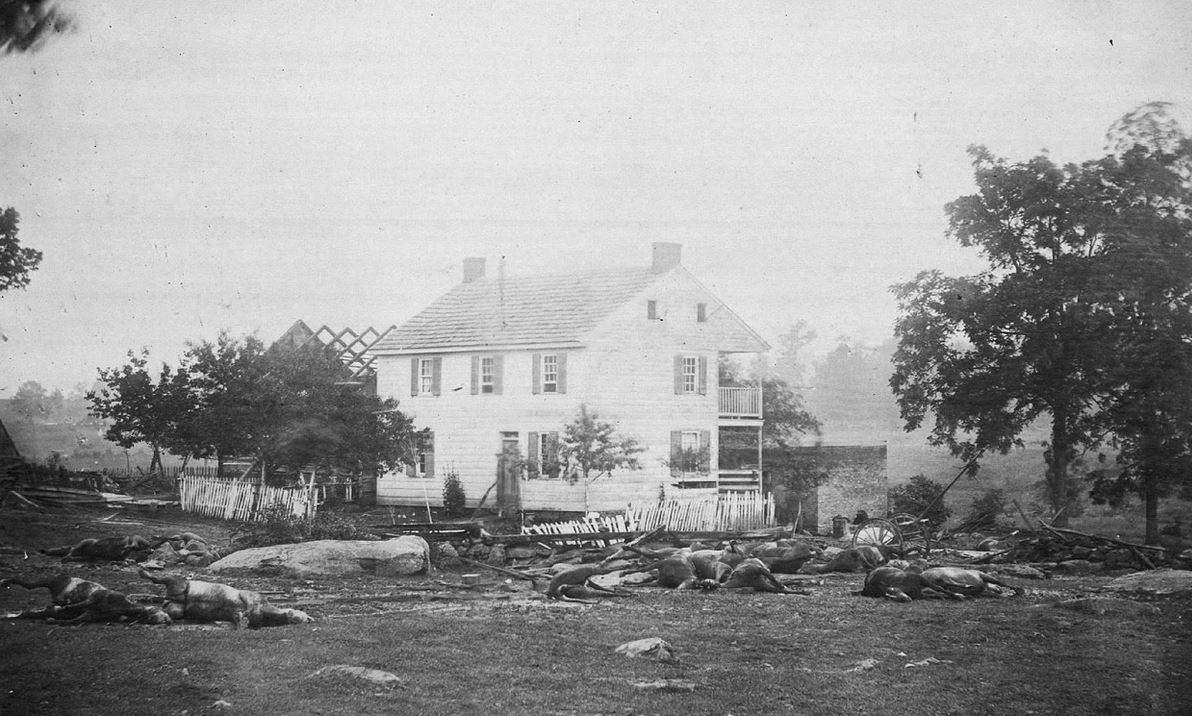
(Above) Trostle House - headquarters of Union General Major General Daniel Sickles. Results of the Battle of Gettysburg, in July of 1863. Loc.gov
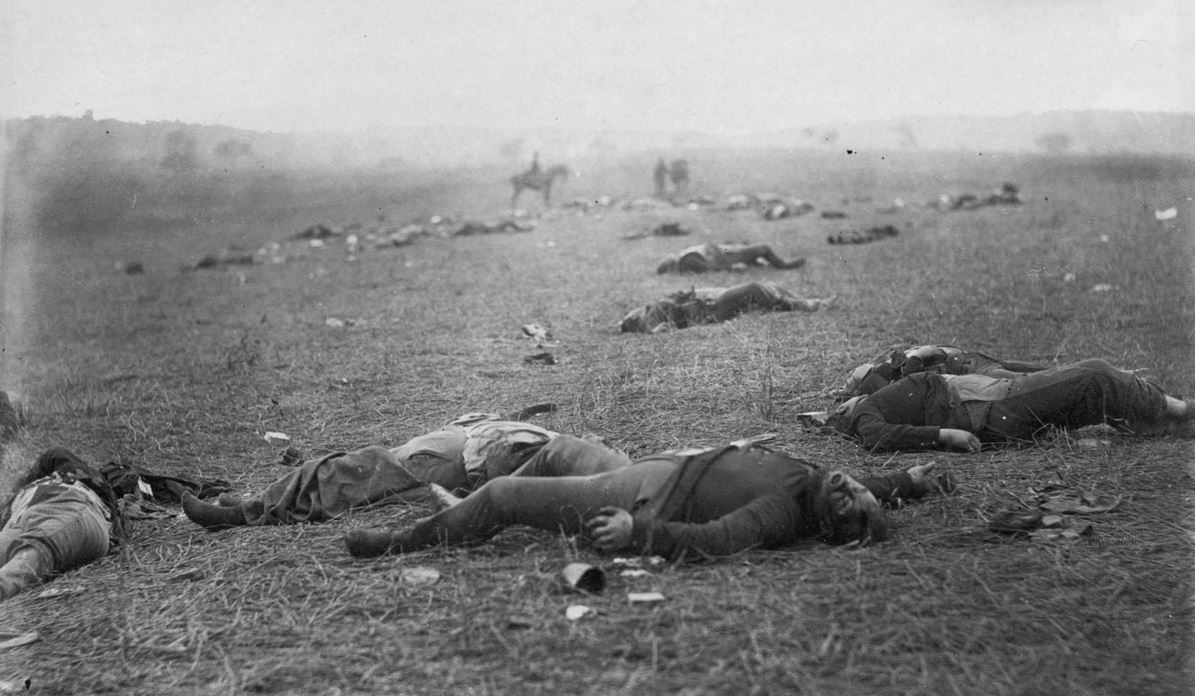
(Above) "A harvest of death", a famous scene from the aftermath of the Battle of Gettysburg, in Pennsylvania, in July of 1863. Loc.gov
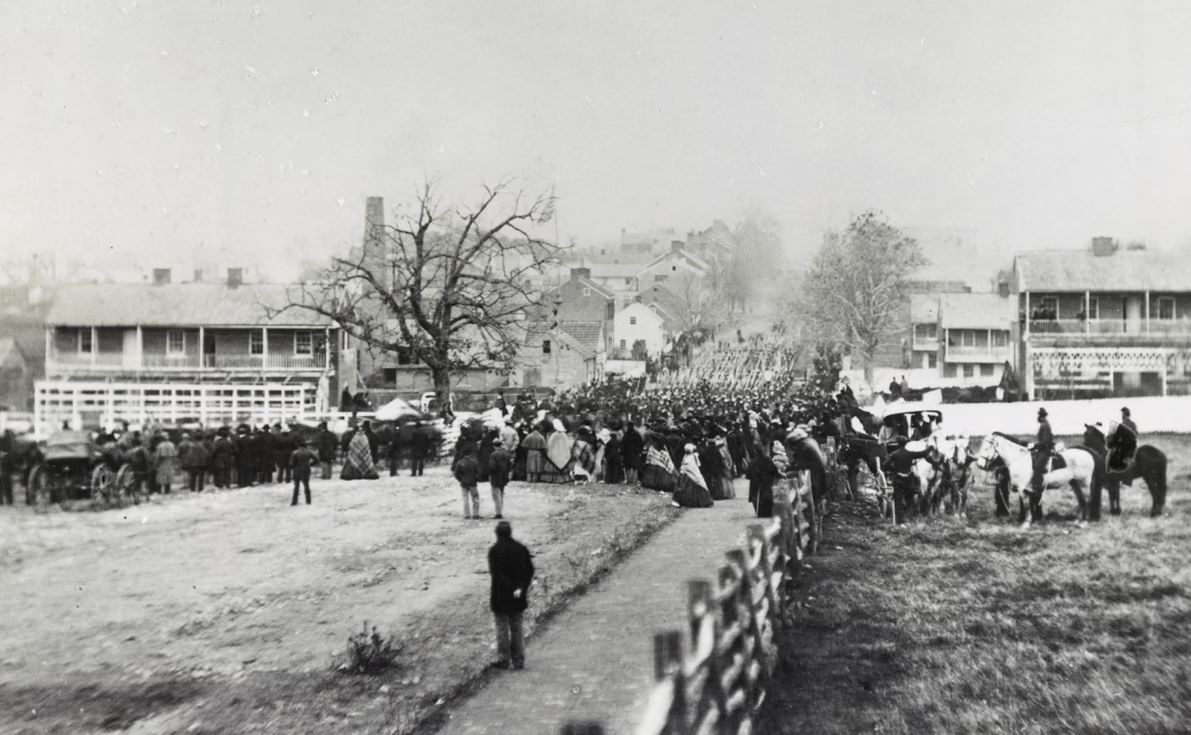
(Above) Crowds gathered in Gettysburg, Pennsylvania, on November 19, 1863, to dedicate the Soldiers’ National Cemetery.

On November 19, 1863, during the cemetery’s dedication, President Abraham Lincoln gave the Gettysburg Address. It was a very short but powerful speech delivered. The President spoke for only about two minutes and used just 272 words, but his message was powerful. He made it clear that there could be no victory in the war, nor a country of freedom and liberty, without the destruction of slavery. While many expected a long and formal speech, Lincoln’s brief remarks became one of the most famous speeches in American history.
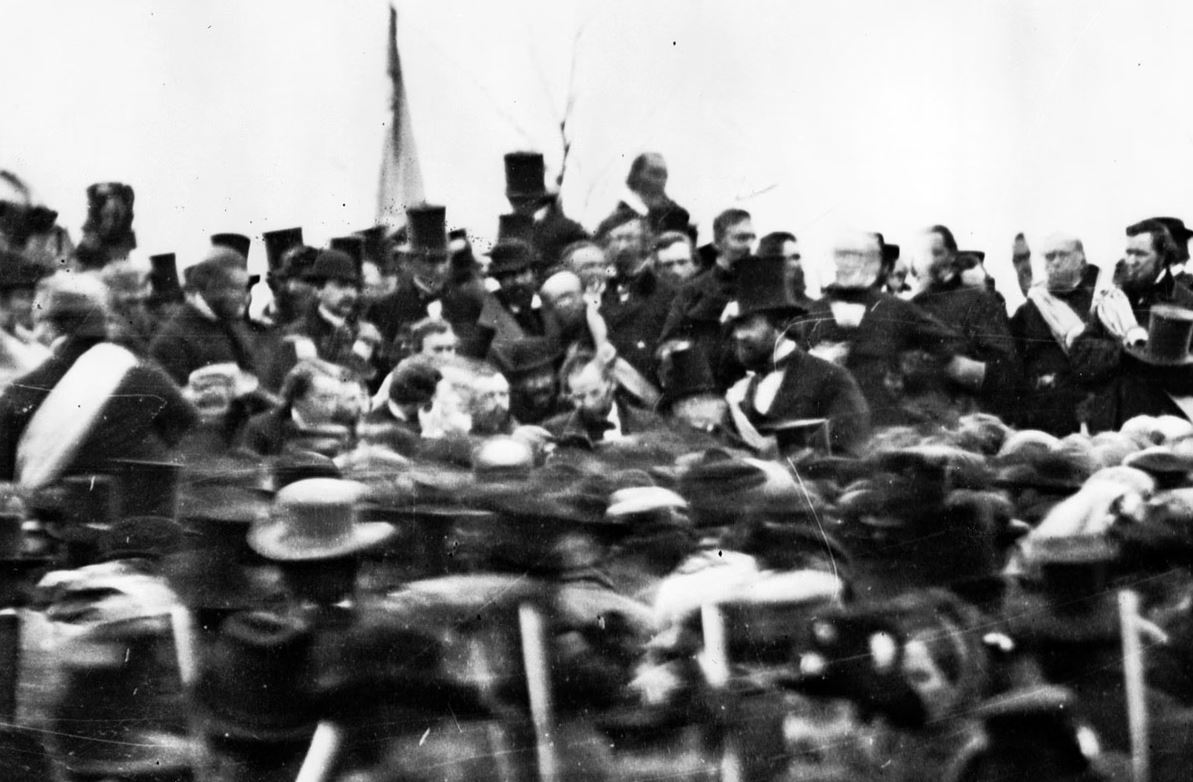
(Above) President Abraham Lincoln (center, hatless), surrounded by a crowd during his famous Gettysburg Address. Loc.gov

Even though Gettysburg was a major Union victory, the Civil War continued for almost two more years. The Confederate Army would never again try to invade the North. Slowly, the Union began to win more battles. General Lee surrendered to General Grant at Appomattox Court House in Virginia on April 9th, 1865.

Years later, soldiers who had fought at Gettysburg returned to remember the battle. In 1913, on the 50th anniversary, Union and Confederate veterans met at the battlefield and shook hands across the stone wall where they once fought. These reunions showed that, even after such a bloody war, people could work toward peace and healing.
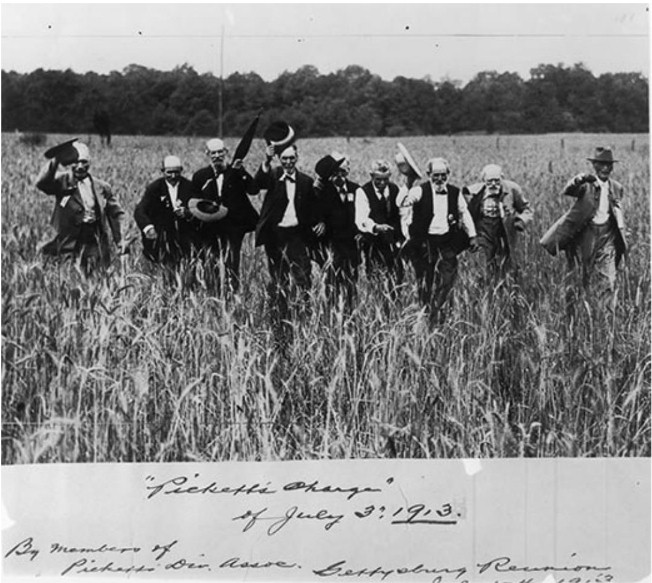
(Above) Confederate survivors of Pickett's Charge reenact the moment at the 'Reunion of Blue & Grey' in 1913.
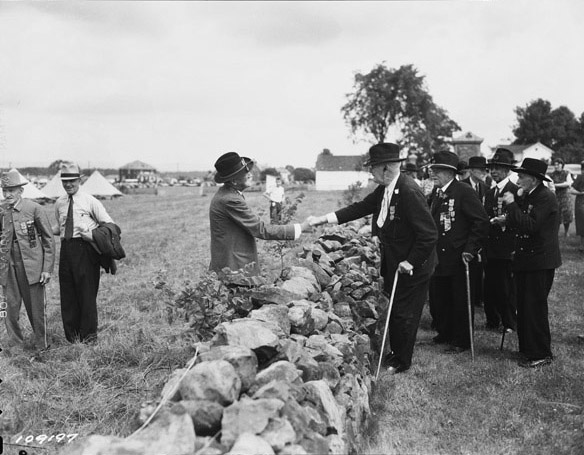
(Above) Union and Confederate survivors of the Battle of Gettysburg shake hands. Reunion of Blue & Grey, 1913.

(Above) Panorama of the battlefield at Gettysburg, taken during a Reunion of Blue & Grey in 1913.

The Battle of Gettysburg changed the course of the war. remind us of the terrible cost of the Civil War, but also the priceless freedom it helped to purchase.
Required
1
Required
1
Required
1
Required
1
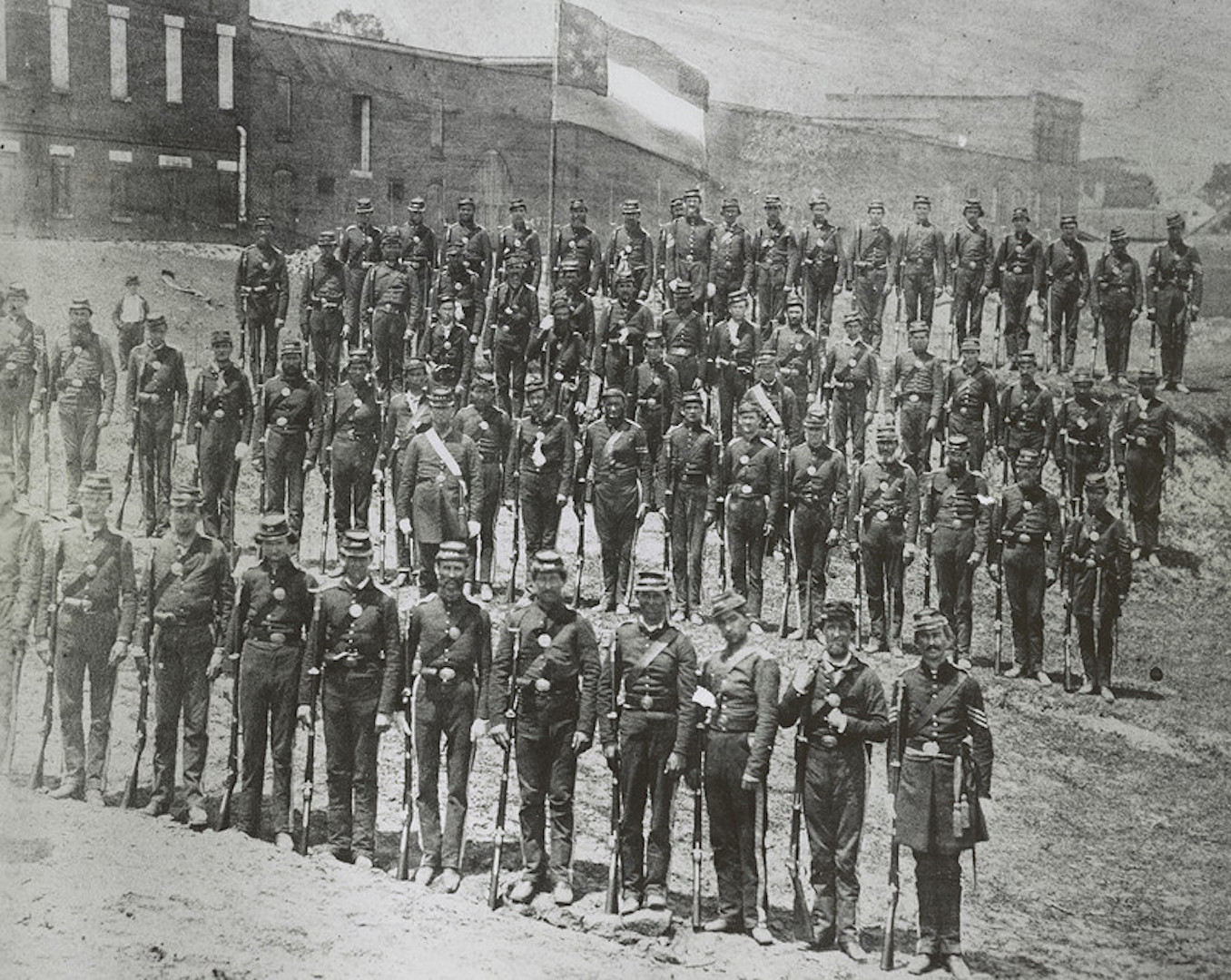
(Above) A rare photograph of The Army of Northern Virginia before the battle of Sharpsburg. Courtesy: Historical Society of Frederick County, MD
Question 2
2.

Why did Lee want to invade Union territory in 1863?

Question 3
3.

What does the phrase “such a victory as one may weep over” suggest about the cost of the battle?

Disadvantages of the Terrain Around Gettysburg

1). The battlefield was dominated by a series of ridges and hills running roughly north to south:

Cemetery Hill: Just south of the town, this became the anchor of the Union line. It offered excellent visibility and a strong defensive position.

Culp’s Hill: East of Cemetery Hill. It was wooded and rocky, making it hard to attack but great for defense.

Seminary Ridge: West of town. Confederates held this position for most of the battle.

Little Round Top and Big Round Top: On the far southern end of the Union line. These steep hills were critical to protecting the left flank of the Union army.

➡️ Impact: These ridges created a kind of natural corridor. The Union army eventually formed a defensive line shaped like a fishhook, anchored on the high ground. The Confederates were forced to attack uphill or along narrow fronts — a major disadvantage.

-------------------------------------------------------------------------------

2). Much of the ground between ridges undulated — it wasn’t flat prairie.

➡️ Impact: This meant that commanders (especially Lee) couldn’t always see the full battlefield, making it hard to coordinate attacks. Without accurate maps or cavalry reports, the Confederates were often guessing about Union positions.
Question 4
4.

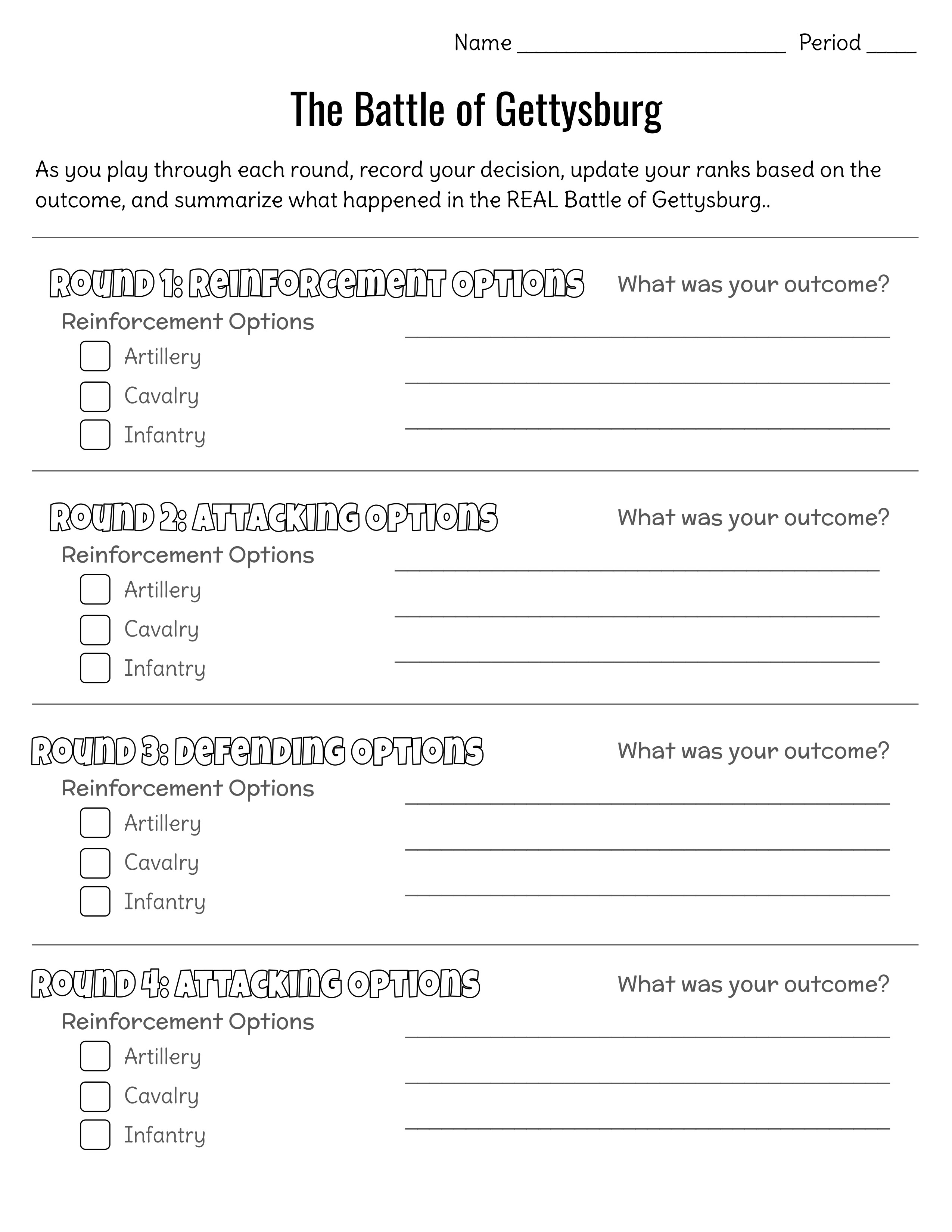
Reinforcement Options

Question 5
5.

Reinforcement Options

Question 6
6.

Reinforcement Options

Question 7
7.

Reinforcement Options

Question 8
8.

Reinforcement Options

The Gettysburg Address - November 19, 1863.

"Four score and seven years ago our fathers brought forth on this continent, a new nation, conceived in Liberty, and dedicated to the proposition that all men are created equal.

Now we are engaged in a great civil war, testing whether that nation, or any nation so conceived and so dedicated, can long endure. We are met on a great battle-field of that war. We have come to dedicate a portion of that field, as a final resting place for those who here gave their lives that that nation might live. It is altogether fitting and proper that we should do this.
But, in a larger sense, we can not dedicate -- we can not consecrate -- we can not hallow -- this ground. The brave men, living and dead, who struggled here, have consecrated it, far above our poor power to add or detract. The world will little note, nor long remember what we say here, but it can never forget what they did here. It is for us the living, rather, to be dedicated here to the unfinished work which they who fought here have thus far so nobly advanced. It is rather for us to be here dedicated to the great task remaining before us -- that from these honored dead we take increased devotion to that cause for which they gave the last full measure of devotion -- that we here highly resolve that these dead shall not have died in vain -- that this nation, under God, shall have a new birth of freedom -- and that government of the people, by the people, for the people, shall not perish from the earth."

- Abraham Lincoln November 19, 1863
Question 9
9.

According to the speech, what idea was the country dedicated to?

Question 10
10.

Why does Lincoln say that “we cannot dedicate…this ground”?

Question 11
11.

What does Lincoln mean by “a new birth of freedom”?

Question 12
12.

Why is the Gettysburg Address still considered important today?