Reproductive Patterns
star
star
star
star
star
Last updated 7 months ago
2 questions
Intro
Reproductive Strategies
The Rate Strategy (r-strategists)
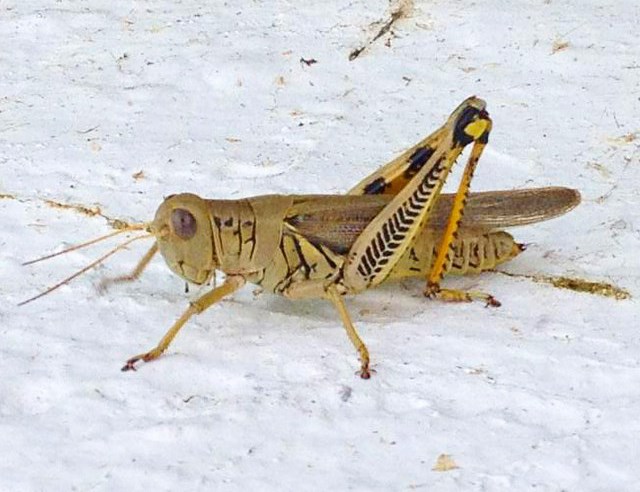
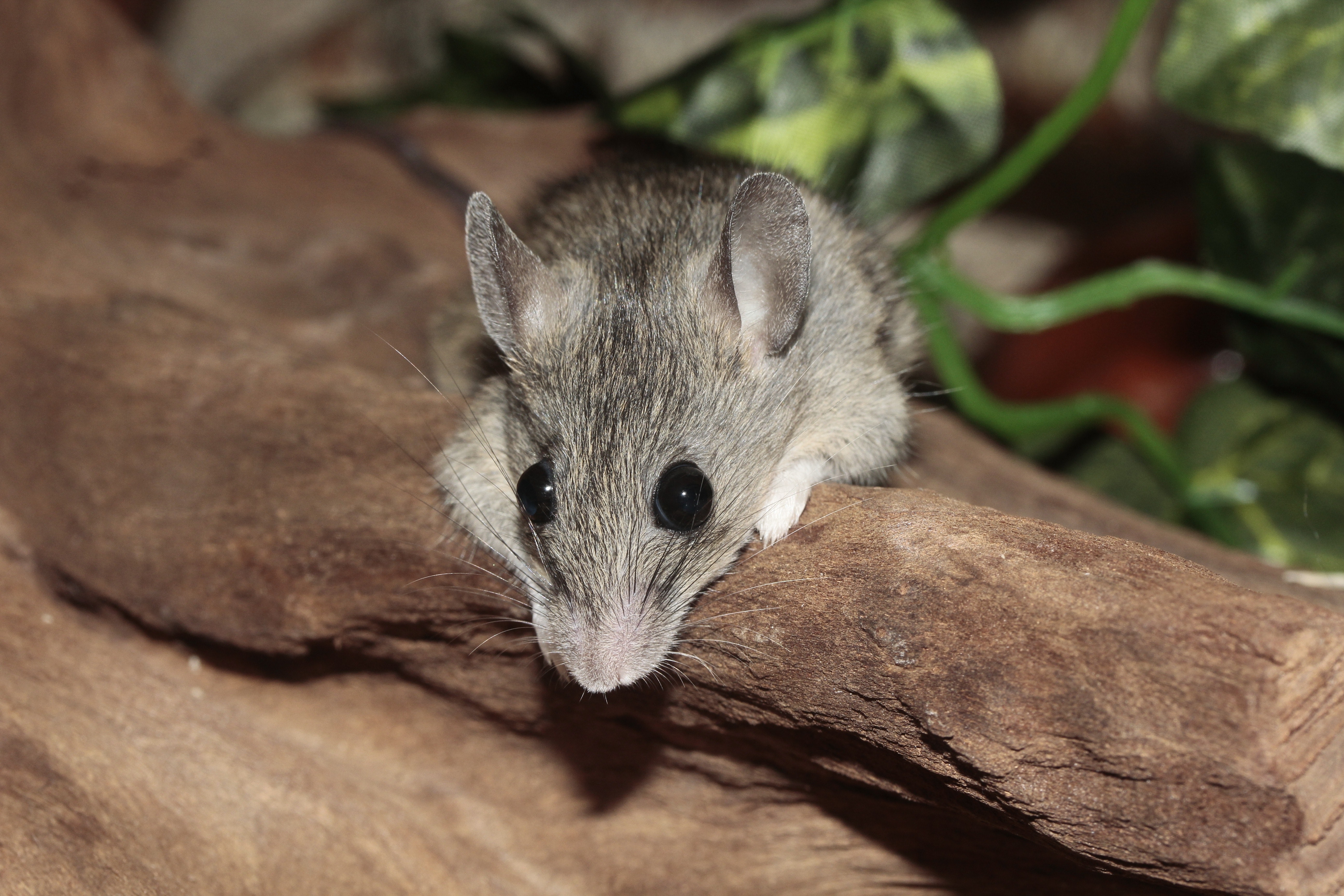
This is an adaptation for living in an environment where fluctuations in biotic or abiotic factors occur. These organisms tend to:
- be smaller
- have a short lifespan
- have many offspring in a short time
- invest little to no energy in raising their offspring
- are controlled by density-independent factors
- population numbers are usually not near carrying capacity
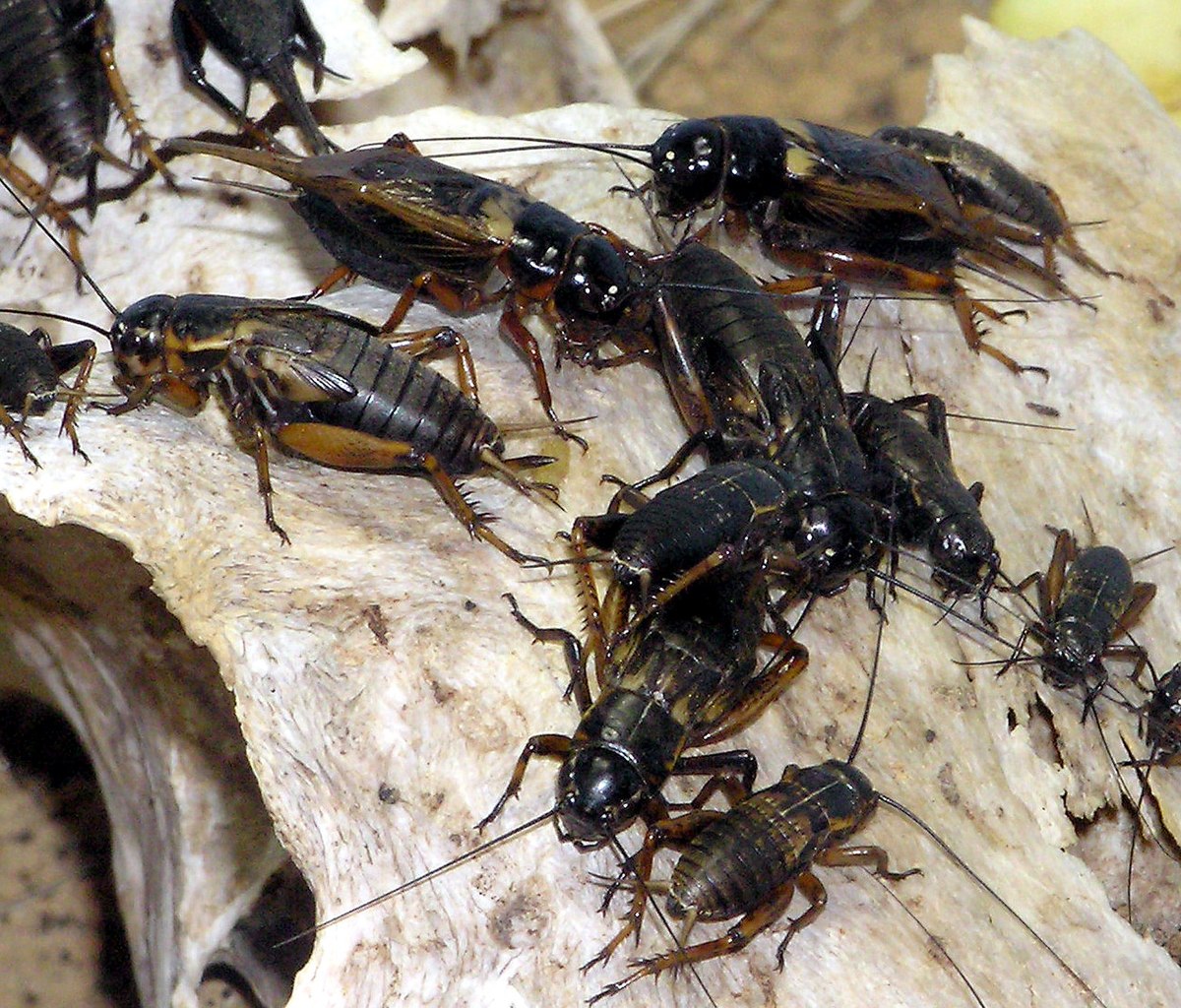
Examples: Bacteria, mice, rates, insects
The Carrying-Capacity Strategy (k-strategy)
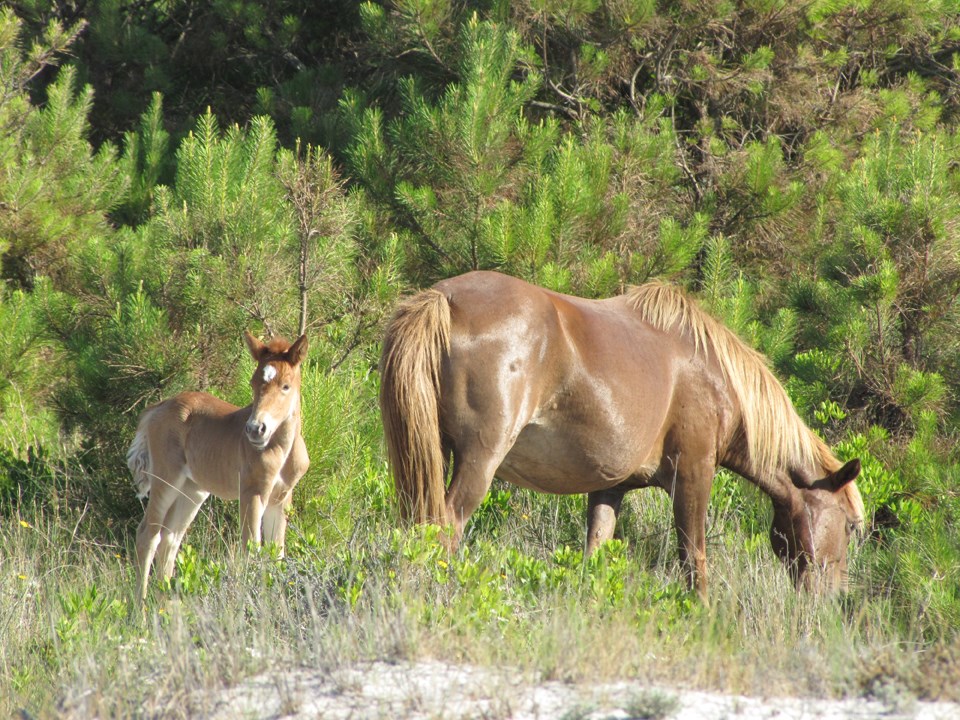
This is an adaptation for living in an environment that is fairly predictable. These organisms tend to:
- larger organisms
- have a longer life span
- have only a few offspring
- invest energy and resources into raising their young
- are controlled by density-dependent factors
- reach an equilibrium at the carrying capacity
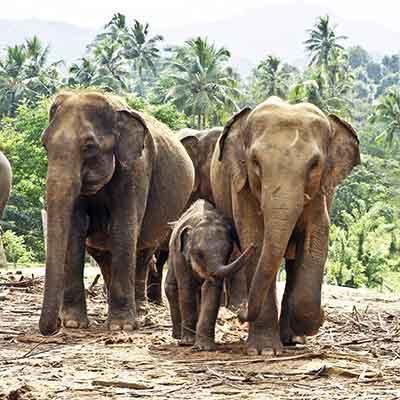
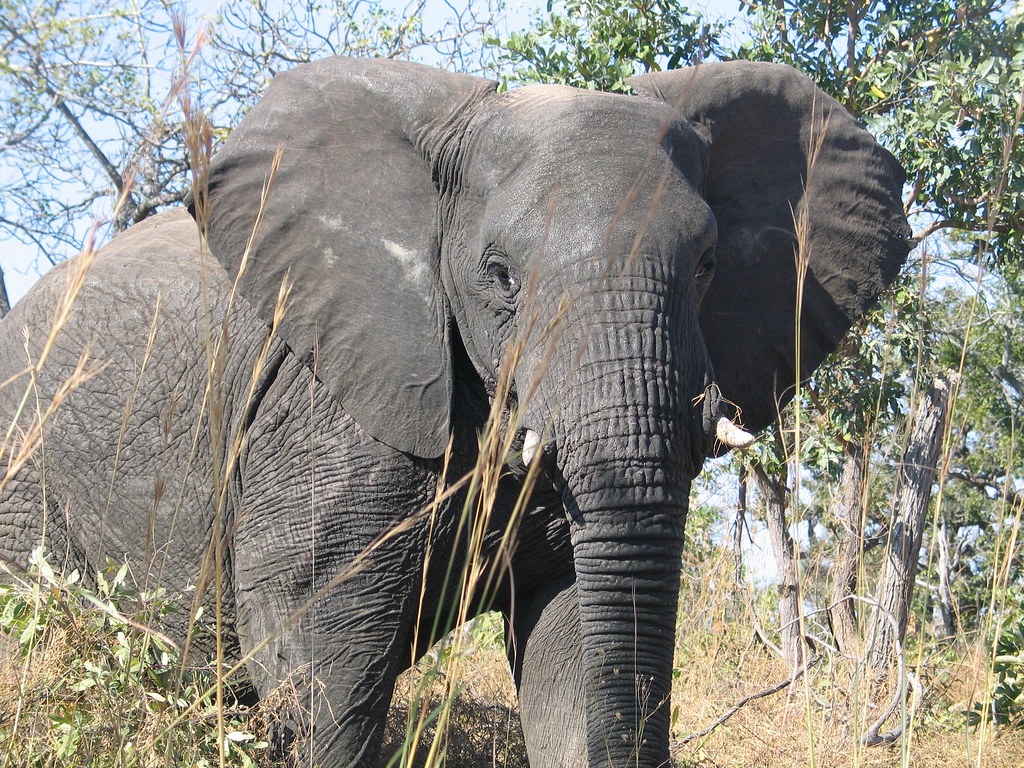
Ex: birds, elephants, other large mammals
5
- controlled by density-dependent factors
- small organism
- controlled by density-independent factors
- long life span
- invest no energy into raising young
- larger organisms
- invest time and energy into raising their young
- reproduce many offspring in a short time
- only have a few offspring at a time
- short life span
- r-strategy
- k-strategy
3
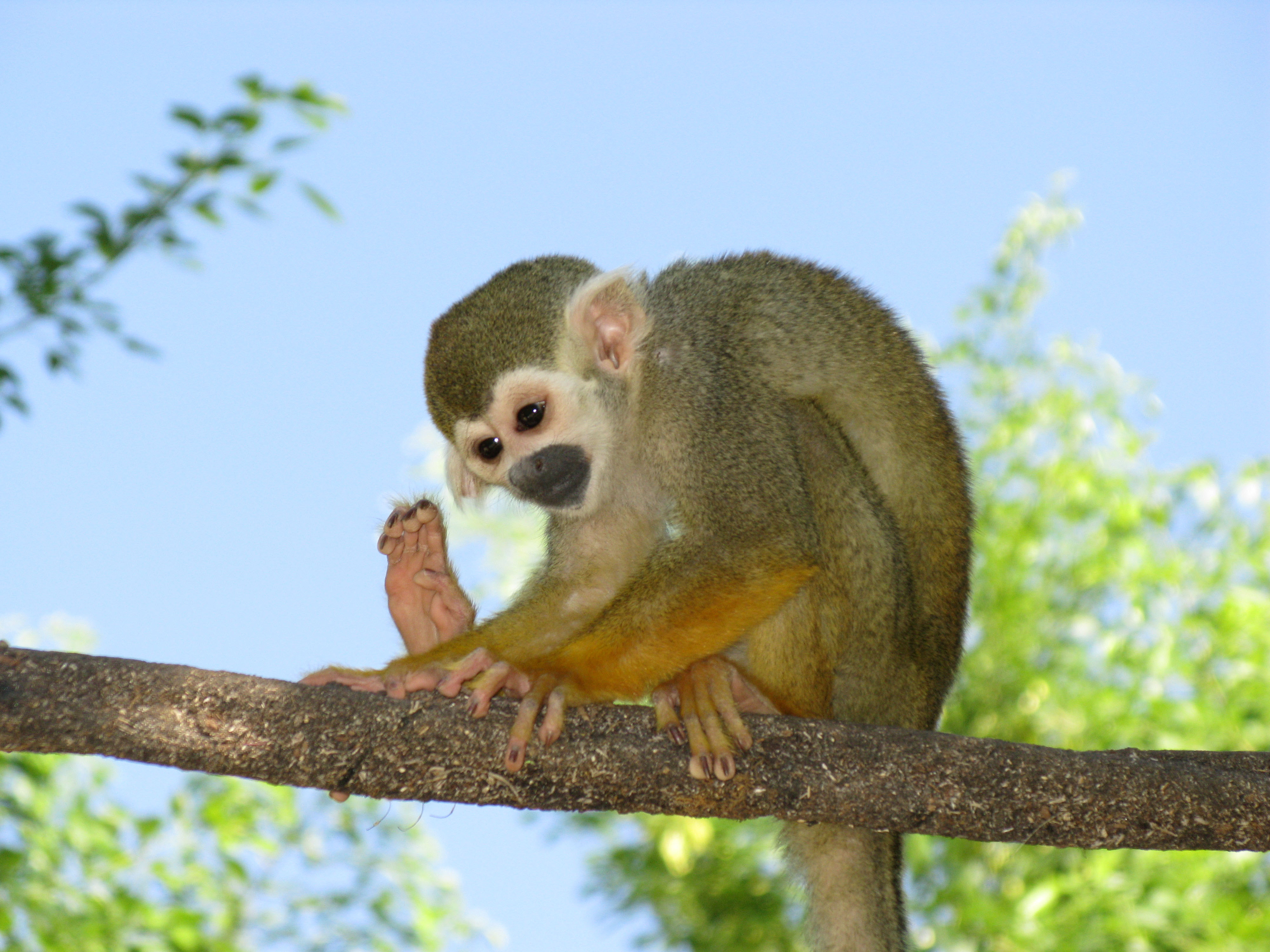
Use your knowledge of each reproductive type and categorize each animal into what type of reproductive strategy you think they would use.
- r-strategy
- k-strategy