Movement of substances
star
star
star
star
star
Last updated 6 months ago
23 Nsɛmmisa
1
1
1
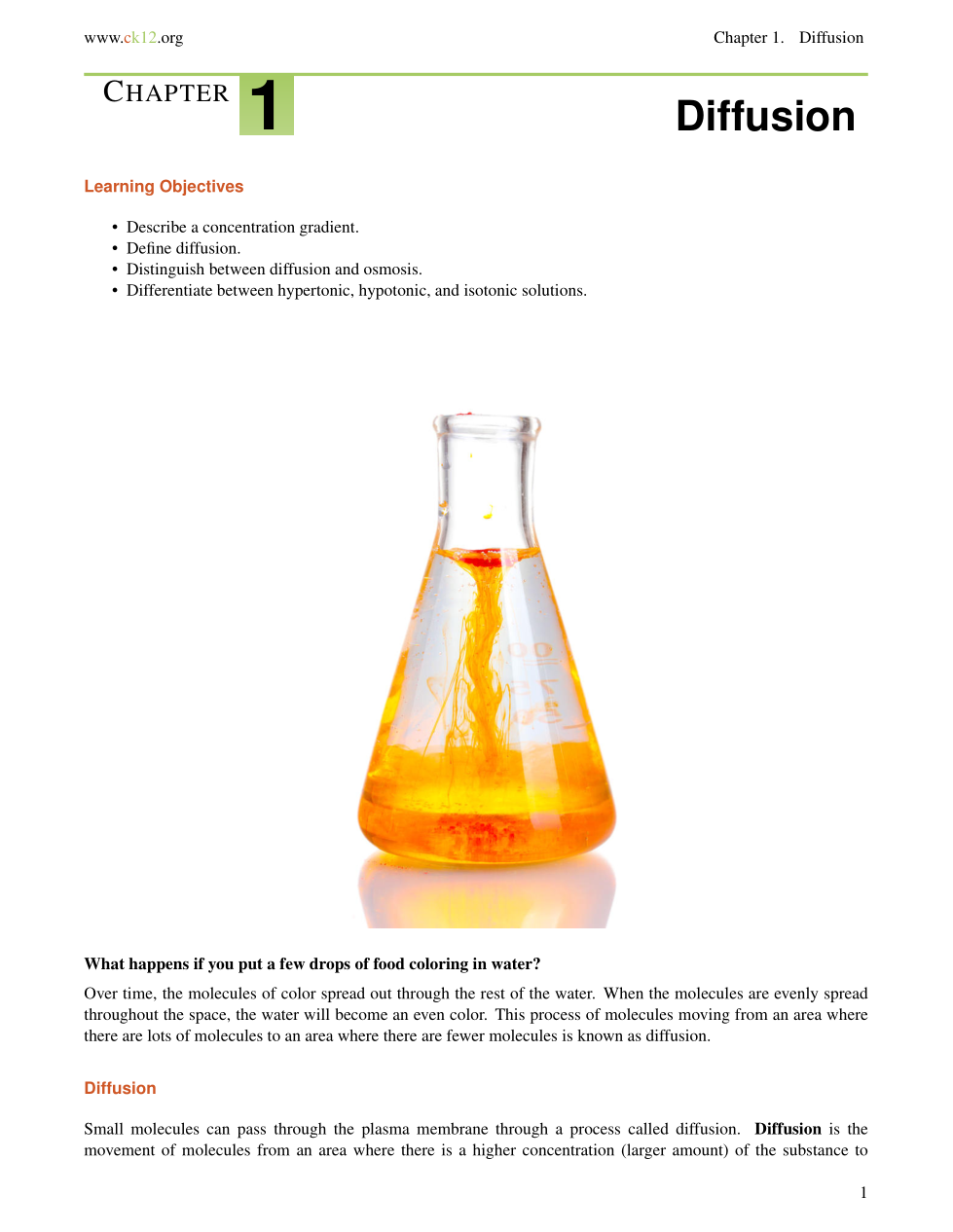
The movement of molecules from higher concentration to lower concentration is known as _______
Vocabulary
Semi or Selectively Permeable Membrane—cell membrane name that tells how it only lets some things through it
Osmosis—diffusion of water through a semi-permeable membrane
Diffusion--movement form an area of higher concentration to an area of lower concentration
Concentration--the amount of something in a certain area
Hypertonic-- any solution that has more solute and less water than the inside of a cell. It causes more water to flow out of the cell than into it so the cell will shrink/shrivel.
Hypotonic—any solution that has less solute and more water than the inside of a cell. It causes more water to flow into the cell than out so the cell will swell and sometimes burst.
Isotonic—solution that has same amount of solutes and water as inside the cell so the is in dynamic equilibrium and is not affected
Dynamic Equilibrium—when there is continuous movement but no change
Concentration Gradient—movement going from high concentration to low concentration (diffusion)


Active transport is different than simple diffusion
Review: Passive Transport includes 1) simple diffusion, 2) facilitated diffusion, and 3) osmosis.
Compare arrow sizes in diagrams which represent water movement which is determined by amount of solute in solution compared to solute mount inside the cell
Compare arrow sizes in diagrams which represent water movement which is determined by amount of solute in solution compared to solute mount inside the cell
Compare arrow sizes in diagrams which represent water movement which is determined by amount of solute in solution compared to solute mount inside the cell
Read and answer the question. (Hint: we are learning about isotonic, hypertonic and hypotonic solutions effect on cells)
Read and answer the question. (Hint: we are learning about isotonic, hypertonic and hypotonic solutions effect on cells)