Articles of Confederation: Strengths and Weaknesses
star
star
star
star
star
Last updated over 1 year ago
9 Nsɛmmisa
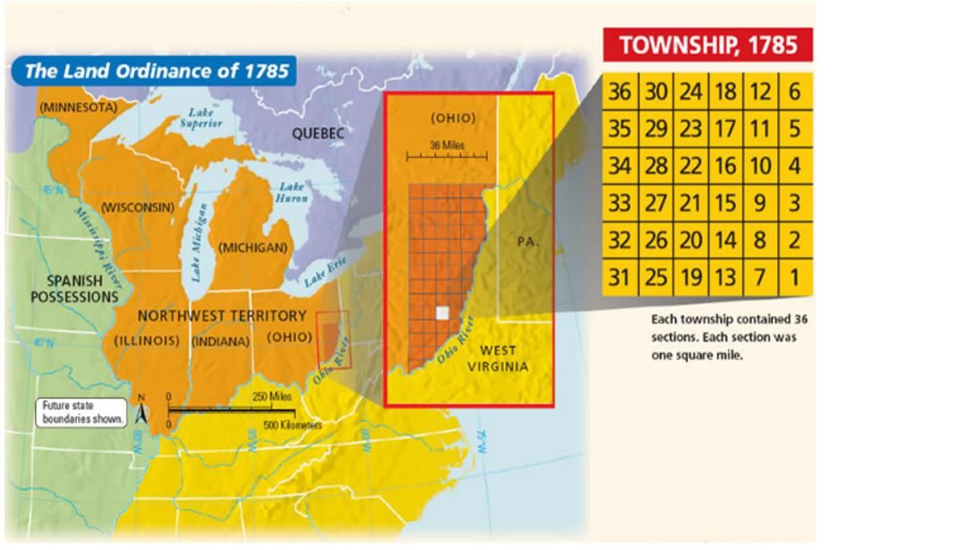
An ordinance can best be defined as
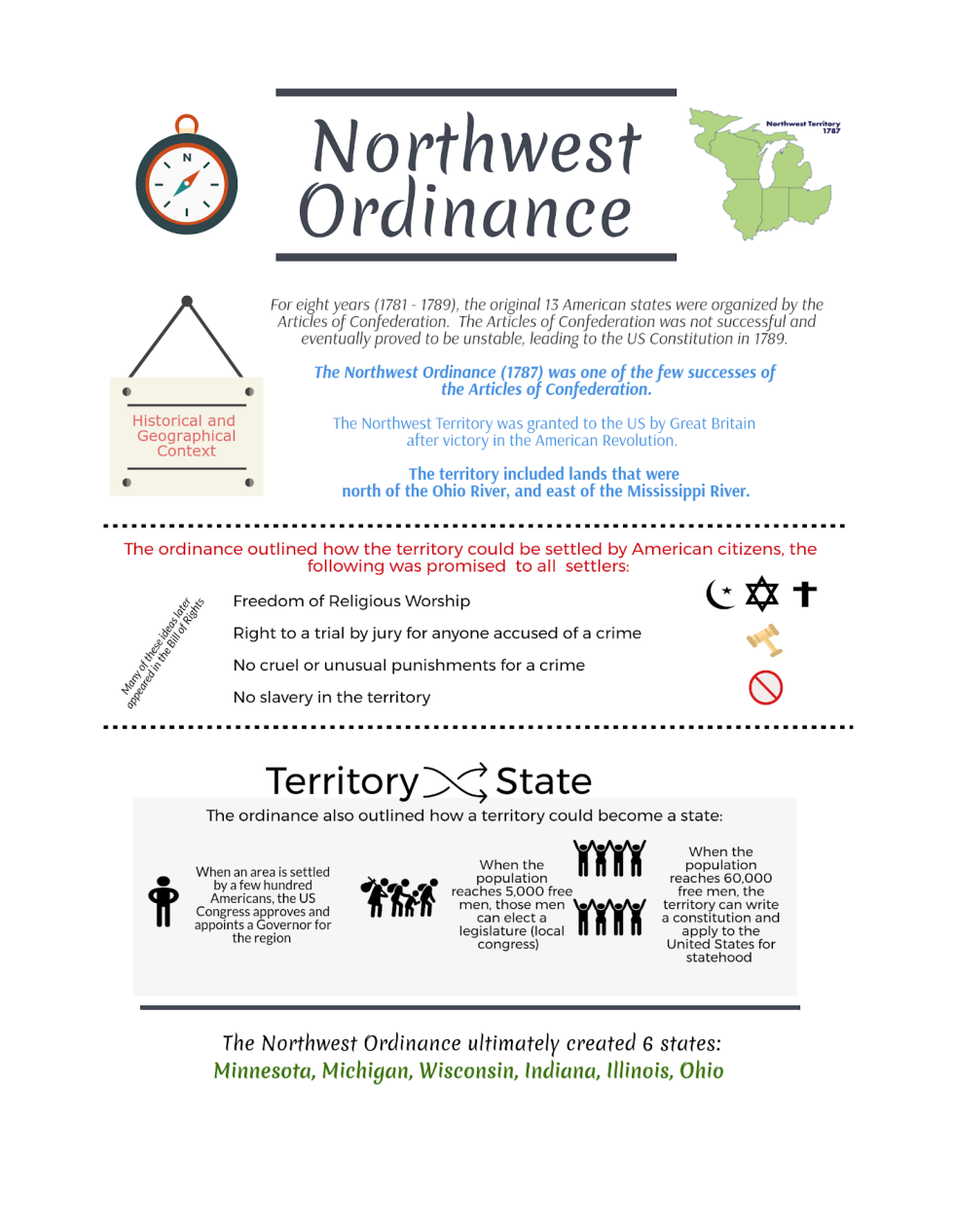
Which government passed the Northwest Ordinance - the Articles of Confederation or the US Constitution?
The Northwest Ordinance of 1787 was passed to
What was an immediate goal of the Land Ordinance of 1785?
The ordinance was also significant for establishing a mechanism to
Was the Northwest Ordinance considered a strength or weakness of the Articles of Confederation?
Which of the promises to settlers listed in the infographic did NOT appear in the Bill of Rights?
According to the Northwest Ordinance of 1787, which of the following were requirements a U.S. territory had to meet to become a state? Select the three that apply.
Name the six states that were added to the United States of America through the Northwest Ordinance of 1787.