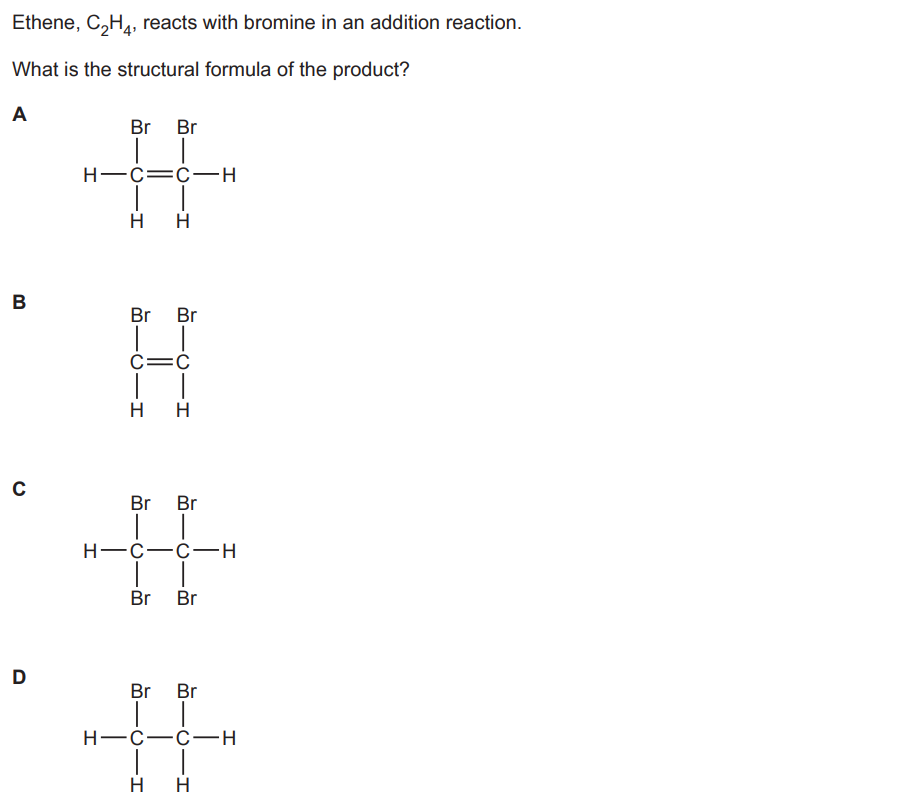
Crude oil and hydrocarbons
Crude oil and hydrocarbons
Crude oil and hydrocarbons
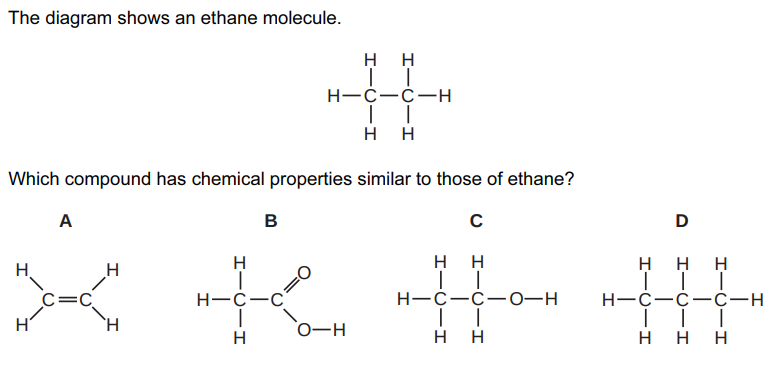
Alkanes (note we study B (carboxylic acid) and C (alcohol) in Year 11)
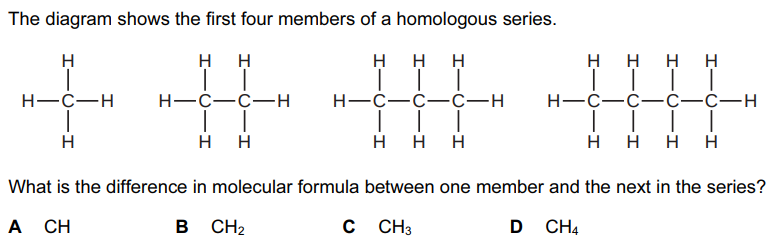
Homologous series
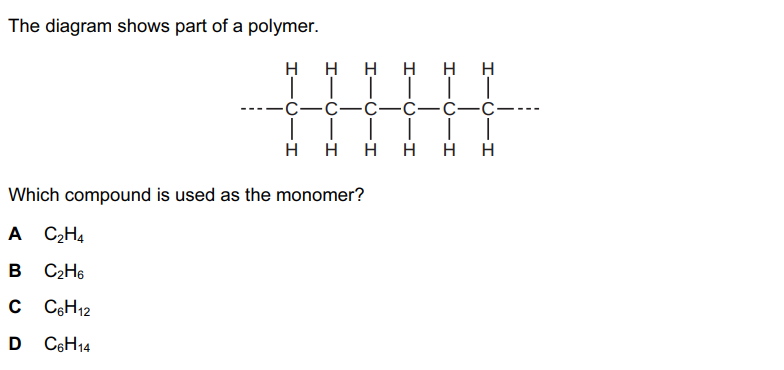
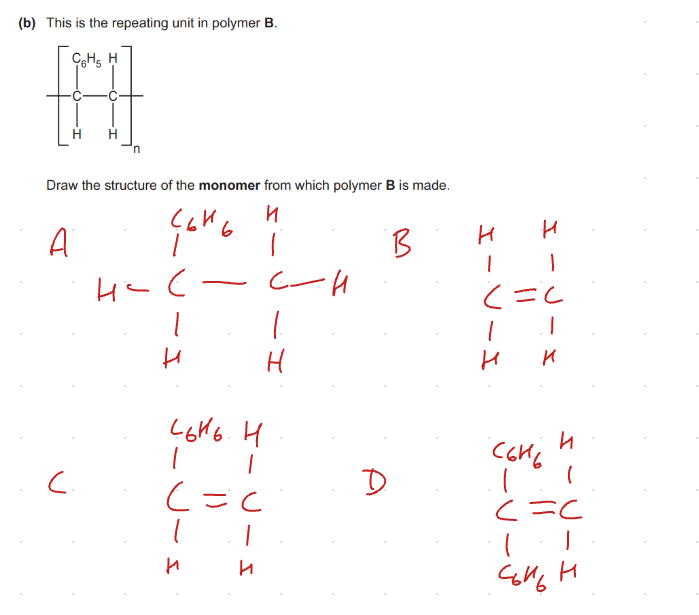
Polymers
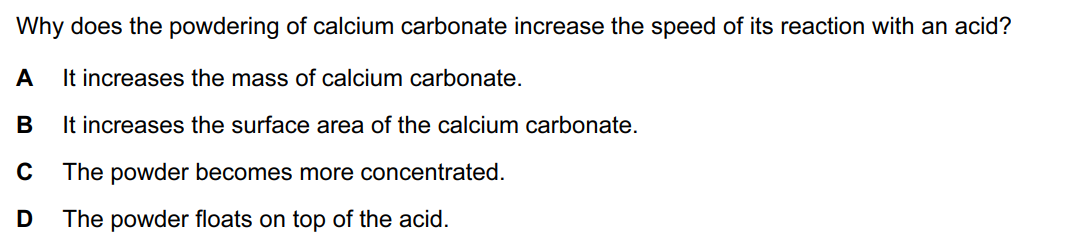
Rate of reaction
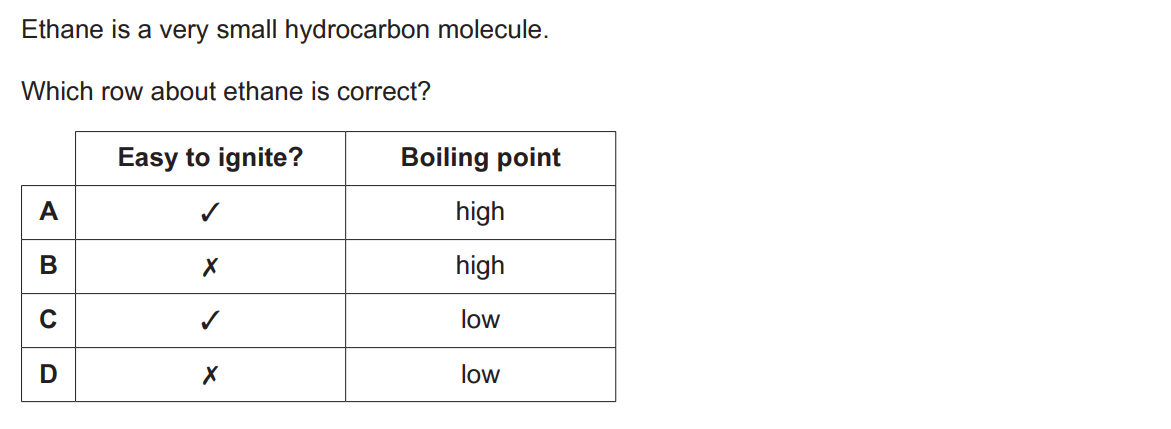
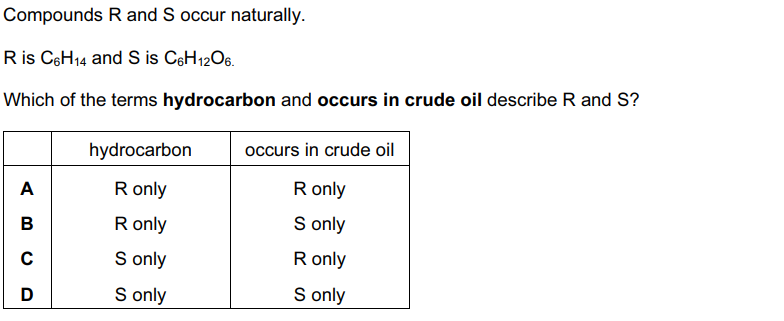
Fuels and hydrocarbons.
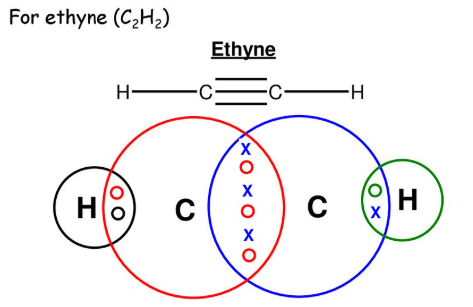
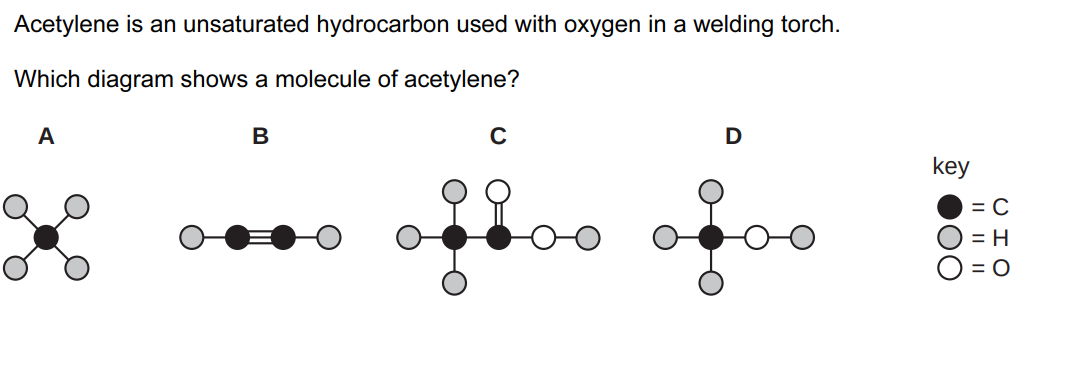
(Note 1. we do not study triple bonds in GCSE chemistry).
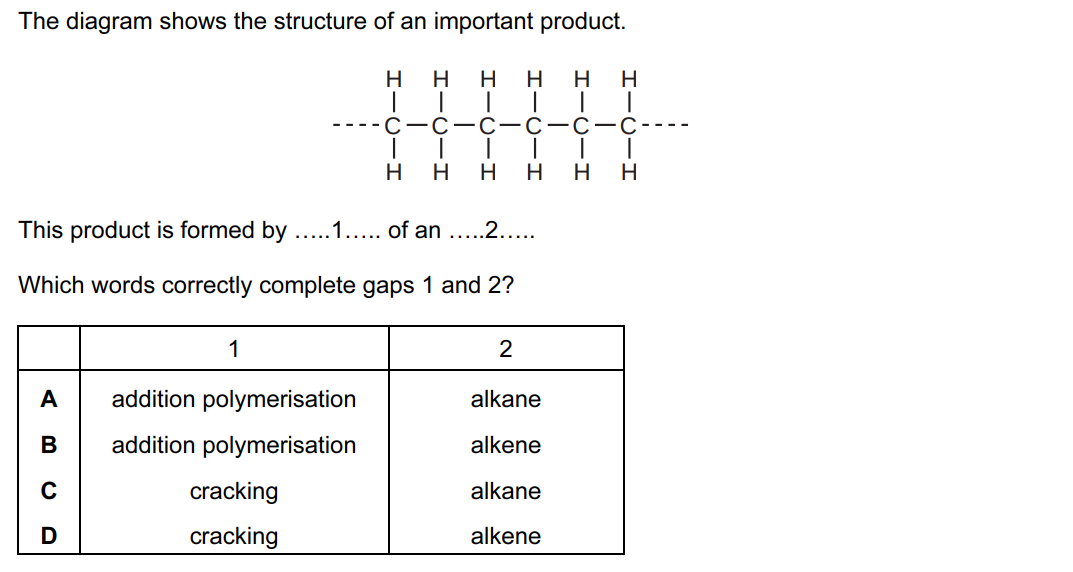
Cracking or addition polymerisation
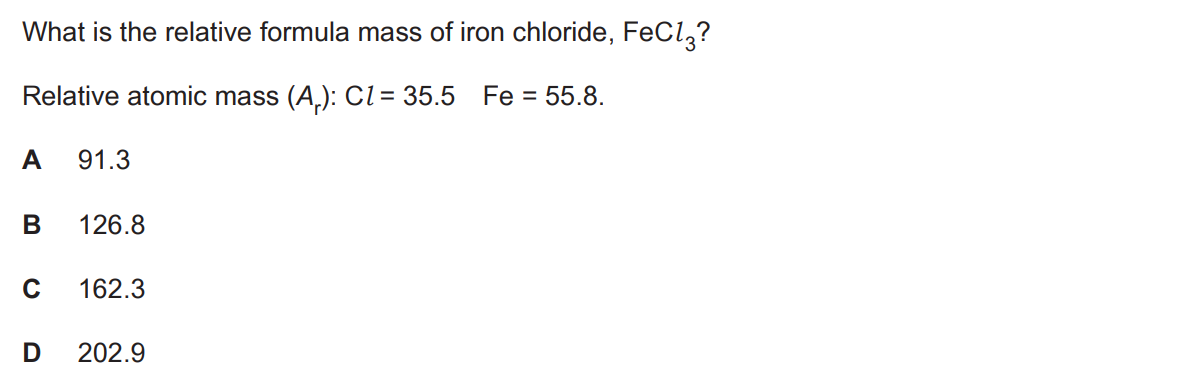
RAM
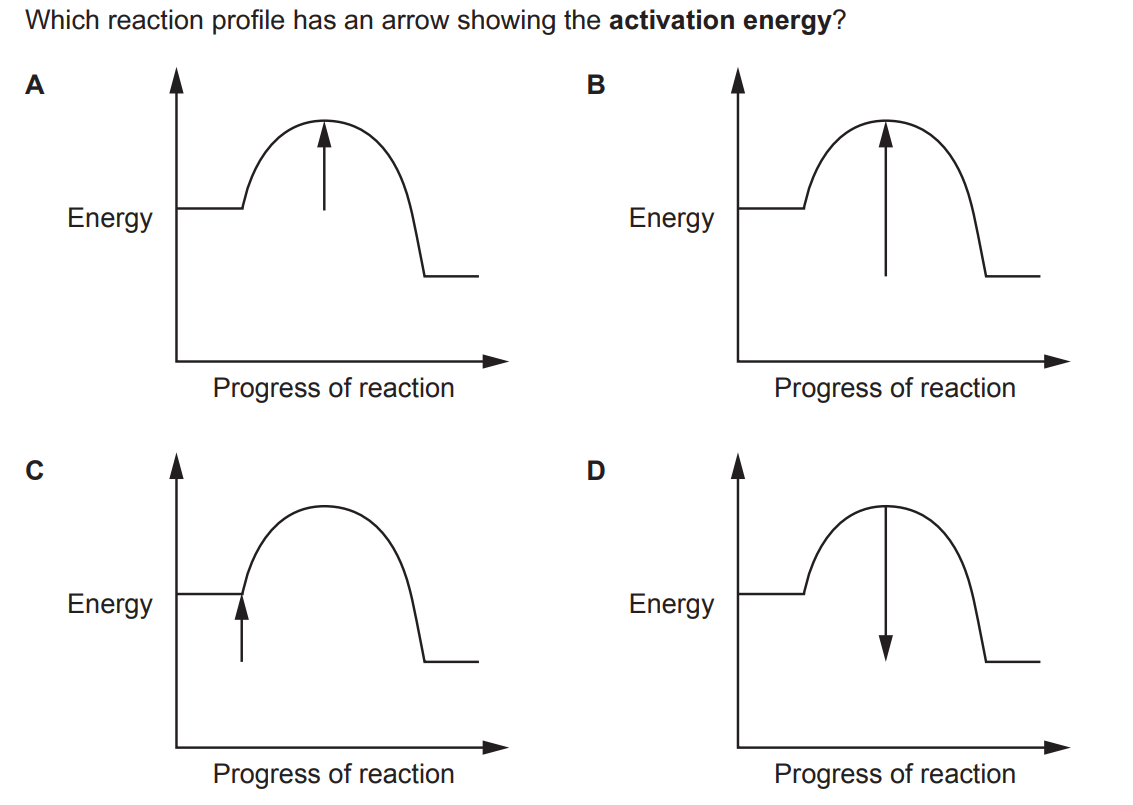
Reaction profiles
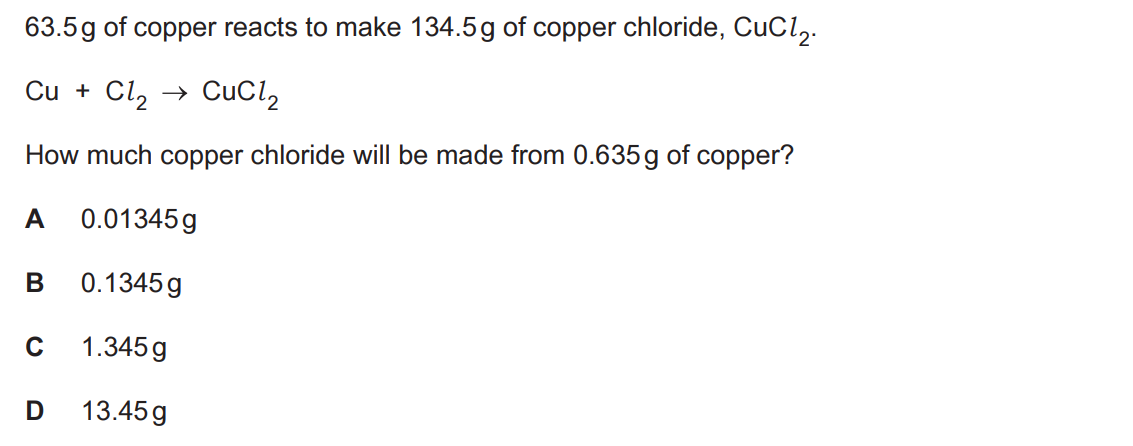
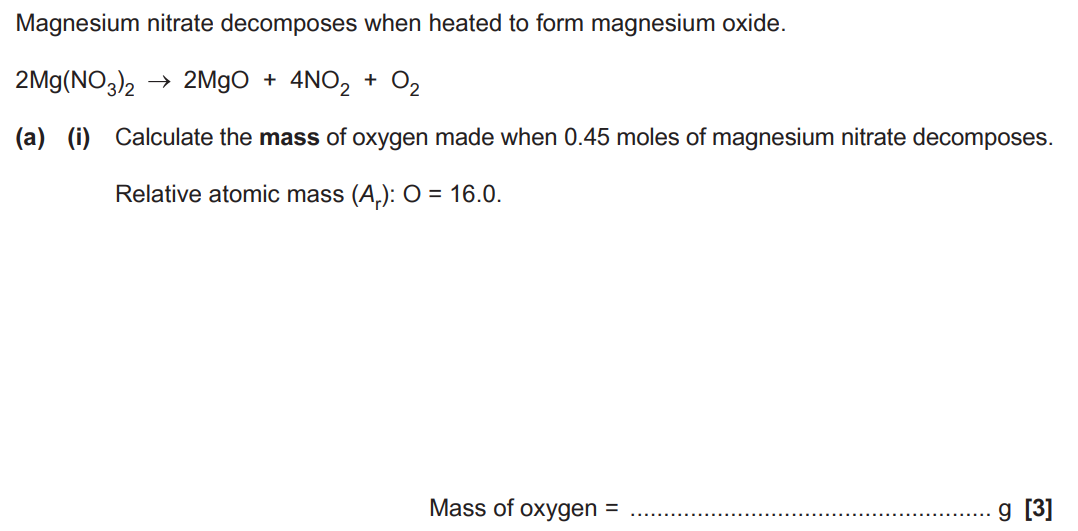
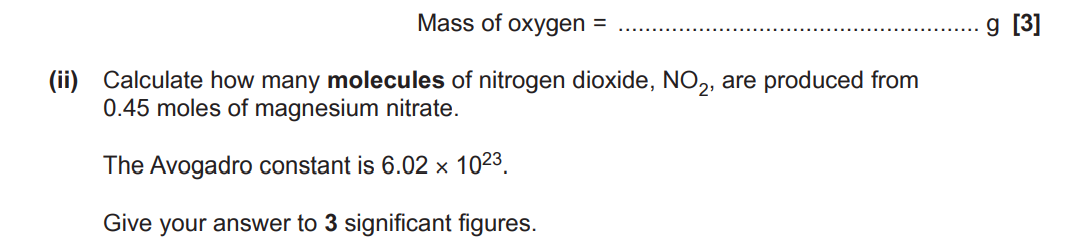
Reacting masses
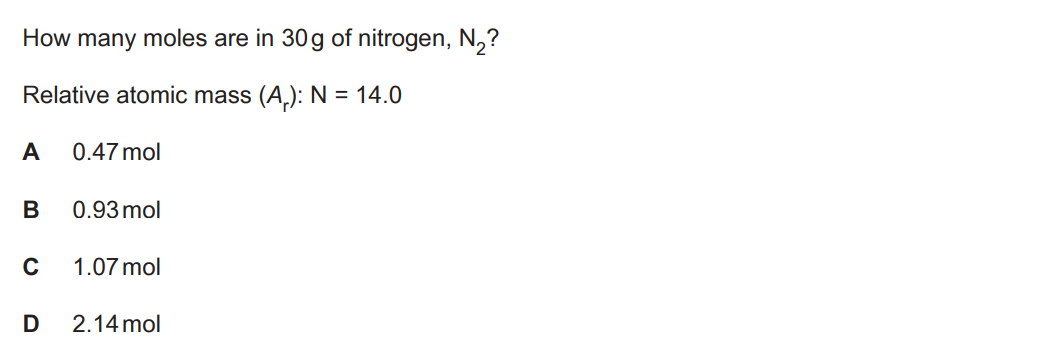
Mole calculation (this is a slightly ambiguous question but assume that moles of N2 are meant.
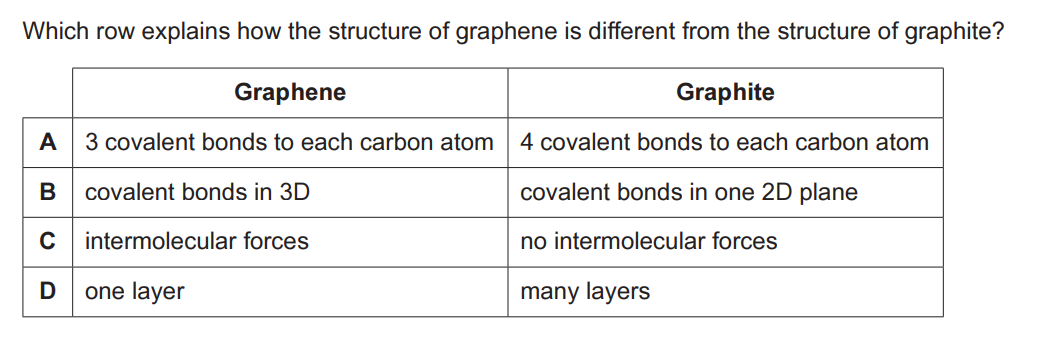
Allotropes of carbon
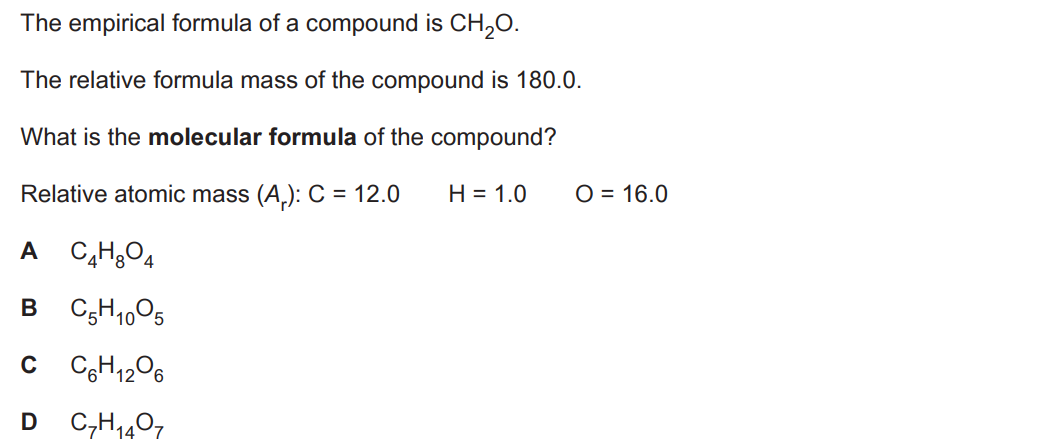
Empirical and molecular formulae
Moles of O2 formed = Moles of Magnesium nitrate / 2 =
RFM of O2 = 2 x 16 =
Mass of O2 = moles x RFM = 0.225 x 32 = g
Moles of NO2 = x moles of magnesium nitrate =
molecules of NO2 = moles x the avogadro constant =
4.3344 x10 24
4.33 x 10 24
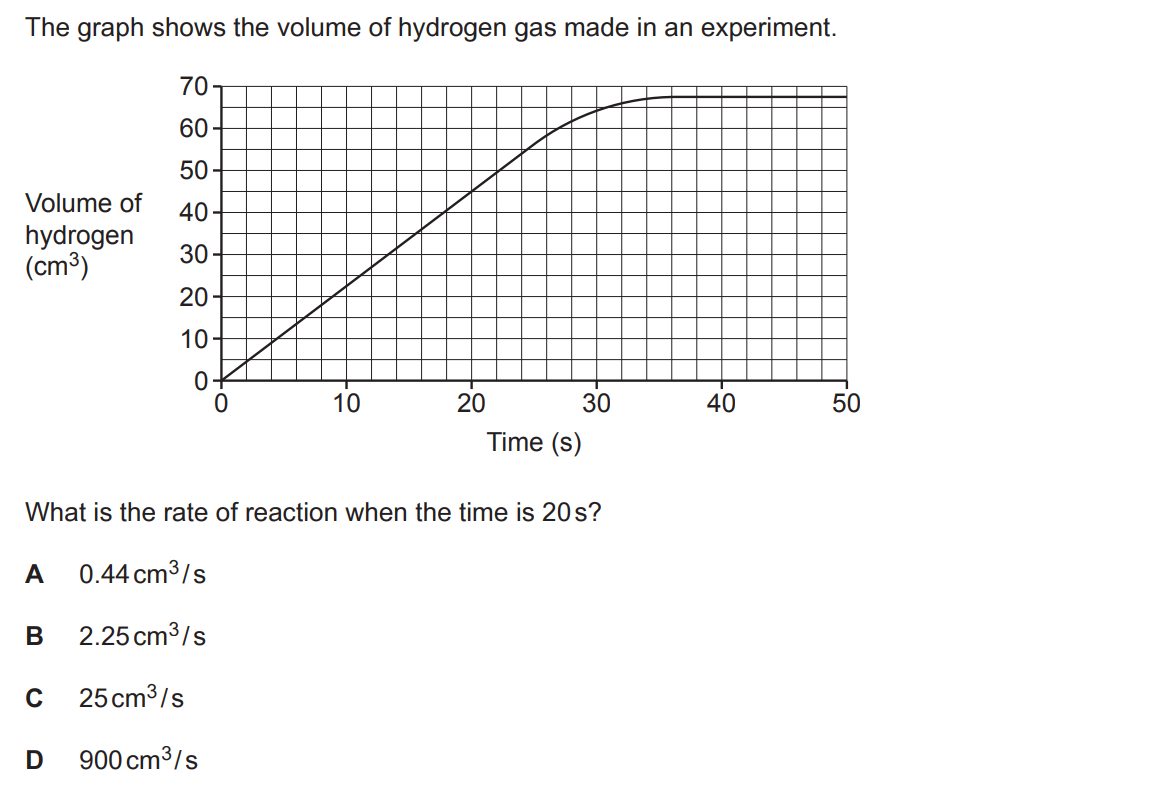
Rate of reaction.
Note that this graph is a bit artificial (we would expect a curve rather than a straight line at the start of the reaction so a tangent would have to be drawn)
Structure and bonding
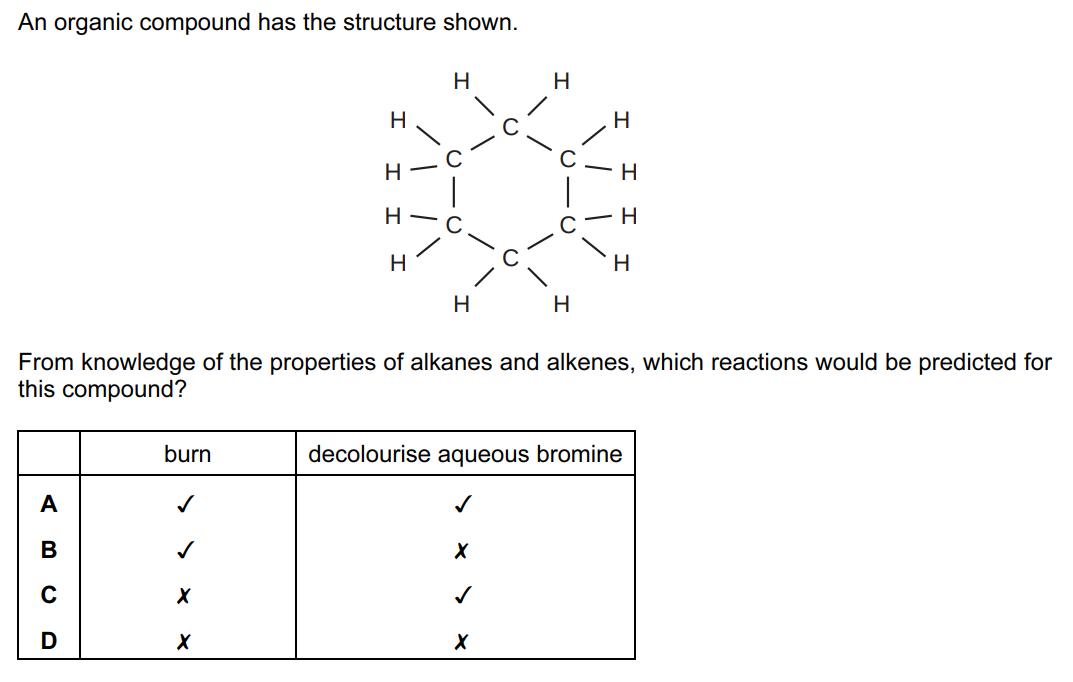
Alkanes and alkenes
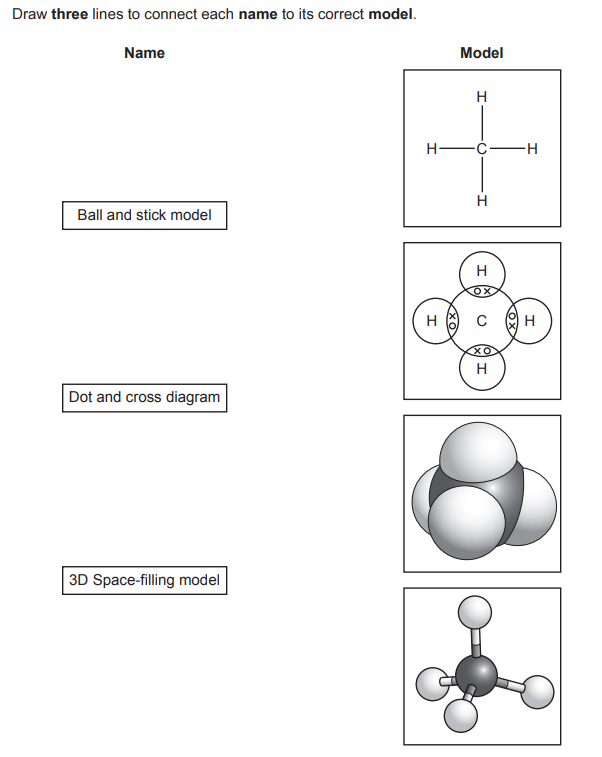
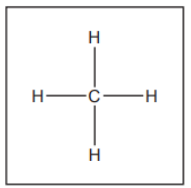
Displayed formula
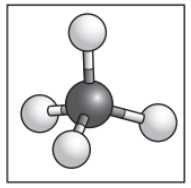
Ball and stick
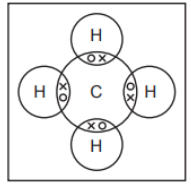
Dot cross diagram
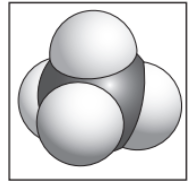
Space filling
Alkenes and bromine water
Polymers