1
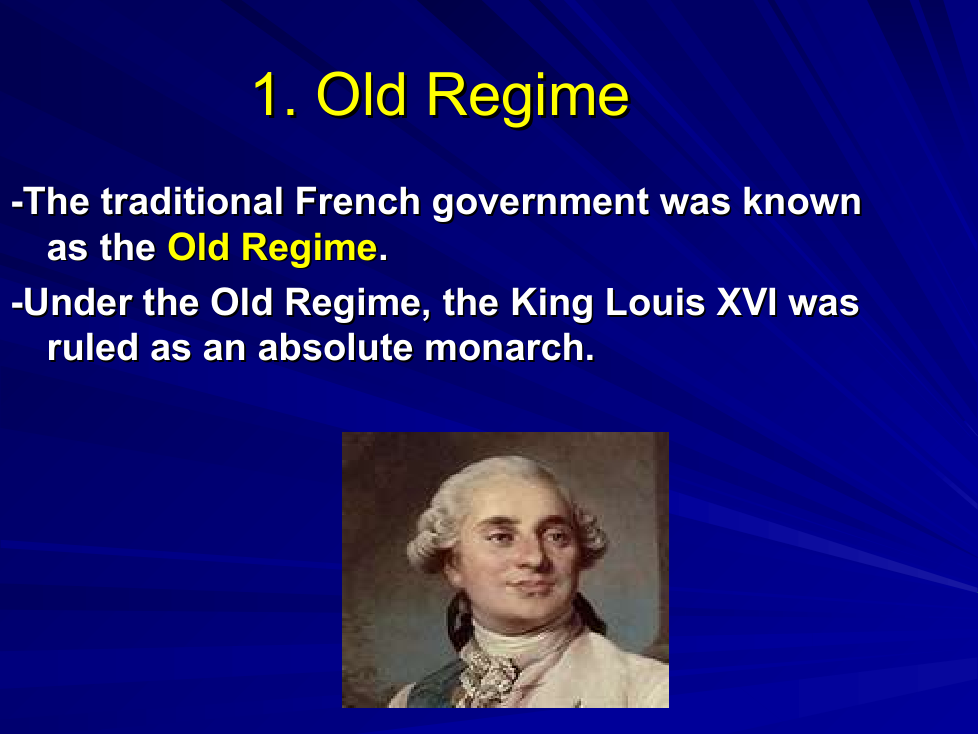
Who ruled France during the Old Regime?
Who ruled France during the Old Regime?
1
DO NOW- If a revolution was a cake, what would the recipe look like? How long would the prep time be: Five, ten, fifty years? What about the ingredients: Harsh ruler, lack of freedom, poverty? What would the directions look like? Think of about new enlightenment ideas.
DO Now- What were the main grievances that the colonists had with the British government?
DO Now-How do the ideals of liberty and independence that emerged during the Revolution continue to shape American identity today?
Who ruled France during the Old Regime?
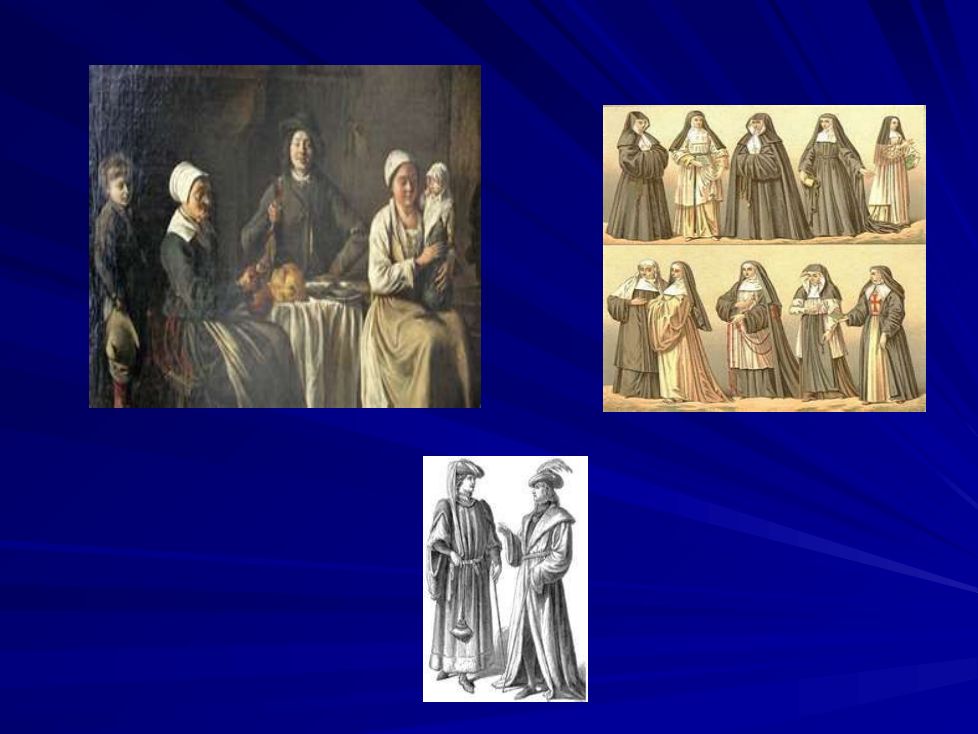
Describe the roles and responsibilities of the First Estate in the Old Regime.
What privileges did the First Estate have compared to the other estates?
How did the lifestyle of higher clergy differ from that of parish priests in the First Estate?
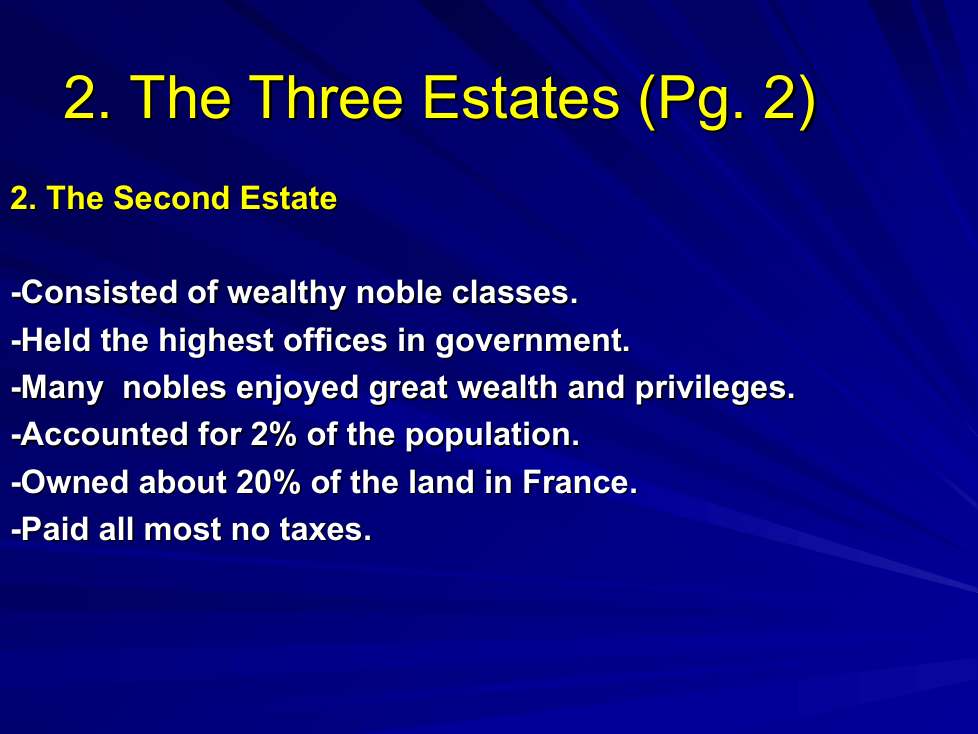
What was the composition of the Second Estate?
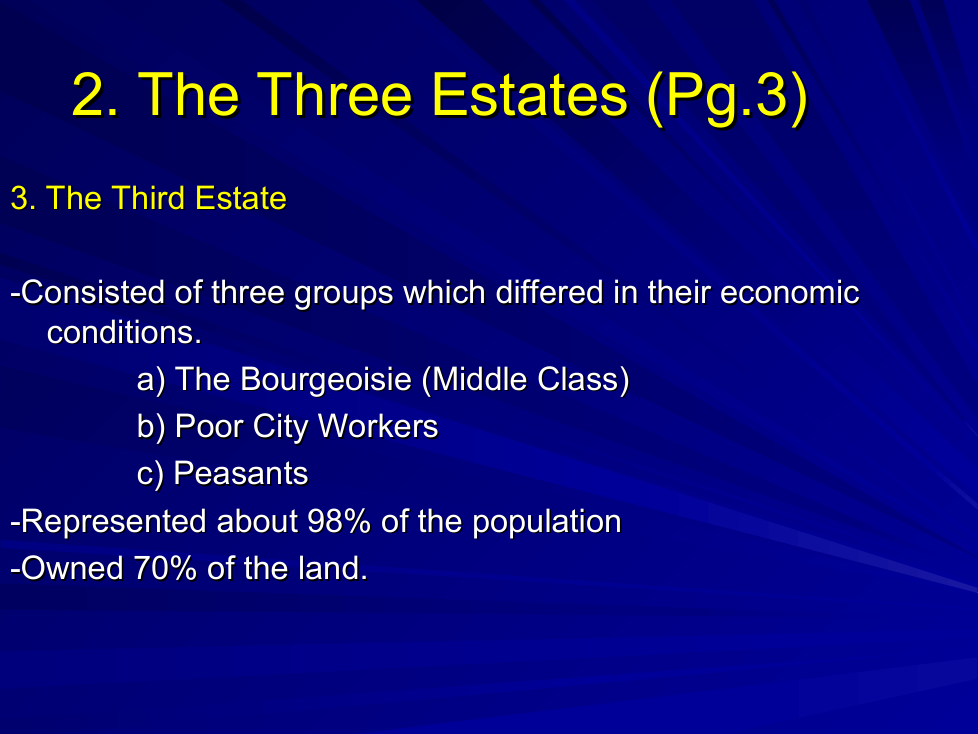
What percentage of the population did the Third Estate represent?
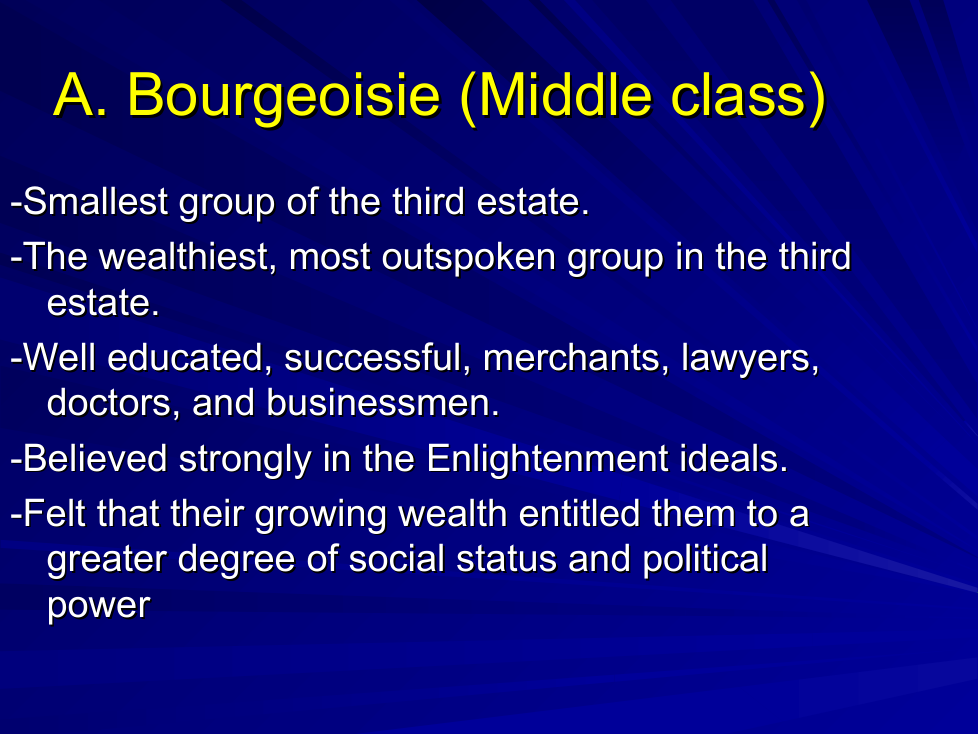
What was a key characteristic of the Bourgeoisie during the Enlightenment?
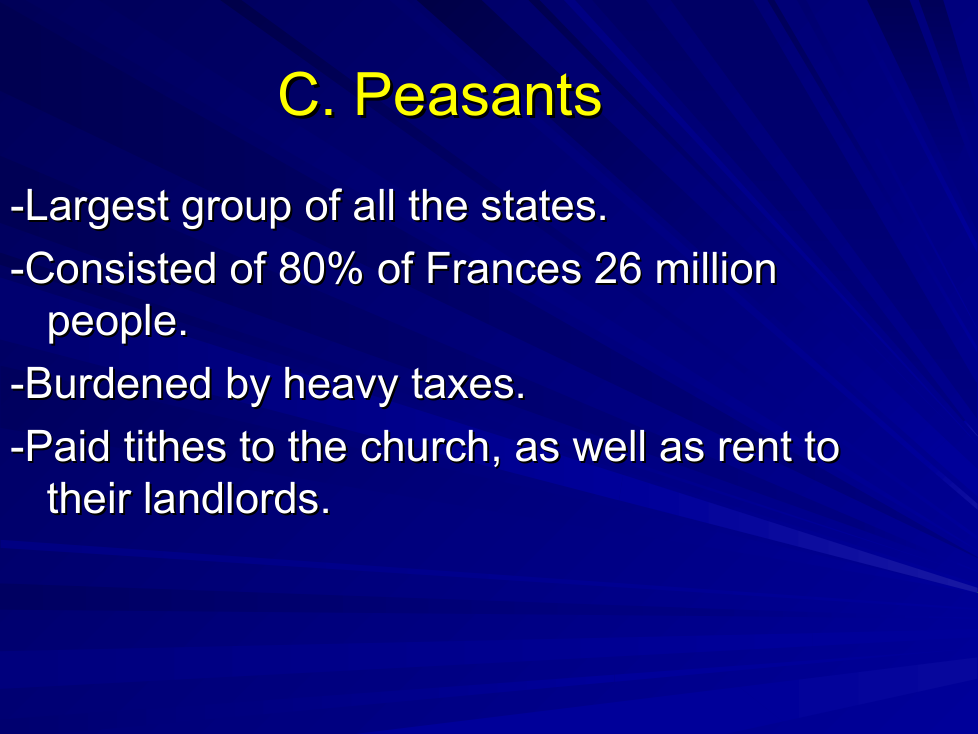
In what ways did the obligations of peasants to the church and landlords impact their daily lives?
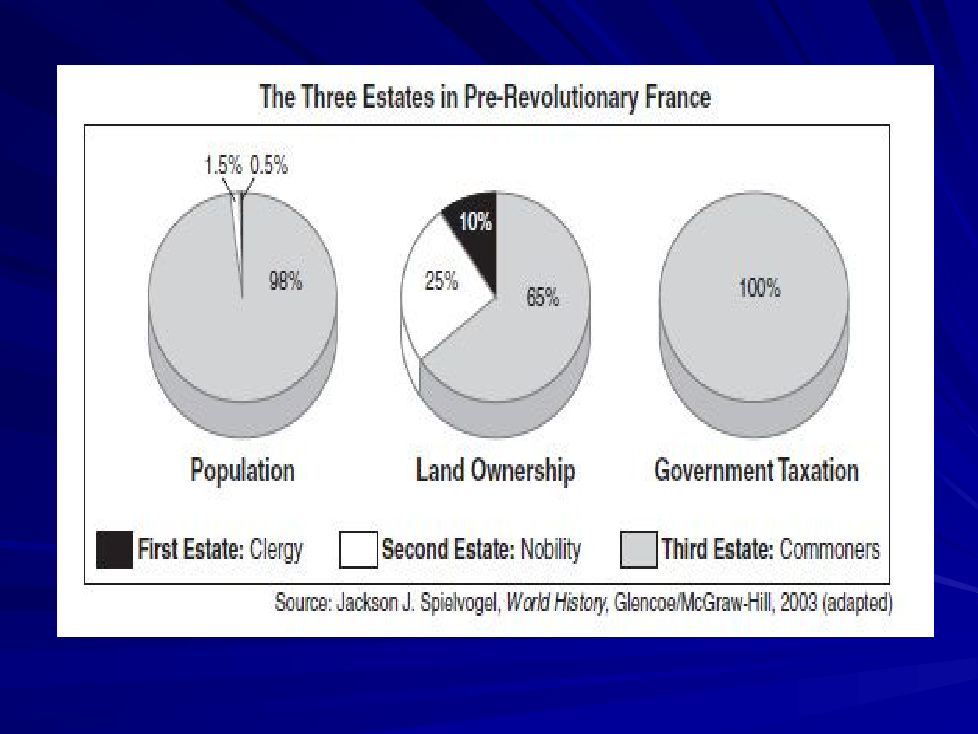
Explain the significance of the population distribution among the three estates in pre-revolutionary France.
Analyze the role of taxation in pre-revolutionary France and its relation to the three estates.
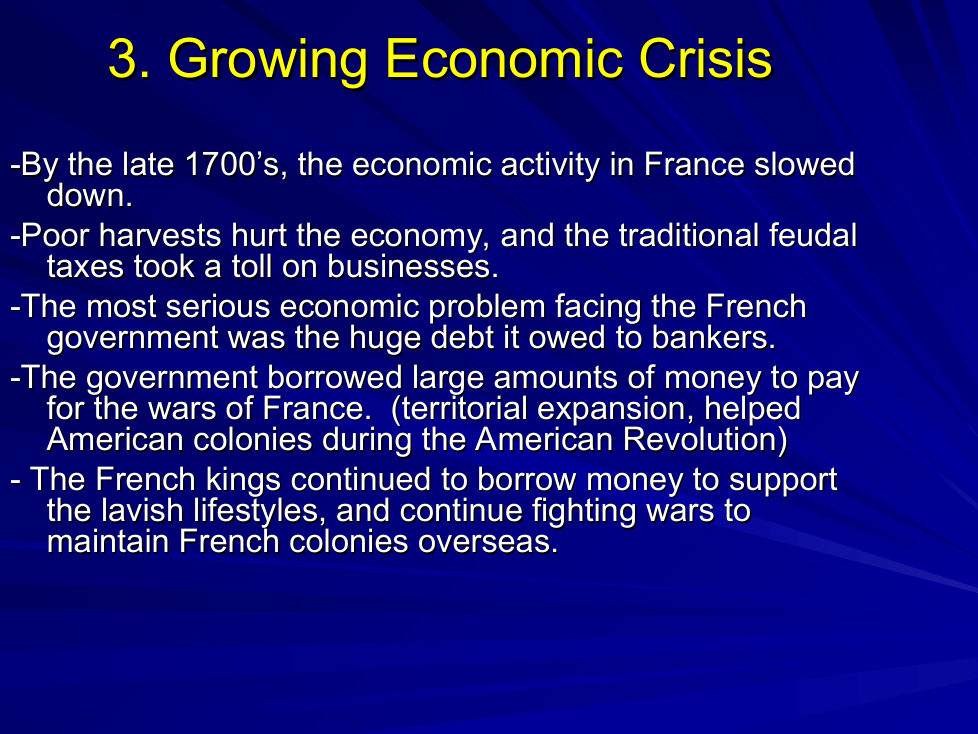
What were the main causes of the economic crisis in France by the late 1700s?
In what ways did the French government's spending during wars contribute to its economic problems?
What was one reason King Louis XVI proposed a tax?
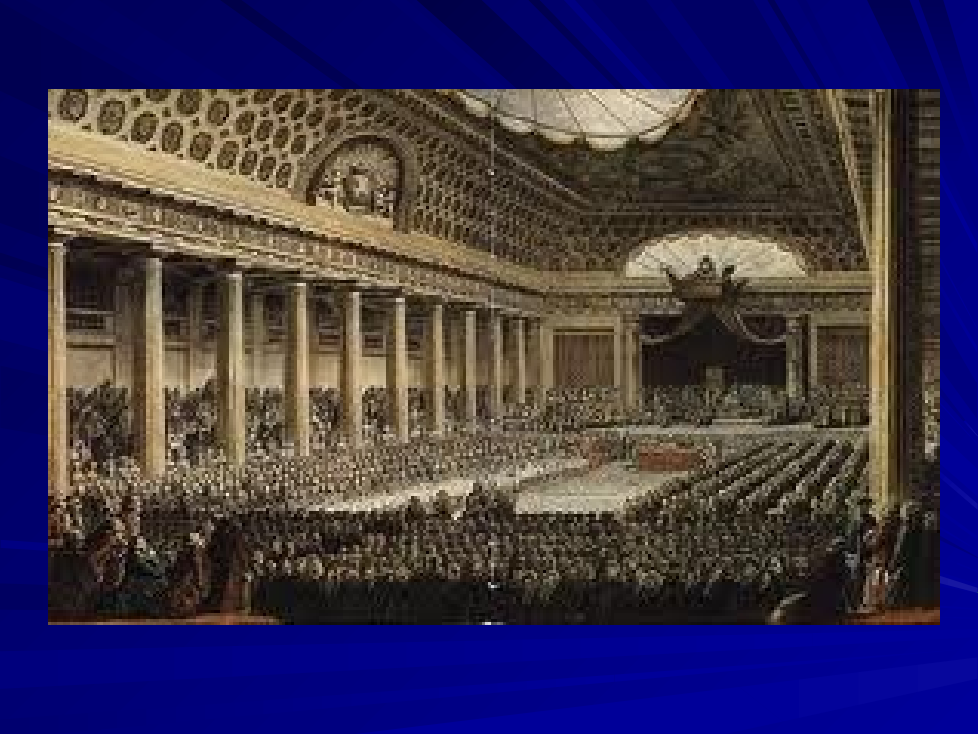
What were the three estates called that participated in the estate-general?
Which estate was typically outvoted in the estate-general?
Who ruled in favor of the traditional voting method?
What did the Third Estate declare themselves?
Where did the delegates take the oath?
What document were the delegates committing to create?
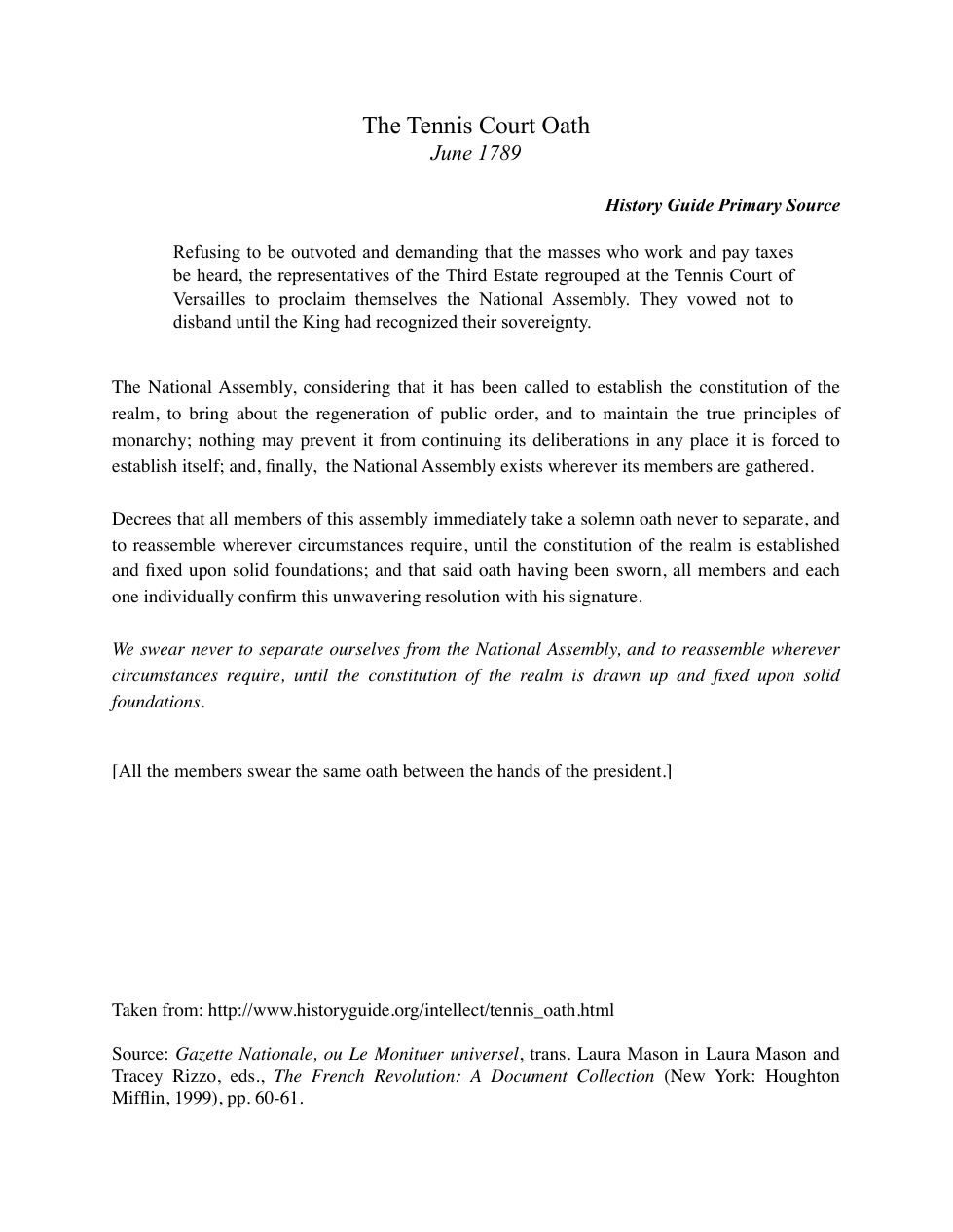
How did the Tennis Court Oath challenge the authority of King Louis XVI?
What risks did the delegates take by making the Tennis Court Oath? Would you have made the same decision in their place? Why or why not?
How might the Tennis Court Oath be compared to other foundational political actions in history (like the Declaration of Independence or the English Bill of Rights)?
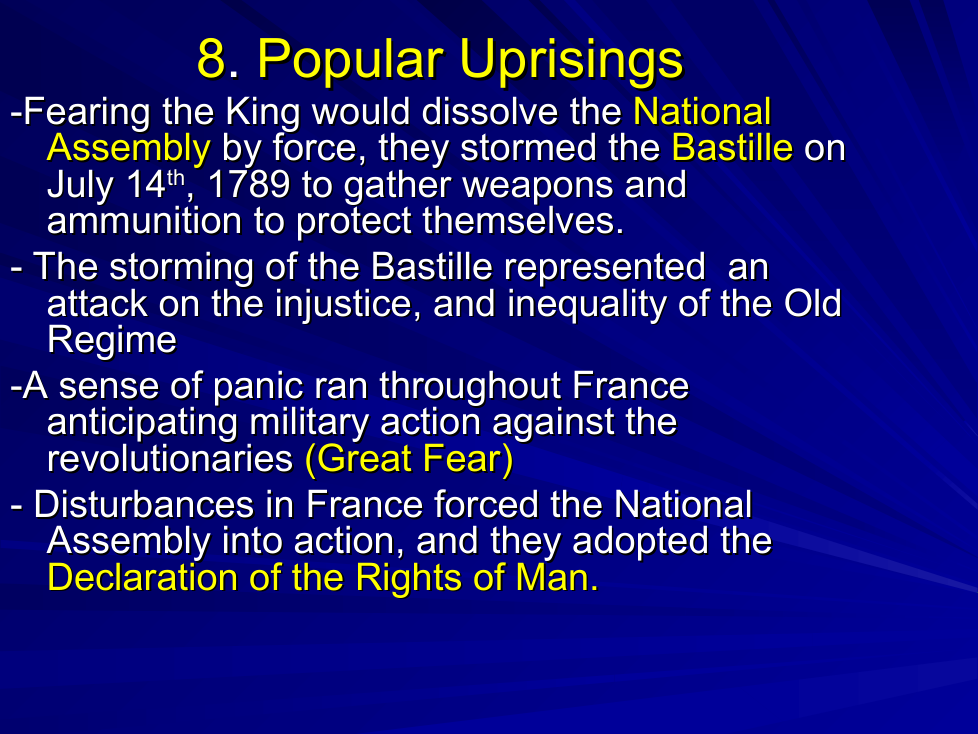
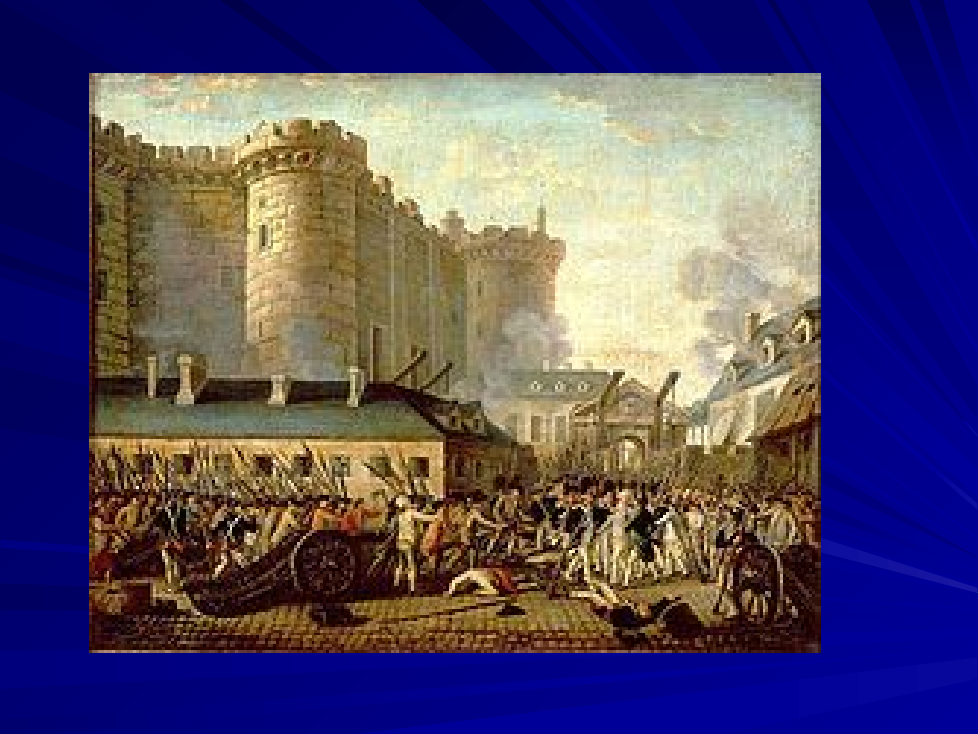
What event occurred on July 14, 1789, reflecting popular discontent?
What was the widespread fear of military action against revolutionaries called?
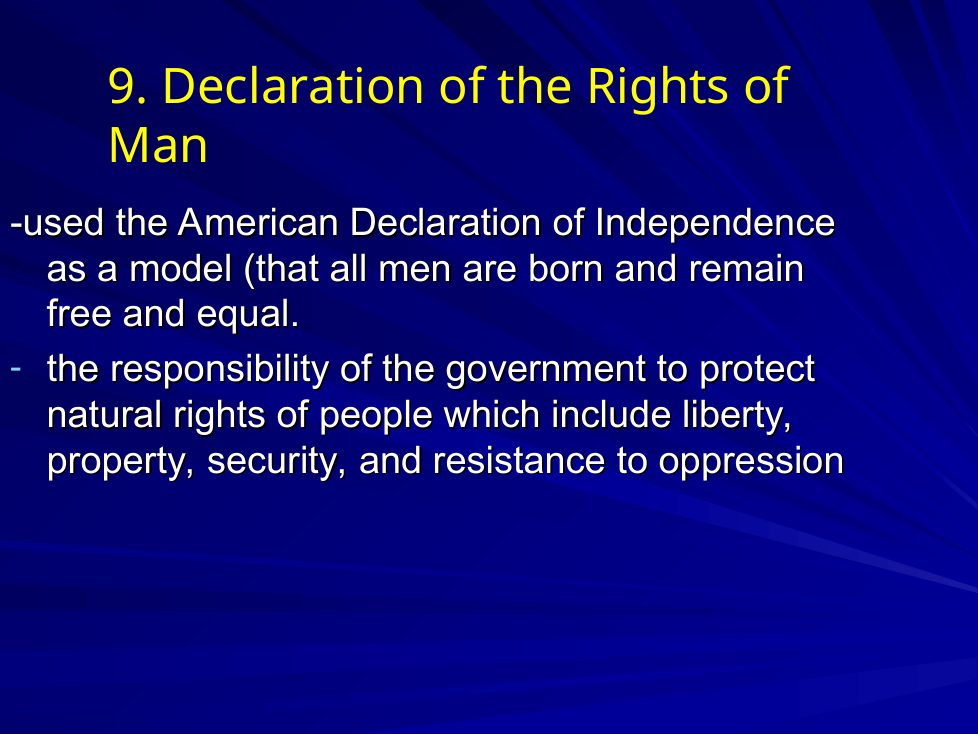
What natural rights are highlighted in the Declaration of the Rights of Man?
What responsibility does the government have according to the Declaration of the Rights of Man?
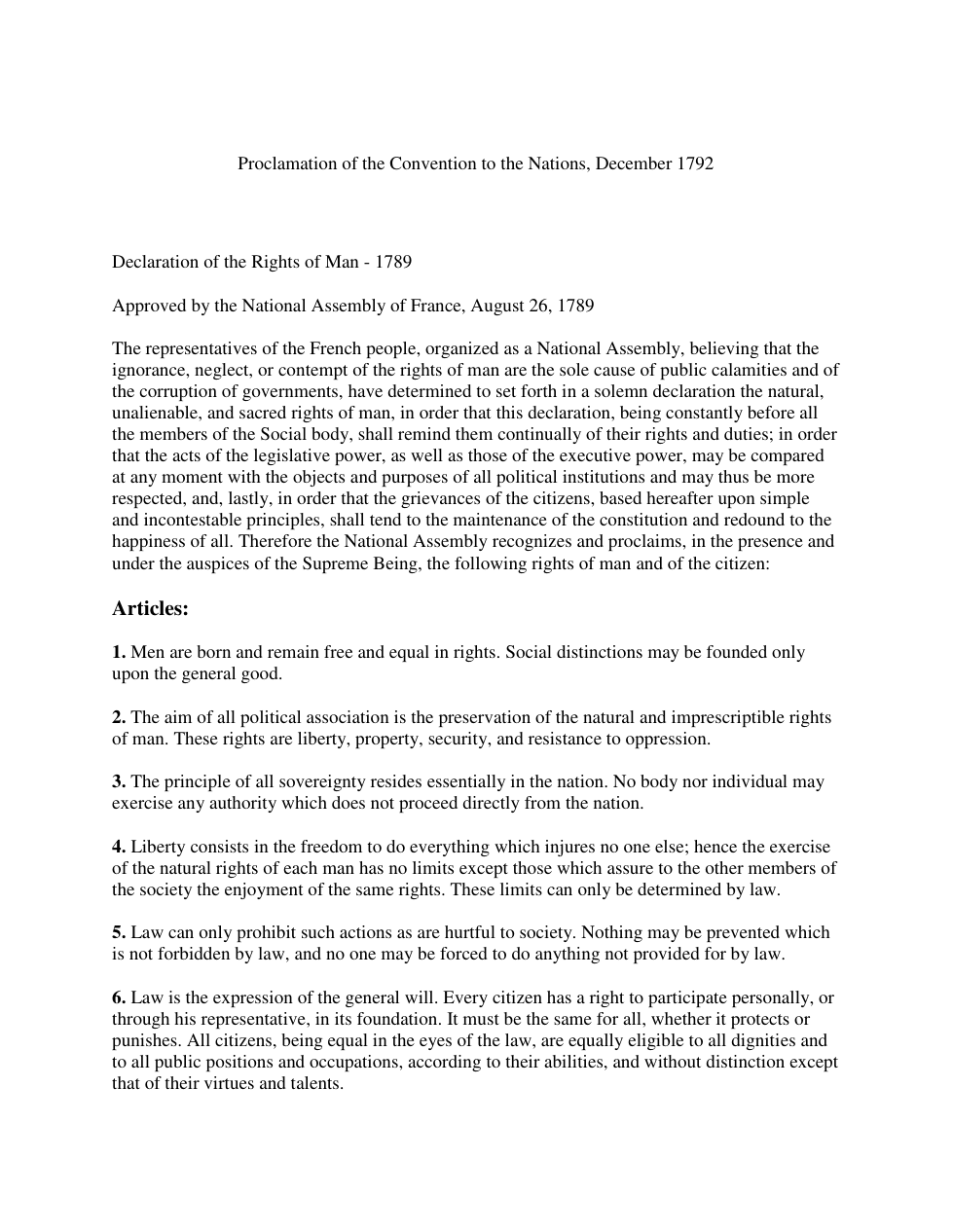
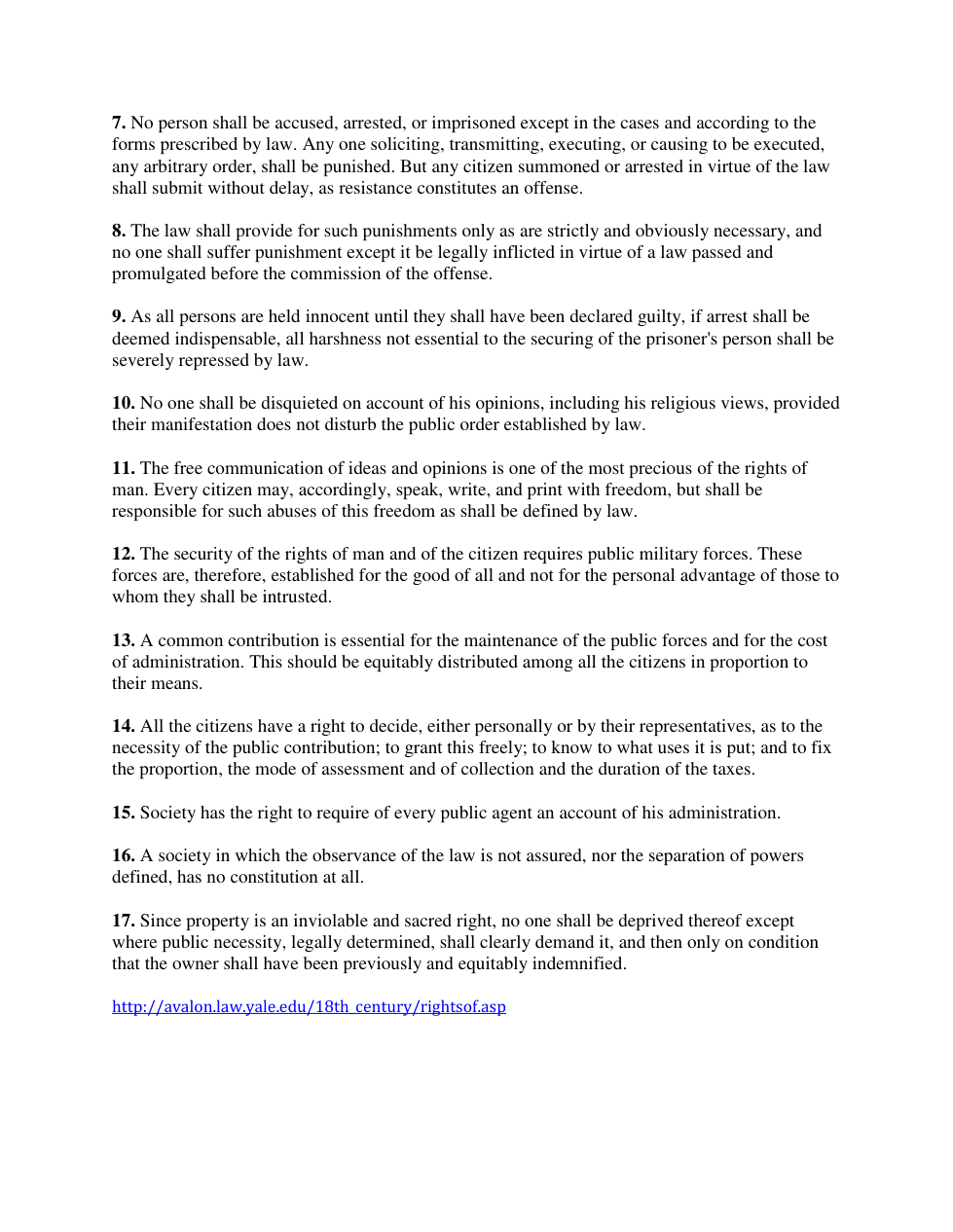
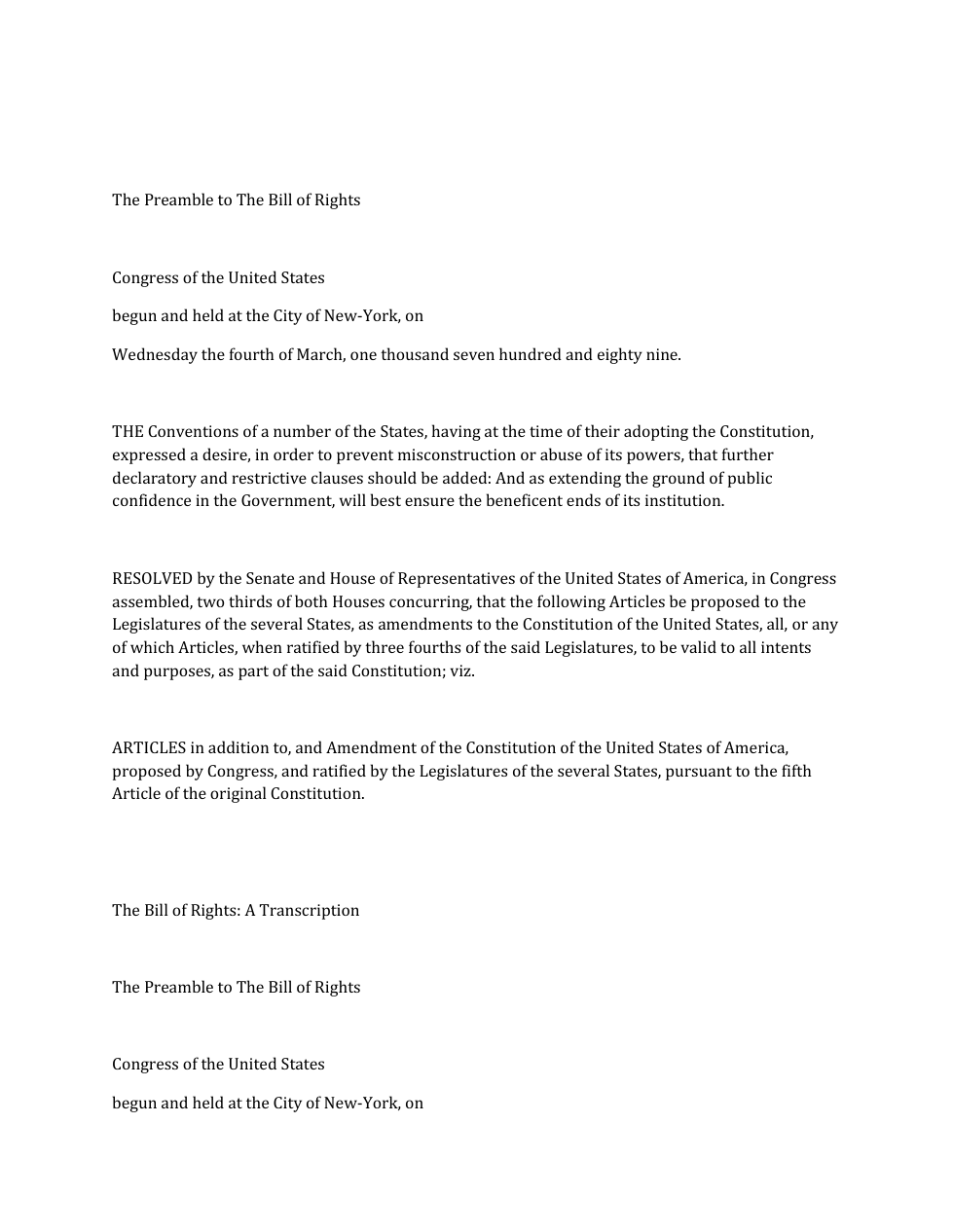
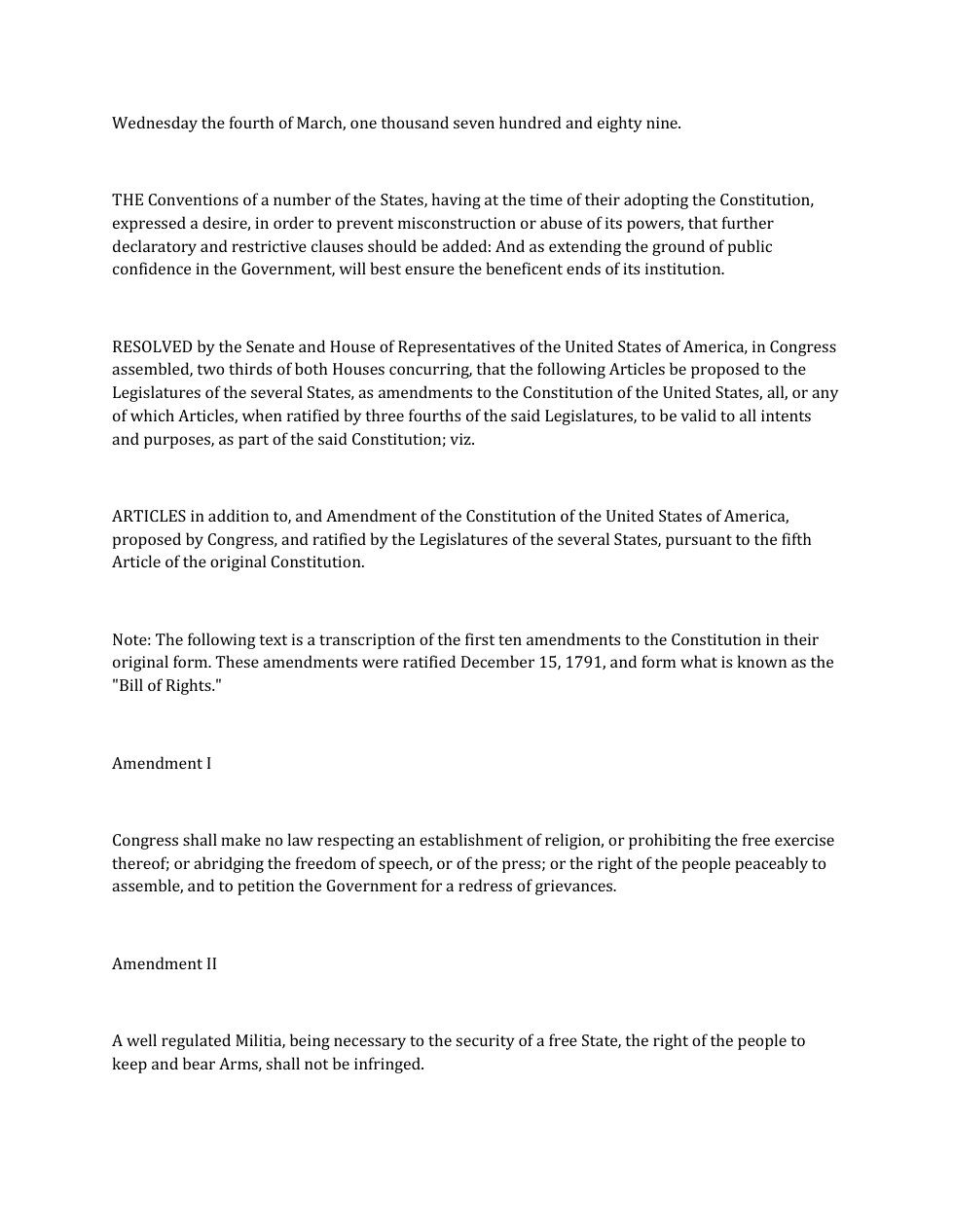
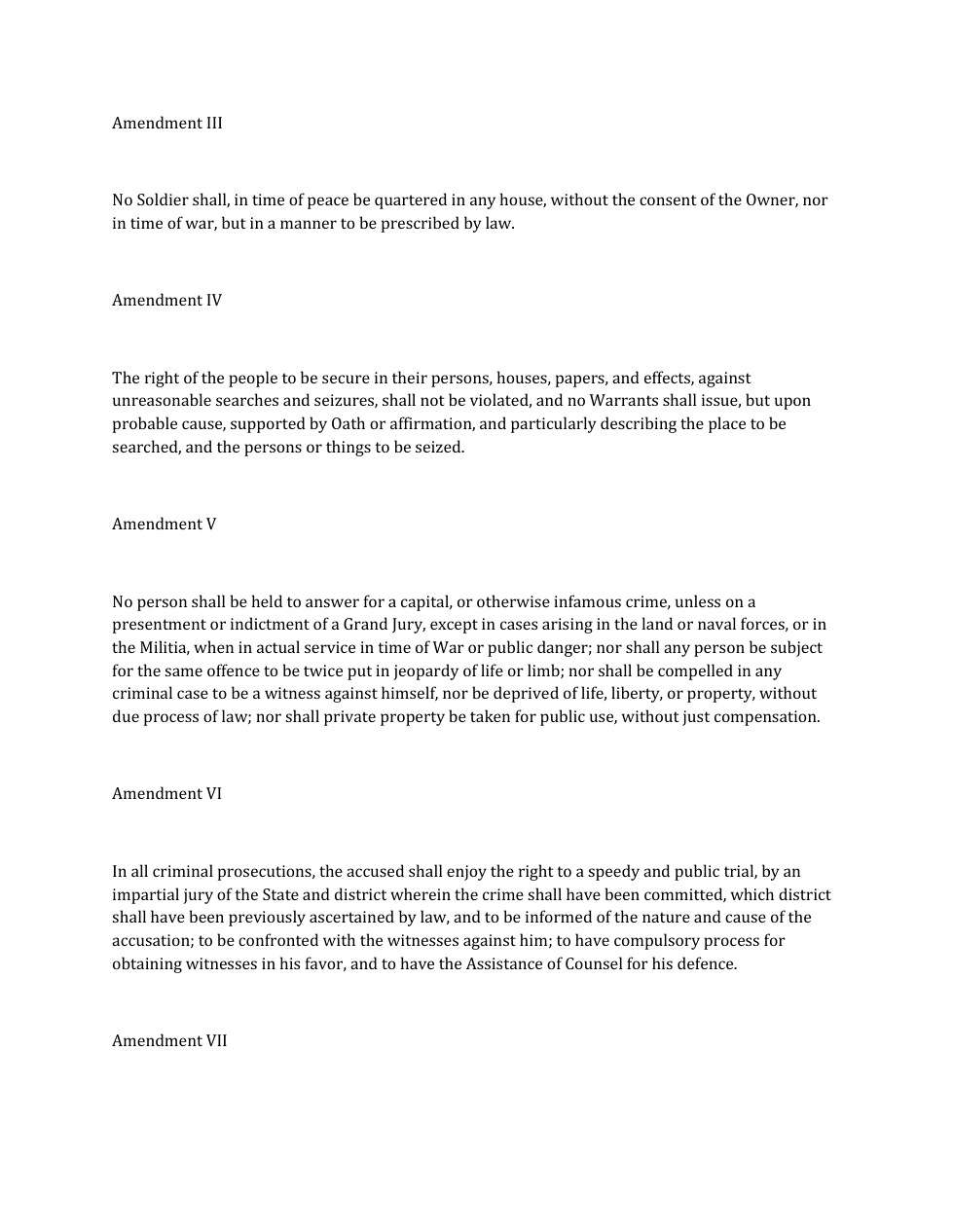
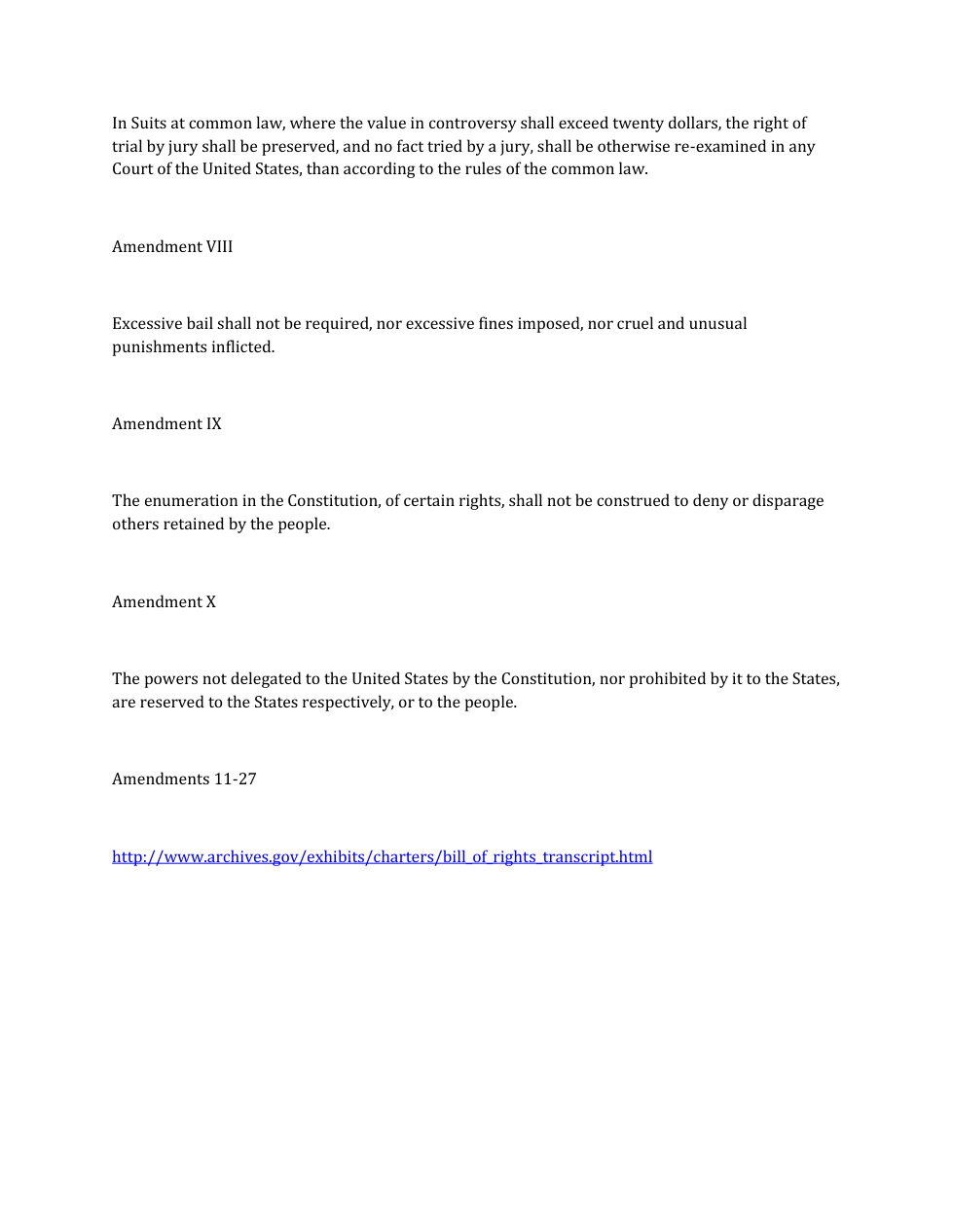
Compare and the contrast the American Constitution and the French Declaration of the Rights of Man (1789), as well as, compare American and French politics of the 18th and 19th centuries. Look for at least 3 points to address
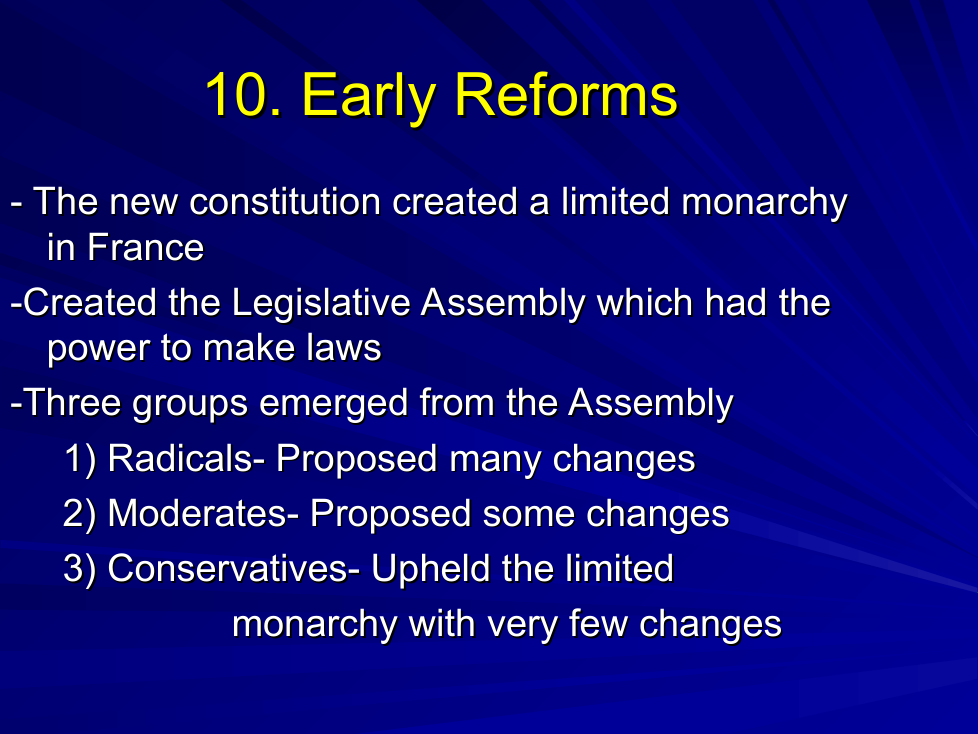
Match the group with their proposed changes.
| Draggable item | arrow_right_alt | Corresponding Item |
|---|---|---|
Moderates | arrow_right_alt | Uphold monarchy with few changes |
Radicals | arrow_right_alt | Proposed some changes |
Conservatives | arrow_right_alt | Proposed many changes |
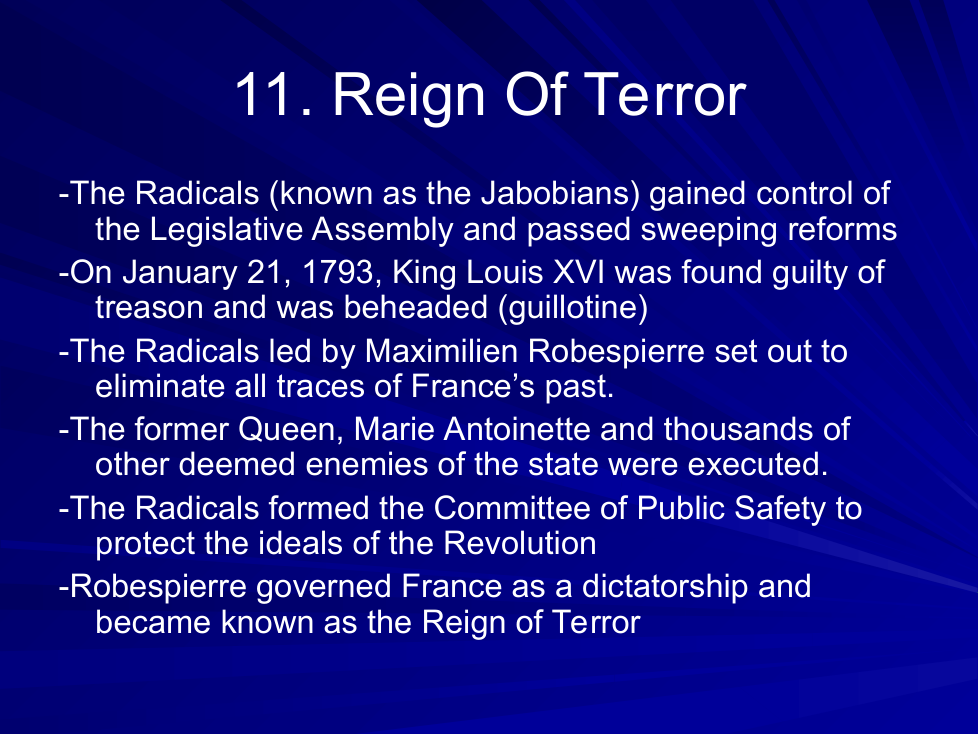
What were the main objectives of the Radicals during the Reign of Terror, and how did they seek to achieve them?
Describe the role of the Committee of Public Safety during the Reign of Terror.
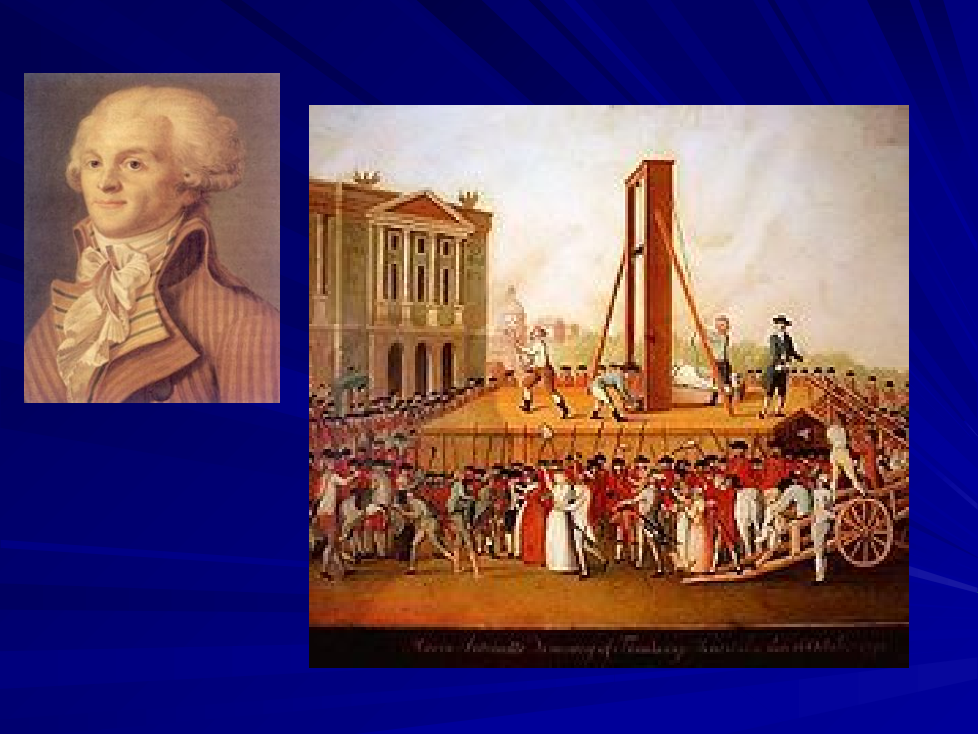
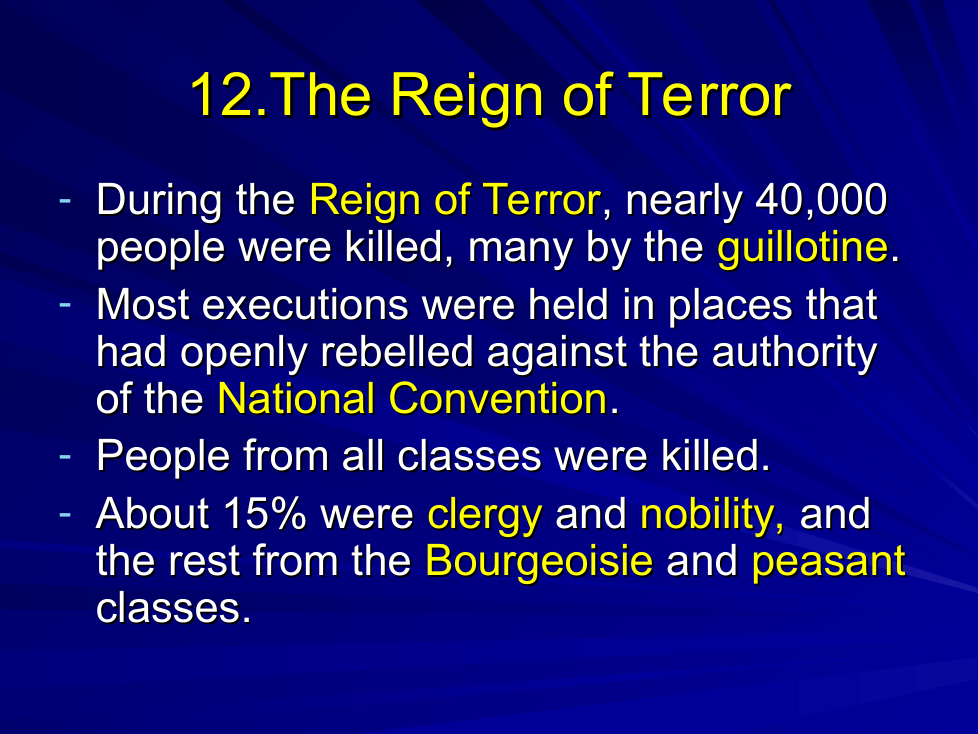
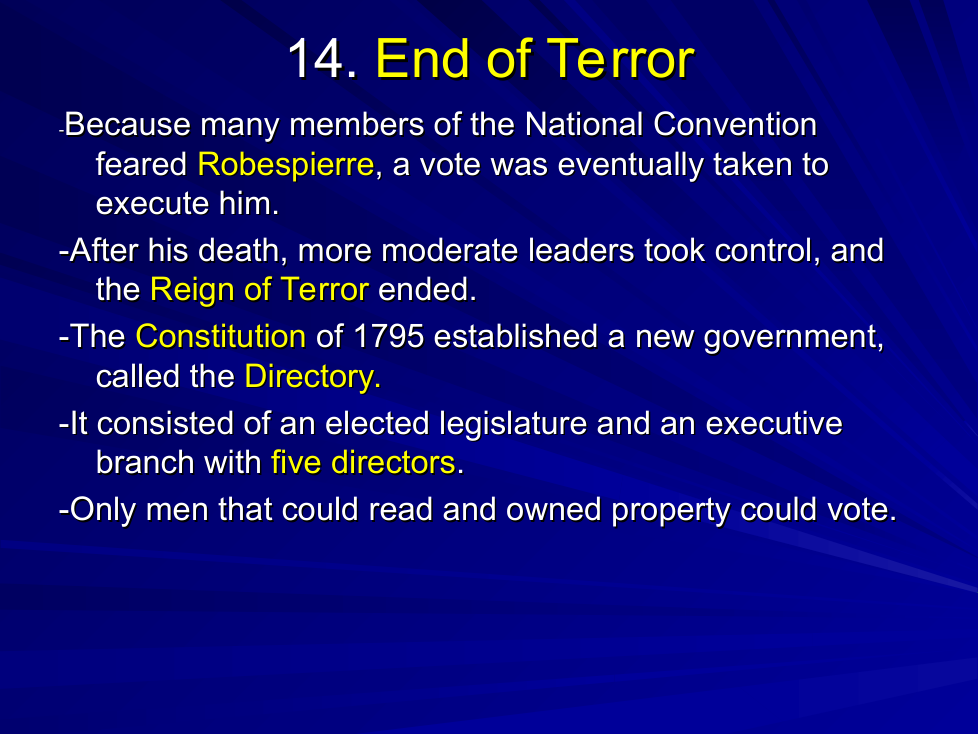
What led to the end of the Reign of Terror?
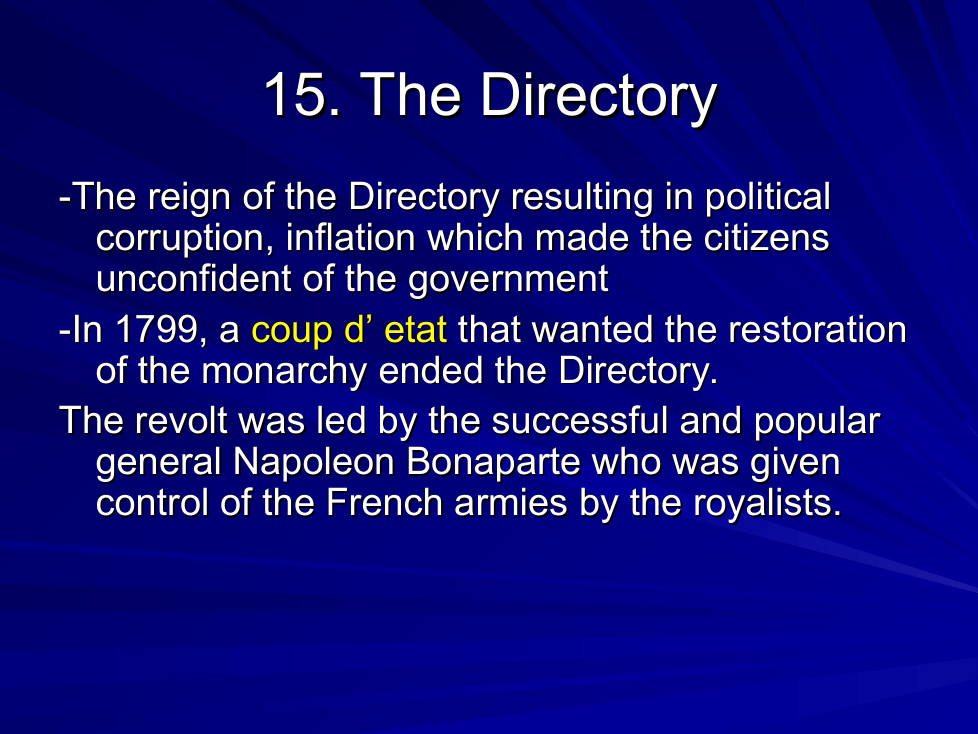
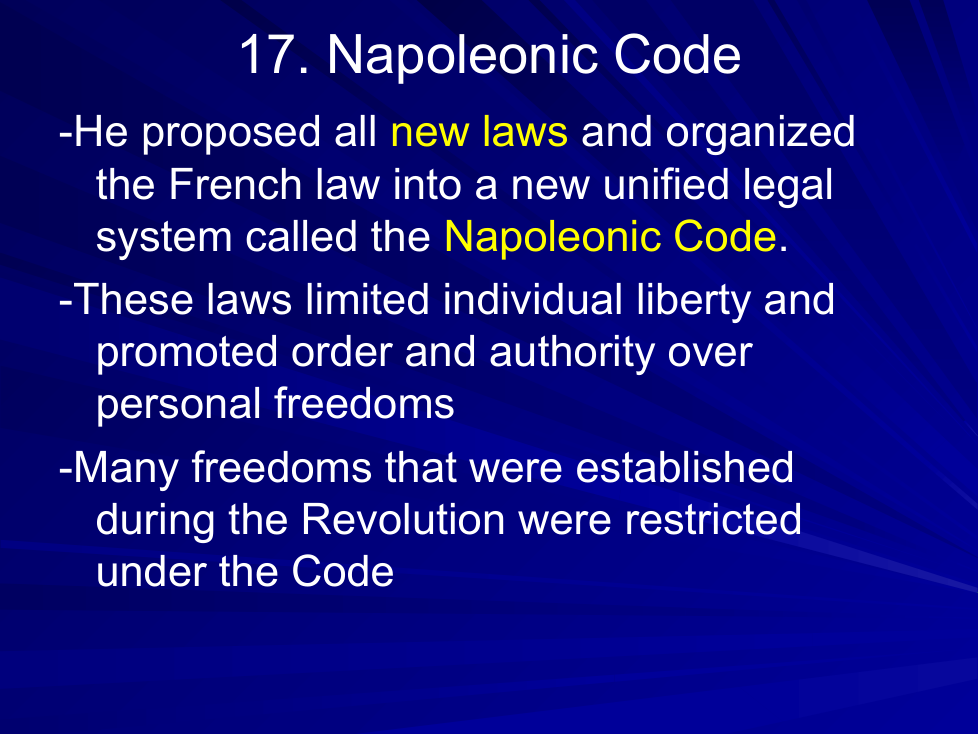
What was the purpose of the Napoleonic Code?
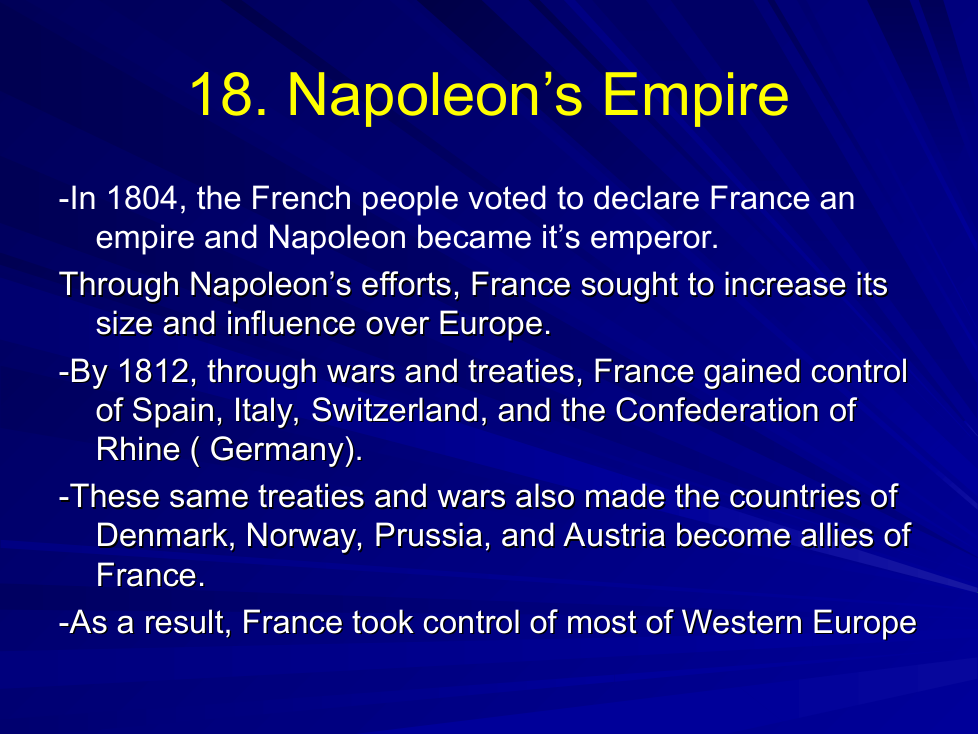
Which country did France NOT control by 1812?
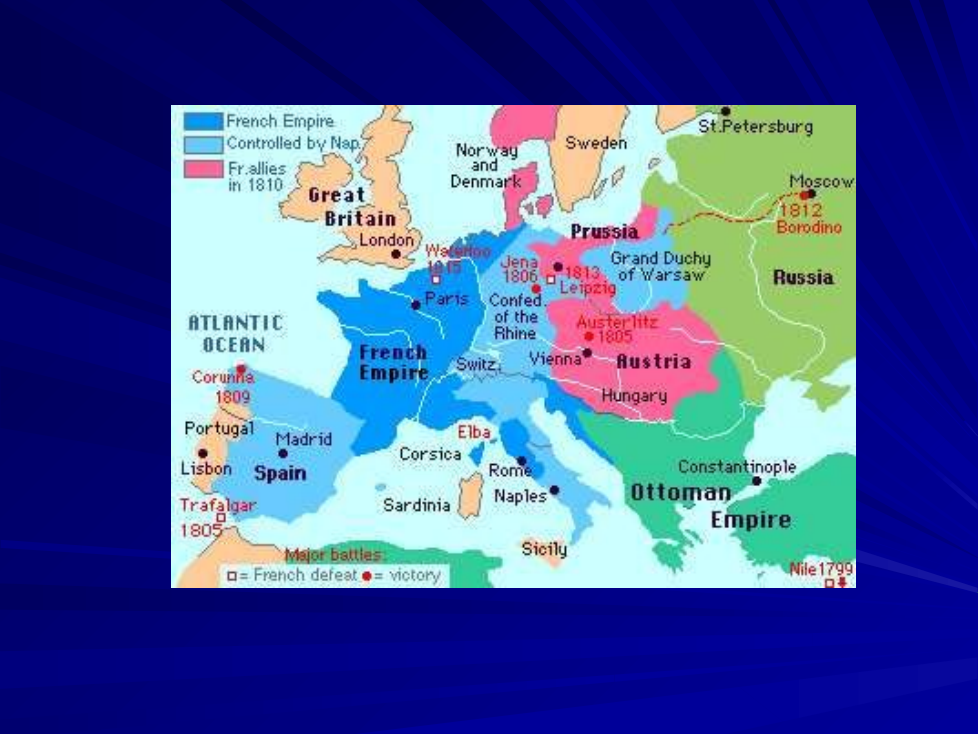
Identify two regions controlled by the French Empire according to the map. How did this control impact neighboring nations?
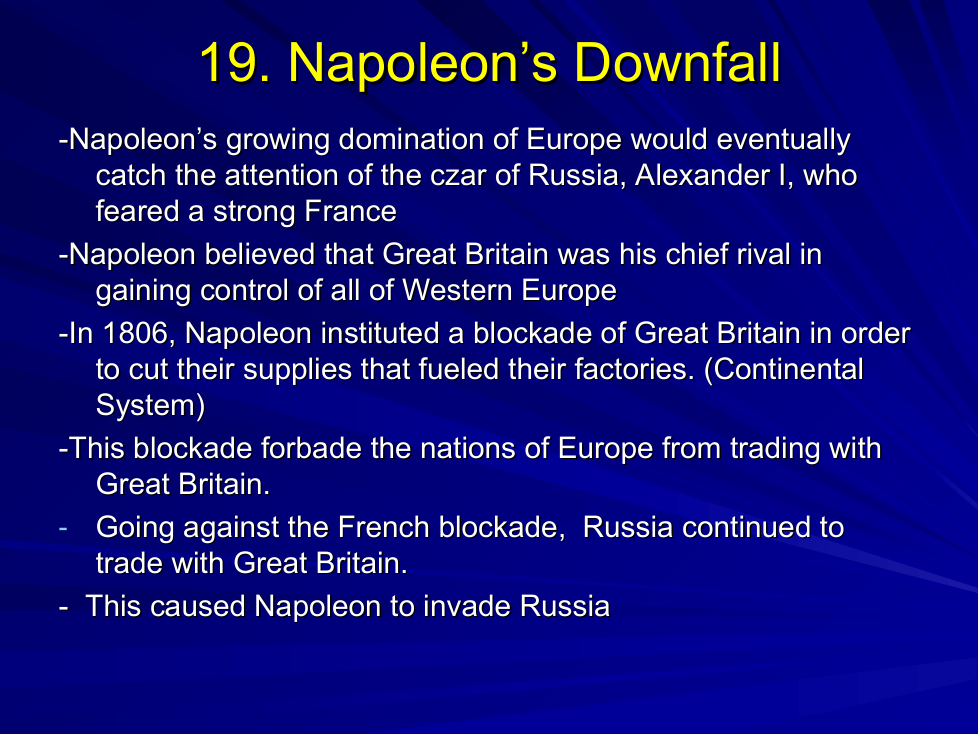
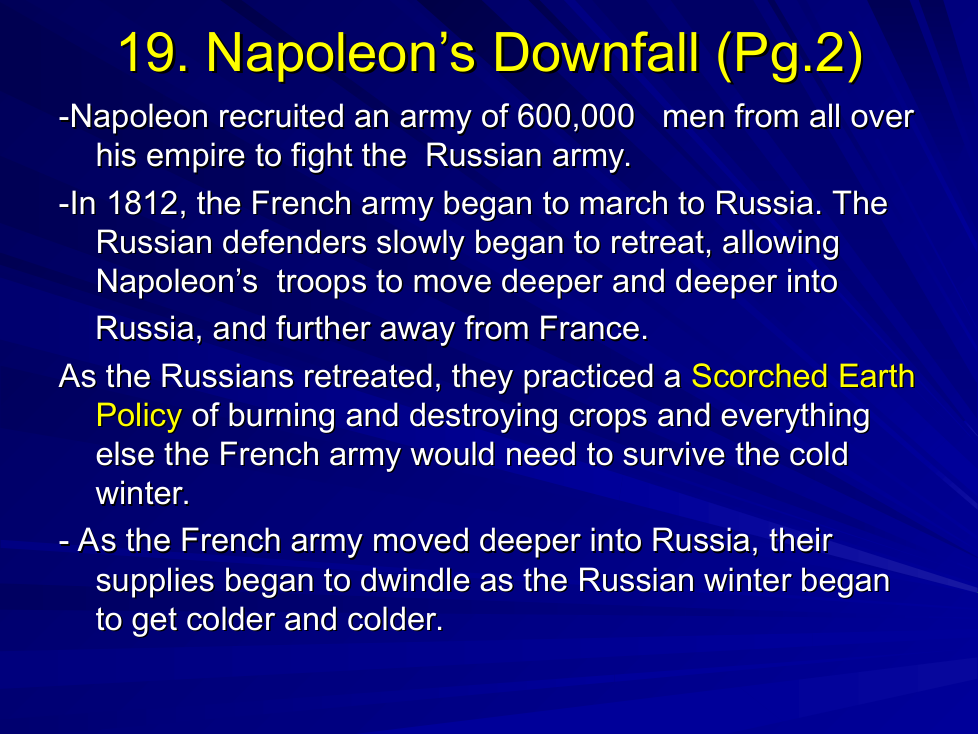
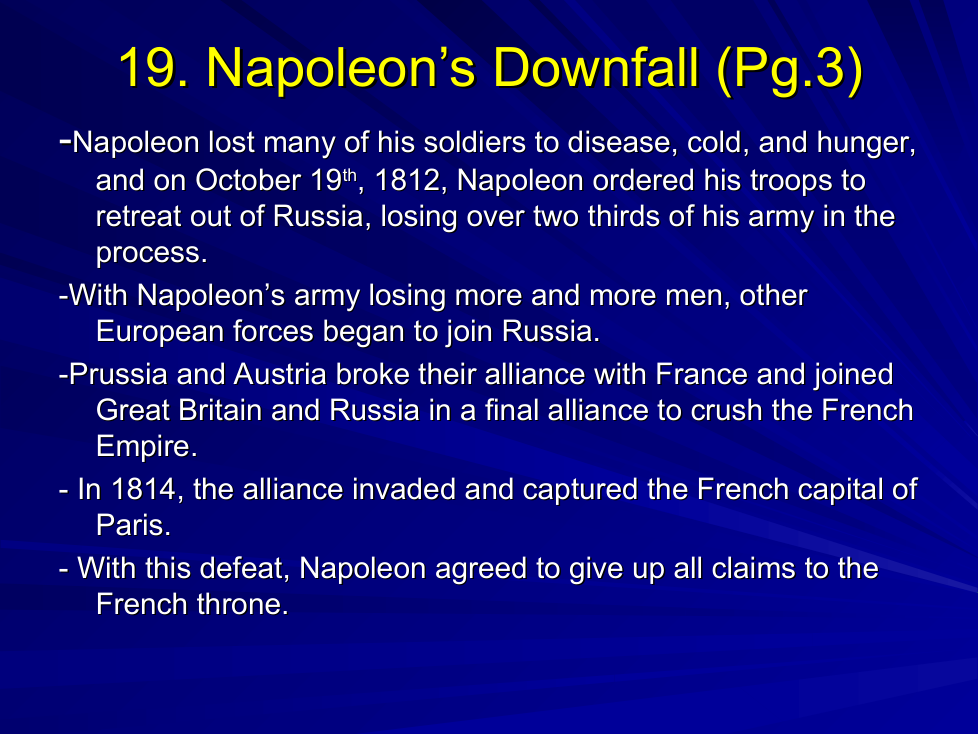
What were the main factors contributing to the decline of Napoleon's army during the Russian campaign in 1812?
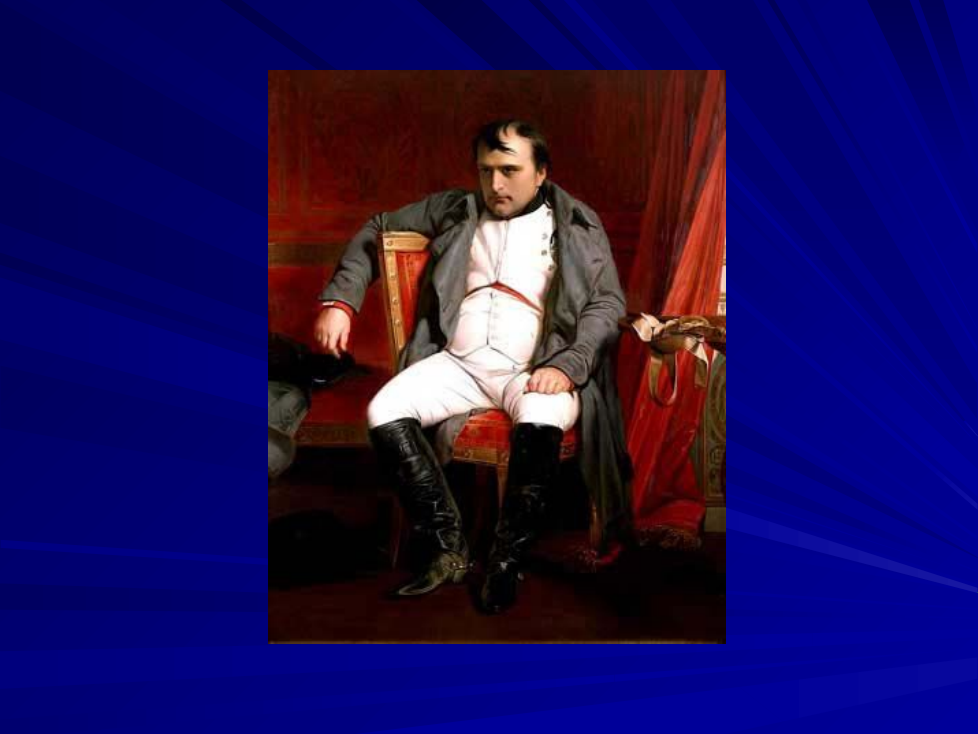
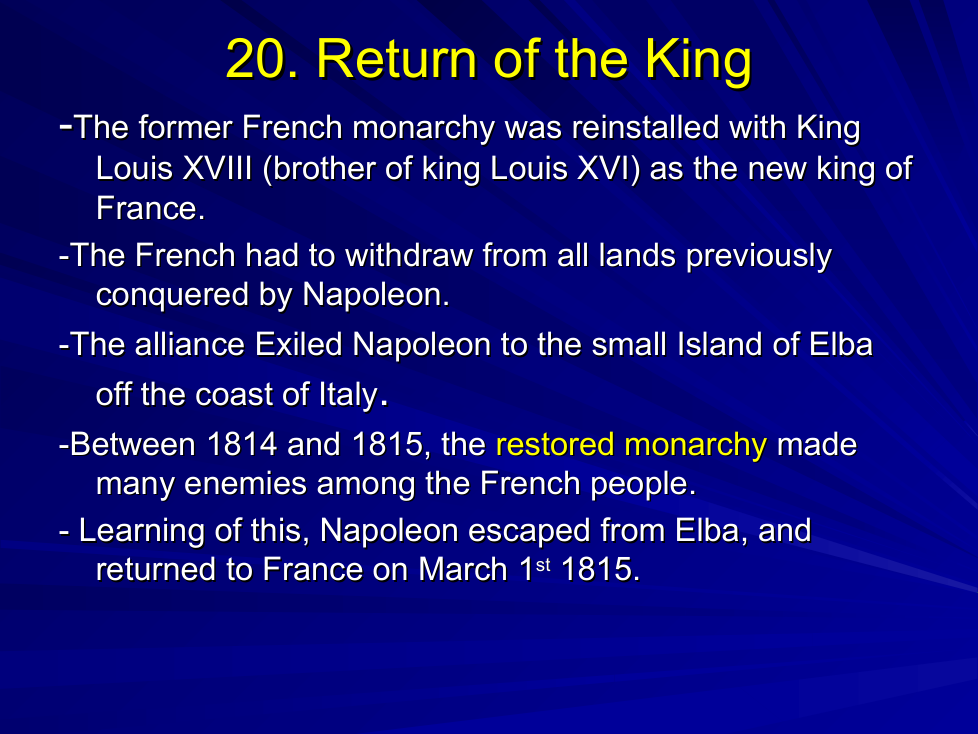
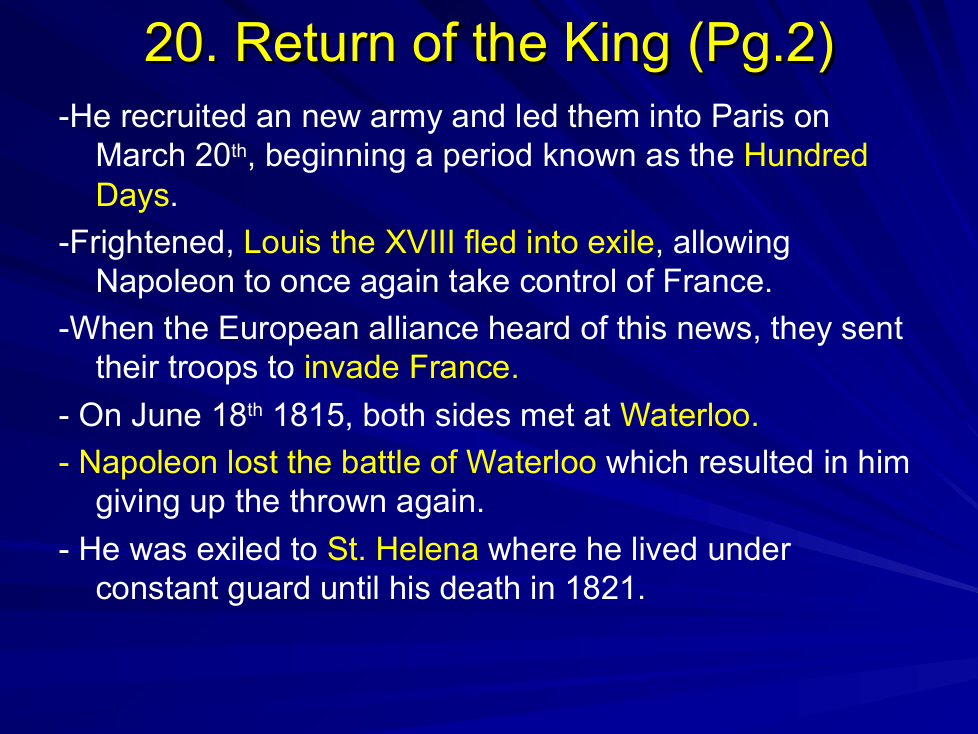
What events led to the period known as the Hundred Days for Napoleon?
What was the significance of the Battle of Waterloo in 1815?
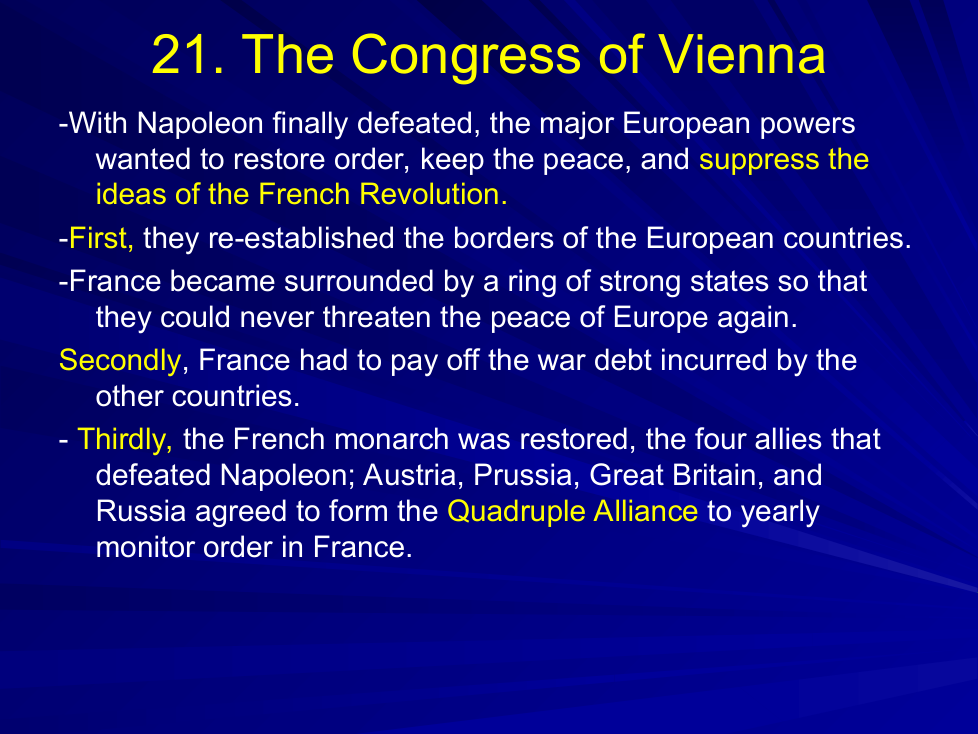
What were the main objectives of the major powers during the Congress of Vienna?
EXIT TICKET- FRENCH AND AMERICAN REV
Students will be able to evaluate how French participation in the American Revolution helped spark ideas of revolts in France, during the 18th Century.
What are TWO similarities between the French revolution and the American revolution?
What is ONE difference between the French revolution and the American revolution?
How did France's involvement in the American Revolution affect 18th century France's political climate?
Which government type characterized the Old Regime?
How much of France's land did the Second Estate own?
What privilege did the Second Estate have regarding taxes?
Which group was NOT part of the Third Estate?
Who primarily owned land in the Third Estate?
How did the distribution of land ownership among the estates impact social tensions in France?
How did the Bourgeoisie view their wealth?
Which profession was NOT typically associated with the Bourgeoisie?
How did the nobility respond to the tax proposal?
What institution needed to ratify the King's tax proposal?
What was the significance of their vote?
How did the Napoleonic Code affect personal freedoms?
What year did the French declare an empire under Napoleon?
What title did Napoleon hold after the declaration?
Which of the following became allies of France?
What was Napoleon's goal for France in Europe?