6
SS.9-12.G.2
1
Which empire controlled trade between Europe, Asia, and Africa?
Which empire controlled trade between Europe, Asia, and Africa?
SS.9-12.G.1
Do Now-What are the potential benefits and drawbacks of a government where one individual holds absolute power?
Which empire controlled trade between Europe, Asia, and Africa?
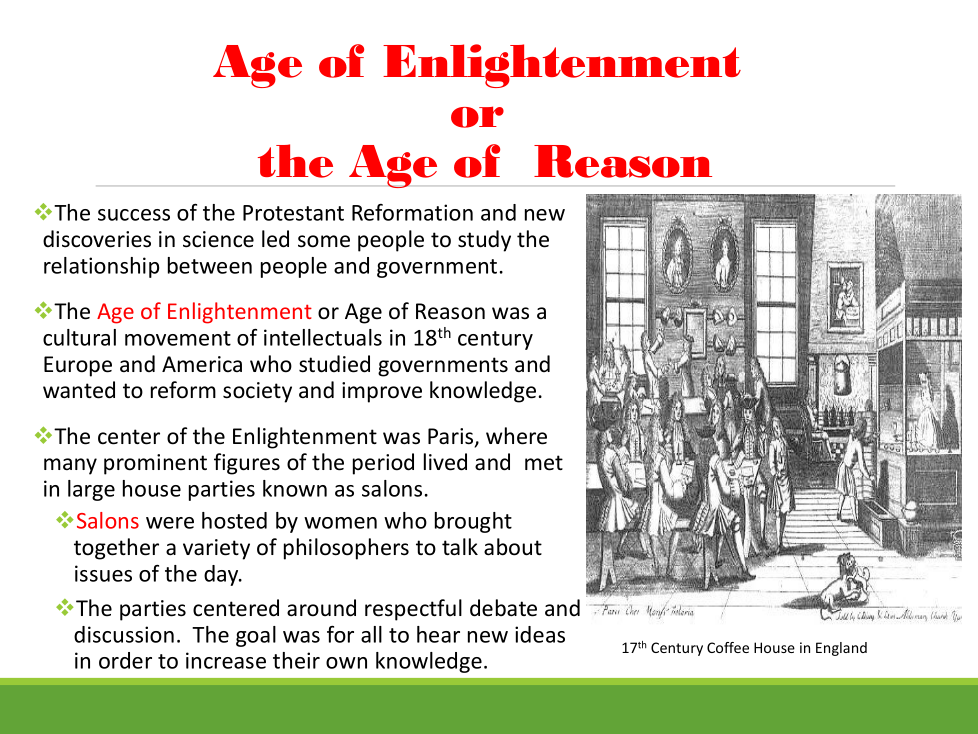
Only people who had similar beliefs and values were invited to salons
What role did the printing press play during the Enlightenment?
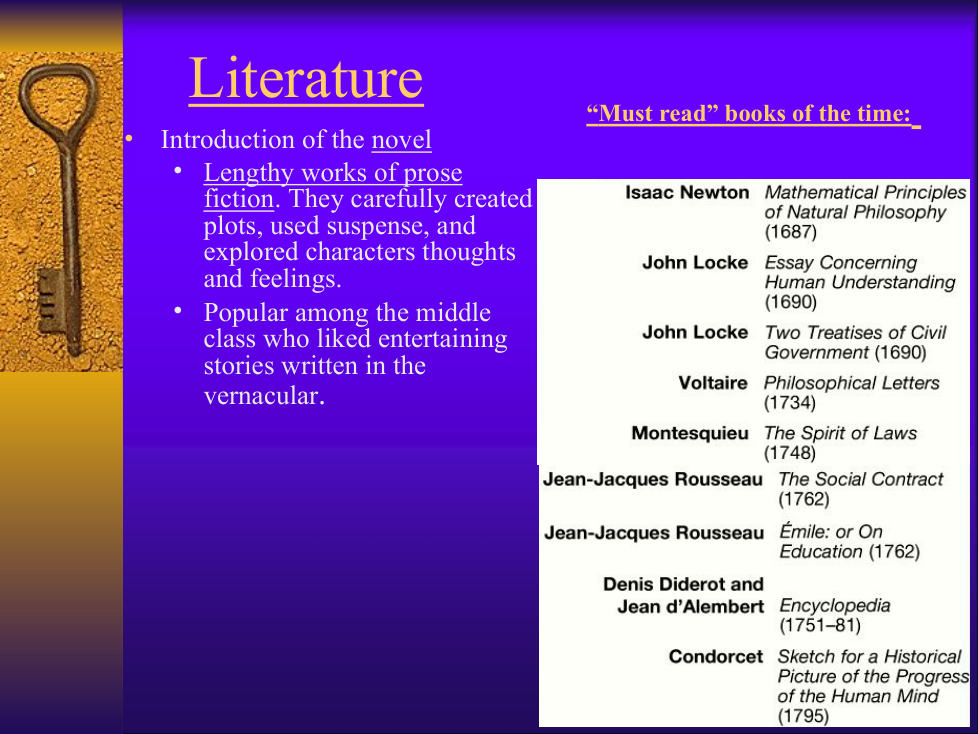
What does vernacular mean?
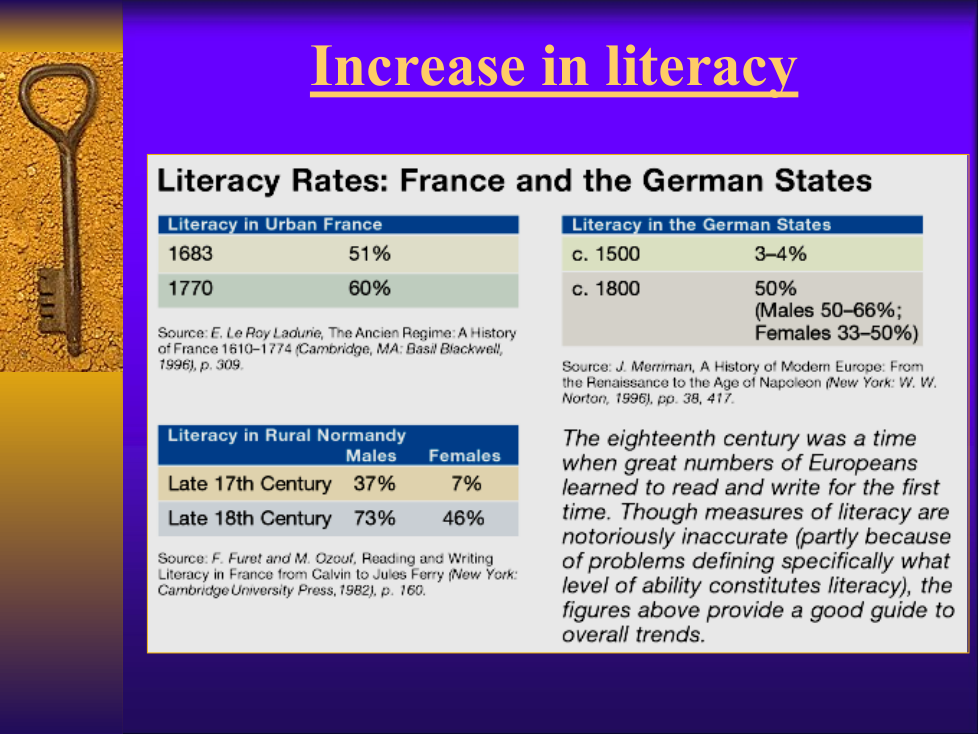
What was the urban literacy rate in France in 1770?
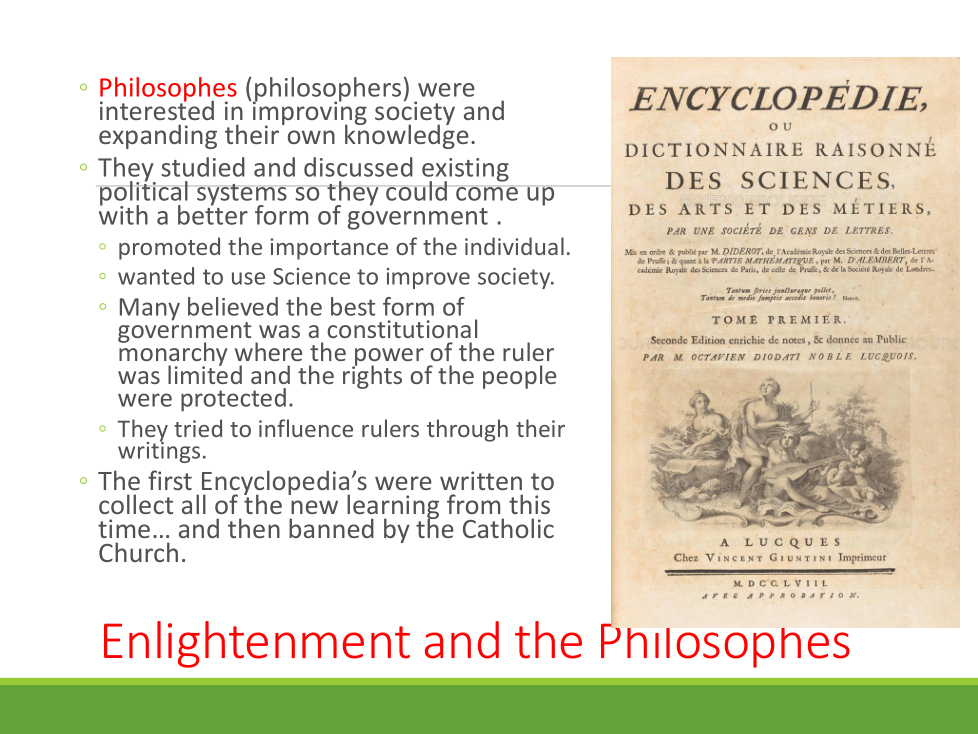
Match the terms to their descriptions
| Draggable item | arrow_right_alt | Corresponding Item |
|---|---|---|
Astronomers of the Scientific Revolution | arrow_right_alt | Used science to study people and government, wanted to improve society |
Encyclopedia | arrow_right_alt | studied the stars to make better maps and calenders; realized the sun was the center of the universe |
Philosophes | arrow_right_alt | Was used to collect all new knowledge and was eventually banned by church |
Why did the Catholic Church ban the Encyclopedia?
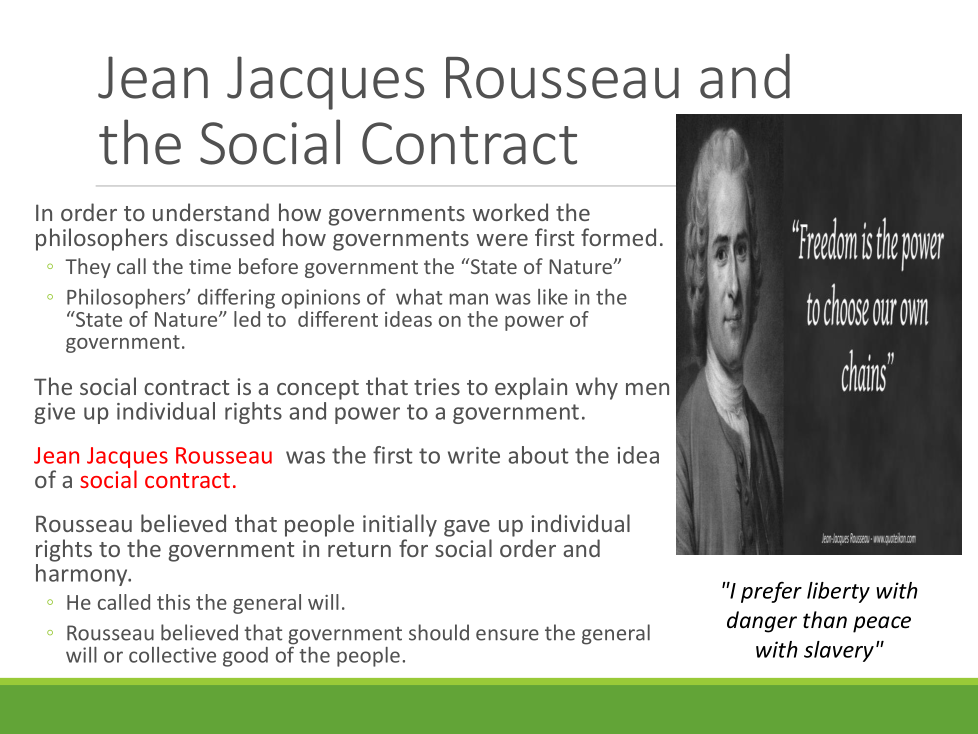
What do YOU think life was like for man in the "state of nature", or the time before government?
Explain in writing OR draw a picture showing how people would treat each other if there were no government at all.
Everyone has to sign a social contract.
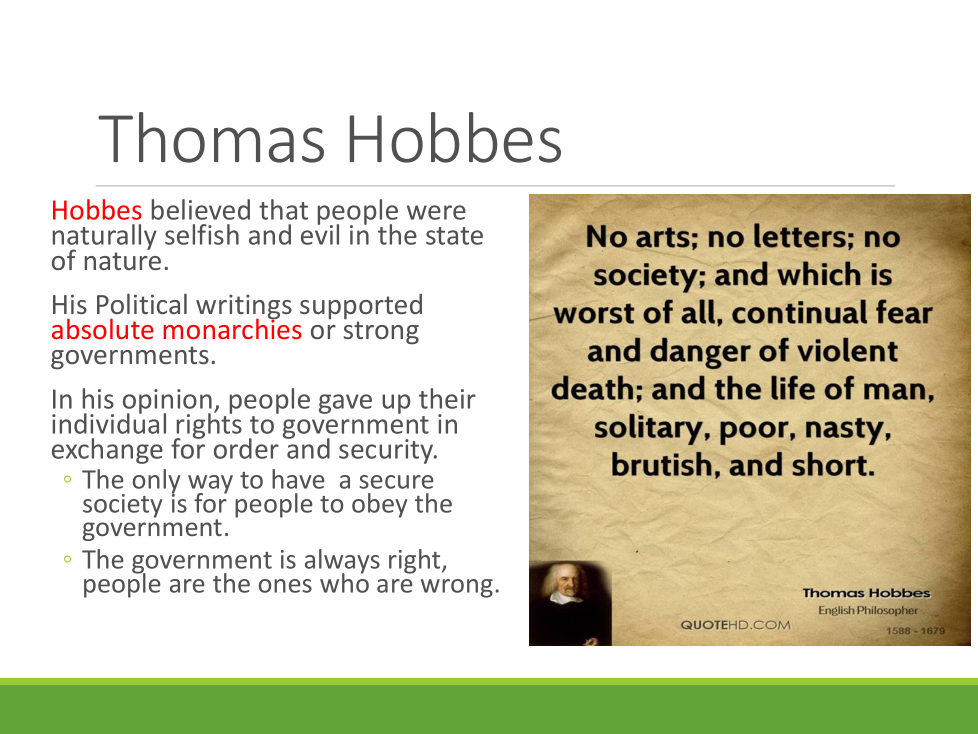
Give me an example of a Monarch who rules with a Hobbes attitude.
Why does Hobbes think an absolute monarchy is best?
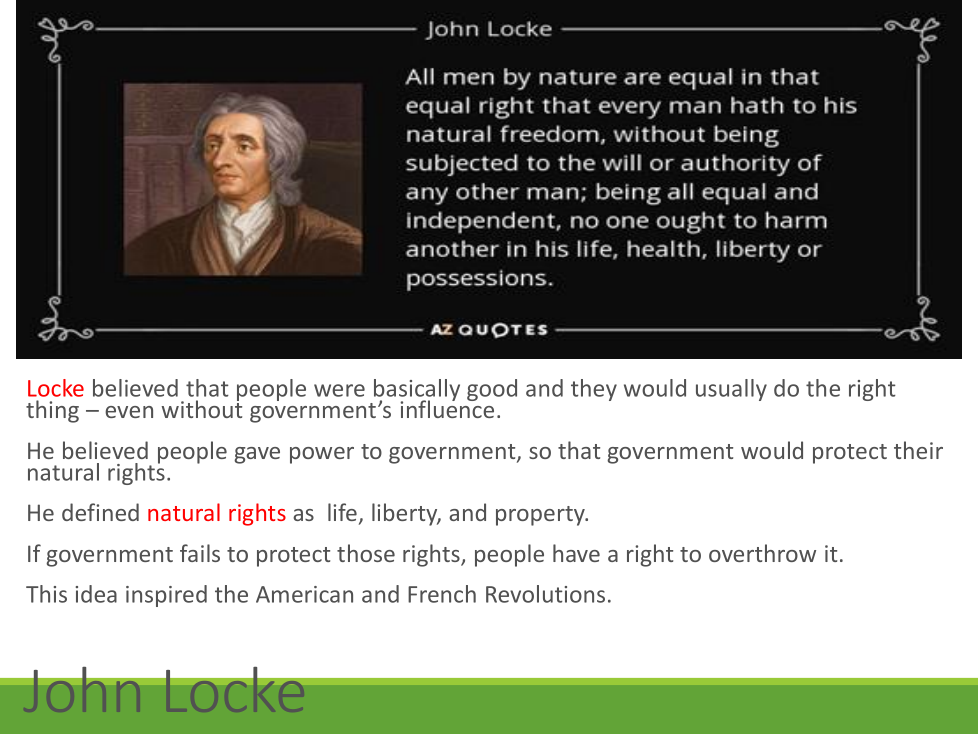
What should you do if the government fails to protect your rights?
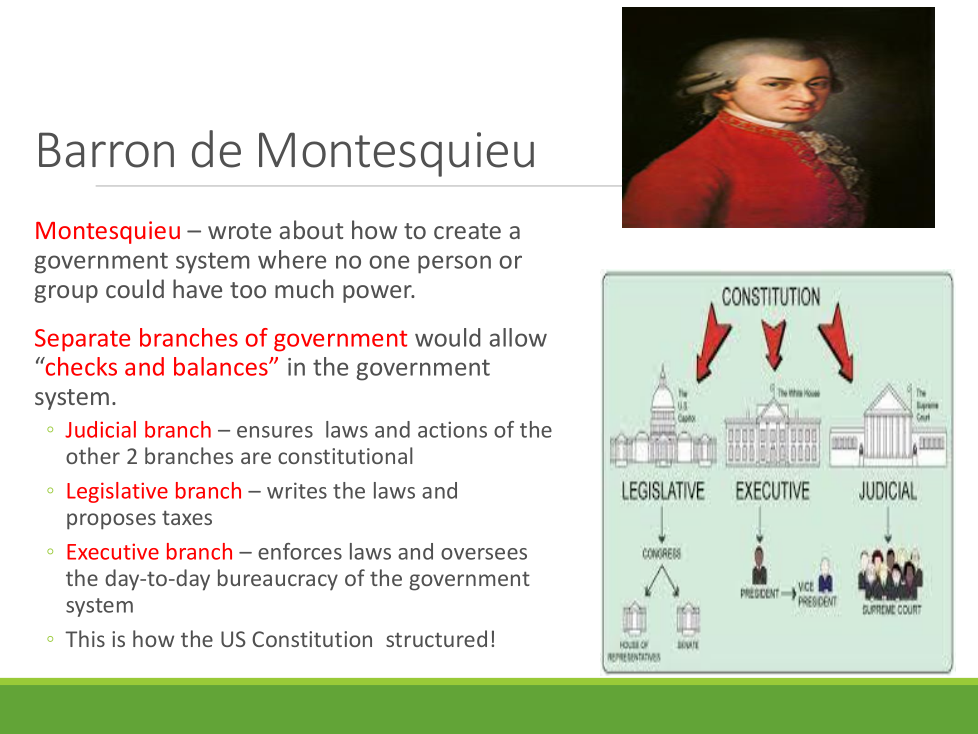
Match terms to their descriptions
| Draggable item | arrow_right_alt | Corresponding Item |
|---|---|---|
judicial | arrow_right_alt | makes laws, passes a budget, proposes taxes |
Legislative | arrow_right_alt | carries out laws, controls the military |
executive | arrow_right_alt | makes sure everything is constitutional |
What questions do you have about our government system?
What changes would you make to our government? Why?
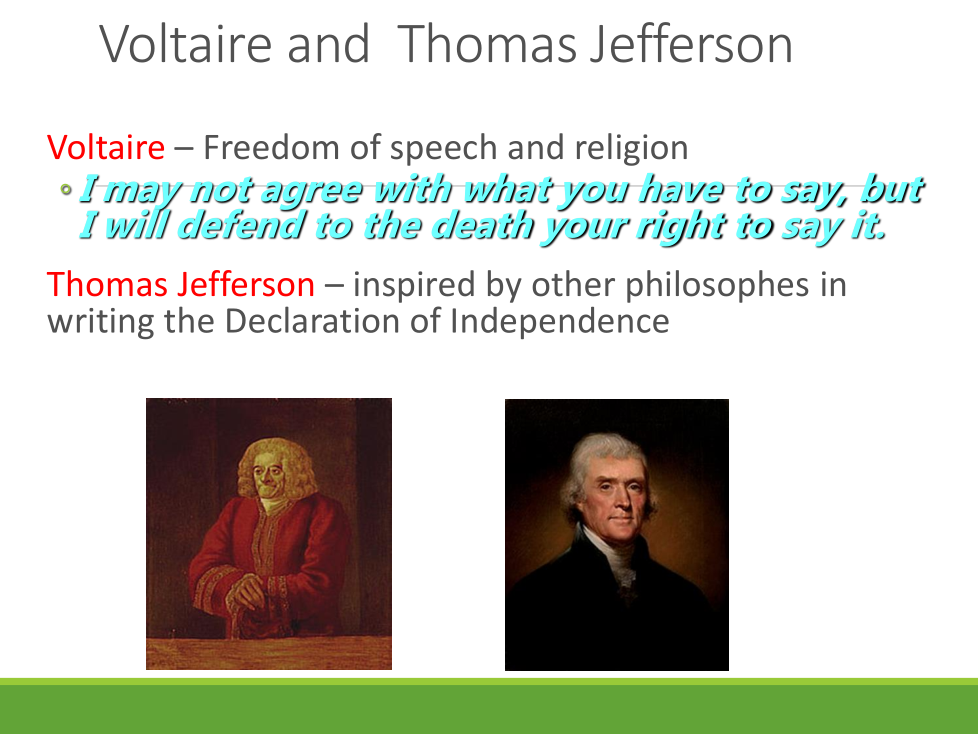
Consider Voltaire's quote. What are your thoughts on the Freedom of Speech.?
In a system where there are limits on what people can say... who should get to decide what is allowed and not allowed?
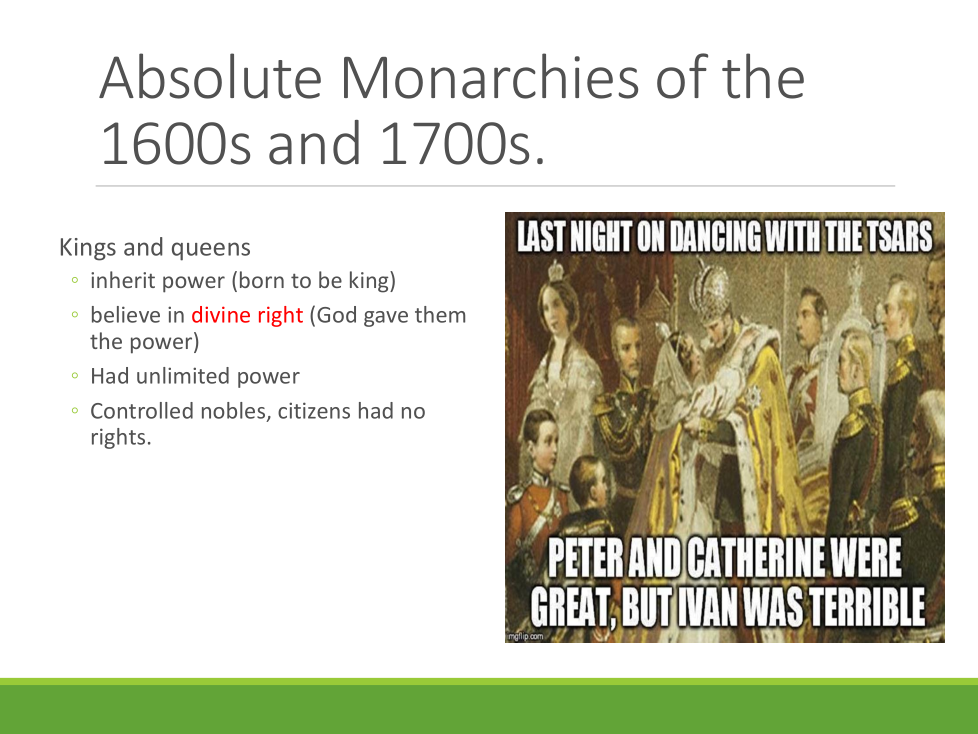
What would you do with absolute power as a ruler of a small kingdom?
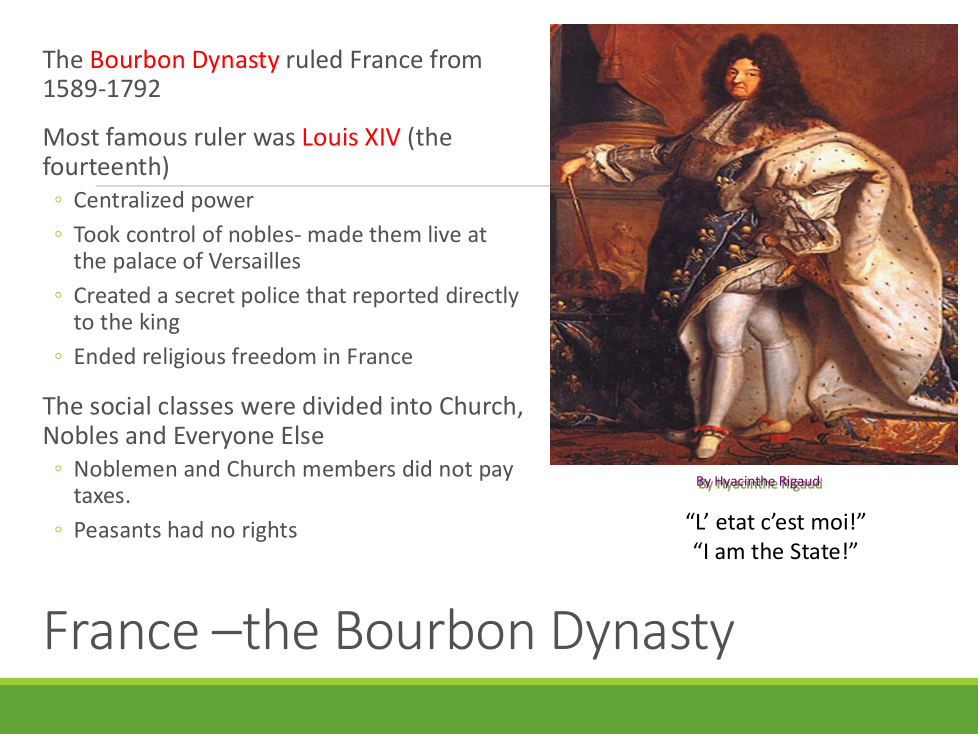
How would making nobles live at the palace of Versailles be a way to control them?
Look at the quote under Louis XIV. What does he mean by this quote?
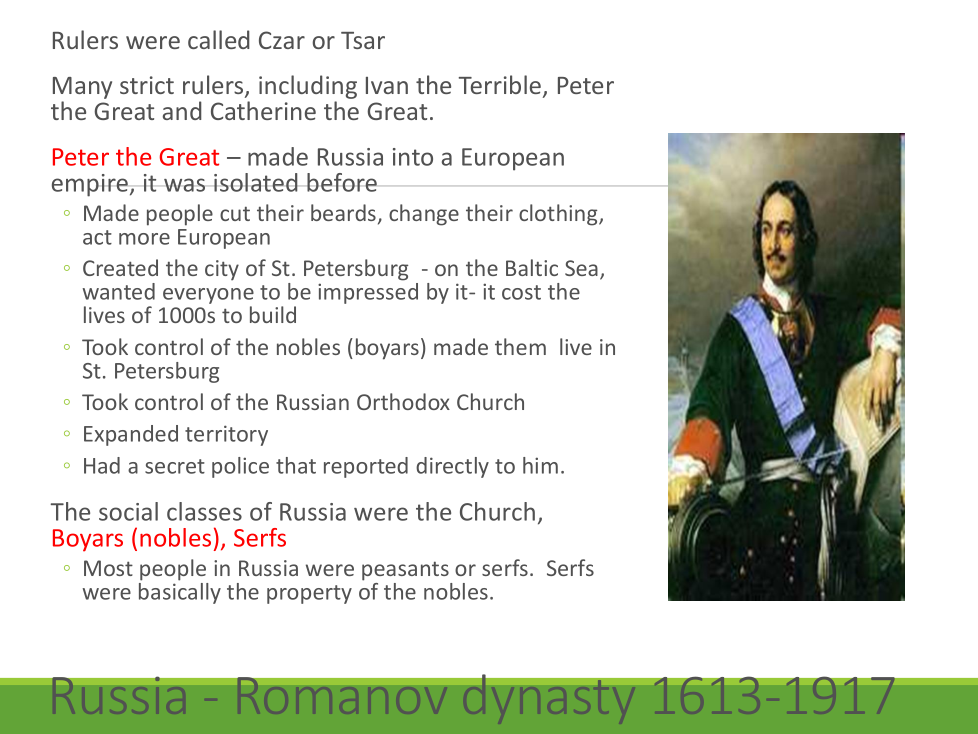
Why do you think both Peter the Great and Louis XIV focused on controlling their nobles?
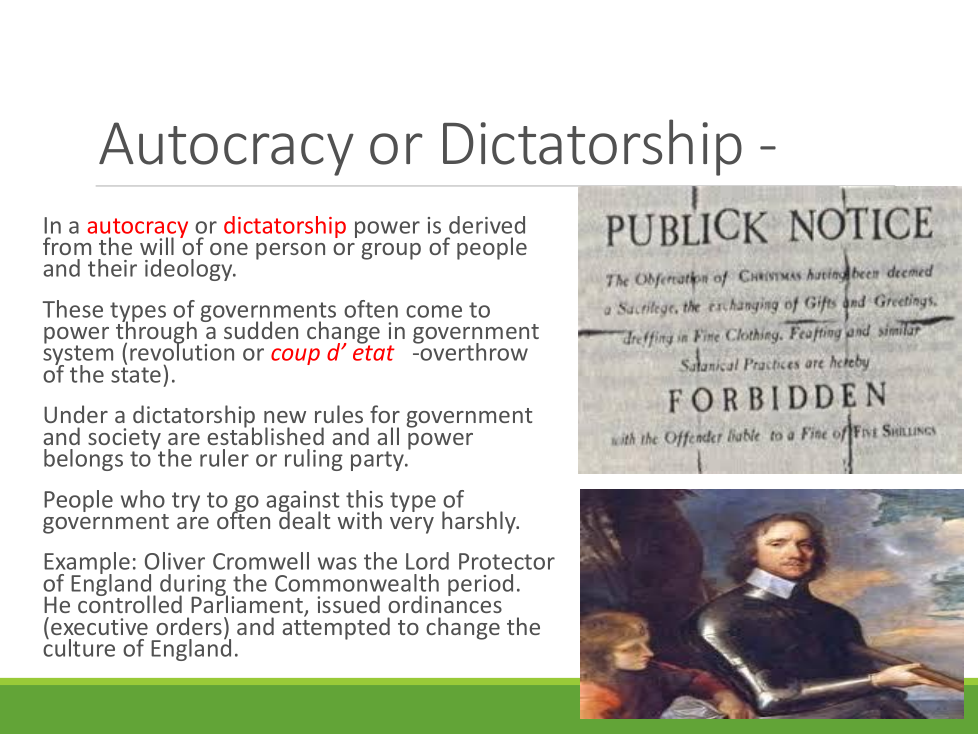
What is a coup d'etat?
Do people have rights under a dictatorship?
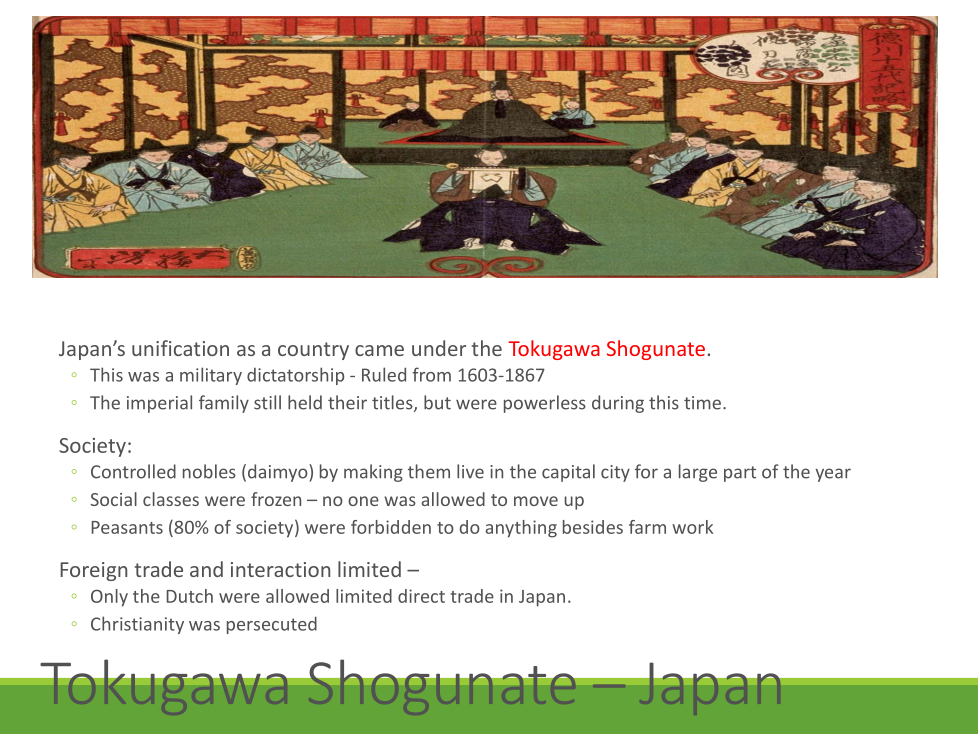
What did the Tokugawa Shogunate have in common with European absolute monarchies?
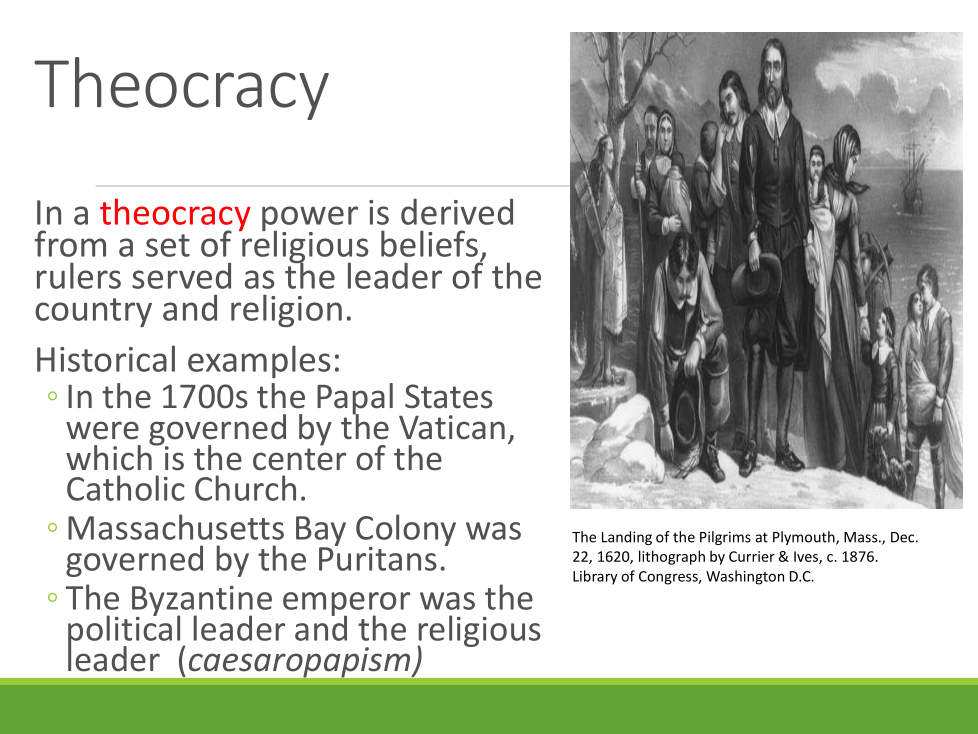
Name a modern country governed by a theocracy. ( you can google it)
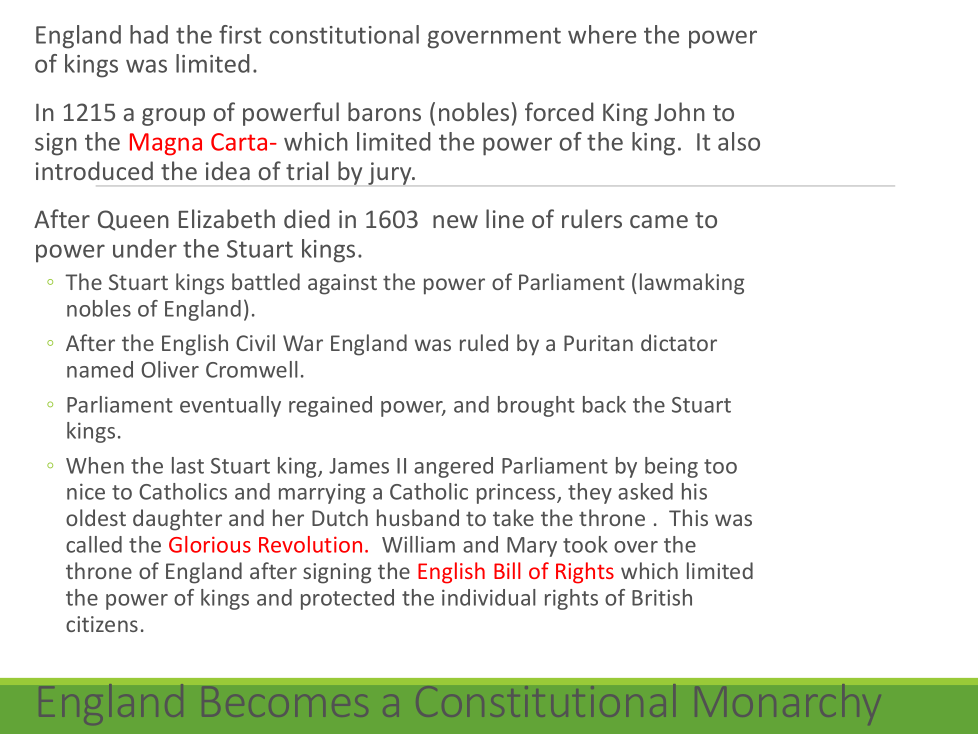
Match terms to their description
| Draggable item | arrow_right_alt | Corresponding Item |
|---|---|---|
Glorious Revolution | arrow_right_alt | first time a king's power was limited by nobles, establised trials by jury |
English Bill of Rights | arrow_right_alt | Brought William and Mary to the throne of England; constitutional monarchy established |
Magna Carta | arrow_right_alt | Limited the power of English kings and protected the individual rights of citizens |
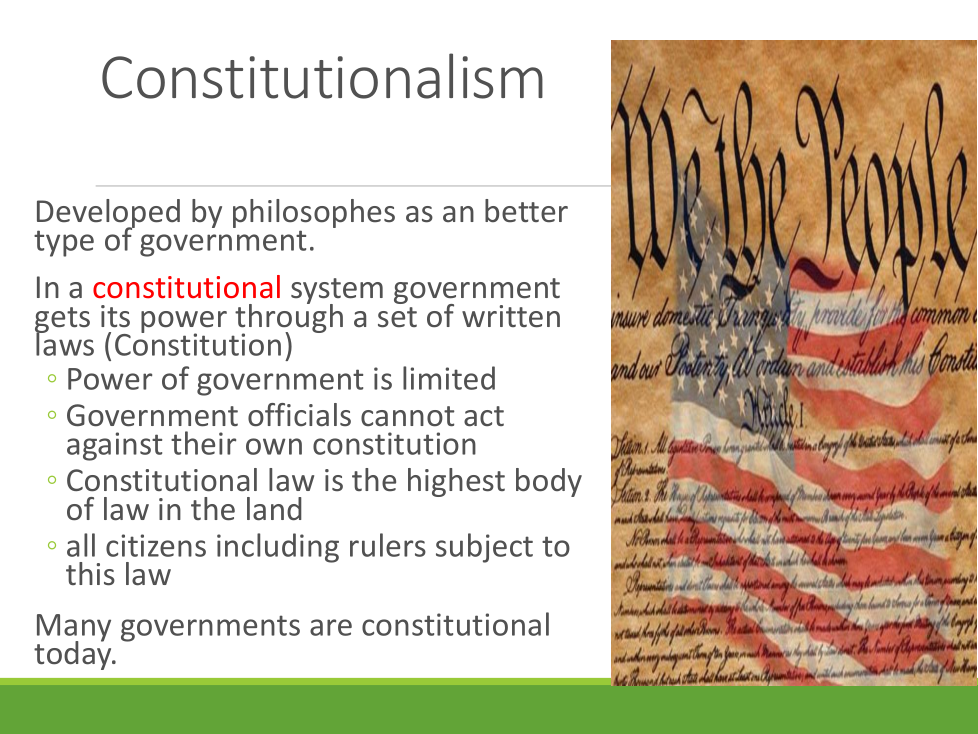
What is a constitution?
How is a constitutional government different from an absolute monarchy?
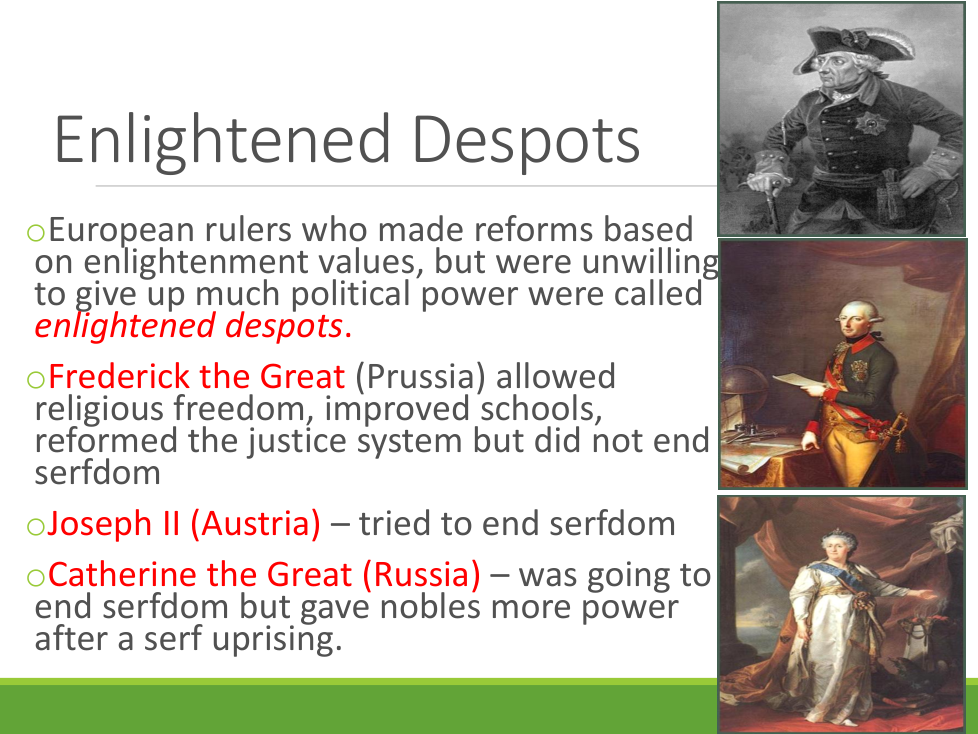
MATCH PEOPLE TO THEIR DESCRIPTION
| Draggable item | arrow_right_alt | Corresponding Item |
|---|---|---|
Catherine the Great | arrow_right_alt | allowed religious freedom and improved schools and the justice system but kept serfdom |
Joseph II | arrow_right_alt | planned to end serfdom but gave nobles even more power in order to save her own postion |
Frederick the Great | arrow_right_alt | Ended serfdom but his reforms were undone after his death |
What kinds of reforms did enlightened despots make?
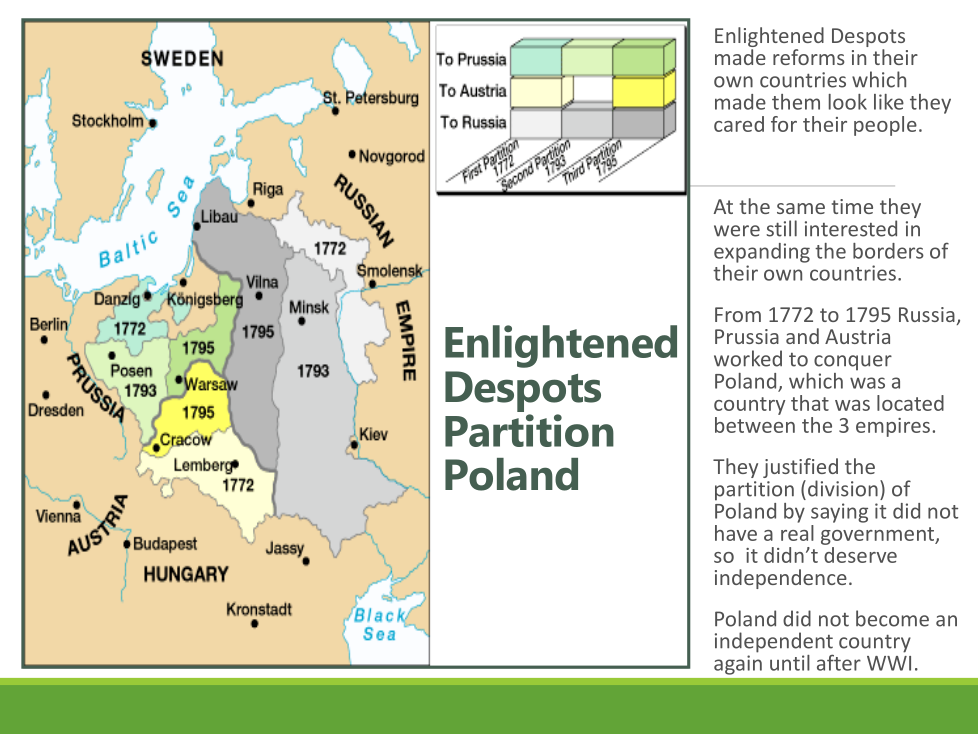
Should Enlightened Despots be praised for their good deeds or vilified for the conquest and partition of Poland? Or is there an area in between? Explain your answer.
The Enlightenment in Europe
KEY IDEA A revolution in intellectual activity changed Europeans’ view of government and society.
New ways of thinking arose in other areas.
· In the intellectual movement called the Enlightenment, thinkers tried to apply reason and scientific method to laws that shaped human actions.
· They hoped to build a society founded on ideas of the Scientific Revolution.
· Two English writers were important to this movement.
1. Thomas Hobbes wrote that without a government, there would be a war of “every man against every man.” As a result, Hobbes said, people formed a social contract—an agreement—in which they gave up their rights so they could secure order and safety. The best government, he said, is that of a strong king who can force people to obey.
2. John Locke believed that all people have natural rights or those of the rights to life, liberty, and property. The purpose of government is to protect those rights. When it fails to do so, he said, people have a right to overthrow the government.
· A group of French thinkers, known as philosophes had wide influence. They had five main beliefs:
1. thinkers can find the truth by using reason;
2. what is natural is good and reasonable, and human actions are shaped by natural laws;
3. acting according to nature can bring happiness;
4. by taking a scientific view, people and society can make progress and advance to a better life; and
5. by using reason, people can gain freedom.
· Three key French thinkers of this time were:
1. Voltaire wrote against intolerance and criticized the laws and customs of France. He advocated freedom of speech and freedom of religion.
2. Baron de Montesquieu made a long study of laws and governments. He thought government power should be separated into different branches. Each should be able to check the other branches to prevent them from abusing their power.
3. Jean Jacques Rousseau wrote strongly in favor of human freedom. He wanted a society in which all people were equal.
· The Italian Cesare Beccariawrote about crime and justice. Trials should be fair, he said, and punishments should be made to fit the crime.
· Many Enlightenment thinkers held traditional views about women’s place in society.
· They urged equal rightsfor all men but ignored the fact that women did not enjoy such rights.
· Some women protested this unfairness. “If all men are born free,” wrote one, “how is it that all women are born slaves?”
· Enlightenment ideas had strong influence on the American and French Revolutions, which came at the end of the 1700’s. They had three other effects.
1. They helped spread the idea of progress.
2. By using reason, people thought, it is possible to make society better. These ideas also helped make Western society more secular—that is, more-worldly and less spiritual.
3. Finally, Enlightenment ideas promoted the notion that the individual person was important.
How were Enlightenment thinkers influenced by the Scientific Revolution?
The Enlightenment Spreads
KEY IDEA Enlightenment ideas spread through the Western world, and influenced the arts and government.
· In the 1700s, Paris was the cultural center of Europe. People came there from other countries in Europe and from the Americas to hear the new ideas of the Enlightenment. Writers and artists gathered in the homes of wealthy people to talk about ideas - - these gatherings became known as salons.
· A woman named Marie-Thérèse Geoffrinbecame famous for hosting these discussions. She also supplied the money for one of the major projects of the Enlightenment.
With her funds, Denis Diderot and other thinkers wrote and published a huge set of books called the Encyclopedia. Their aim was to gather together all that was known about the world.
The French government and officials in the Catholic Church did not like many of the ideas that were published in the Encyclopedia. They banned the books at first, but later they revoked the ban. Through the meetings in homes and works like the Encyclopedia, the ideas of the Enlightenment spread throughout Europe.
· The ideas also spread to the growing middle class. This group of people was becoming wealthy but had less social status than nobles and had very little political power. Ideas about equality sounded good to them.
· Art moved in new directions, inspired by the Enlightenment ideas of order and reason. Artists and architects worked to show balance and elegance. This neoclassical art paid tribute to the cultures of ancient Rome and Greece by incorporating architectural elements like grand columns into new construction or by using Roman and Greek mythology as inspiration for their art.
· Composers wrote music of great appeal for their creative richness.
· In this period, the novel became a popular form of literature. This new form told lengthy stories with many twists of plot that explored the thoughts and feelings of characters.
· Some Enlightenment thinkers believed that the best form of government was a monarchy. In it, a ruler respected the rights of people. They tried to influence rulers to rule fairly. Rulers followed these ideas in part but were unwilling to give up much power. These types of rulers were called enlightened despots.
· Frederick the Great made changes in Prussia. He gave his people religious freedom, improved schooling, and reformed the justice system. However, he did nothing to end serfdom, which made peasants slaves to the wealthy landowners.
· Joseph II of Austria did end serfdom. Once he died, though, the nobles who owned the land were able to undo his reform.
· Catherine the Great of Russia was another of the rulers influenced by Enlightenment ideas. She tried to reform Russia’s laws but met resistance. She hoped to end serfdom, but a bloody peasants’ revolt convinced her to change her mind. Instead, she gave the nobles even more power over serfs. Catherine did manage to gain new land for Russia. Russia, Prussia, and Austria agreed to divide Poland among themselves. As a result, Poland disappeared as a separate nation for almost 150 years.
Match people to their description
| Draggable item | arrow_right_alt | Corresponding Item |
|---|---|---|
Denis Diderot | arrow_right_alt | hosted salon parties and financed the work of philosophes |
Catherine the Great | arrow_right_alt | Created the first Encyclopedias |
Marie-Thérèse Geoffrin | arrow_right_alt | leader of Prussia. Gave religious freedom, improved schools and justice system. Did not end serfdom. |
Frederick the Great | arrow_right_alt | Tried to end serfdom in Austria, but the nobles undid his reforms after Joseph II died. |
Joseph II | arrow_right_alt | wanted to end serfdom in Russia, but gave nobles even more power over serfs once the peasants tried to rebel. |
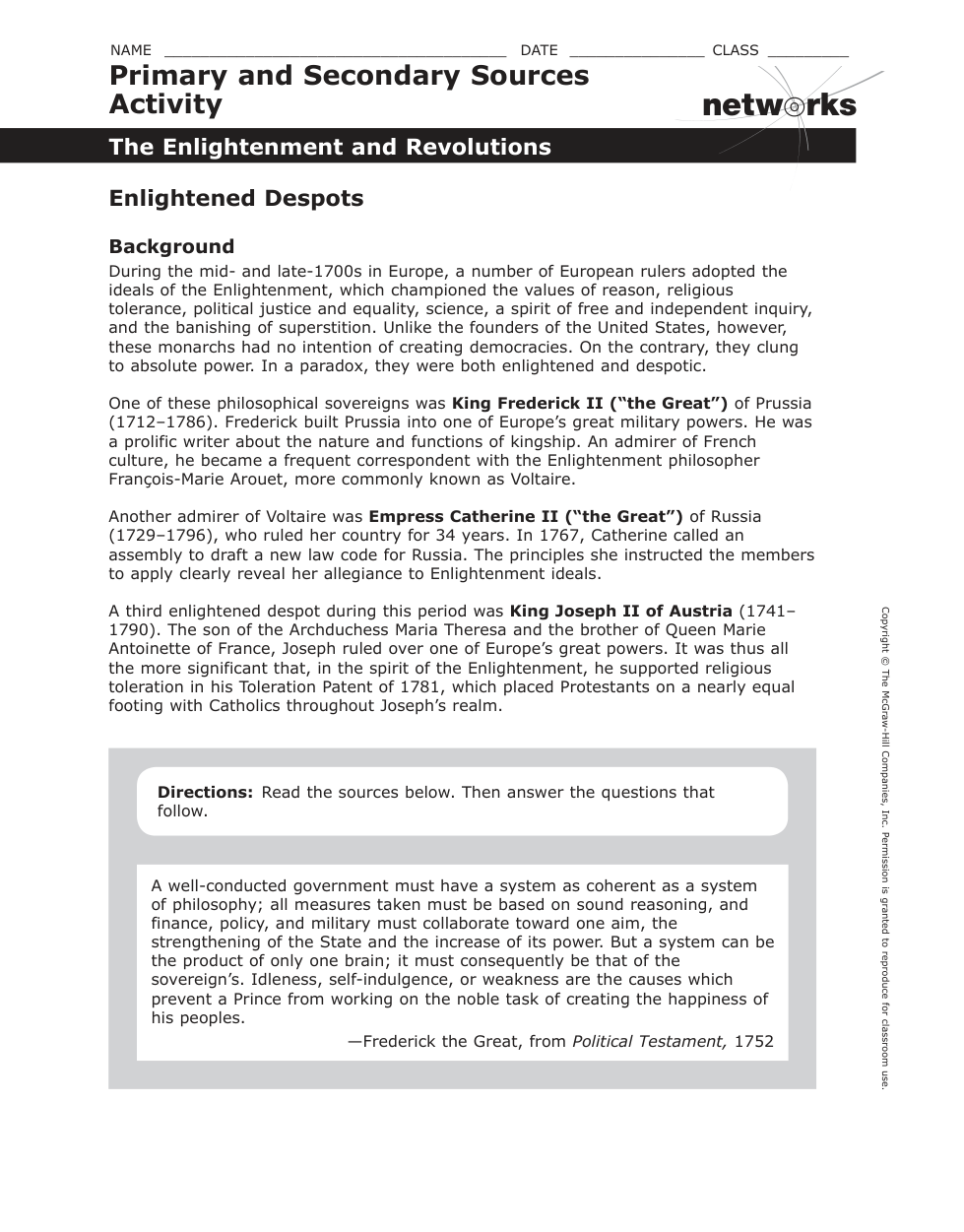
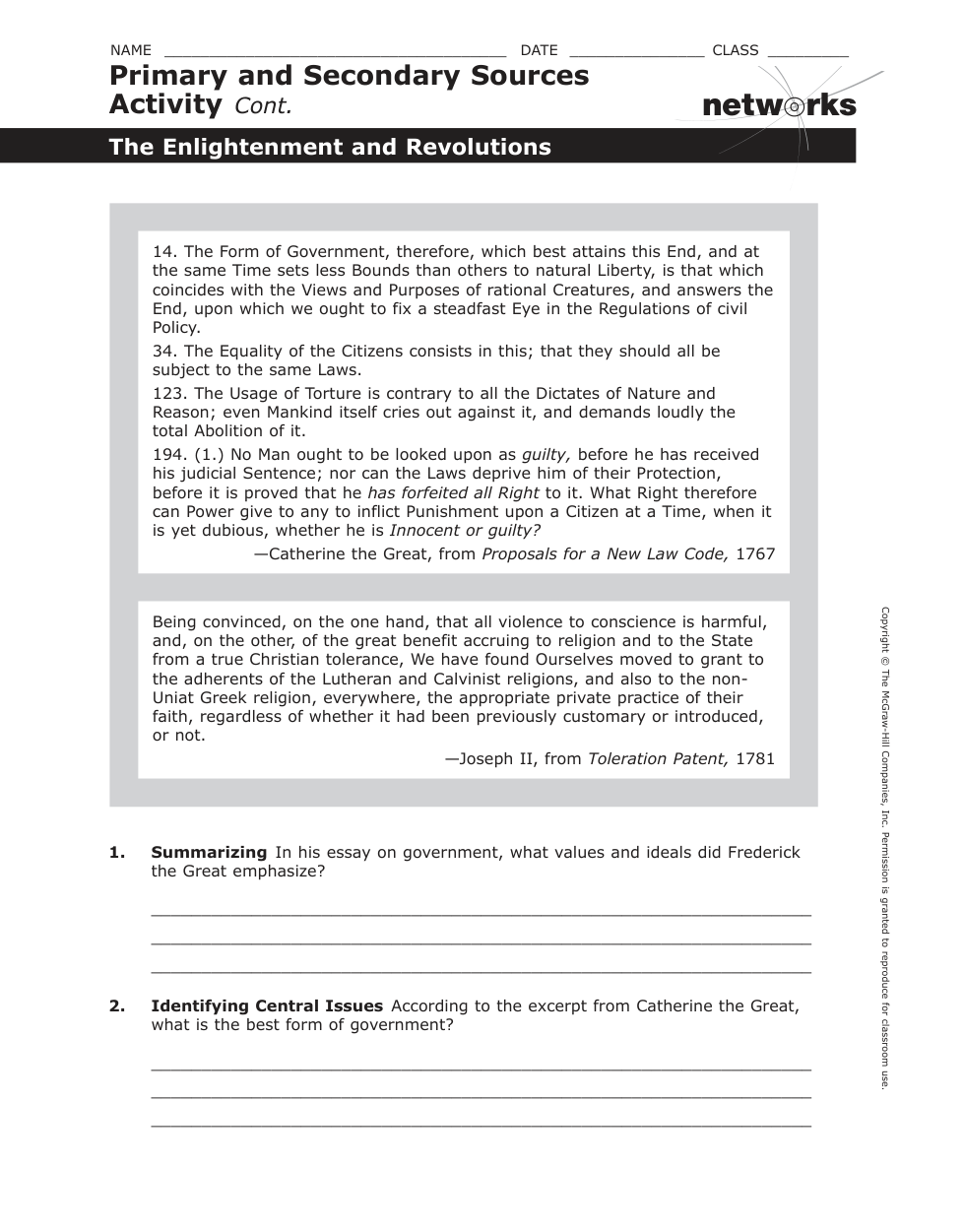
Summarizing In his essay on government, what values and ideals did Frederick the Great emphasize?
Identifying Central Issues According to the excerpt from Catherine the Great, what is the best form of government?
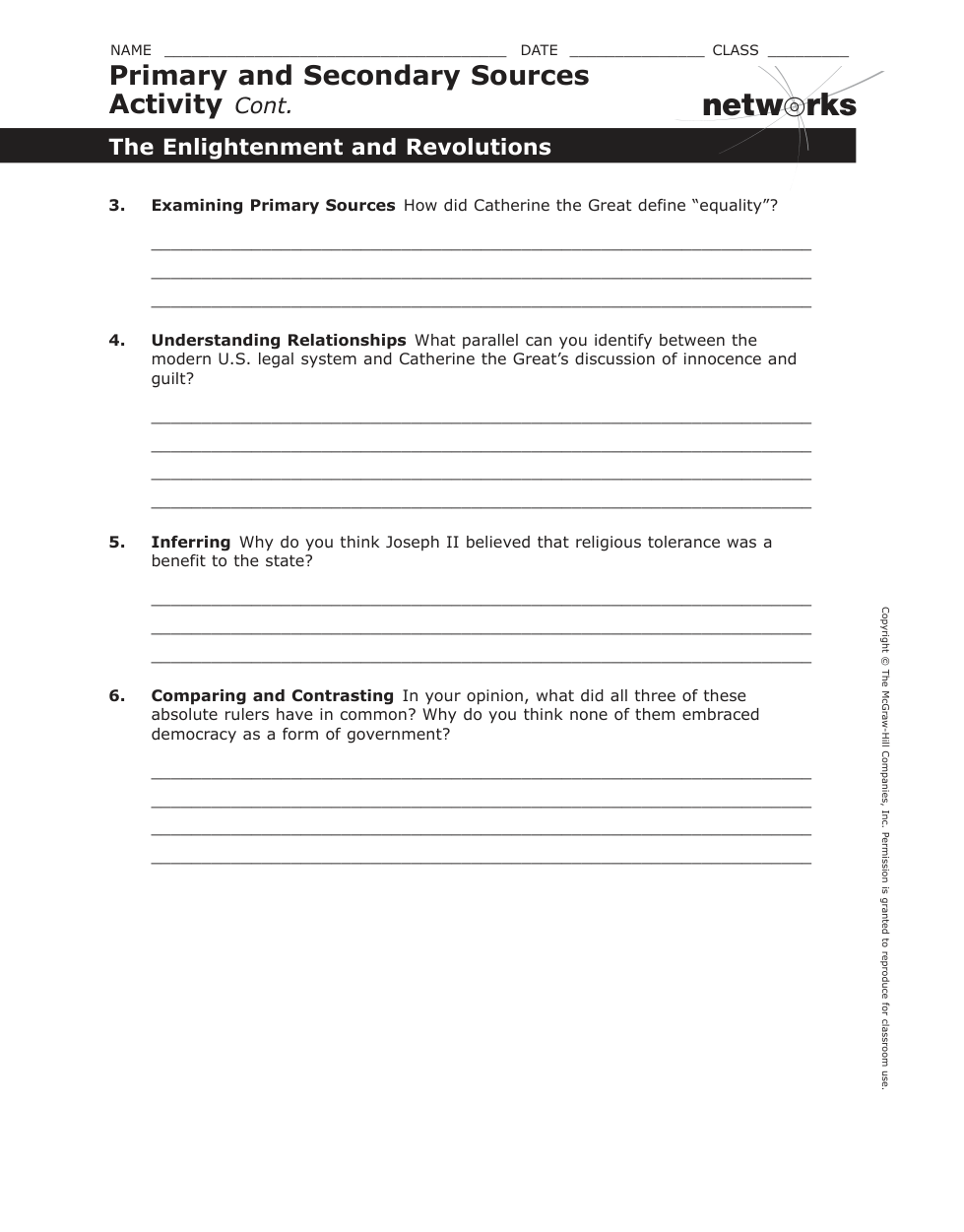
Examining Primary Sources How did Catherine the Great define “equality”?
Understanding Relationships What parallel can you identify between the modern U.S. legal system and Catherine the Great’s discussion of innocence and guilt?
Inferring Why do you think Joseph II believed that religious tolerance was a benefit to the state?
Comparing and Contrasting In your opinion, what did all three of these absolute rulers have in common? Why do you think none of them embraced democracy as a form of government?
Exit Ticket-In this unit we are talking about enlightenment, and the idea of individual freedom. What is Freedom of Speech? Is it important to you? Should there be limits on it? Why or why not? Answer in at least 6 sentences for full credit using specific ideas/people to support answer.
EXIT TICKET-What is another natural right you think all people should be guaranteed? Explain why.
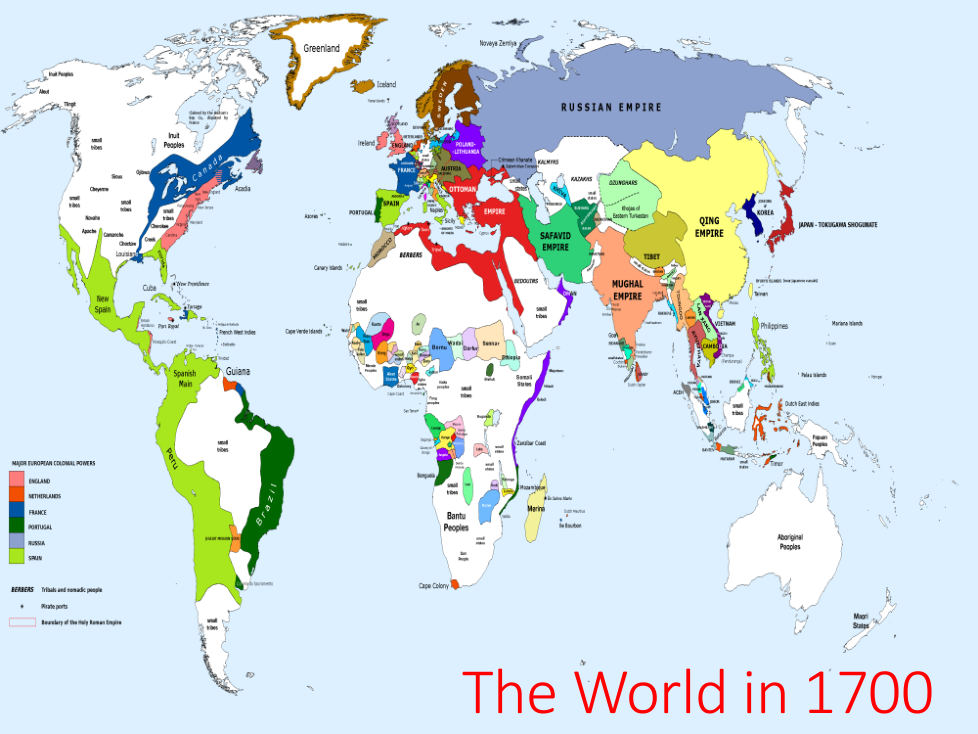
Which European Empires had property on more than one continent?
The hostesses of salons were not just having people over to hang out.
They paid special attention to the food they served, the music that was playing, and the art and decor of their homes on the day of a gathering.
As a King/Queen, how would you prepare you festivities to allow for most interaction amongst your guest?
Tell me about the music you would play, the food you would serve and what the layout of the room or rooms would be so that people would be encouraged to discuss, debate and learn from each other.
The invitation list to a salon would have people who did not always think alike. This would make the discussions and debates very lively. Ultimately the goal was for each person to have learned something from the other attendees.
Give me a list of 5 people (historical) who you would invite to your salon party. Explain why you would invite each one of them (what could they add to the conversation?)
You may include pictures of your guests if you would like.
Some salon gatherings would have a central theme or question. What is one topic you would like to see debated between your guests if you were king/queen?
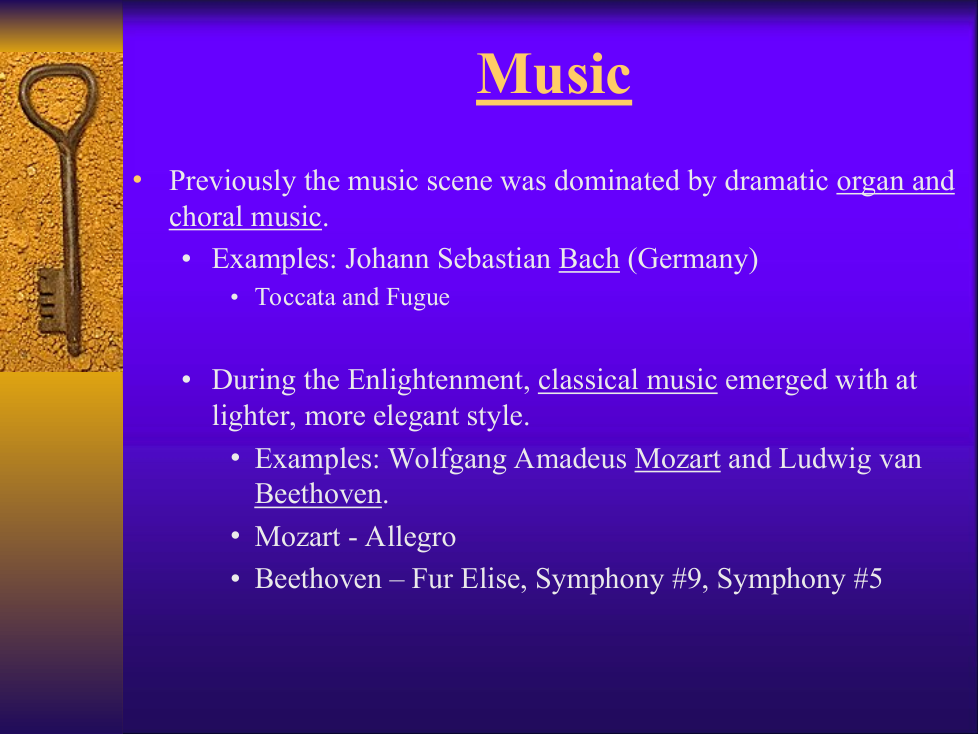
What is one way music was involved in the Enlightenment?
Literacy in the German states increased to what percentage by 1800?
What was the female literacy rate in rural Normandy by the late 18th century?
Which factor contributed to increased literacy in the 18th century?
What does the social contract theory explain?
Click on your natural rights according to Locke.
Click on the ways that Louis XIV exercised absolute power..
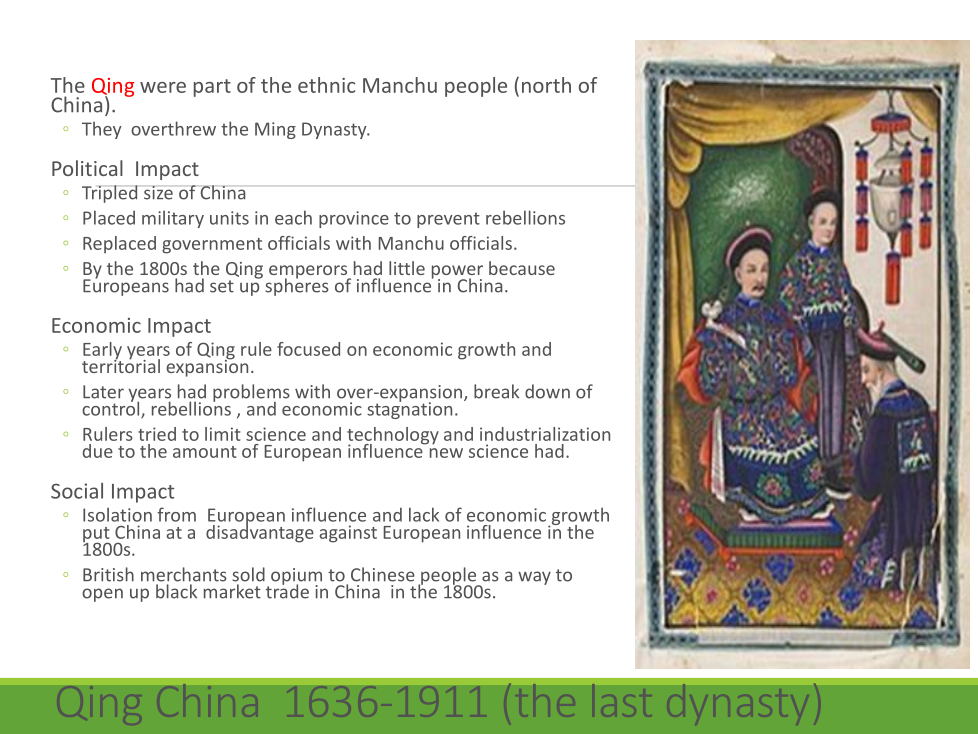
Which dynasty was overthrown by the Qing?
What was one political change during the Qing dynasty?
How did Qing rulers impact economic growth?
What was a social effect of Qing isolation?
Match the people to their beliefs
| Draggable item | arrow_right_alt | Corresponding Item |
|---|---|---|
Voltaire | arrow_right_alt | Believed that people gave up rights in return for safety and order; Best gov is a strong king who can force obedience |
Baron de Montesquieu | arrow_right_alt | Believed people have natural rights, government's job is to protect natural rights, people should overthrow governments that do not protect those rights |
Cesare Beccaria | arrow_right_alt | Believed in Freedom of Speech and Religion |
Jean Jacques Rousseau | arrow_right_alt | Believed government should be separated into 3 branches, so no one becomes too powerful. Checks and balances |
Thomas Hobbes | arrow_right_alt | Wanted a society were all men are equal |
John Locke | arrow_right_alt | Argued for a fair criminal justice system |
Why do people give up individual rights in Hobbes’ view of government?
According to Locke, what must the people do if the government fails to protect their rights?
Why did Montesquieu believe a system of checks and balances was best for government?
What does the writer mean when he says “Many Enlightenment thinkers held traditional views about women’s place in society”?
What set of books were banned by the Catholic Church because they contained dangerous information?
Which countries took over parts of Poland, making it disappear for almost 150 years?