Proving Vertical Angles Are Congruent
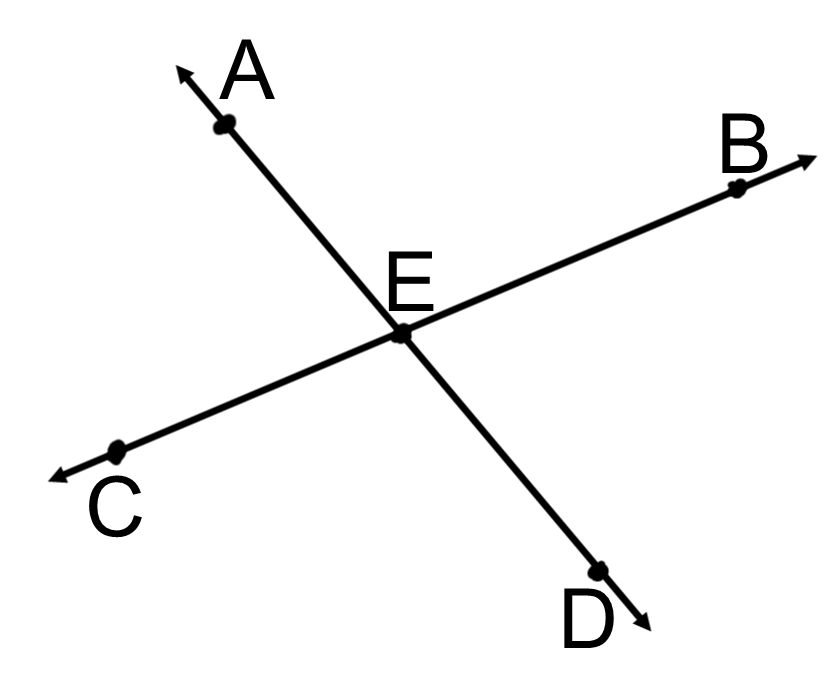
Given the figure above,
Proving Vertical Angles Are Congruent
Given the figure above,
Given the figure below, determine which statements would prove that line k is parallel to line m, and which would not prove the lines are parallel. Drag each statement into one of the categories.
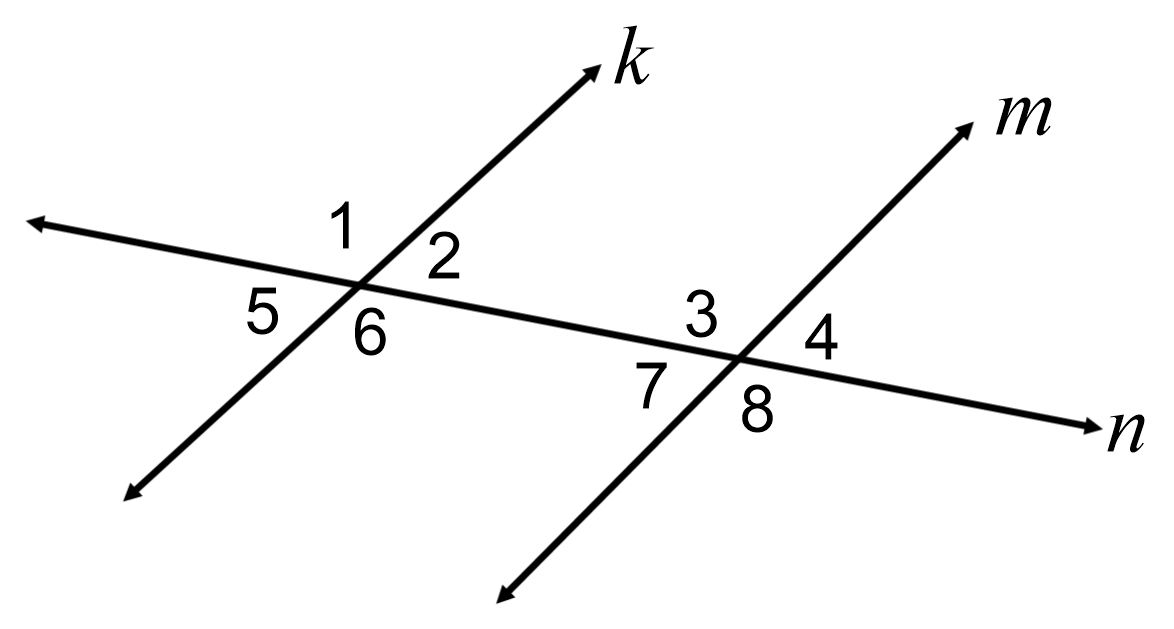
Proves
Does Not Prove
In the figure below, it is given that
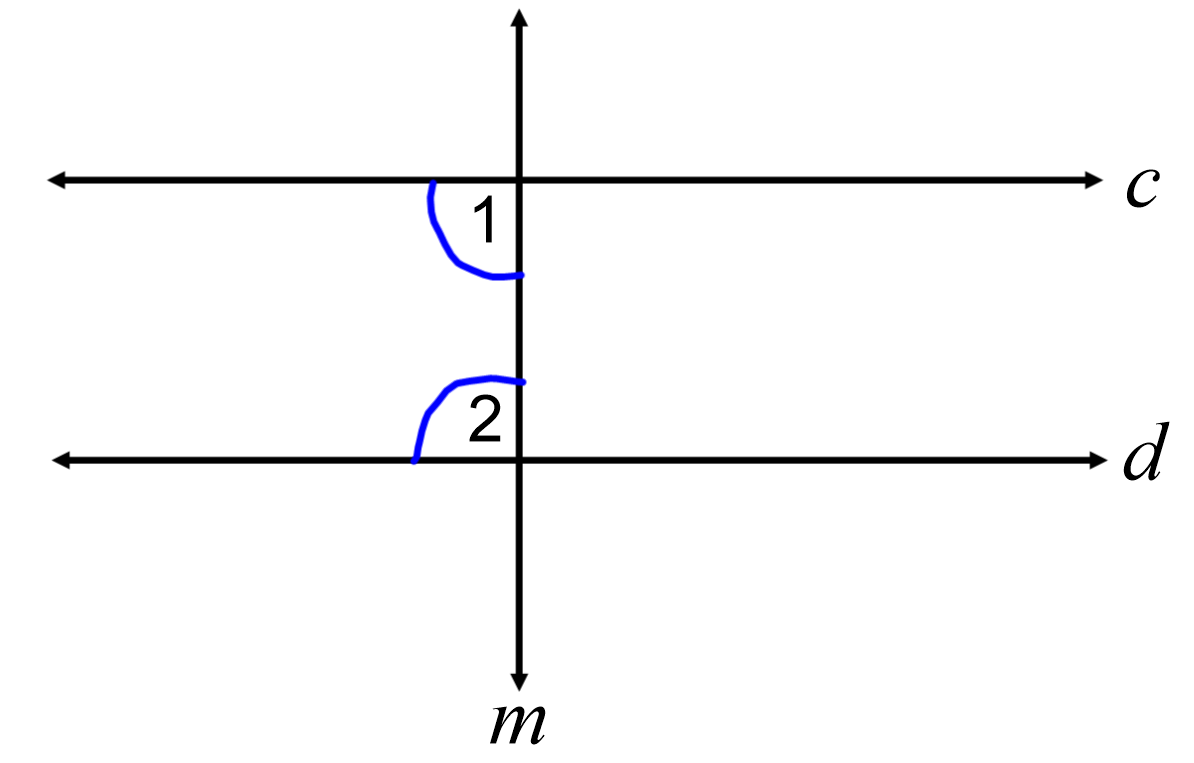
OPTIONAL WORD BANK: You may wish to use some of these words in your explanation.
Parallel
Perpendicular
Congruent
Supplementary
Alternate Interior Angles
Consecutive Interior Angles
Corresponding Angles
Same-Side Interior Angles
Vertical Angles
Linear Pair