The steps commonly used by scientists when planning and conducting an investigation are referred to as the _______________.
Question 2
2.
The first step of any investigation is
Question 3
3.
To communicate trends in data, the data should be presented in a(an) __________.
Question 4
4.
Volume is defined as the amount of _____________ an object takes up.
Question 5
5.
When experimenting, the value of the dependent variable depends on the ____________________ .
Question 6
6.
_____________ have no definite shape, but definite volume.
Question 7
7.
_____________ have a definite shape and definite volume.
Question 8
8.
____________ take the shape and volume of any container.
Question 9
9.
Which phase of matter has the most kinetic energy.
Question 10
10.
As an ice cube melts (goes from solid to liquid), what happens to the particles?
Question 11
11.
Temperature can be defined as
Question 12
12.
In your own words, define a mixture. Then, give an example of one.
1
Question 13
13.
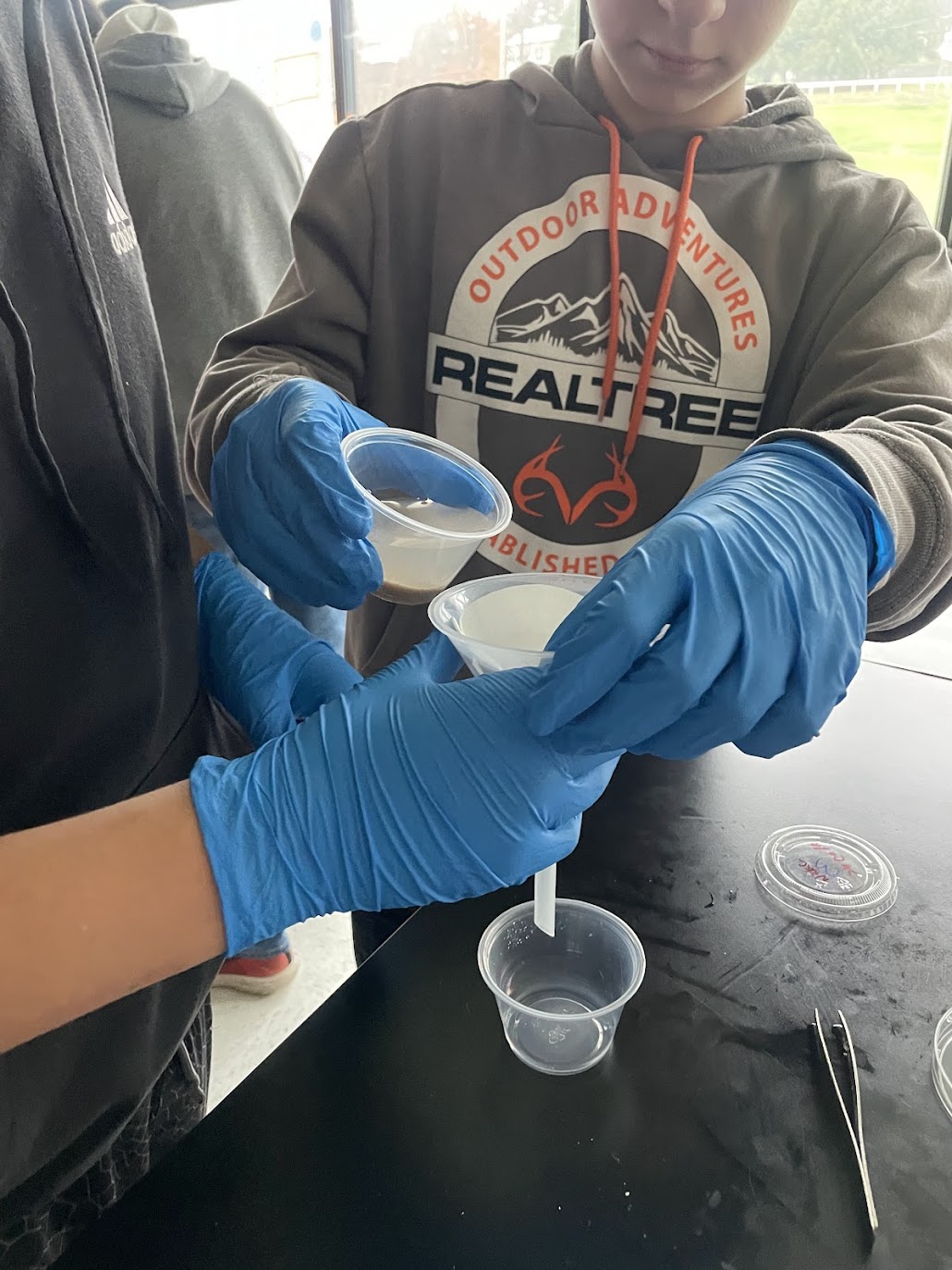
Based on your knowledge of science and first hand experiences, what separation technique would be used to separate a mixture of sand and water?
1
Question 14
14.
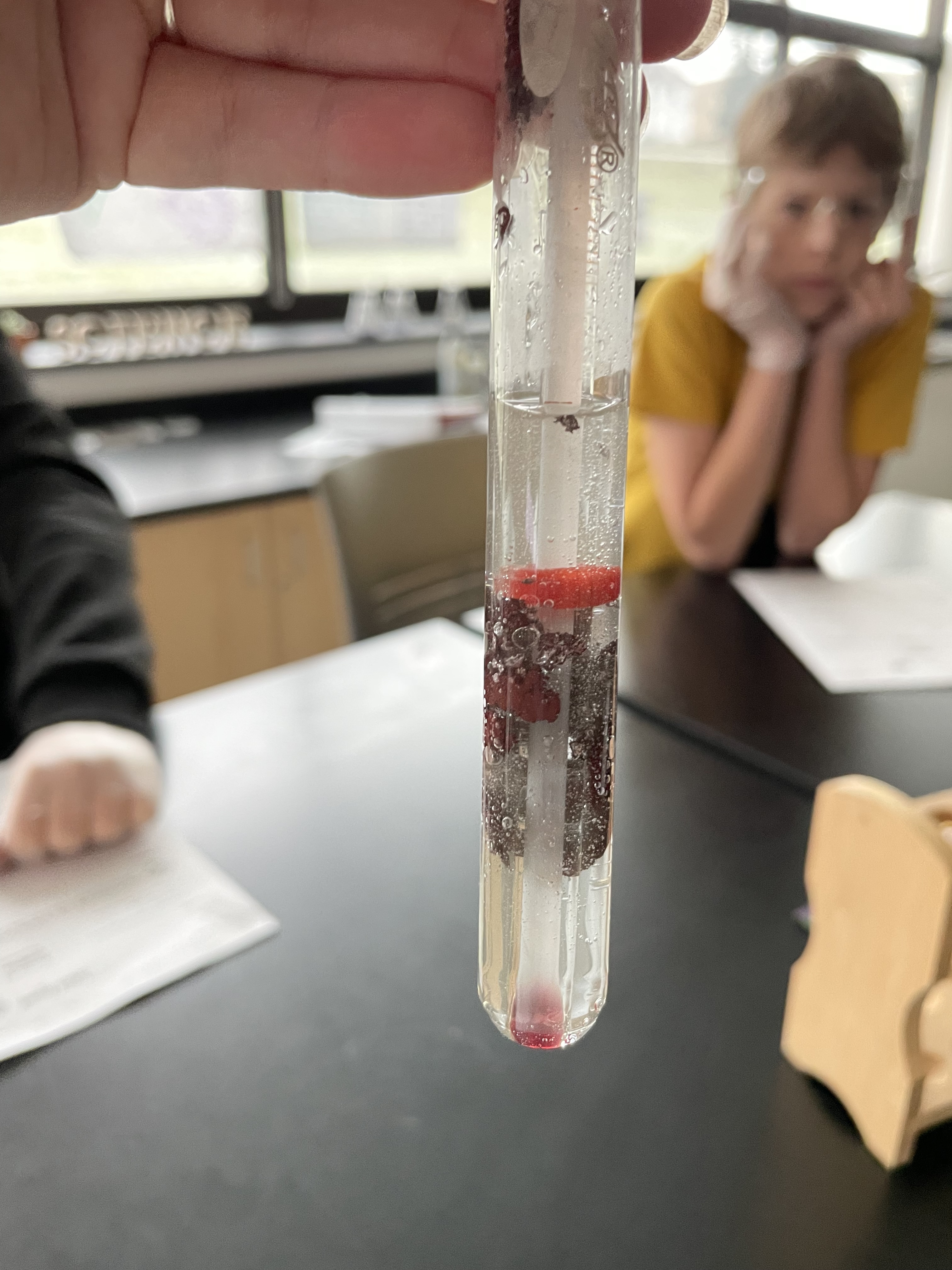
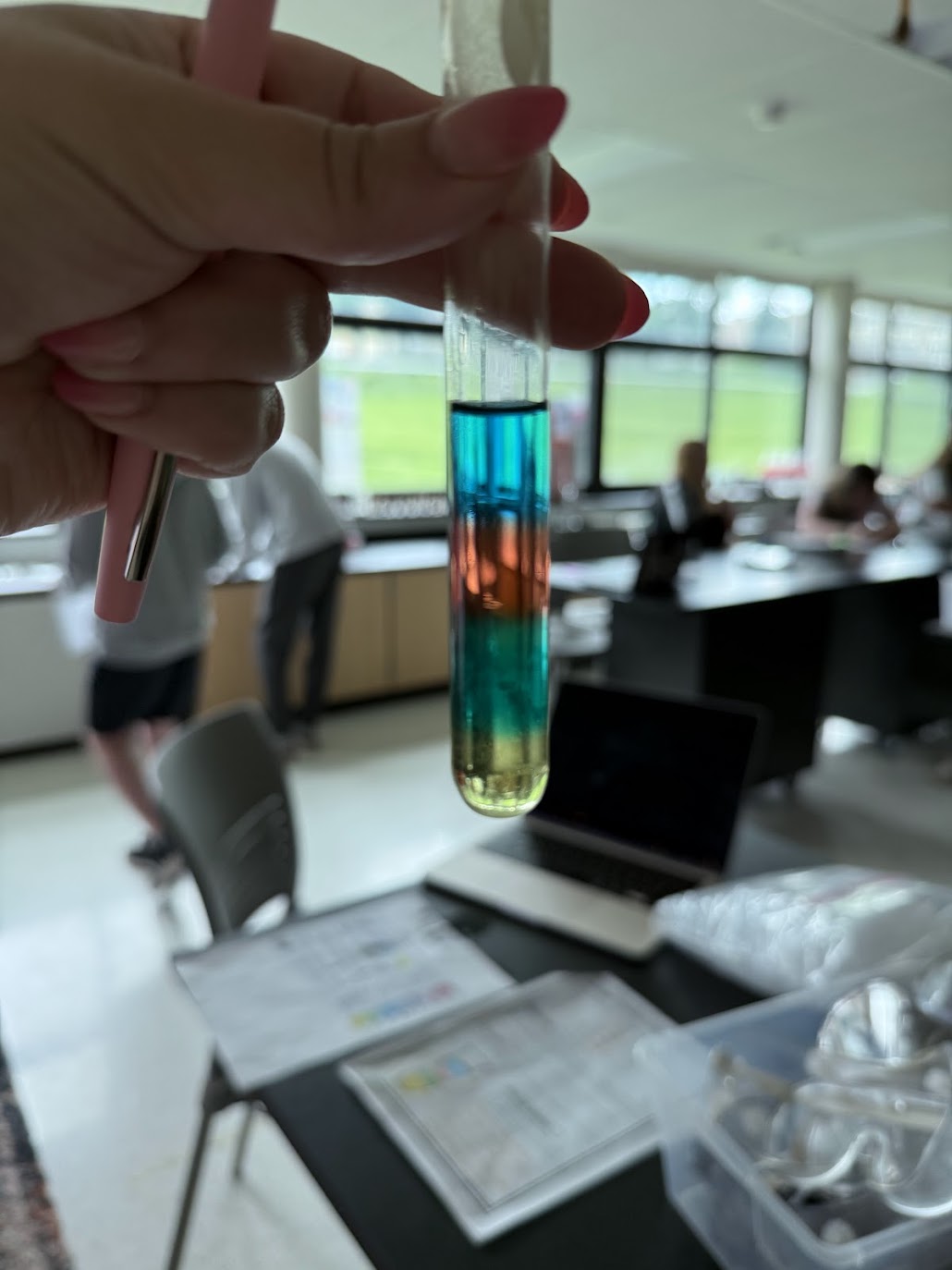
What is the physical property that can be used to identify matter and is responsible for creating these layers in the test tube?
1
1
Question 16
16.
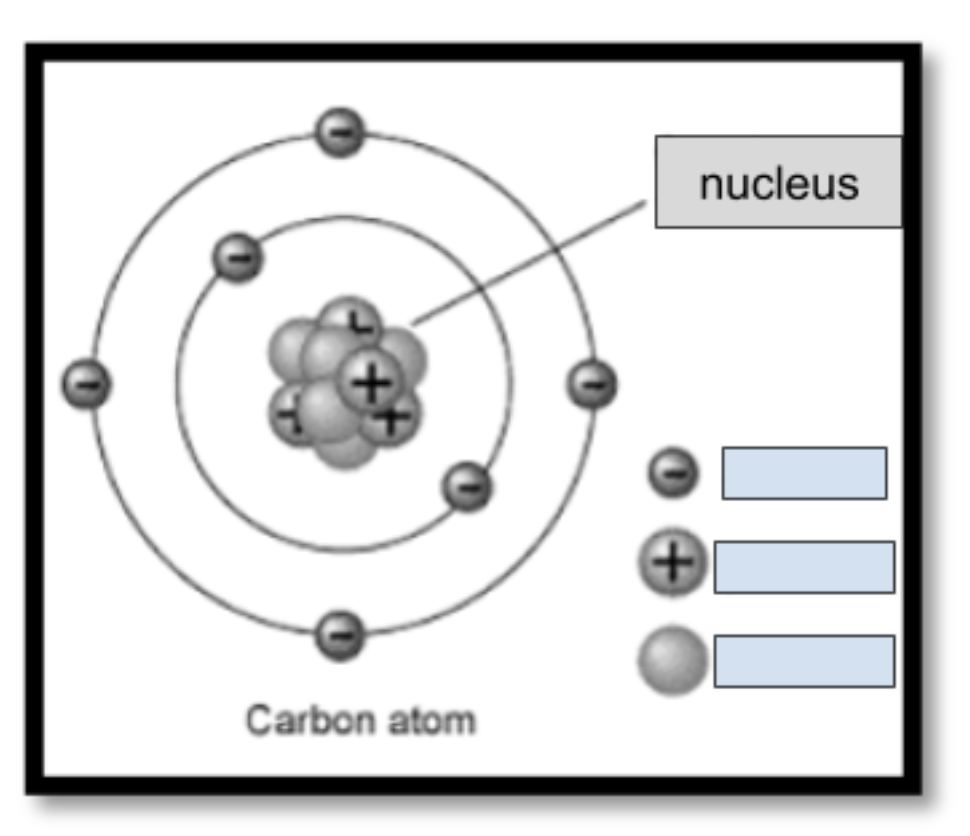
What is a positive subatomic particle called?
1
Question 18
18.
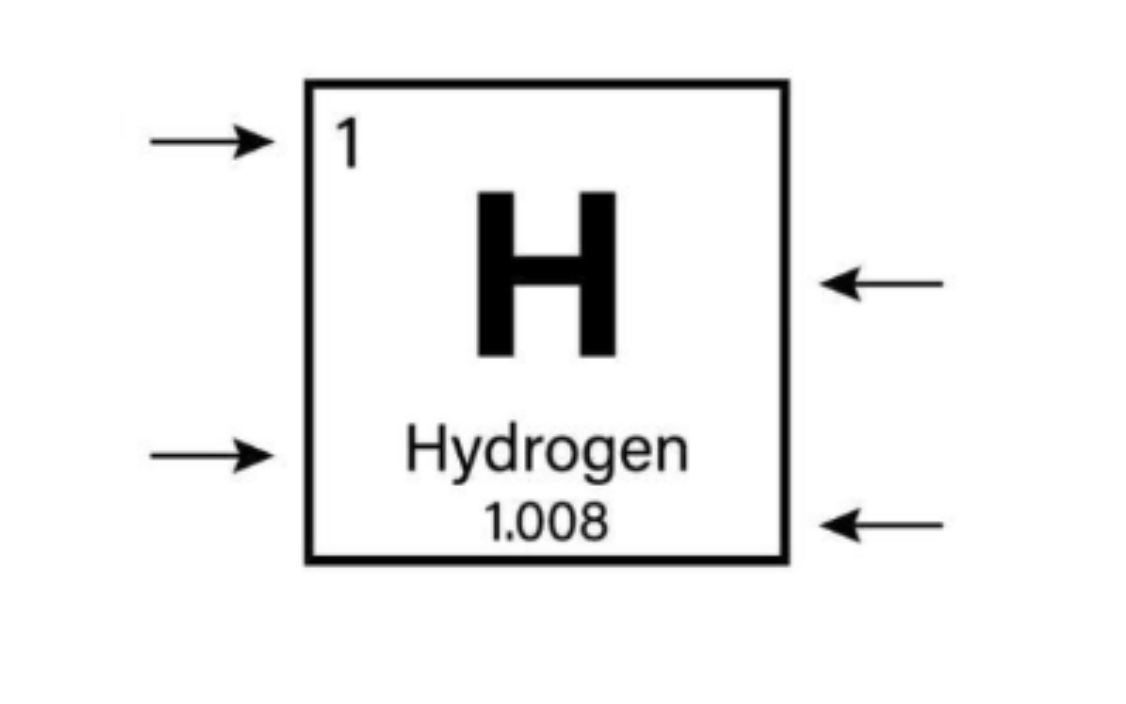
This table organizes the elements based on increasing atomic number.
1
Question 19
19.
This number is what gives the element its identity and tells us how many protons there are.
2
Question 20
20.
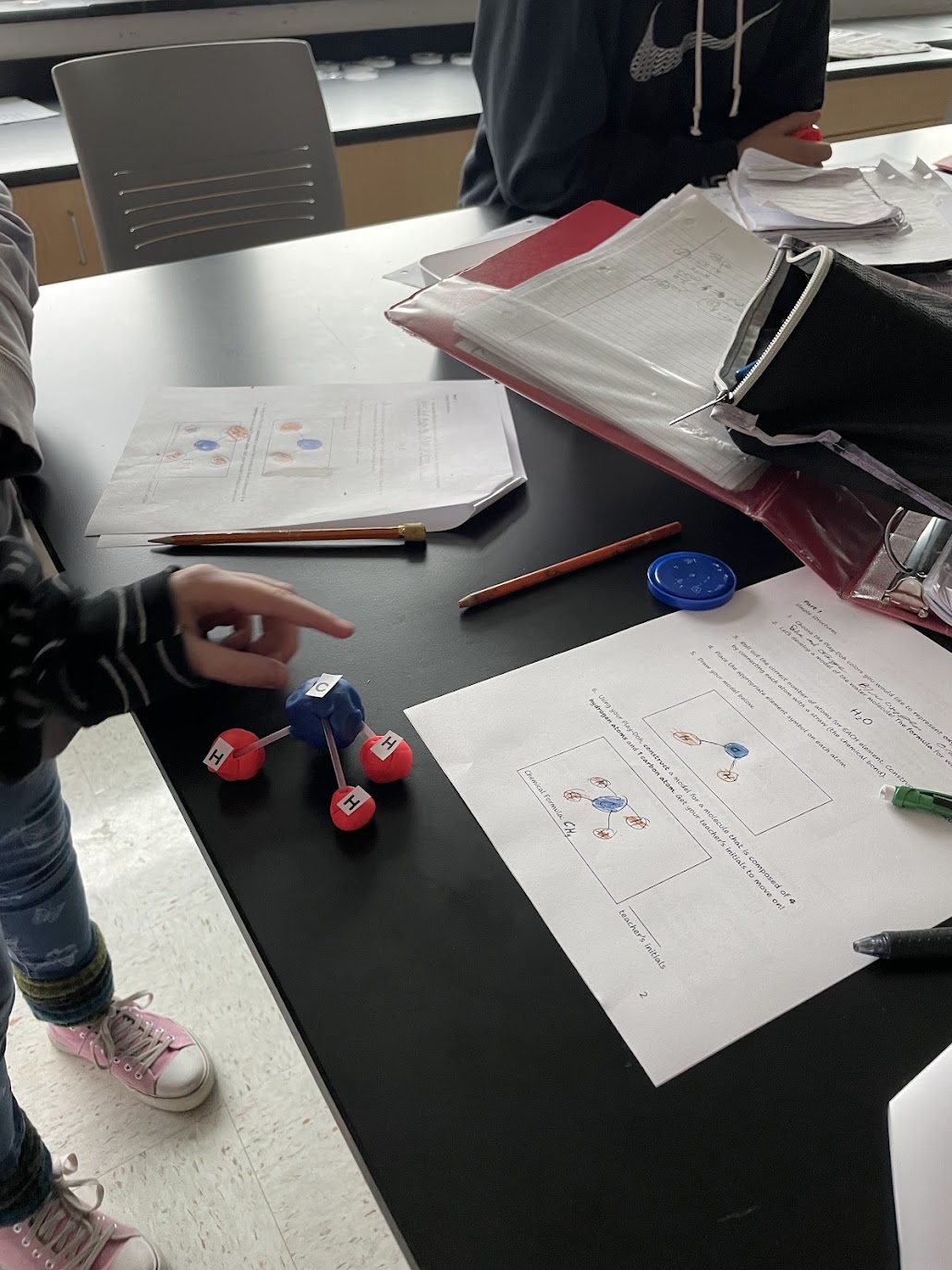
Construct an explanation to describethe relationship between atoms and molecules.
1
Question 21
21.
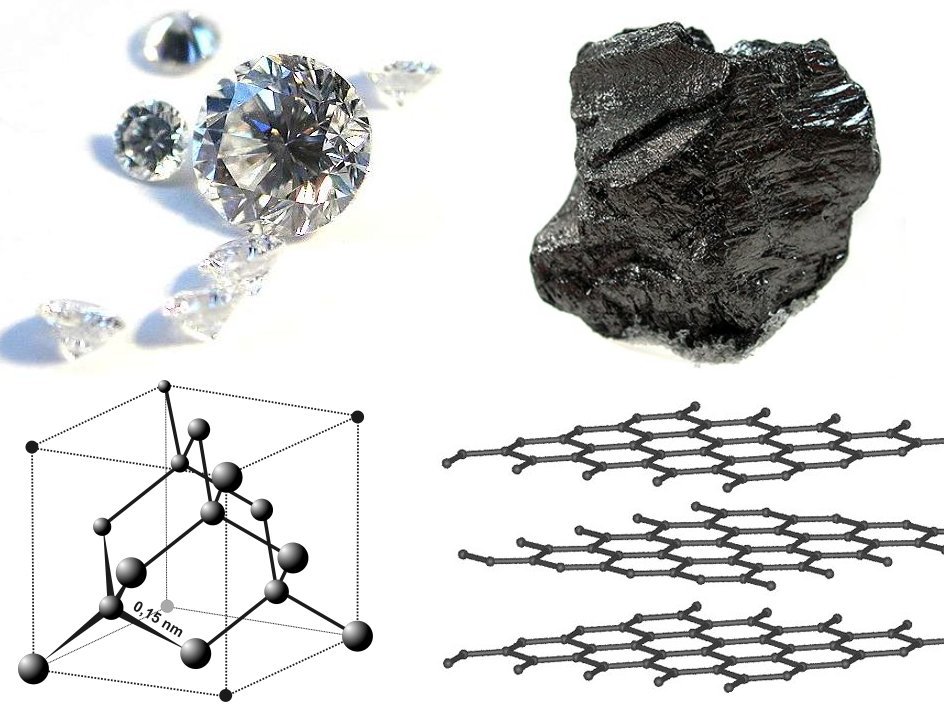
In terms of atoms, why do graphite and diamond have different properties even though they are both made up of the element carbon? Support with evidence.
1
Question 22
22.
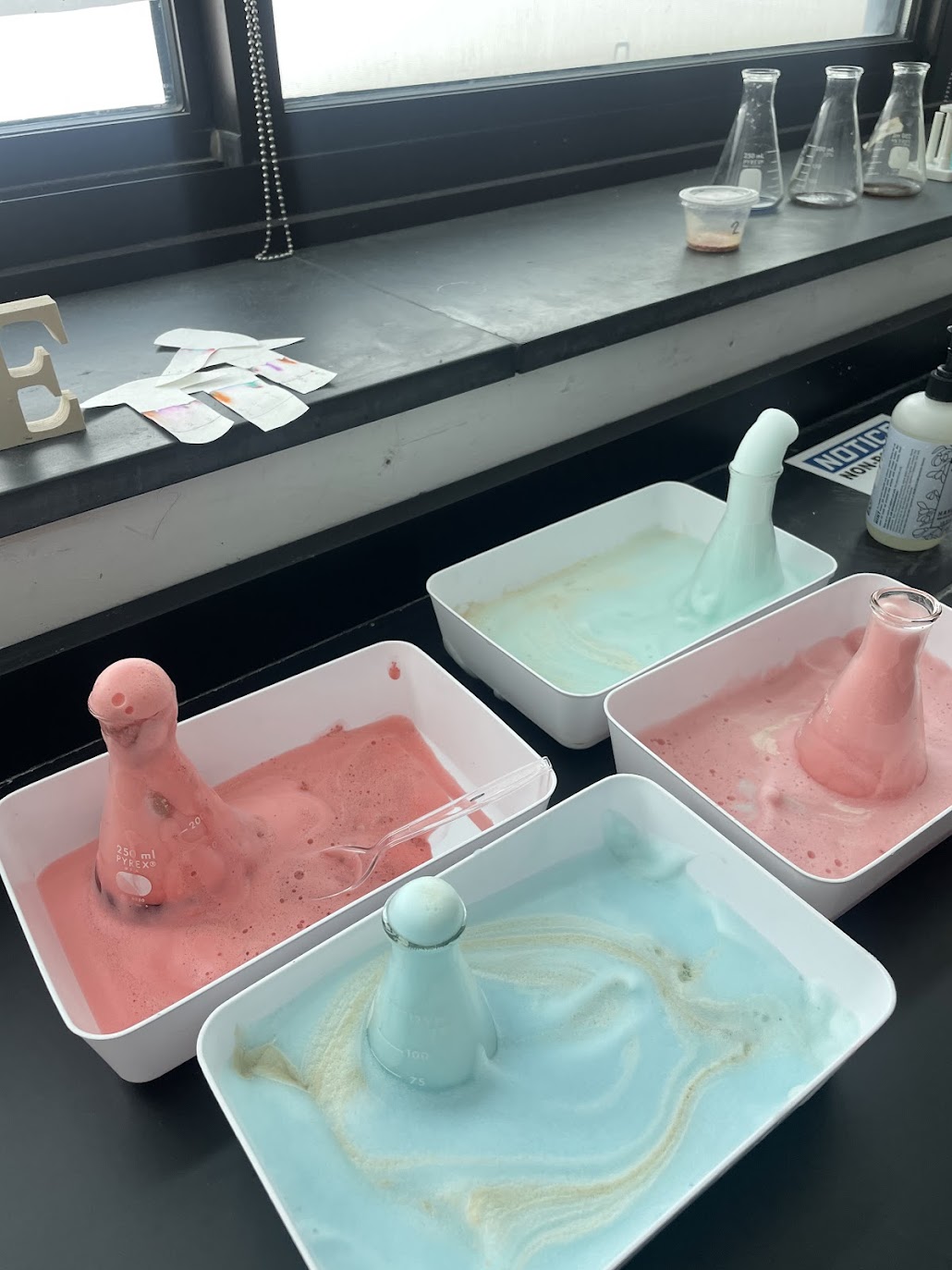
Which statement best describes the outcome of a chemical reaction
Question 23
23.
Which of the following is an example of a chemical reaction
Question 24
24.
Which of the following is an example of a physical change
Question 25
25.
In a physical change ___________________.
1
Question 26
26.
What are three pieces of evidence that indicate a chemical reaction has occurred?
1
Question 27
27.
In terms of thermal energy, explain the difference between an endothermic process and an exothermic process.
1
Question 28
28.
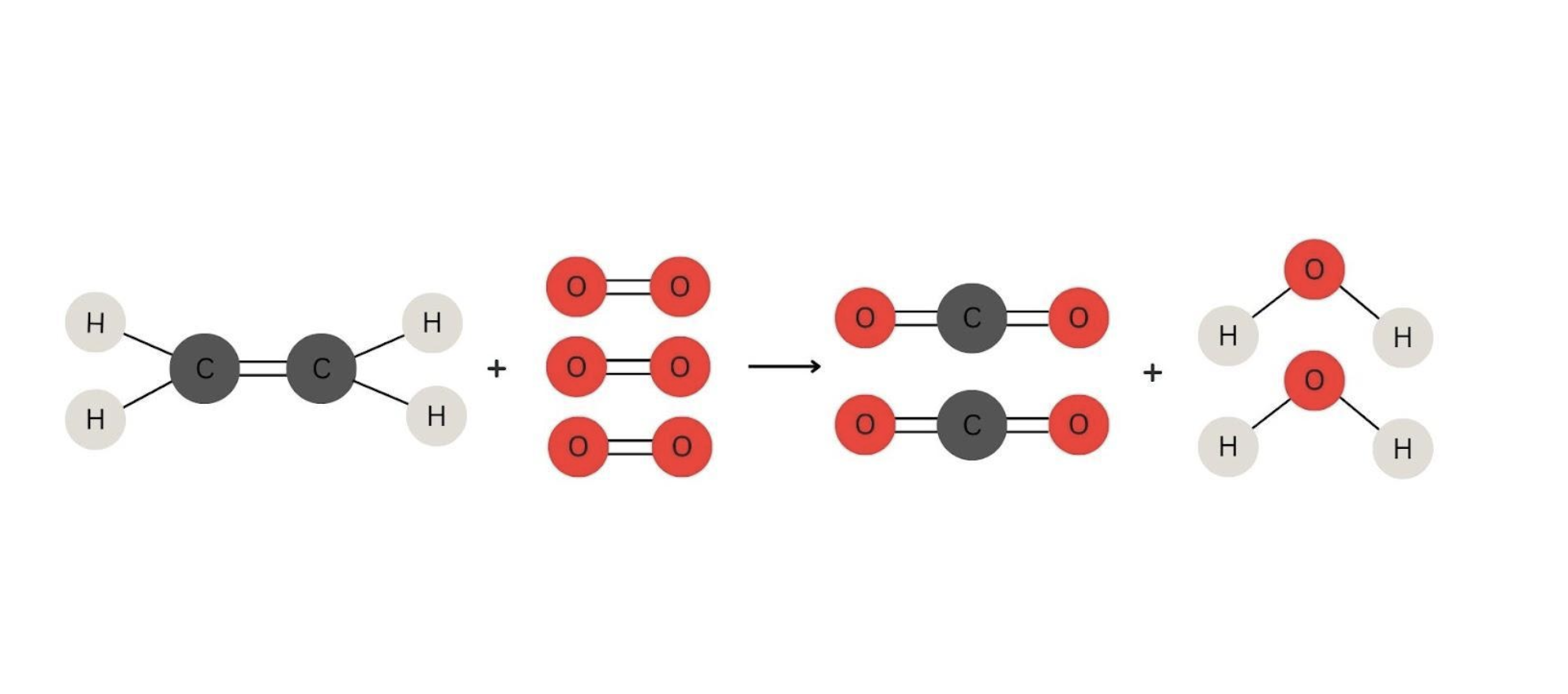
According to the model, did a chemical reaction occur? Use evidence from the model to justify your claim.
1
1
1
Question 31
31.
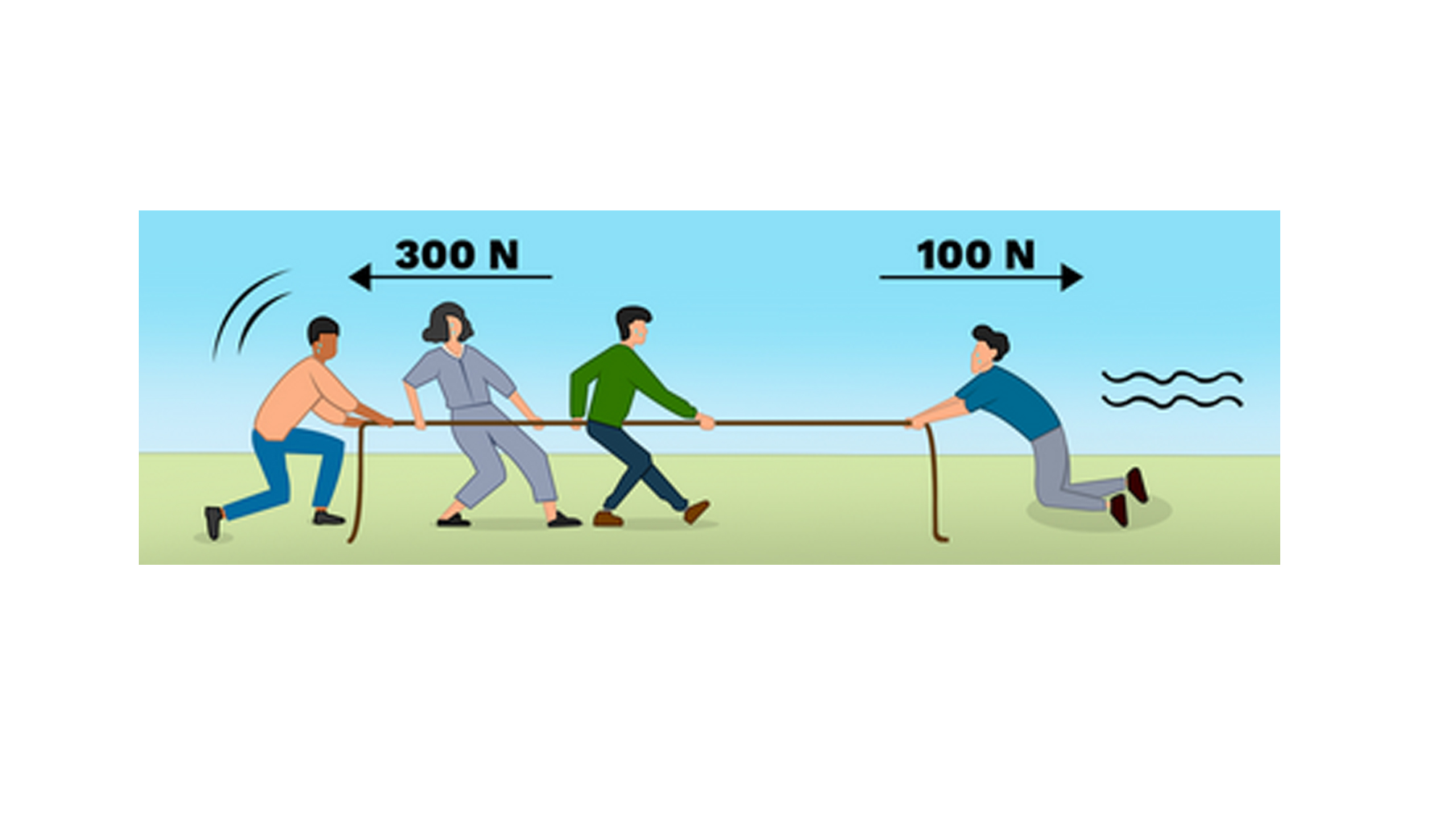
If an object starts to accelerate _____________________________________ .
Question 32
32.
What type of energy is made available by the flow of ELECTRONS?
1
Question 33
33.
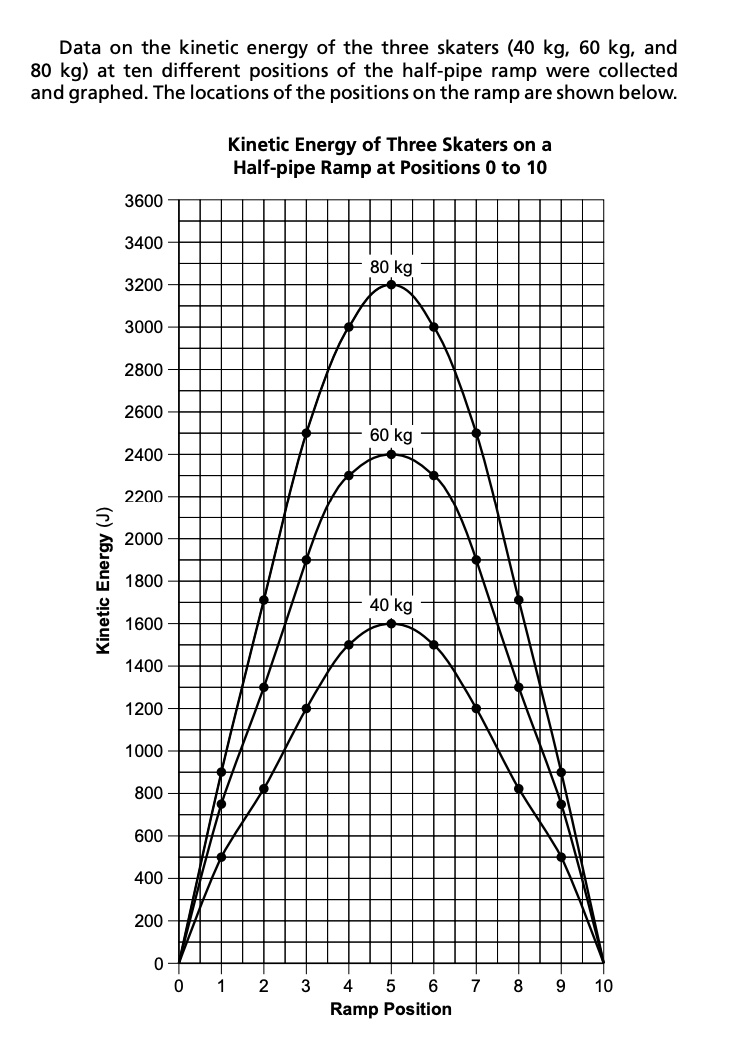
According to the graph and your experience in science, how is the kinetic energy of a moving object related to the mass of that object?
Question 34
34.
As an object increases its height from the ground, the potential energy of that object _______________.
Question 35
35.
According to the Law of Conservation of Energy,
Question 36
36.
Which of the following do all waves transfer?
Question 37
37.
What is the difference between an electromagnetic wave and a mechanical wave?
1
Question 38
38.
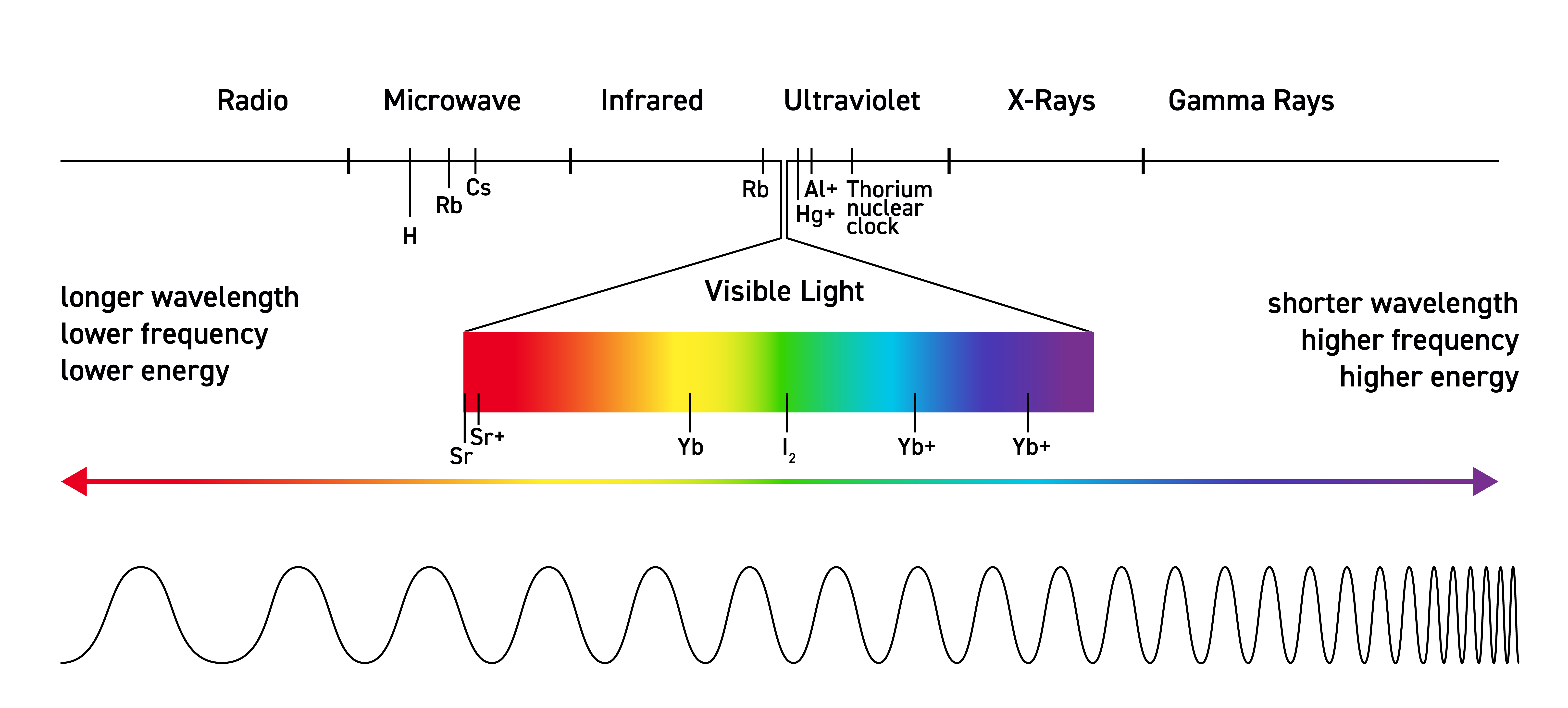
What happens to the energy of the waves within the electromagnetic spectrum as you move from radio waves to gamma waves?
1
1
Question 15
15.
Density is a physical property of matter and describes the relationship between the mass and volume of matter. What is the mathematical representation of density?
Question 17
17.
What charge does an electron have?
Question 29
29.
In a chemical reaction, mass is conserved. This means that
Question 30
30.
What would we expect to happen to the overall mass before and after a chemical reaction?
Question 39
39.
What is the relationship between frequency and wavelength?
Question 40
40.
What is the relationship between frequency and energy?