Volume I, Chapter 7, Pages 63–70
1 We passed a few sad hours, until eleven o’clock, when the trial was to commence. My father and the rest of the family being obliged to attend as witnesses, I accompanied them to the court. During the whole of this wretched mockery of justice, I suffered living torture. It was to be decided whether the result of my curiosity and lawless devices would cause the death of two of my fellow-beings: one a smiling babe, full of innocence and joy; the other far more dreadfully murdered, with every aggravation of infamy that could make the murder memorable in horror.
2 The appearance of Justine was calm. She appeared confident in innocence, and did not tremble, for all the kindness which her beauty might otherwise have excited was obliterated in the minds of the spectators by the imagination of the enormity she was supposed to have committed. A tear seemed to dim her eye when she saw us; but she quickly recovered herself, and a look of sorrowful affection seemed to attest her utter guiltlessness.
3 The trial began; and after the advocate against her had stated the charge, several witnesses were called. Several strange facts combined against her, which might have staggered any one who had not such proof of her innocence as I had.
4 She had been out the whole of the night on which the murder had been committed, and towards morning had been perceived by a market-woman not far from the spot where the body of the murdered child had been afterwards found. She returned to the house about eight o’clock; and when one inquired where she had passed the night, she replied that she had been looking for the child. When shewn the body, she fell into violent hysterics, and kept her bed for several days. The picture was then produced, which the servant had found in her pocket; and when Elizabeth, in a faltering voice, proved that it was the same which, an hour before the child had been missed, she had placed round his neck, a murmur of horror and indignation filled the court.
5 “God knows how entirely I am innocent. But I do not pretend that my protestations should acquit me: I rest my innocence on a plain and simple explanation of the facts which have been adduced against me; and I hope the character I have always borne will incline my judges to a favourable interpretation, where any circumstance appears doubtful or suspicious.”
6 She then related that she had passed the evening at the house of an aunt. On her return, she met a man, who asked her if she had seen any thing of the child who was lost. She was alarmed, and passed several hours in looking for him. That she had been bewildered when questioned by the market-woman was not surprising, since she had passed a sleepless night. Concerning the picture she could give no account.
7 “I know how heavily and fatally this one circumstance weighs against me, but I have no power of explaining it. I believe that I have no enemy on earth, and none surely would have been so wicked as to destroy me wantonly. I commit my cause to the justice of my judges, yet I see no room for hope. I beg permission to have a few witnesses examined concerning my character; and if their testimony shall not overweigh my supposed guilt, I must be condemned, although I would pledge my salvation on my innocence.”
8 Several witnesses were called, but fear, and hatred of the crime of which they supposed her guilty, rendered them unwilling to come forward. Elizabeth saw even this last resource about to fail the accused when she desired permission to address the court.
9 “I am the cousin of the unhappy child who was murdered, for I was educated by and have lived with his parents ever since and even long before his birth. It may therefore be judged indecent in me to come forward on this occasion; but when I see a fellow-creature about to perish through the cowardice of her pretended friends, I wish to be allowed to speak, that I may say what I know of her character.
10 “I am well acquainted with the accused. I have lived in the same house with her. During all that period she appeared to me the most amiable and benevolent of human creatures. She nursed Madame Frankenstein, my aunt, in her last illness with the greatest affection and care; and afterwards attended her own mother during a tedious illness. She was warmly attached to the child who is now dead, and acted towards him like a most affectionate mother. For my own part, I do not hesitate to say, that, notwithstanding all the evidence produced against her, I believe and rely on her perfect innocence.”
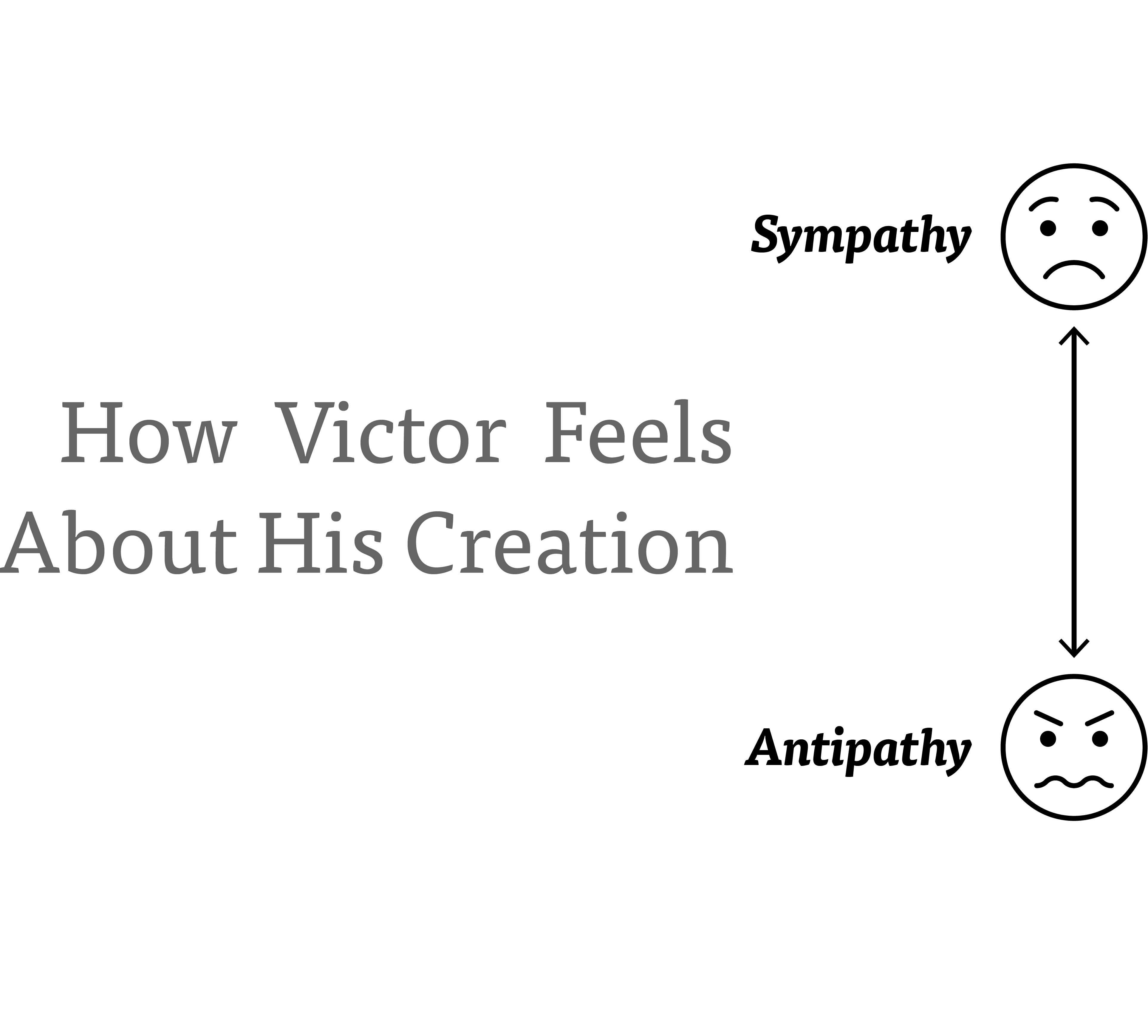
11 Could the demon who had murdered my brother also in his hellish sport have betrayed the innocent to death and ignominy? When I perceived that the popular voice had already condemned my unhappy victim, I rushed out of the court in agony. The tortures of the accused did not equal mine; she was sustained by innocence, but the fangs of remorse tore my bosom, and would not forego their hold.
12 The ballots had been thrown; they were all black, and Justine was condemned.
13 Words cannot convey an idea of the heart-sickening despair that I then endured.
14 Soon after we heard that the poor victim had expressed a wish to see my cousin.
15 We entered the gloomy prison-chamber, and beheld Justine. She threw herself at the feet of Elizabeth, weeping bitterly. My cousin wept also.
16 “Do you also believe that I am so very, very wicked? Do you also join with my enemies to crush me?”
17 Her voice was suffocated with sobs.
18 "Rise, my poor girl, why do you kneel, if you are innocent? I believe you guiltless.”
19 “I confessed! The God of heaven forgive me!"
20 “Ever since I was condemned, my confessor has besieged me."
21 “He threatened and menaced, until I almost began to think that I was the monster that he said I was. He threatened excommunication and hell fire in my last moments. What could I do? In an evil hour I subscribed to a lie."
22 “Dear William! dearest blessed child! I soon shall see you again in heaven, where we shall all be happy.”
23 “Heaven bless thee, my dearest Justine, with resignation, and a confidence elevated beyond this world. Oh! how I hate its shews and mockeries! when one creature is murdered, another is immediately deprived of life in a slow torturing manner; then the executioners, their hands yet reeking with the blood of innocence, believe that they have done a great deed. They call this retribution. Hateful name! I would I were in peace with my aunt and my lovely William, escaped from a world which is hateful to me, and the visages of men which I abhor.”
24 I had retired to a corner of the prison-room, where I could conceal the horrid anguish that possessed me. The poor victim, who on the morrow was to pass the dreary boundary between life and death, felt not as I did, such deep and bitter agony. I gnashed my teeth, and ground them together, uttering a groan that came from my inmost soul. The poor sufferer gained the resignation she desired. But I, the true murderer, felt the never-dying worm alive in my bosom, which allowed of no hope or consolation. Elizabeth also wept, and was unhappy; but hers also was the misery of innocence, which, like a cloud that passes over the fair moon, for a while hides, but cannot tarnish its brightness. Anguish and despair had penetrated into the core of my heart; I bore a hell within me, which nothing could extinguish.
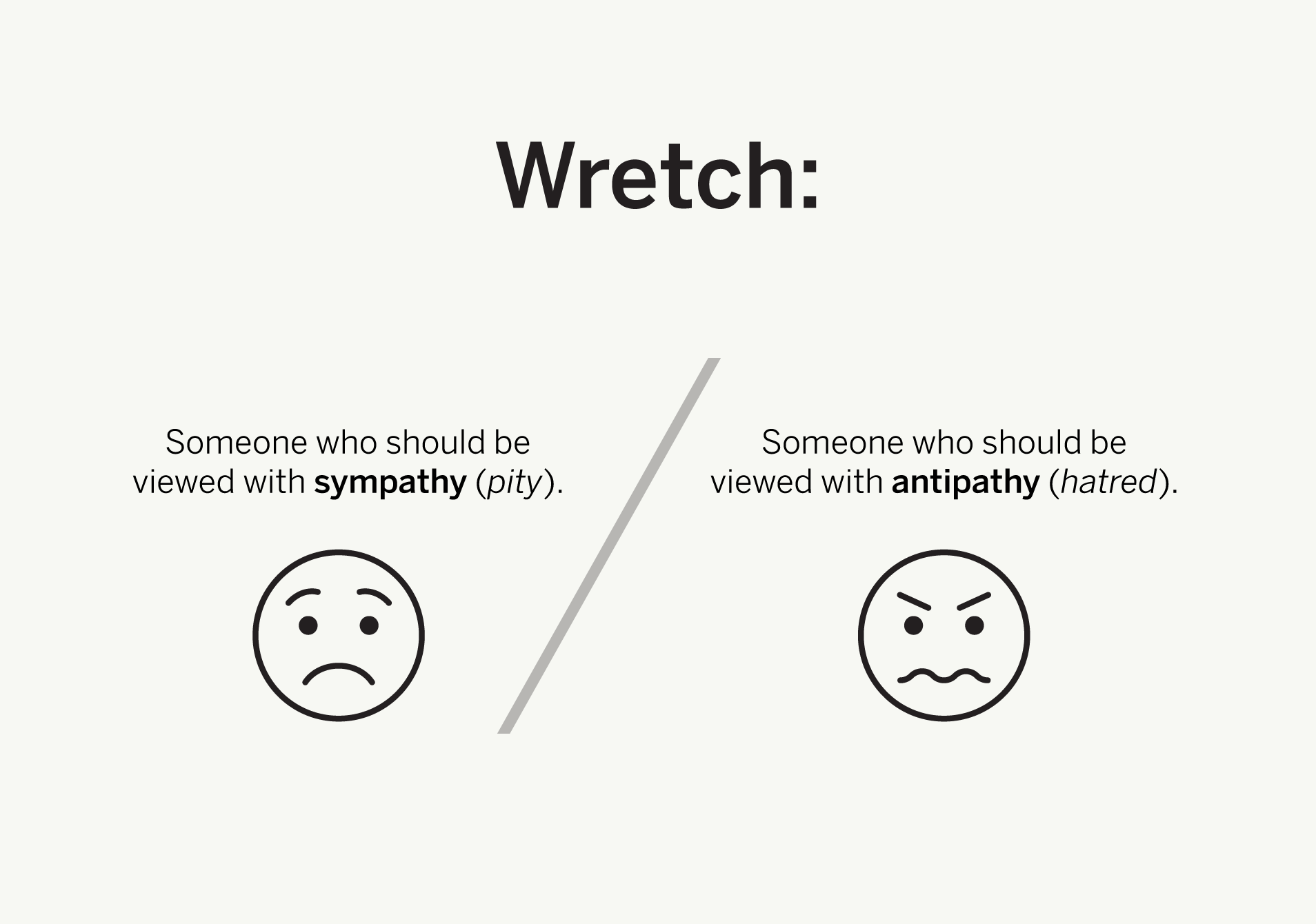
25 I was a wretch, and none ever conceived of the misery that I then endured.