1818 Edition, Volume II, Chapter 7
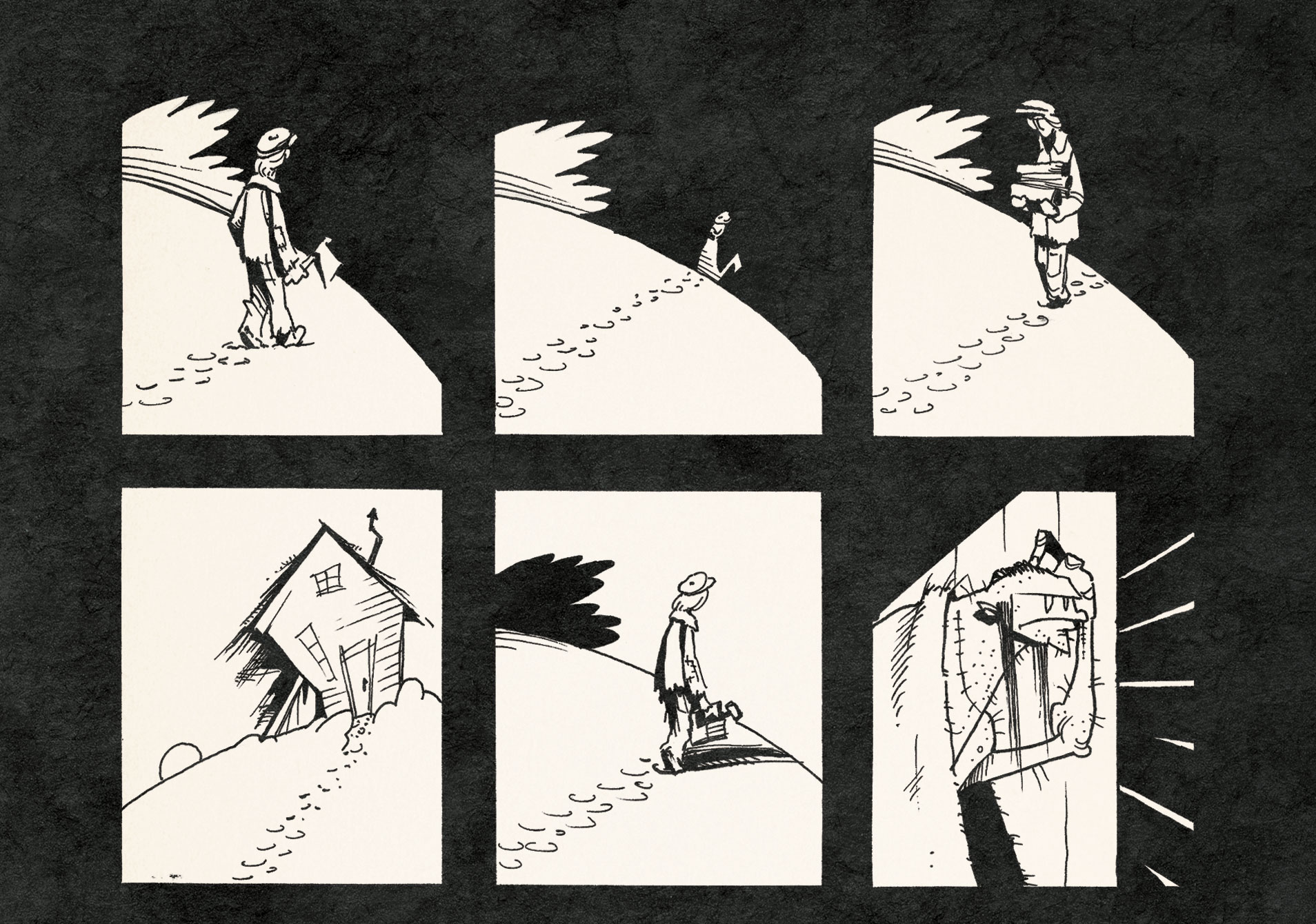
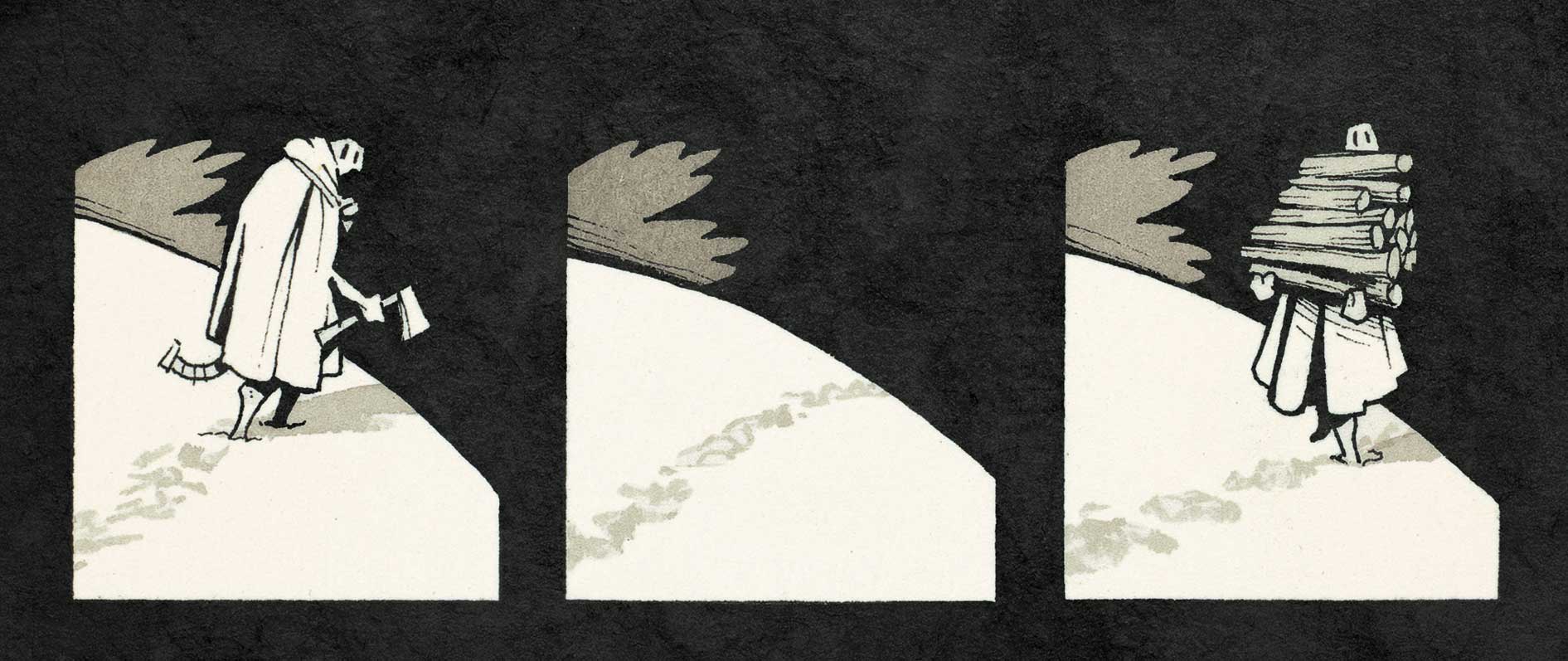
1 “One night, during my accustomed visit to the neighbouring wood, where I collected my own food, and brought home firing for my protectors, I found on the ground a leathern portmanteau, containing several articles of dress and some books. I eagerly seized the prize, and returned with it to my hovel. Fortunately the books were written in the language the elements of which I had acquired at the cottage; they consisted of Paradise Lost, a volume of Plutarch’s Lives, and the Sorrows of Werter. The possession of these treasures gave me extreme delight; I now continually studied and exercised my mind upon these histories, whilst my friends were employed in their ordinary occupations.
2 “I can hardly describe to you the effect of these books. They produced in me an infinity of new images and feelings, that sometimes raised me to ecstasy, but more frequently sunk me into the lowest dejection. In the Sorrows of Werter, besides the interest of its simple and affecting story, so many opinions are canvassed, and so many lights thrown upon what had hitherto been to me obscure subjects, that I found in it a never-ending source of speculation and astonishment. The gentle and domestic manners it described, combined with lofty sentiments and feelings, accorded well with my experience among my protectors, and with the wants which were for ever alive in my own bosom. But I thought Werter himself a more divine being than I had ever beheld or imagined; his character contained no pretension, but it sunk deep. I inclined towards the opinions of the hero, whose extinction I wept, without precisely understanding it.
3 As I read, however, I applied much personally to my own feelings and condition. I found myself similar, yet at the same time strangely unlike the beings concerning whom I read, and to whose conversation I was a listener. I sympathized with, and partly understood them, but I was unformed in mind; I was dependent on none, and related to none. ‘The path of my departure was free’ and there was none to lament my annihilation. My person was hideous, and my stature gigantic: what did this mean? Who was I? What was I? Whence did I come? What was my destination? These questions continually recurred, but I was unable to solve them.
4 “The volume of Plutarch’s Lives which I possessed, contained the histories of the first founders of the ancient republics. This book had a far different effect upon me from the Sorrows of Werter. I learned from Werter’s imaginations despondency and gloom: but Plutarch taught me high thoughts; he elevated me above the wretched sphere of my own reflections, to admire and love the heroes of past ages. Many things I read surpassed my understanding and experience. I had a very confused knowledge of kingdoms, wide extents of country, mighty rivers, and boundless seas. But I was perfectly unacquainted with towns, and large assemblages of men. The cottage of my protectors had been the only school in which I had studied human nature; but this book developed new and mightier scenes of action. I read of men concerned in public affairs governing or massacring their species. I felt the greatest ardour for virtue rise within me, and abhorrence for vice, as far as I understood the signification of those terms.
5 “But Paradise Lost excited different and far deeper emotions. I read it, as I had read the other volumes which had fallen into my hands, as a true history. It moved every feeling of wonder and awe, that the picture of an omnipotent God warring with his creatures was capable of exciting. I often referred the several situations, as their similarity struck me, to my own. Like Adam, I was apparently united by no link to any other being in existence; but his state was far different from mine in every other respect. He had come forth from the hands of God a perfect creature, happy and prosperous, guarded by the especial care of his Creator; he was allowed to converse with, and acquire knowledge from beings of a superior nature: but I was wretched, helpless, and alone. Many times I considered Satan as the fitter emblem of my condition; for often, like him, when I viewed the bliss of my protectors, the bitter gall of envy rose within me.
6 “Another circumstance strengthened and confirmed these feelings. Soon after my arrival in the hovel, I discovered some papers in the pocket of the dress which I had taken from your laboratory. At first I had neglected them; but now that I was able to decipher the characters in which they were written, I began to study them with diligence. It was your journal of the four months that preceded my creation. You minutely described in these papers every step you took in the progress of your work; this history was mingled with accounts of domestic occurrences. You, doubtless, recollect these papers. Here they are. Everything is related in them which bears reference to my accursed origin; the whole detail of that series of disgusting circumstances which produced it is set in view; the minutest description of my odious and loathsome person is given, in language which painted your own horrors, and rendered mine indelible. I sickened as I read. ‘Hateful day when I received life!’ I exclaimed in agony. ‘Cursed creator! Why did you form a monster so hideous that even you turned from me in disgust? God in pity made man beautiful and alluring, after his own image; but my form is a filthy type of yours, more horrid from its very resemblance. Satan had his companions, fellow-devils, to admire and encourage him; but I am solitary and detested.’