Newton's Third Law of Motion (Action and Reaction)
star
star
star
star
star
Last updated about 3 hours ago
30 questions
Required
1
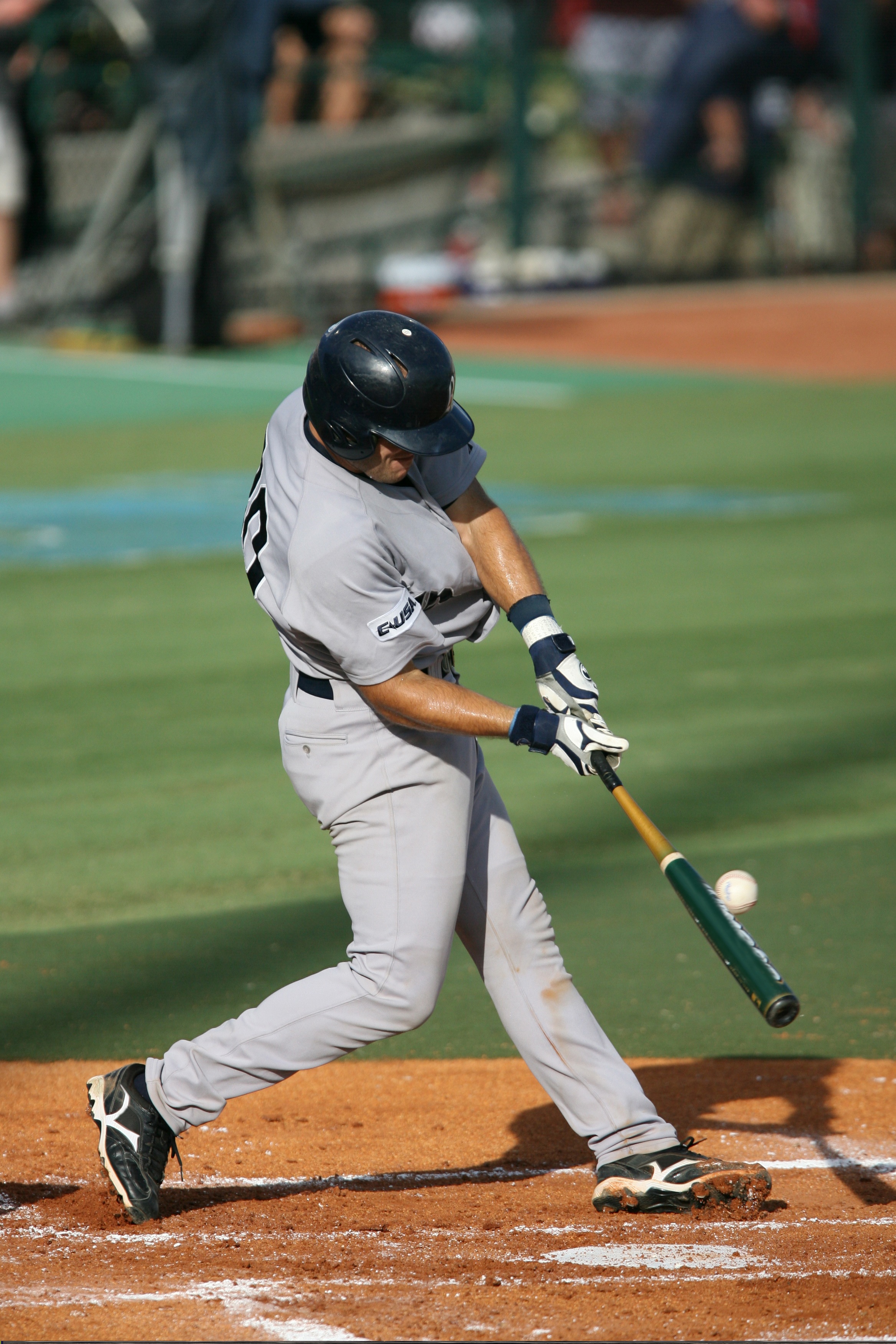
Try to imagine two colliding objects (like two cars or a bat and a ball) as a system.
Think about what forces or energy are going into the system and out of the system.
What impact do those forces have on the system as a whole?
Scientists and engineers are always looking for ways to reduce the damage that might be caused when two objects collide.
Question 1
1.
Why would scientists study collisions in sports?
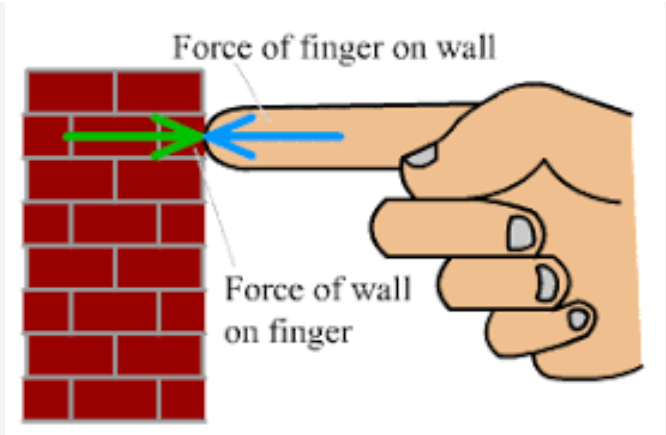
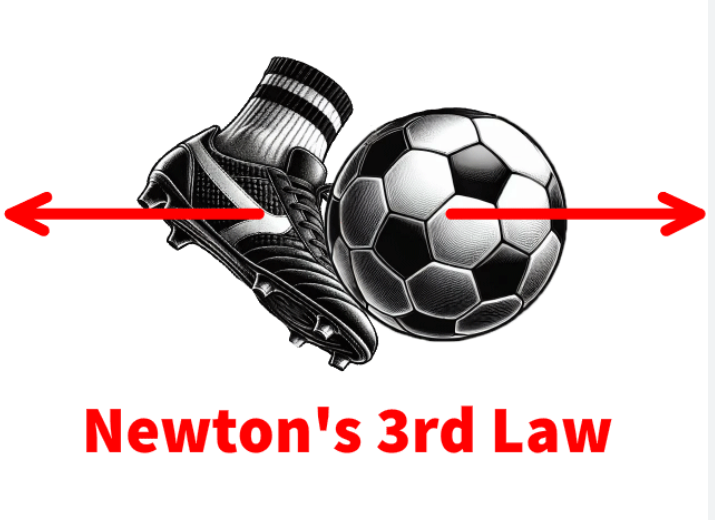
Whenever you apply a force to an object, it applies the same force back on you. These forces are equal and act in opposite directions. This is Newton’s Third Law, which states that every action has an equal and opposite reaction.
However, just because the forces are equal and opposite, this does not mean that they have the same effect.
Required
1
Required
1
Required
1
When you kick a soccer ball, you apply a force to the ball, and it pushes back on you with the same force.
If the forces are equal, why does the soccer ball move and you don’t?
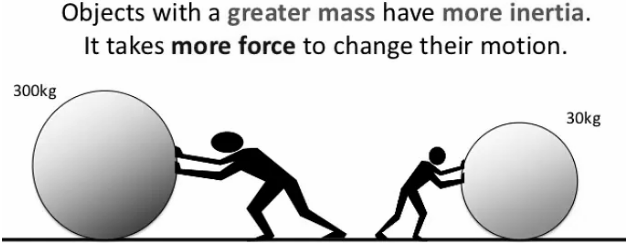
You have a lot more mass than the soccer ball. Remember that the more mass an object has, the more force is needed to move it, so the soccer ball takes less force to move than you do.
The force acting on the soccer ball is big enough to make the ball move. The opposite force acting on you is not big enough to make you move because you have more mass and, therefore, more intertia.
Required
1
Required
1
Required
1
Required
1
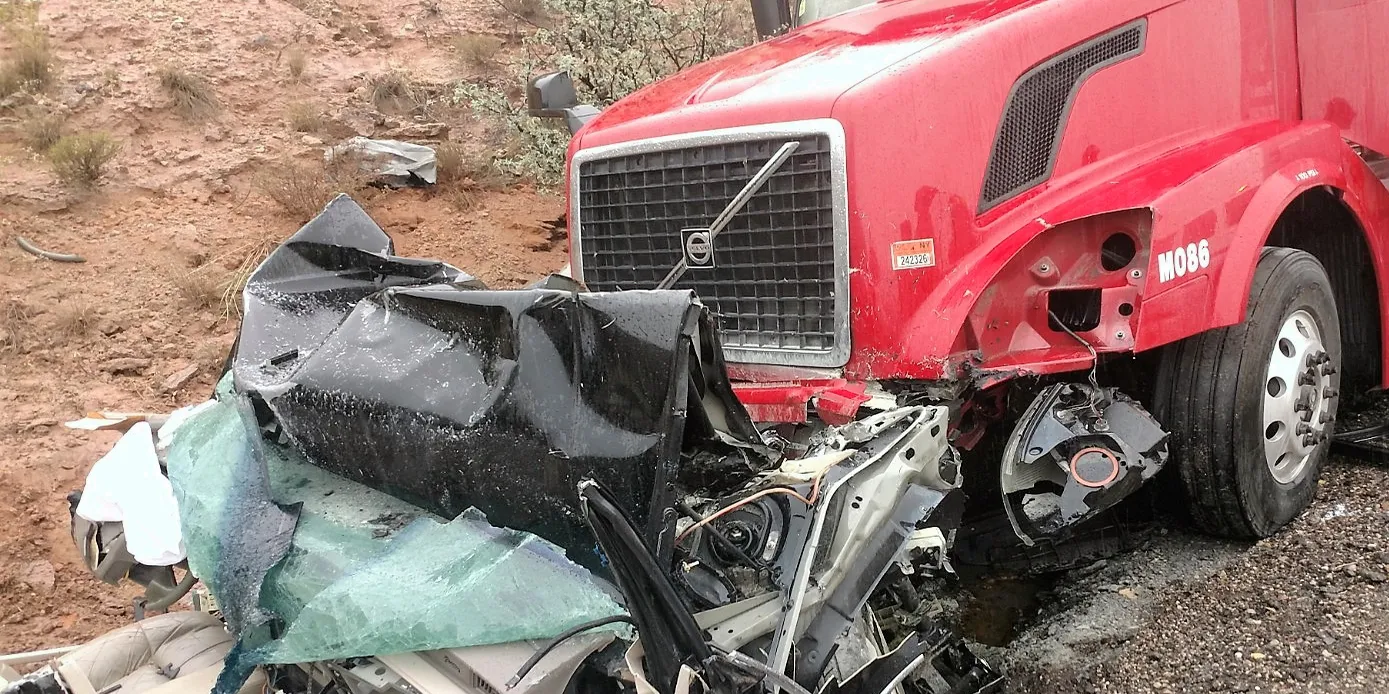
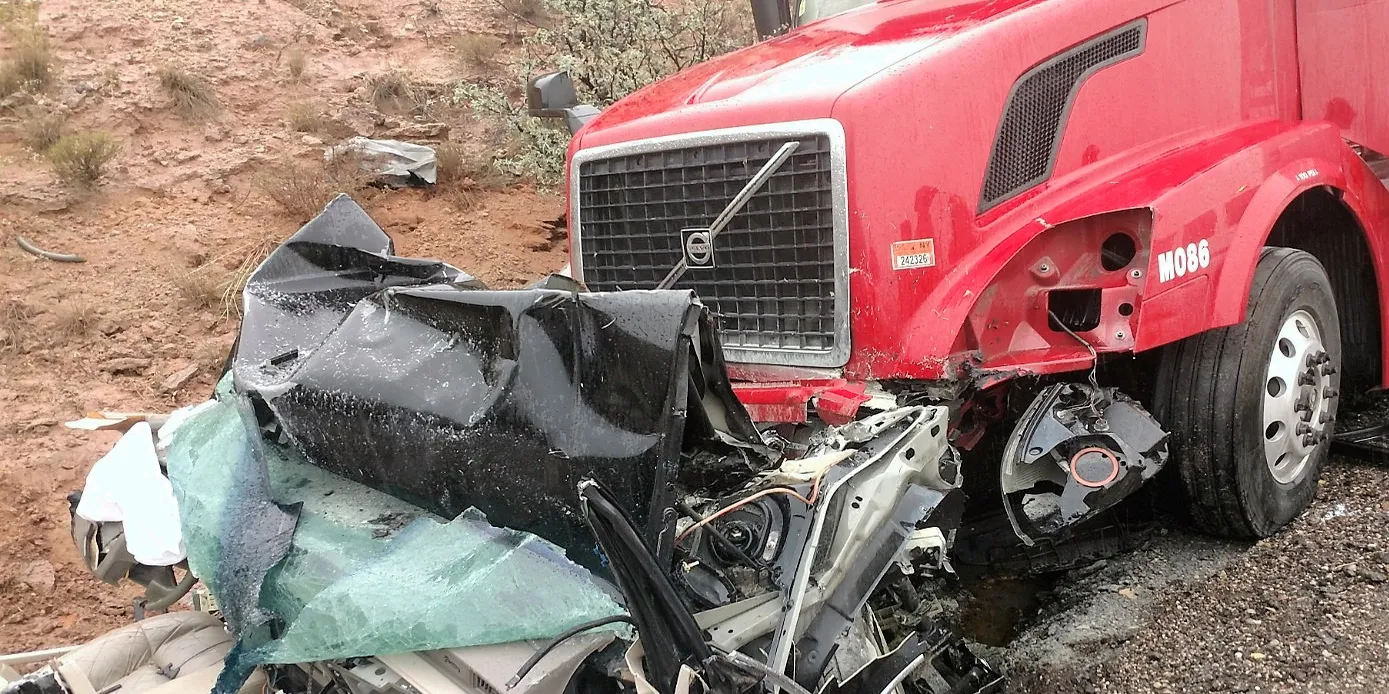
Let’s take a look at another example. You witness a head-on collision between a large semi-truck and a small sports car. Both were driving the speed limit, approximately 25 miles per hour.
You notice the semi-truck appears to have sustained very little damage while the sports car appears truly beat up.
If they were going the same speed and we know that Mr. Newton claims forces are equal and opposite, then why didn’t both cars have the same amount of damage?
Required
1
Required
1
It has to do with momentum. Momentum is how hard it is to stop a moving object and depends on the object’s mass and acceleration.
More force = more momentum = harder to stop.
In our crash example, the acceleration of both cars is the same, however like the soccer ball example, the semi-truck has a higher momentum than the sports car because the semi-truck has a higher mass.
This creates a difference in momentum, and even though the forces were equal and opposite in direction, the sports car had a smaller momentum and took more damage.
Required
1
Required
1
Required
1
Required
1
Continuing with the car crash example, what prevents the small sports car from being pushed back too far?
There are some outside and unseen forces that prevent objects from transferring too much momentum.
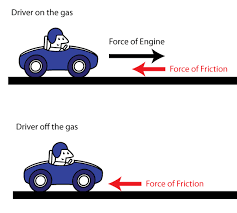
Gravity pulls objects towards the center of Earth. As it does so it causes the objects to be in contact with the ground. This force pulling down creates frictional forces with the object and the road surface resisting movement and significantly decreasing the object’s momentum.
Required
1
Required
1
Required
1
Required
1
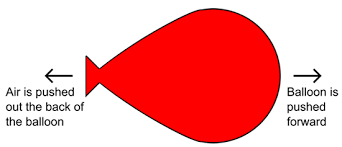
Another example is when you release the air out of a balloon. If you let go of a balloon without tying it closed, the air rushes out of the balloon and the balloon goes flying in the other direction.
Required
1
Required
1
Required
1
Required
1
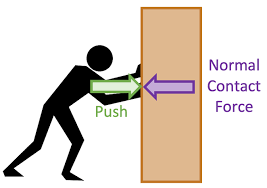
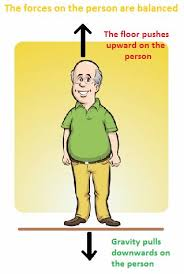
Another example of Newton’s third law involves normal force. A normal force is the support force exerted on an object that is in contact with another stable object.
The most common normal force is a reaction to gravity. Gravity is pulling you down toward the ground. In this case, the normal force is from the ground pushing up against your feet.
Required
1
Required
1
Required
1
Required
1
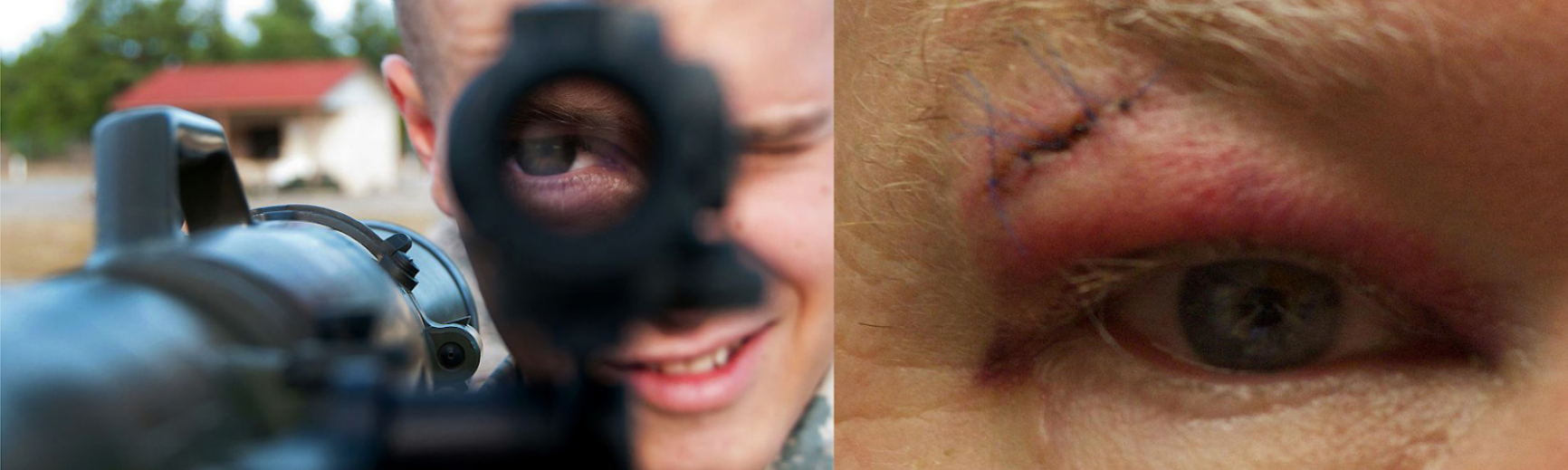
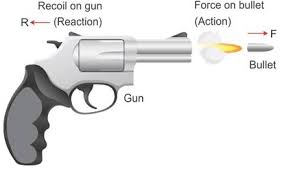
Sometimes when people go rifle shooting and use a scope on their gun, they end up with the type of injury shown below.
Create a model that shows the forces involved when a person shoots a gun and design a solution to help protect them.
Required
1
Required
1
Required
1
Required
1
Question 2
2.
What does Newton's Third Law state?
Question 3
3.
What happens when you push against a wall?
Question 4
4.
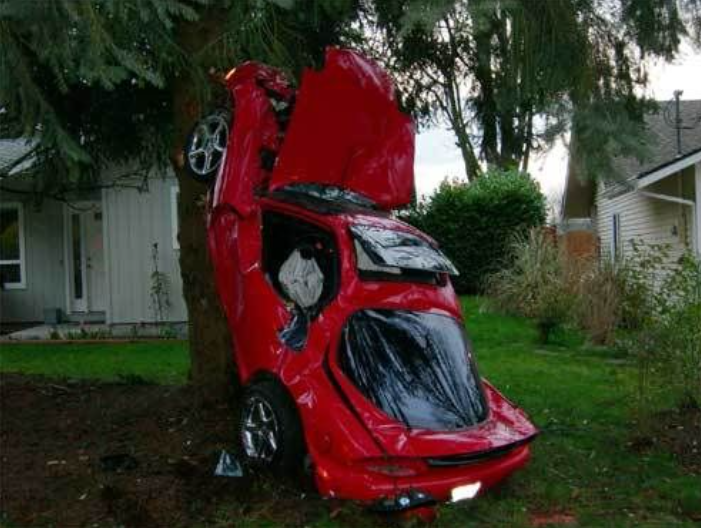
If a car hits a tree, what occurs?
Question 5
5.
What happens when you kick a soccer ball?
Question 6
6.
Why does the soccer ball move when kicked?
Question 7
7.
What does Newton's Third Law state about forces?
Question 8
8.
Why don't you move when you kick the ball?
Question 9
9.
Why did the semi-truck sustain less damage than the sports car?
Question 10
10.
What happens to forces in a collision according to Newton's third law?
Question 11
11.
What determines an object's momentum?
Question 12
12.
Why does the semi-truck have more momentum than the sports car?
Question 13
13.
What happens when two cars collide with equal forces?
Question 14
14.
Which statement is true about forces in a collision?
Question 15
15.
What force helps prevent the sports car from moving backward?
Question 16
16.
What does gravity do in this scenario?
Question 17
17.
How does friction affect the car’s momentum?
Question 18
18.
What role does the ground play in this example?
Question 19
19.
What happens when air exits the back of the balloon?
Question 20
20.
Why does the balloon fly when air is released?
Question 21
21.
In which direction does the balloon move when air is released?
Question 22
22.
What scientific principle explains the balloon's movement?
Question 23
23.
What is the normal force in relation to gravity?
Question 24
24.
What does the ground do when you stand on it?
Question 25
25.
Which scientific law describes action and reaction forces?
Question 26
26.
What would happen without the normal force?
Question 27
27.
What force causes the gun to recoil after shooting?
Question 28
28.
What injury can happen when firing a scoped gun incorrectly?
Question 29
29.
What is the main cause of the injury shown after shooting?
Question 30
30.
What is one effect of Newton's Third Law in shooting?