The Great Grand Canyon
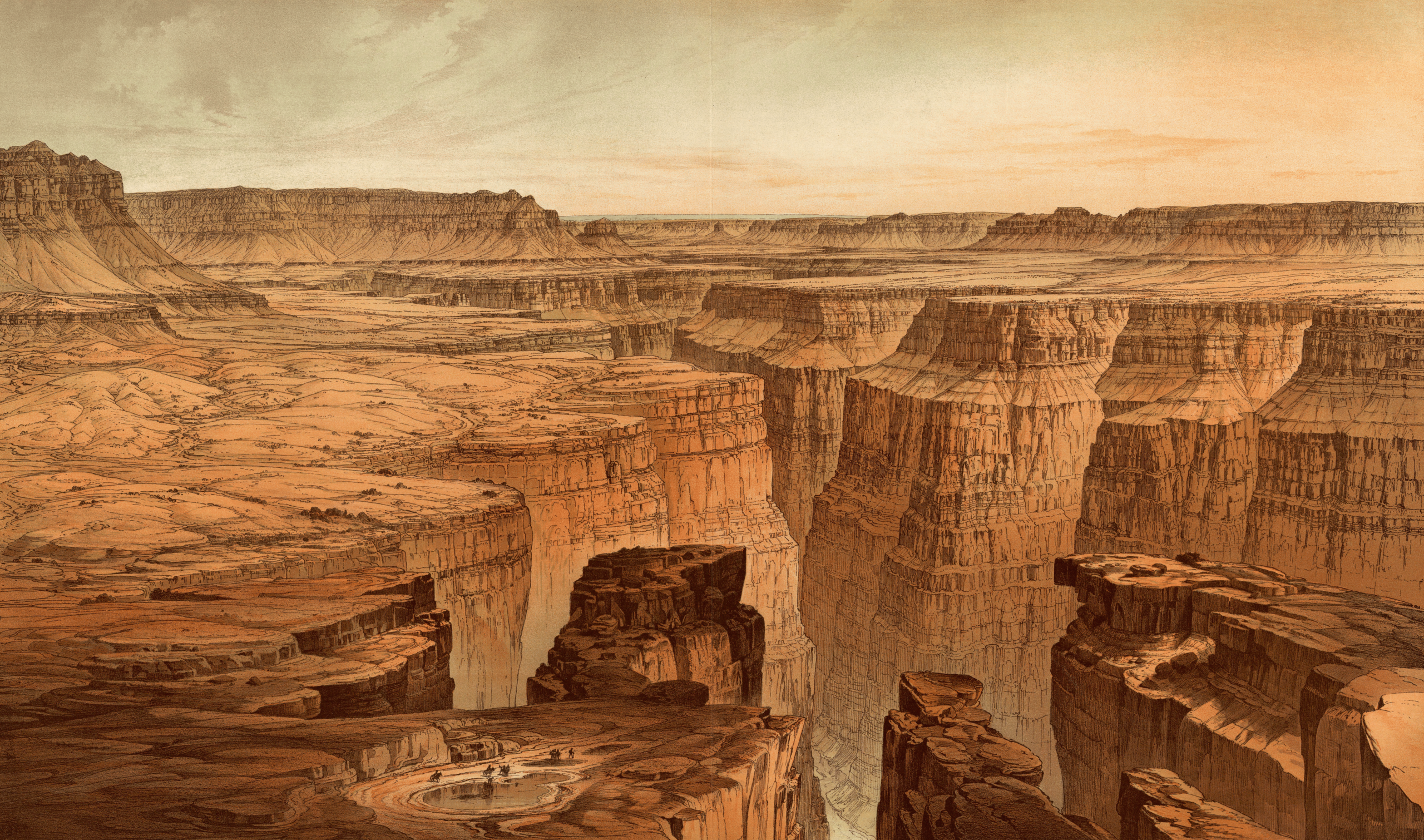
The Grand Canyon is one of nature’s most spectacular formations. Scientists believe that millions of years ago this area was created by movement under the Earth’s surface. When the area moved, the Colorado River and its tributaries started flowing and cutting through the layers of rock. As the river continued to move and flow, it eroded the rock, and deep gorges formed. Rain and strong winds caused the gorges to deepen. Some are as much as 5,000 feet deep.
The canyon is made up of many brightly colored cliffs, valleys, hills, and plateaus. The different colors on the rock walls mark different time periods in history. The layers at the bottom of the canyon could have been formed over one billion years ago. The plant and animal zones vary according to their depth in the canyon. The arid zone located closest to the river supports cacti, just like the desert. The zone at the top of the rim supports forests.
To protect the varied ecosystems and awesome beauty of the canyon, the United States designated the area as a National Park in 1919, and UNESCO added it to the list of World Heritage Sites in 1979. Tourists come to western Arizona year-around to visit the canyon. There, it is possible to hike the trails or ride a mule. Visitors also enjoy rafting, bird watching, fishing, horseback riding, and numerous other opportunities the park provides for tourists to view the beauty of the canyon and to observe the varied wildlife of this unique natural treasure.