The New Winter Sport
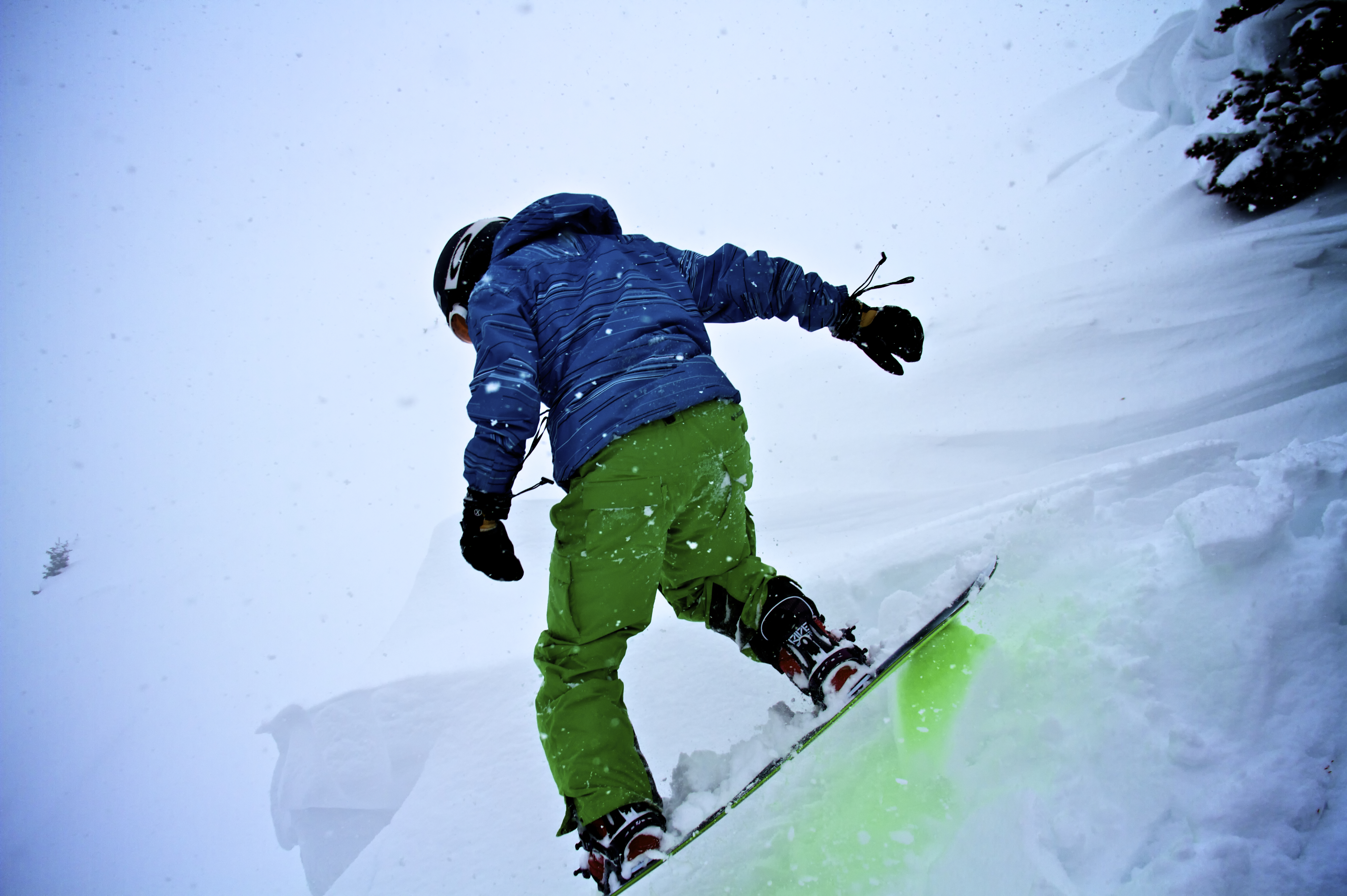
Snowboarding is a relatively new winter sport. Invented approximately forty years ago, it combines the skills and equipment of surfing and skateboarding but is practiced on ski slopes. Skiers and snowboarders often clash because some think snowboarding is a less technical sport than skiing, while others think skiing is not as fun and exciting. Snowboarders wear boots strapped horizontally to a wide, wooden board, similar to the skateboard, which they ride downhill through the snow. While most snowboarders ride on ski slopes, there are four styles of snowboarding: freeride, freestyle, alpine, and backcountry. Freeriders are like surfers in that they ride whatever conditions the mountains offer. They do not focus on tricks or racing. Freestylers practice tricks with their boards on the ground and in the air. This type of snowboarding is influenced by skateboarding and is the most popular style of the sport.
Snowboarding became an Olympic sport in 1998. In the Olympics, men and women compete separately in three categories: halfpipe, parallel giant slalom, and snowboard cross. In the halfpipe competition, snowboarders ride on a U-shaped structure. The athletes ride the pipe to gather speed and then perform acrobatic twists and flips in the air. In the slalom, two snowboarders race each other through tracks. The racer with the quickest speed wins. The snowboard cross is the newest event. In this competition, four snowboarders race one another through an obstacle course. Judges watch the snowboarders and rate their tricks based on the difficulty of the moves, how high they jump, and how they perform overall. The snowboarder with the highest score winds. From its humble beginnings, snowboarding has gained immense popularity as the new exciting, challenging winter sport.