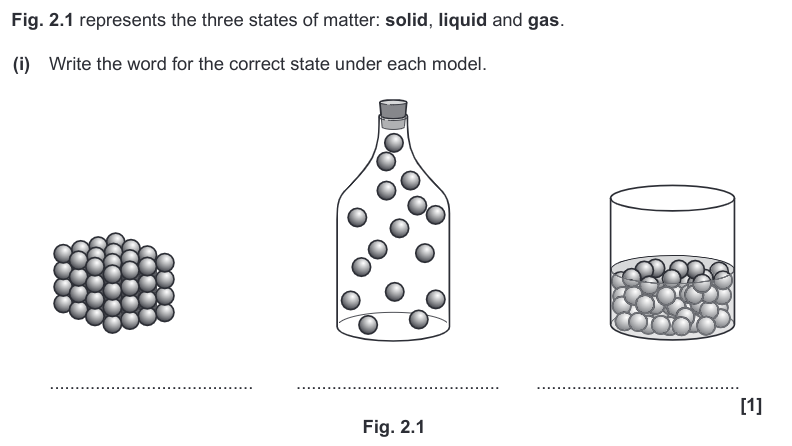
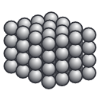
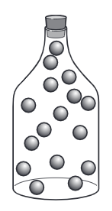
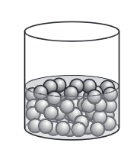
Solid
liquid
gas
Solid
liquid
gas
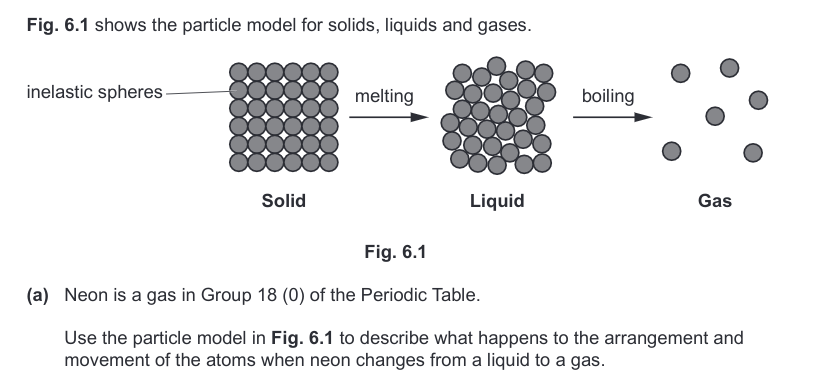
rrangement) Particles become further apart / more space between particles in a gas / no longer in contact with each other / move over a larger space (Movement) Move faster / more kinetic energy
Close together
further apart
vibrate in place
move most slowly
move most rapidly
most energy
least energy
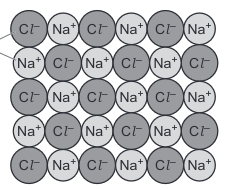
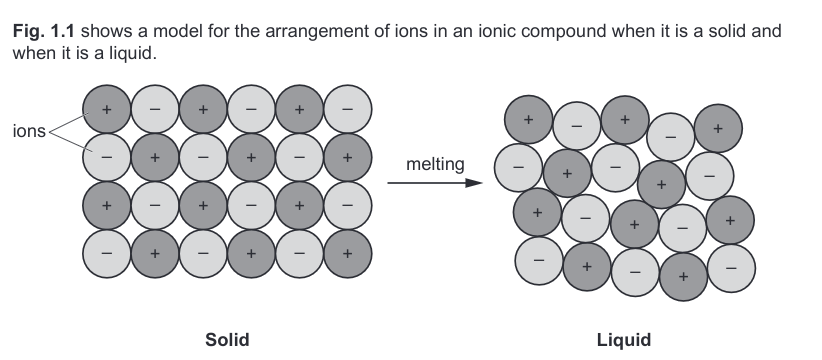
regular arrangement
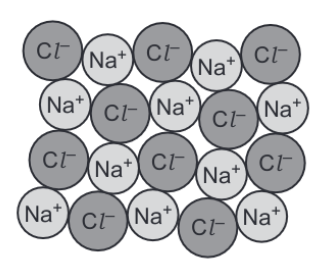
irregular arrangement
Solid
liquid
gas
Match the description to the state
Note some descriptions describe more than one state.
has a fixed shape
takes the shape of the bottom of a the container
takes the shape of the container
can flow
can be compressed
diffusion is most rapid
in-compressible
diffusion is slowest
Solid
liquid
gas
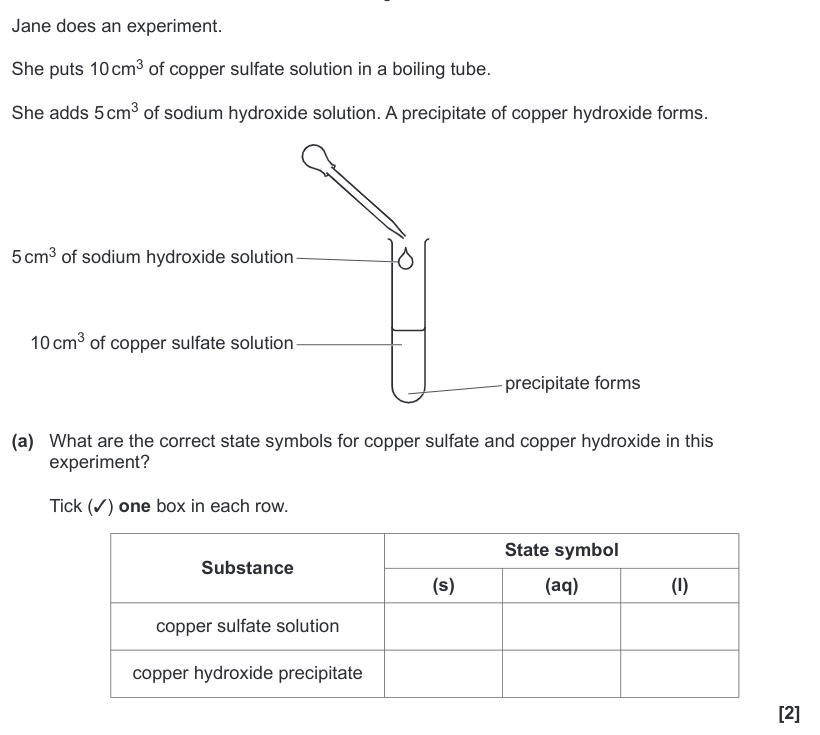
Note (aq) means dissolved in water.
Independent variable =
Dependent variable =
Control variable =
| Draggable item | arrow_right_alt | Corresponding Item |
|---|---|---|
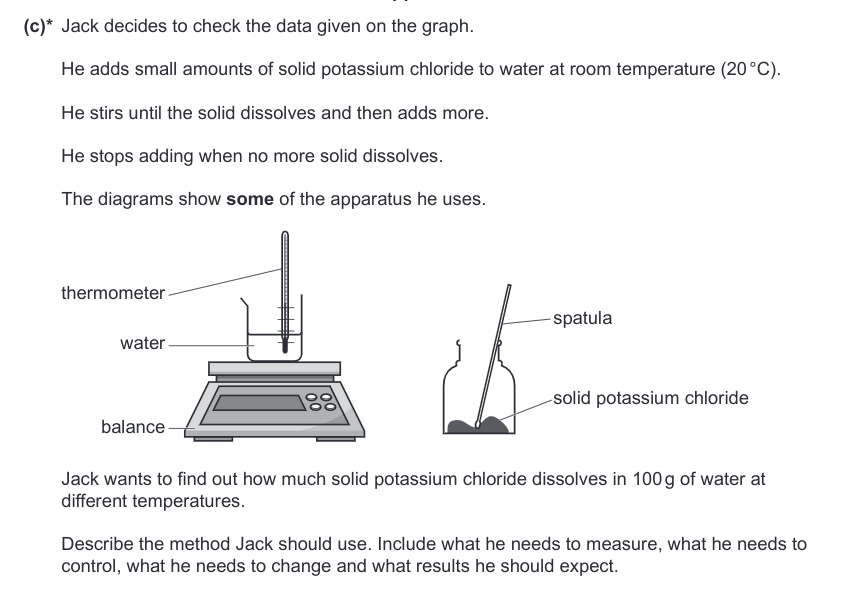
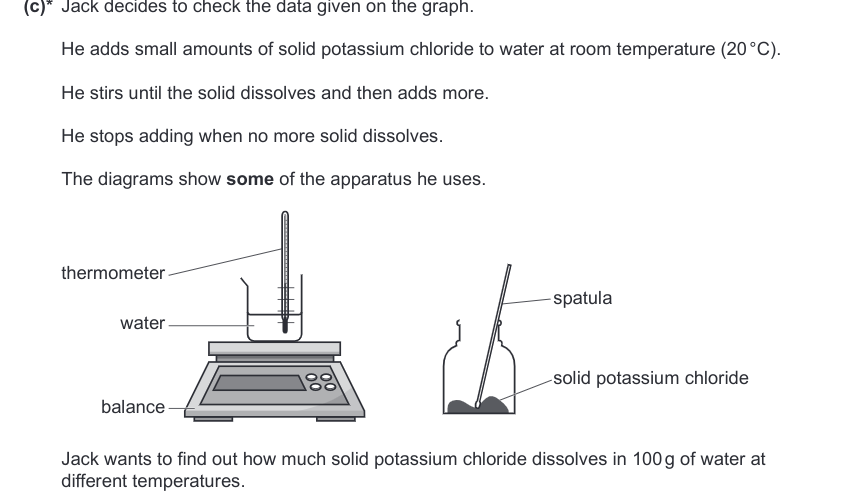
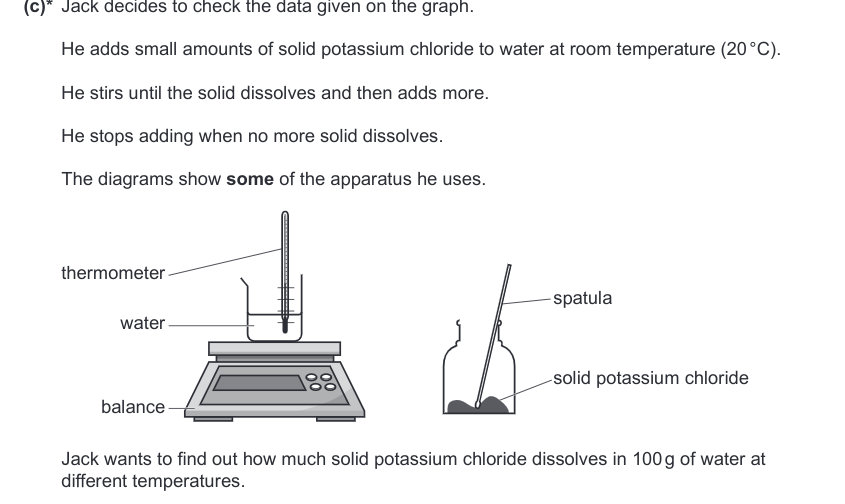
add potassium chloride | arrow_right_alt | mass balance |
measure mass | arrow_right_alt | thermometer |
measure 100 cm3 of water | arrow_right_alt | spatula |
measure temperature | arrow_right_alt | measuring cylinder |
Measure the mass of the water and beaker with a mass balance
Measure the mass of the salt solution with a mass balance
First Measure 100 cm3 of water using a measuring cylinder
Add potassium chloride until no more will dissolve
Add the water to the beaker
Calculate the mass of salt using mass of salt water in beaker - mass of water in beaker
Finally Repeat the experiment using different temperatures of water.
Measure the temperature of the water with a thermometer
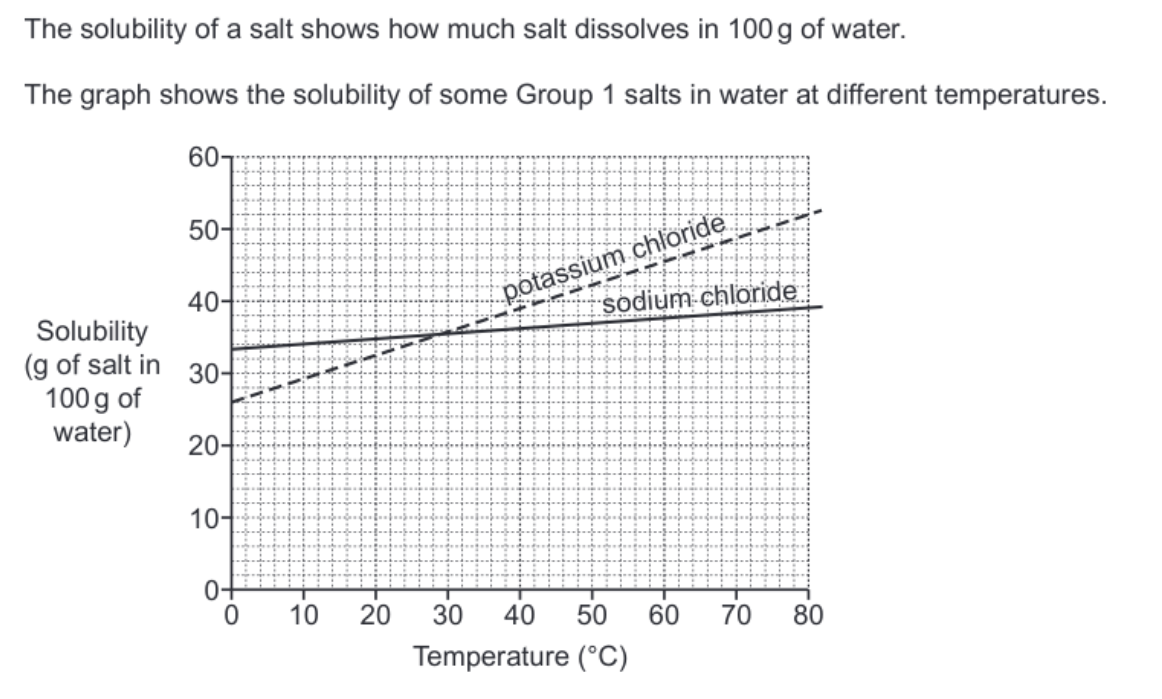
Mass of KCl that dissolves in 100g of water at 0oC =
Mass of NaCl that dissolves in 100g of water at 0oC =
Temperature at which the solubility of NaCl and KCl are equal =
As the temperature increases the solubility of KCl
As the temperature increases the solubility of NaCl
At 10oC the solubility of NaCl is
Magnesium oxide (MgO)
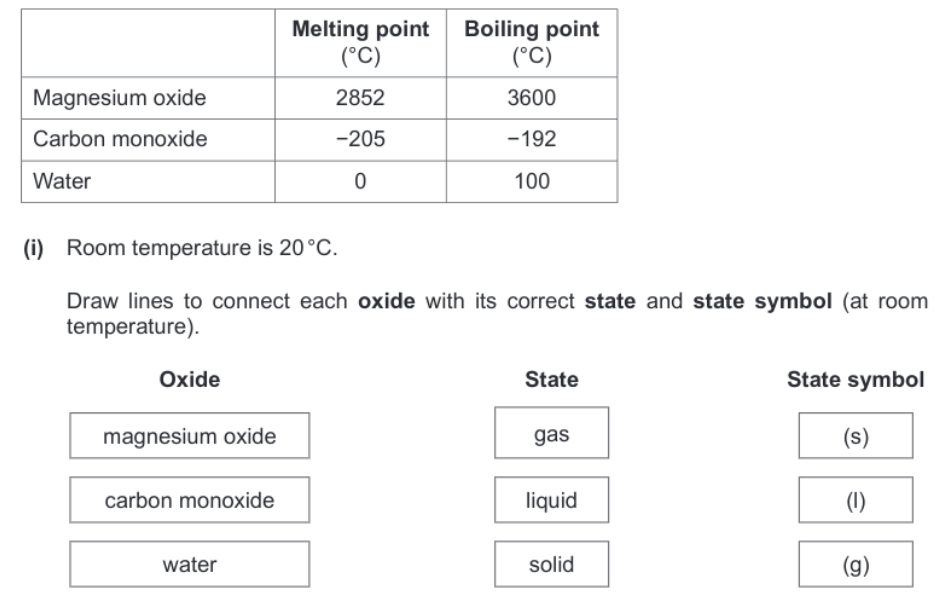
Carbon monoxide (CO)
Water (H2O)