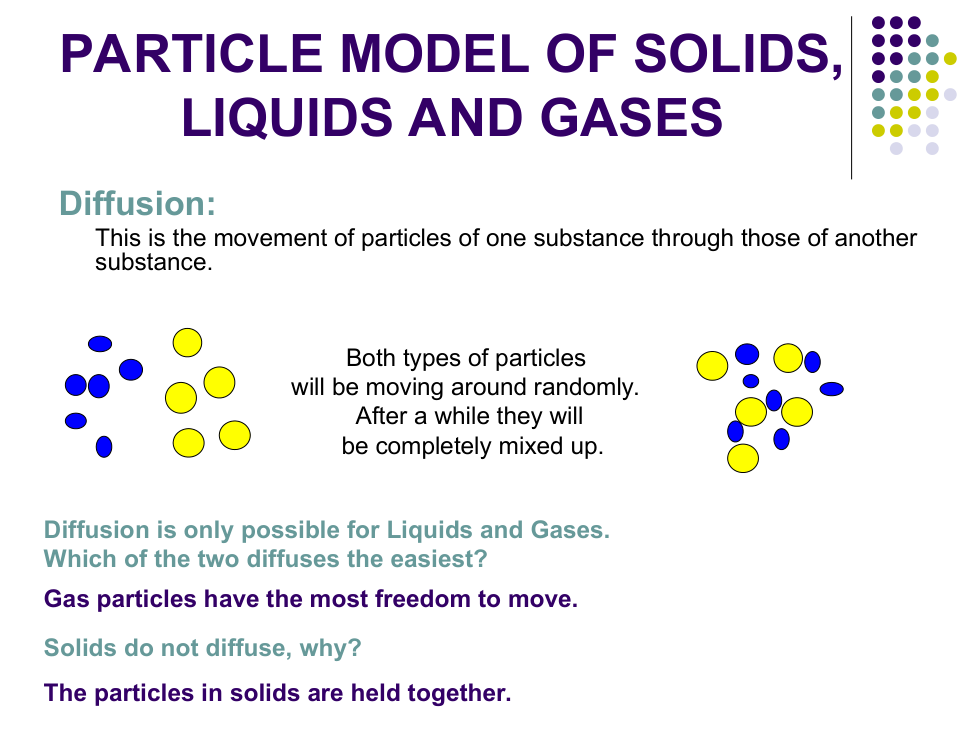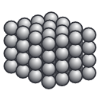
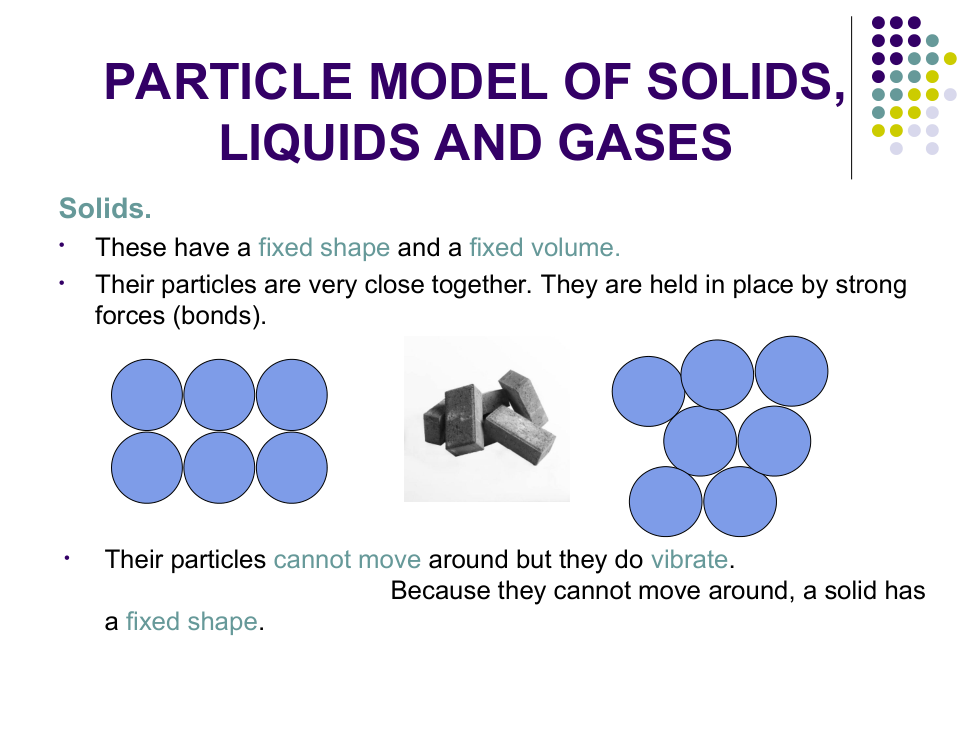
Solids have a shape and a volume as the particles as only .
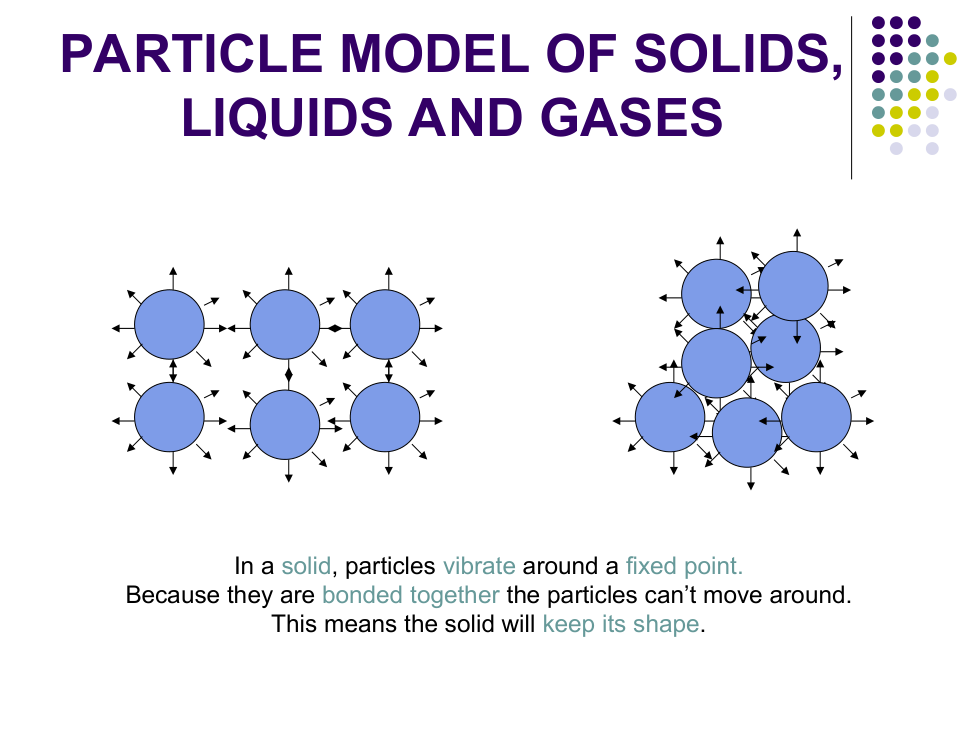
In a solid the particles are together so the solid will have a shape as the particles can only
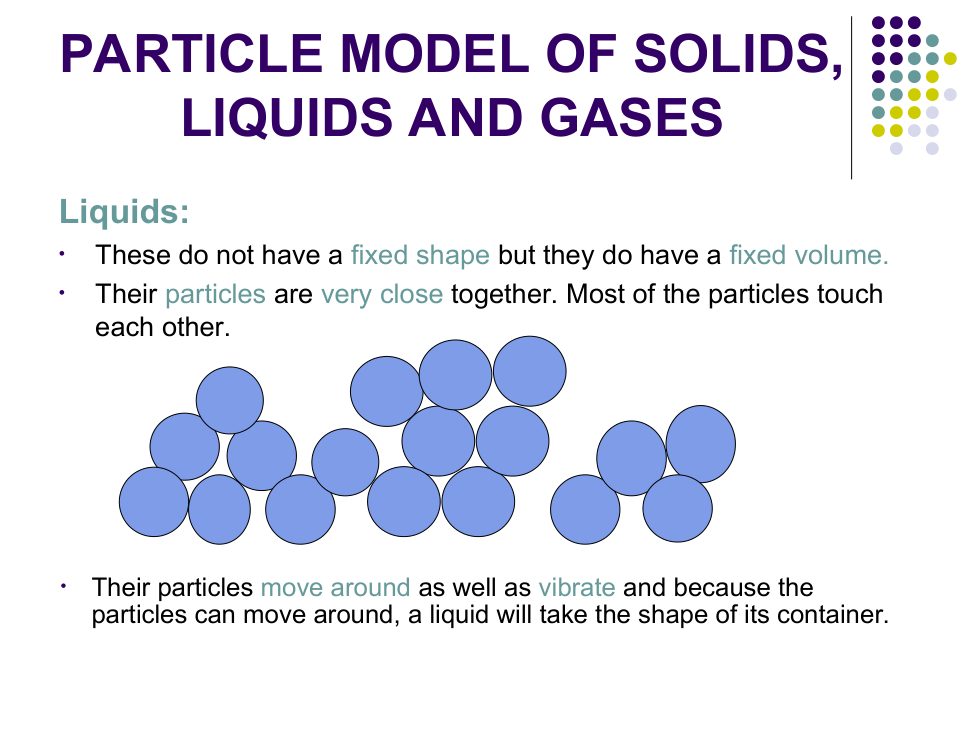
Liquids have a volume but they do not have a shape as the particles are able to .
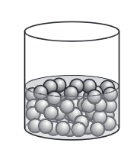
The liquid will take the shape of the of the container.
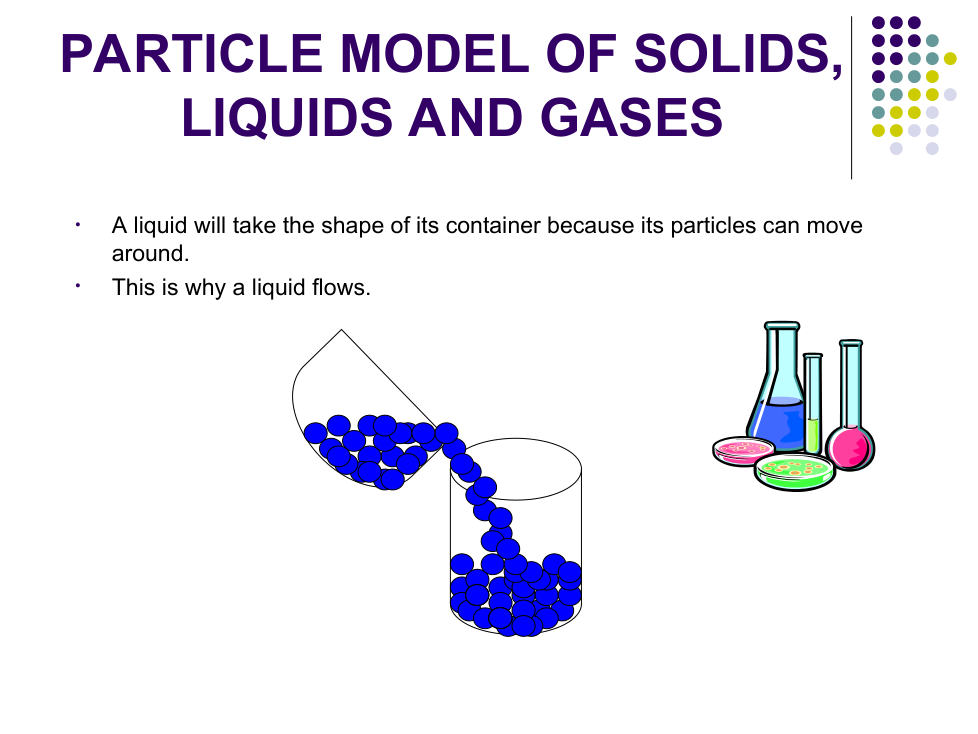
The particles in a liquid can move past each other so the liquid can .
The particles in a solid can not flow so the solid does not take the shape of the of the container.
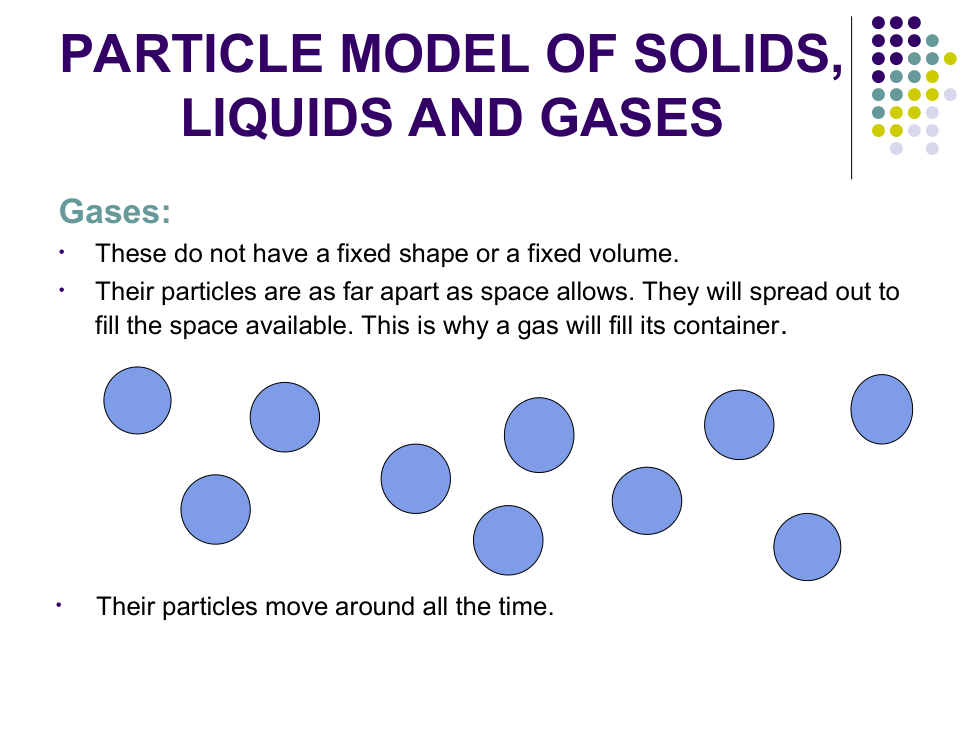
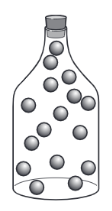
Gases do not have a fixed or volume.
Gases flow and out to fill the entire container.
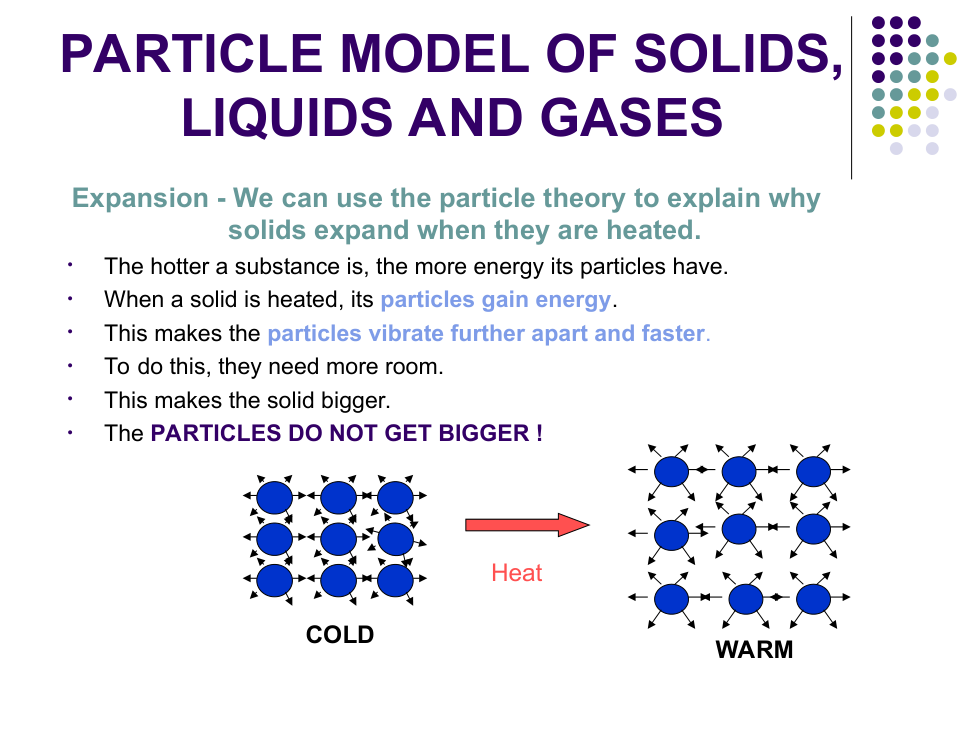
During expansion the particles expand.
During expansion the substance get bigger.
During expansion the particles vibrate more and they occupy more space so the spaces between the particles get bigger.
Fills container
Keeps shape
Fills base of container
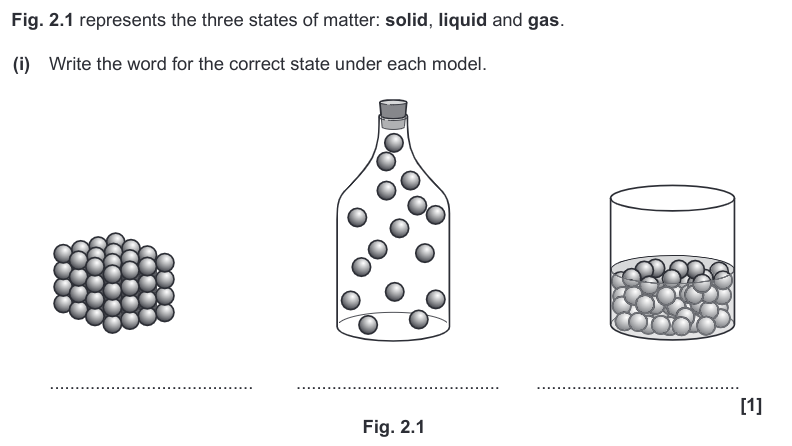
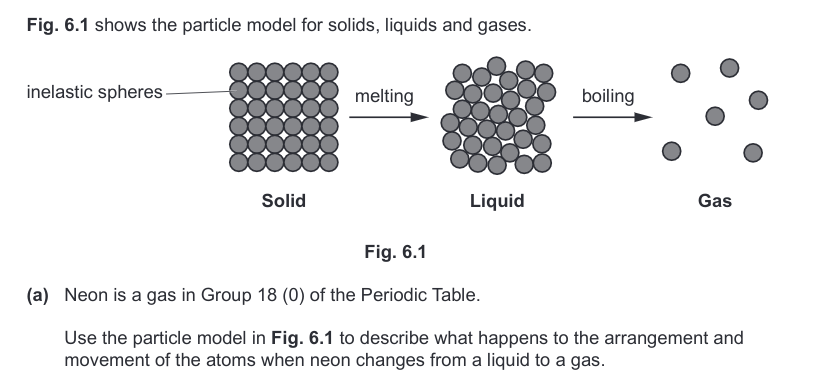
Solid
liquid
gas
Particles random and far apart
Particles random and close together
Particles ordered and close together
Solid
liquid
gas
Particles flow quickly
Particles flow less quickly
Particles vibrate in place
Solid
liquid
gas
Close together
further apart
vibrate in place
move most slowly
move most rapidly
most energy
regular arrangement
irregular arrangement
Solid
liquid
gas
Close together
further apart
regular arrangement
irregular arrangement
Solid
liquid
gas
vibrate in place
move most slowly
move most rapidly
Solid
liquid
gas
Match the description to the state
Note some descriptions describe more than one state.
has a fixed shape
takes the shape of the bottom of a the container
takes the shape of the container
Solid
liquid
gas
First say if the diagram shows a compound or element
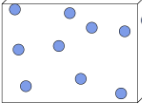
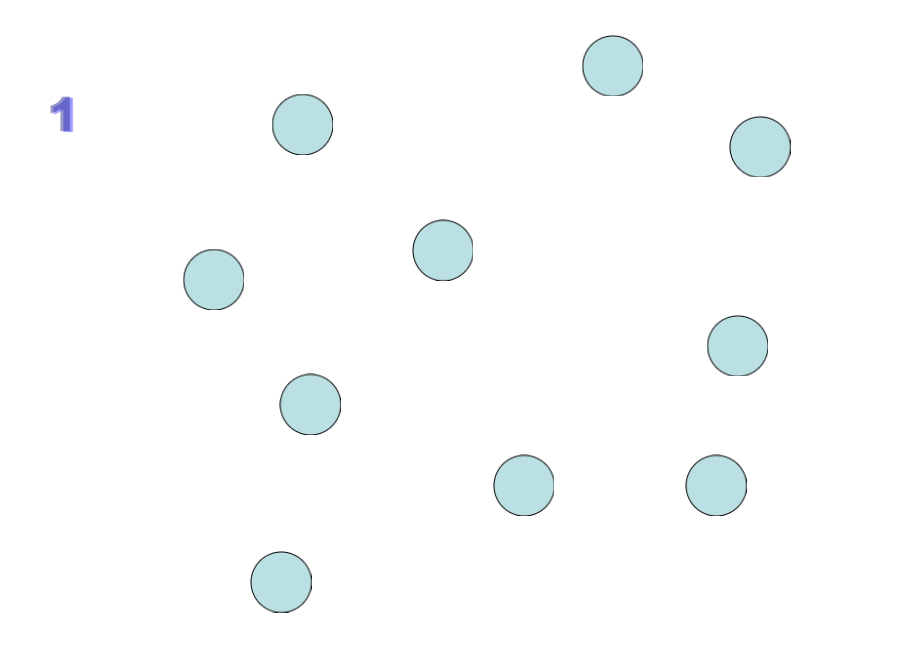
1 Shows a (monatomic)
First say if the diagram shows a compound or element
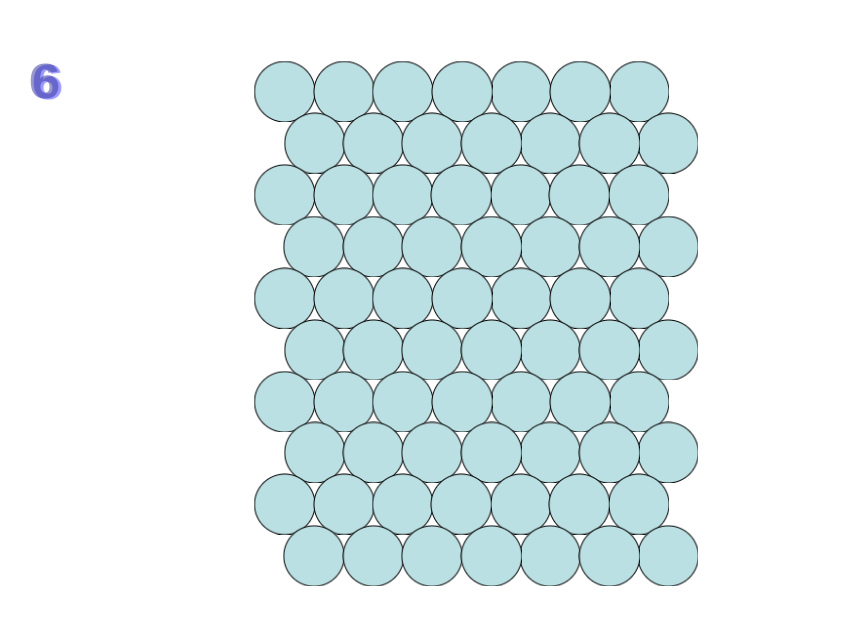
6 is an
6 shows a
First say if the diagram shows a compound or element
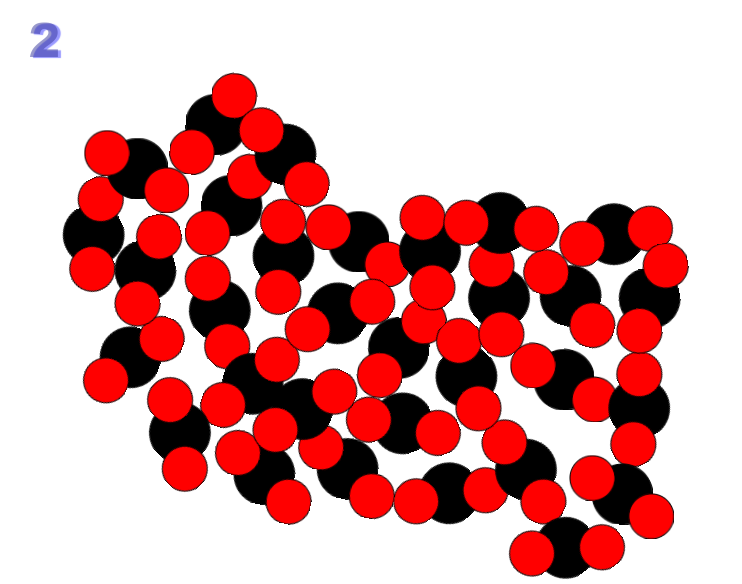
2. is a
2 shows a (should be just at the base of the container).
First say if the diagram shows a compound or element
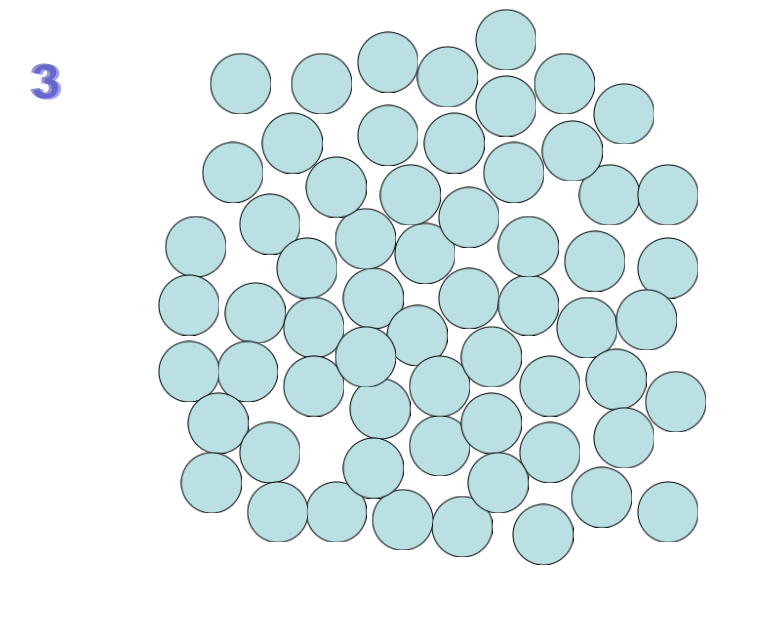
3. is an
3 shows a (monatomic)
First say if the diagram shows a compound or element
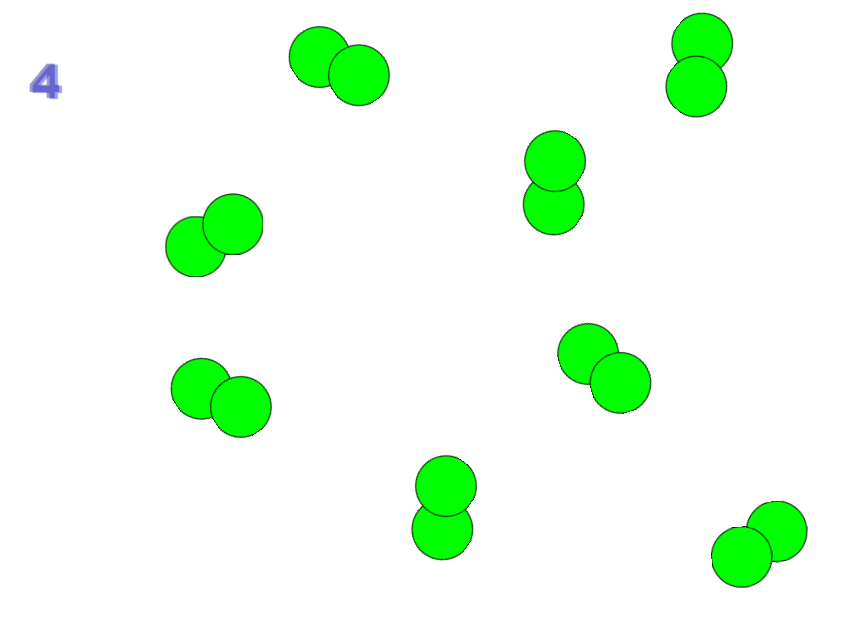
4 is an
4 shows a (diatomic)
First say if the diagram shows a compound or element
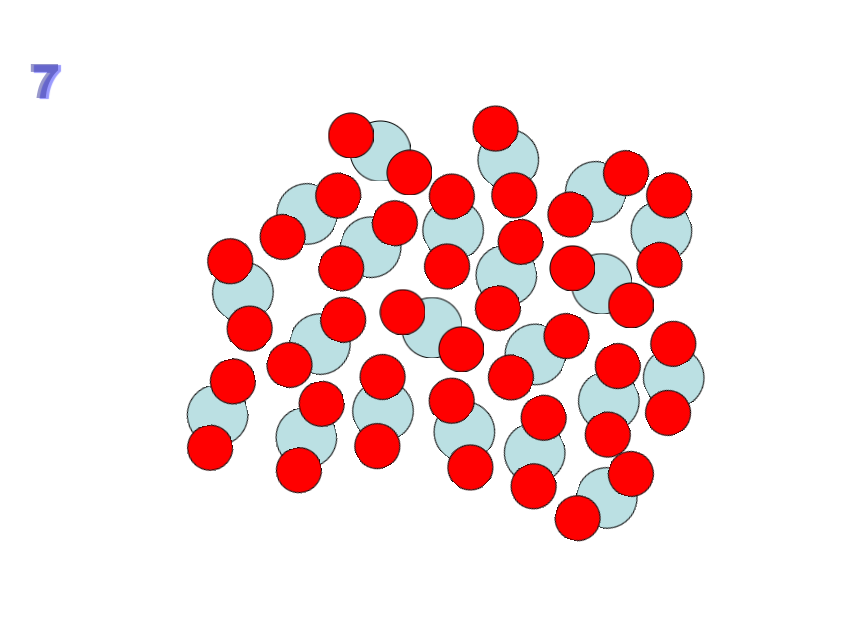
7 is an
7 shows a
First say if the diagram shows a compound or element
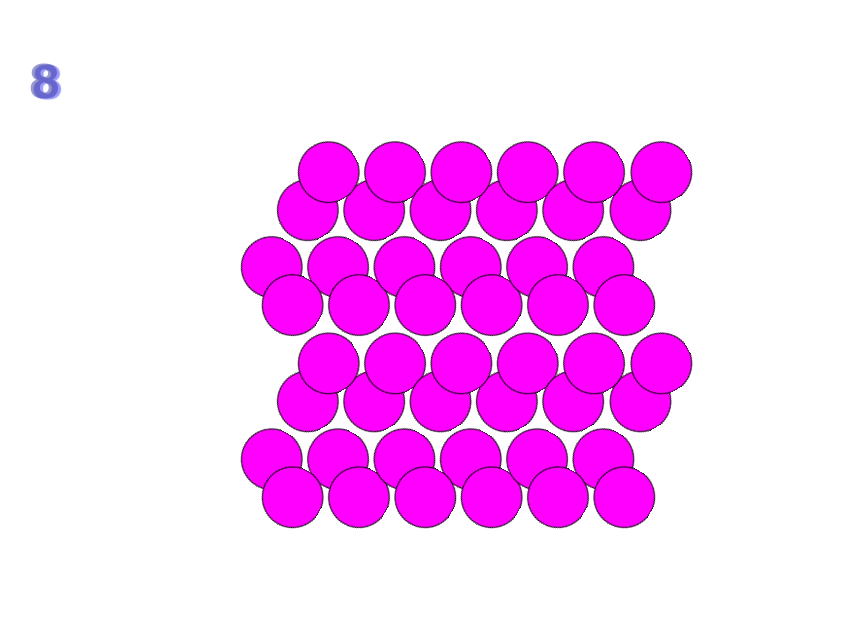
8 is an
8 shows a
First say if the diagram shows a compound or element
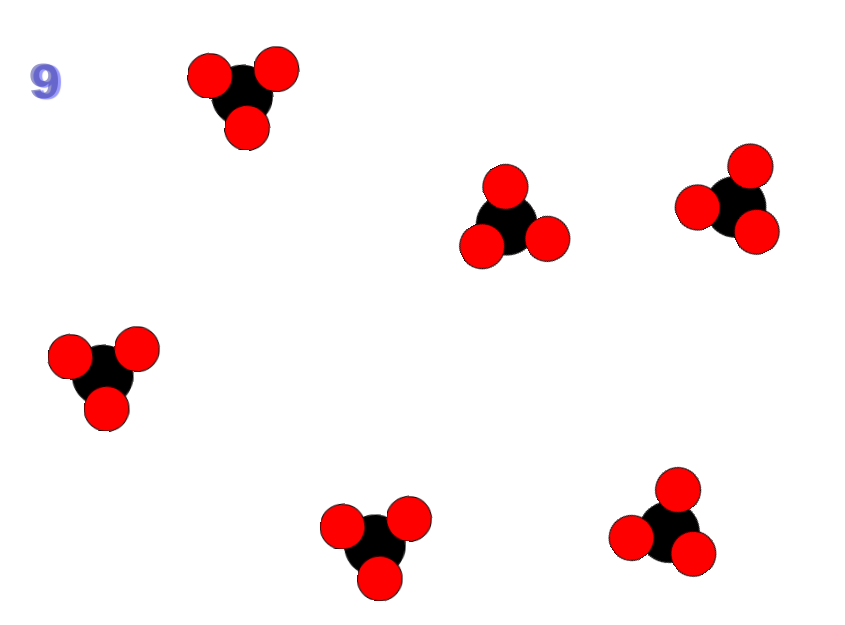
9 is an
8 shows a
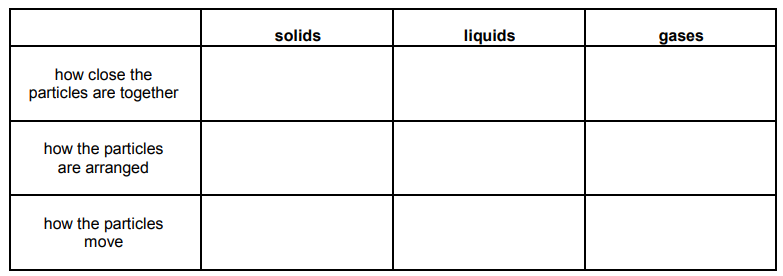
Copy and compete the table.
All three states of matter cannot be compressed
Liquids take the shape of the bottom of a container.
Liquids can be compressed
Liquids have a fixed shape
Solids can be compressed.
This is so easy!

Gases can flow
Some liquids are more dense than solids
Gases are more dense than liquids (for the same type of particle)
Liquids can flow.
The volume of a gas can be changed.
Solids take the shape of the container they are in.
Gases cannot be compressed
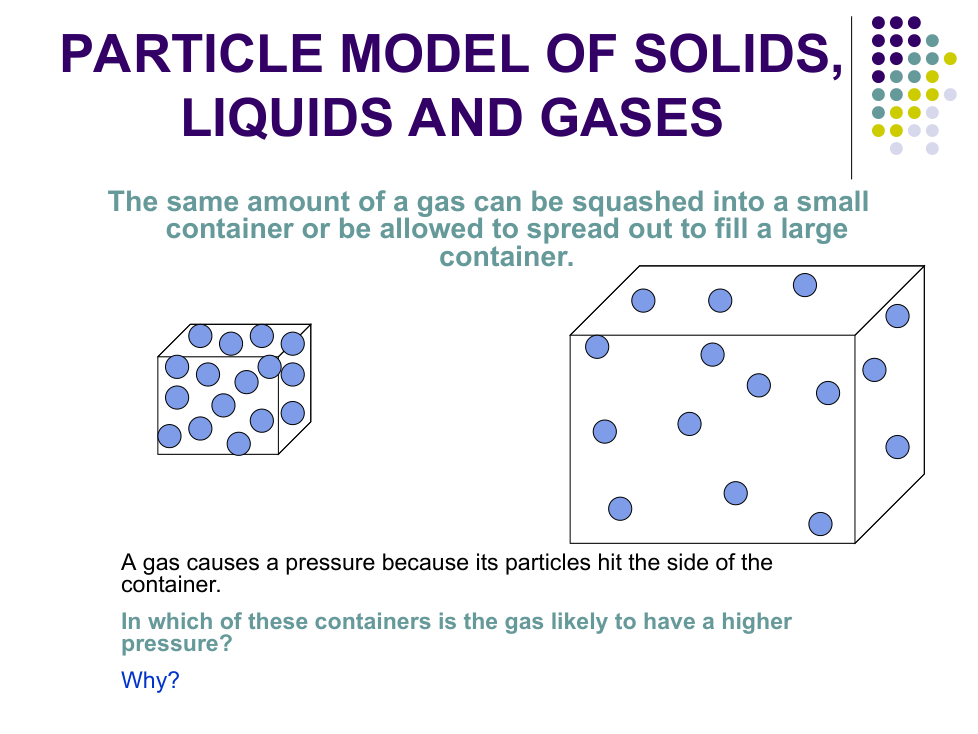
The first box will have a pressure as the number of particles in both are the but the particles in the smaller box will collide more with sides and will therefore exert a greater pressure.
The gas has as the spaces between the particles has . Note the particles themselves have changed size.
Particles are together so cannot be put closer together
Particles can around
Particles can around
Particles cannot around
There are big between the particles which can be pushed together
Particles are so cannot be pushed together