07: History and Culture

Last updated 5 months ago
28 questions
RC 26 "Knighthood"
Knighthood
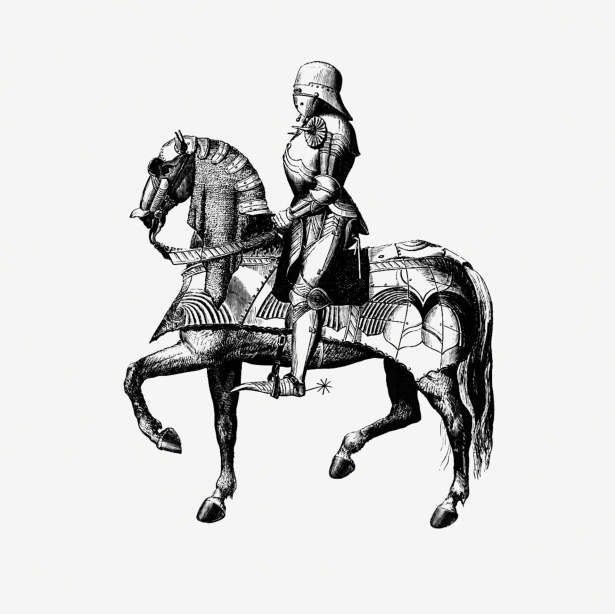
Medieval Europe was a turbulent place, dominated by disputes and battles over land, nobility, and honor. Soldiers on horseback fought with swords and wore protective armor and helmets. These warriors, called “knights,” owned land and pledged loyalty to a “lord” (a king, prince, or nobleman). Those to whom they pledged their loyalty would offer land and protection as long as these knights served in military duty against the enemies.
As landowners, these knights could not go away for extended periods of military duty since they had to take care of their land and families. Regardless, a nobleman needed soldiers to fight long wars. Because of these situations, a landowner’s son could fight in his father’s place. First, the son had to prove that he could use a sword and ride horseback. To practice these skills, young men participated in tournaments in which they fought against each other. After proving his skill, a young man would kneel in front of his nobleman. The nobleman would touch the man on the shoulder with his sword and say, “I dub thee Sir . . . [whatever the man’s name was].” By this, a young man would become a knight.
Later, a more complicated system for knighthood developed. At age seven or eight, a free landowner’s son would leave his family to become a page. A page lived in a nobleman’s castle to learn how knights became brave warriors. When the boy became a teenager, he would become a squire. A squire was a knight’s servant; he helped prepare a knight for battle by riding with him and carrying his equipment. If a squire was brave and faithful, he would be knighted.
When a man was knighted, he agreed to follow certain rules, called codes of chivalry. These codes included being courteous and helpful to women. During times of war, such as the Holy Crusades, knights made vows of poverty and obedience. Since fighting styles and military needs have changed greatly, knighthood is now reserved as an honor granted in recognition of great accomplishments.
Required
1

Which quality would a successful medieval knight possess?

Required
1

Which of the following best states the author's purpose?

Required
1

As used in the passage, the word tournaments most nearly means

Required
1

Which of the following statements best describes the reason for the second paragraph?

Required
1

According to the third paragraph, how did a man become a knight?

Required
1

How did knights fight during medieval times?

RC 27 "The Battle for Land"
The Battle for Land
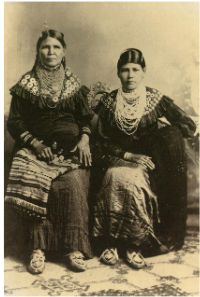
Before European settlers came to America, Native American tribes lived on the land, establishing their own customs, religions, and government. The Cherokee Nation lived in the eastern part of the country, around the Appalachian Mountains. They hunted, fished, and farmed in the states we now call Virginia, West Virginia, Kentucky, Tennessee, the Carolinas, Mississippi, and Georgia. More and more European settlers migrated to these regions of America during the 1700s and 1800s. These new settlers soon caused problems for the Native Americans
Because the Native Americans, also called Indians, did not do things the way the Europeans did, they were regarded as “savages.” President Thomas Jeffereson thought that the Indians should be “civilized,” or converted to Christianity and forced to follow European customs. The Native Americans built European style homes and farms, created a written language, and wrote a constitution, but many of the Europeans still did not want to cooperate with them. Since the Europeans wanted the Native Americans’ land, political leaders used the government to take it from the Indians.
The U.S. government recognized the Cherokee Nation as a nation with its own laws and customs, but the U.S. did not protect the Cherokees’ rights. The Indians battled the Supreme Court over the land, but they were forced to move. During the 1820s, 1830s, and 1840s, the U.S. government forced the Native Americans to move from their homes to areas hundreds of miles away. President Andrew Jackson and President Martin Van Buren used policies, such as the Indian Removal Act, to force the Cherokee Nation to give up its land east of the Mississippi River. The U.S. Army gathered the Indians, put them into internment camps, and forced them to move. Their journey to the Indian Territory was called the Trail of Tears because many Indians died from hunger, disease, and exhaustion. No wonder the Native American population and the rich cultures of various Native American nations were tragically affected.
Required
1

How does the author feel about the relocation of the Native Americans?

Required
1

Which of the following best states the author's purpose?

Required
1

Which of the following statements best describes the reason for the second paragraph?

Required
1

As used in the passage, the word internment most nearly means

Required
1

According to the passage, why was the Cherokee Nation forced to move?

RC 28 "Nobel's Intentions"
NOBEL’S INTENTIONS
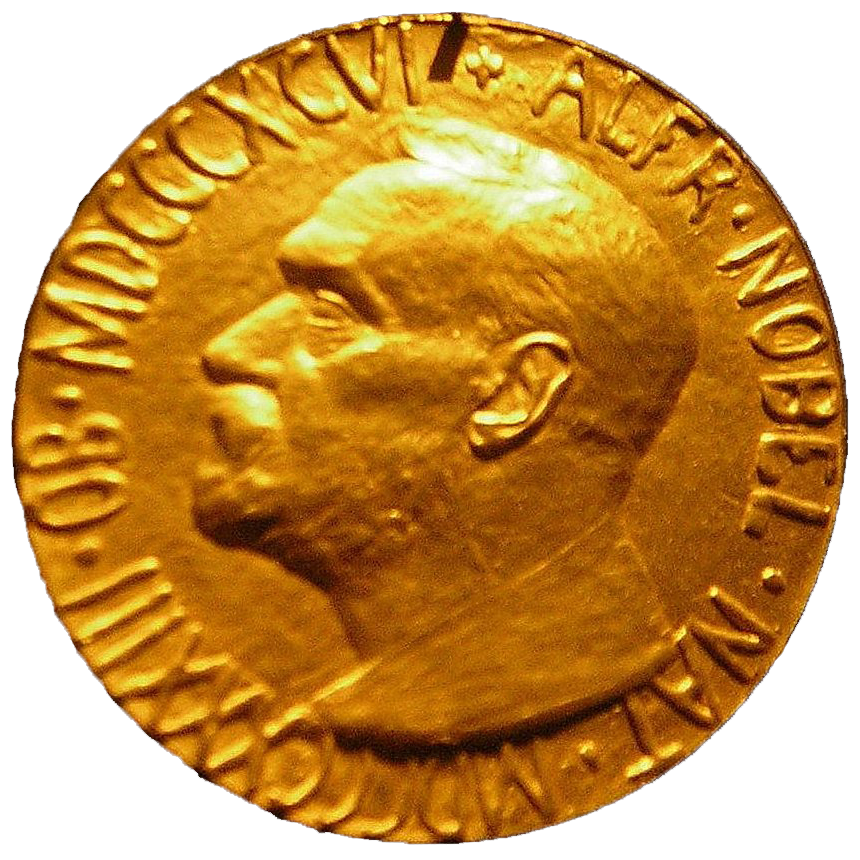
Winning the Nobel Prize is one of the greatest honors a person can earn for his or her work. Alfred Nobel established the Nobel Prize in 1895, through a fund in his will. Nobel was a Swedish chemist who invented dynamite for its beneficial purposes. When he saw people using dynamite for war, he was deeply saddened. He then decided to use his fortune to reward people who worked for peace and the good of mankind.
Individuals and organizations receive nominations for this award based on their contributions to society. Awards are presented in each of the following fields: economics, physics, chemistry, physiology or medicine, peace, and literature. Every year, between 100 and 250 nominees are chosen for each prize. Any living person, of any nationality, can be nominated for the Nobel Prize. However, only people within certain organizations are allowed to make nominations, and individuals may not nominate themselves. The Nobel institutions do not announce nominees, and then, the nominee records are sealed for fifty years.
Since 1901, 776 Nobel Prizes have been awarded. The award may be shared by up to three people or given to an organization. Some famous Nobel Prize winners include: President Theodore Roosevelt (1906), Martin Luther King, Jr. (1964), and Mother Teresa of Calcutta (1979).
The Nobel Prize award ceremony is held in the Stockholm Concert Hall in Sweden and the Oslo City Hall in Norway. The ceremonies take place every year on the anniversary of Alfred Nobel’s death: December 10th. Those who win the prize receive a gold medal, a diploma, and money. Today, the prize money amounts to approximately 1.3 million U.S. dollars per award. With this amount of money, many winners retire (if they have not done so already) or make donations to good causes. However, Alfred Nobel intended the money to be used as funding so the winner could continue his or her work and research for the benefit of society.
Required
1

Which one of the following statements is true?

Required
1

Which one of the following best states the author's purpose?

Required
1

As used in the passage, the word intended most nearly means

Required
1

Which of the following statements best describes the reason for the last paragraph?

Required
1

Which statement best describes the creation of the Nobel Prize?

RC 29 "Rites of Passage"
Rights of Passage
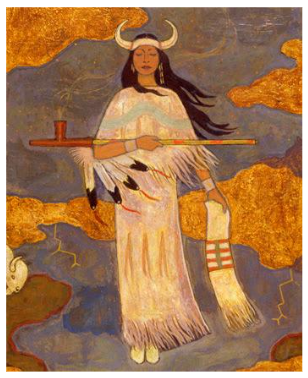
Imagine you are a ten-to-fourteen-year-old member of the Lakota Sioux. Upon speaking with the elders, you learn it is time for you to perform an important rite of passage: the vision quest. You must leave the tribe and venture into the woods alone for two to four days without clothing or food. After choosing an area that you feel is special, you must remain in a ten-foot circle and pray. During this time of fasting and meditation, you hope to receive a vision that will help guide you for the rest of your life. At the same time, you will also seek spiritual guidance from your god. Remain focused, however, because you might hallucinate from dehydration and hunger, or you may feel a strong urge to return home before you receive your vision. It is important to listen to all the elements of nature that surround you because they will provide the answer. After receiving your vision, choose an element, such as a rock or feather, to serve as a reminder, protection, or guidance. Finally, return to the tribe for an interpretation of your vision and a celebration of recognition.
The vision quest is just one example of how a culture can recognize the important transitions that individuals make throughout their lives. Other transitional experiences include birth, adolescence, graduation, marriage, child bearing, and death. Ceremonies are performed to help people prepare for new roles they will be facing in society. It is believed that rites of passage have three phrases: separation, limbo, and incorporation. During the separation phrase, the person withdraws from his or her group to relocate to another area. After separating from the group, the person is in limbo, a physical and psychological transition, before reentering his or her group. From there, the individual grows and matures, demonstrating his or her advanced abilities and responsibilities.
Required
1

It can be inferred that the vision quest is a rite of passage during what time in a person's life?

Required
1

As used in the passage, the word meditation most nearly means

Required
1

Which of the following statements best describes the reason for the second paragraph

Required
1

Which of the following would be a good title for this passage?

Required
1

What is the goal of going on a vision quest?

Required
1

Choose the answer that best describes the process of the vision quest.

RC 30 "The Incas"
The Incas
The Incas were an ancient tribe of people who lived in South America. By the sixteenth century, their empire of more than one million people stretched from Ecuador to chile. While the Incas conquered other tribes to expand their empire, the people who cooperated were treated well, and those who served as warriors for the Incas were greatly rewarded. Even though the Incas were an empire under one Inca, or ruler, each tribe was governed by its own group of elders. As the Incas conquered other territories, they educated each new territory’s ruling-class children, they spread their belief that cooperation and contribution promote survival. They thought everyone should work for the good of everyone else.
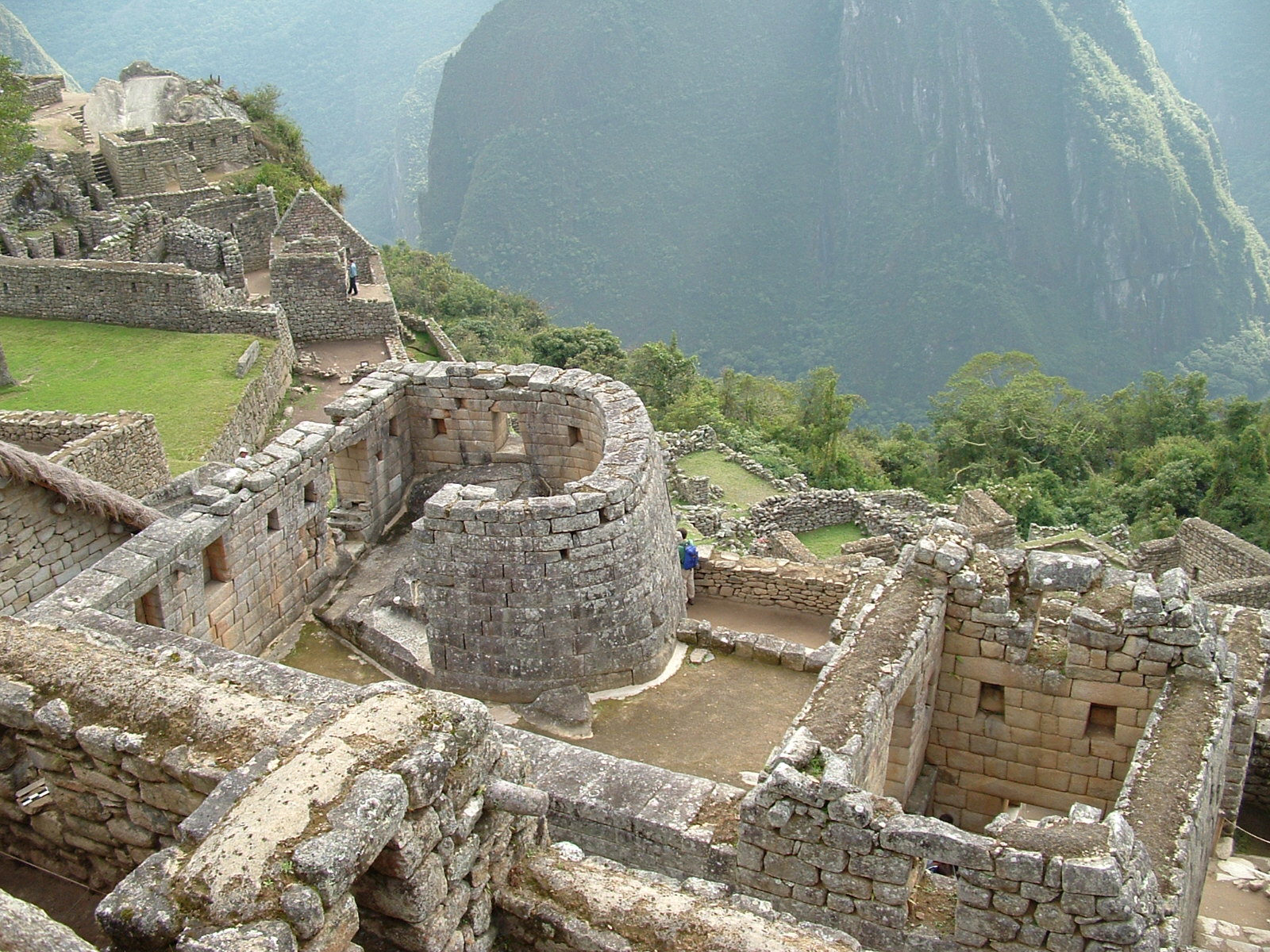
Because the Incas lived in the Andes Mountains, it was difficult to farm. The people, however, were able to carve sections of the mountains and cultivate corn and potatoes. They were also masterful engineers who created massive forts, roads through mountains, bridges, aqueducts, and earth-drawings. Much of their work still exists today in almost perfect condition. The Incas were also very advanced in medicine and surgery, able to perform surgery on the skull successfully, for example.
Although this group of ancient peoples was advanced, they were defeated in 1535 by the Spanish conquistadors, who were led by Juan Francisco Pizarro. Pizarro’s fierce army captured the emperor, Atahuallpa, and his family. The emperor offered Pizarro a ransom for his release, but Pizarro took the treasure and had Atahuallpa killed. Once the Inca and his family were destroyed, the empire fell quickly. Pizzaro’s army killed many of the Incas and stole vast amounts of gold, silver, and other treasures. The Incas were not able to survive against the conquistadors' foreign diseases, such as smallpox, and their advanced weapons. Unfortunately, the Incas were not the only native tribe that faced demise by foreigners. Many ancient cultures were ruined by the arrival of explorers from other parts of the world.
Required
1

Which of the following would be the best title for this passage?

Required
1

As used in the passage, the word demise most nearly means

Required
1

Which of the following statements best describes the reason for the last paragraph

Required
1

Which of the following best states the author's purpose?

Required
1

Which statement best describes the Incas?

Required
1

What idea can be inferred from the conclusion of the passage?