Welcome to Physics!! My name is Mrs. Lenfest and I will be your teacher this year. These formatives will form the backbone of your flipped classrooms, you will have one of these every week all year long.
Physics is the science of motion, so we are going to start at the beginning with some basic ways we can discuss motion - where something is, what direction it is moving, how fast it is moving.
It may be useful for you to keep notes when you are asked to watch a video or to read in your textbook. Pay special attention to vocab words and formulas. We won't be shying away from the math this year, but different students in the class will have different expectations in re: how much math you will be expected to do. For many of you, much of the math will be picking the right equation and learning to "plug and chug".
Match the vocab words and symbols mentioned in this video to their definitions
| Stavka koja se može prevući | arrow_right_alt | Odgovarajuća stavka |
|---|---|---|
distance | arrow_right_alt | Delta: change in |
| arrow_right_alt | the straight line distance between the initial and final point and the direction from the initial point to the final point | |
magnitude of displacement | arrow_right_alt | the total length of a path traveled without regard to direction |
| arrow_right_alt | equation for magnitude of displacement | |
displacement | arrow_right_alt | the number associated with a displacement as separate from the direction |
You should have noted a couple different equations. How comfortable are you with reading and understanding formulas?
He mentioned SI units, where SI stands for "système international", and that a SI unit we will use a lot is a meter. Which of the following do you think are SI units? (don't look this up, just gut-feeling it)
Juan is looking at google maps to get from one spot to another. there is a straight line path via the highway, and a backroads path that he is more comfortable with (he is a new driver and doesn't want to use the highways or frontage roads yet.) Which of the following statements are true (more than one can be true)?
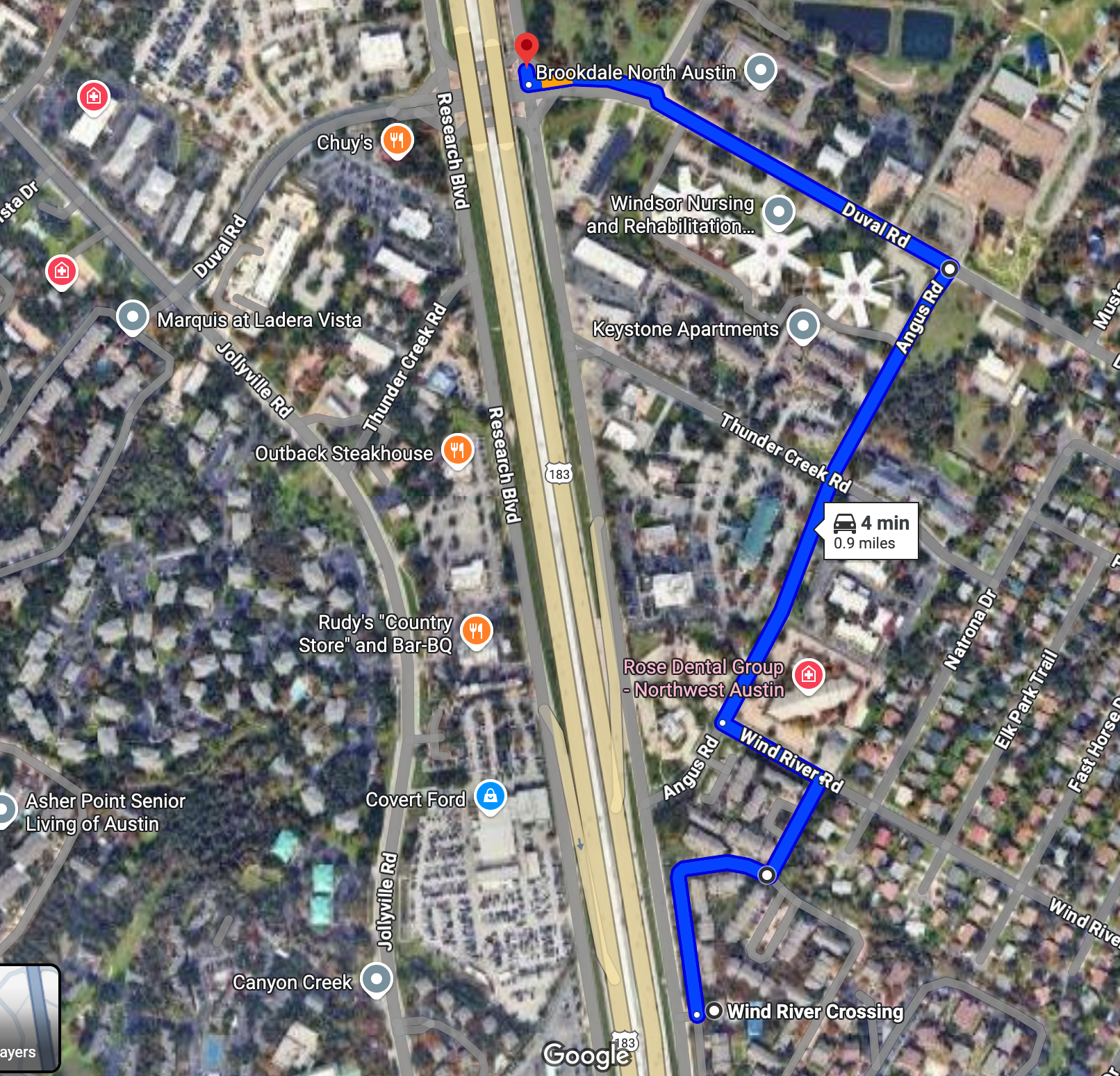
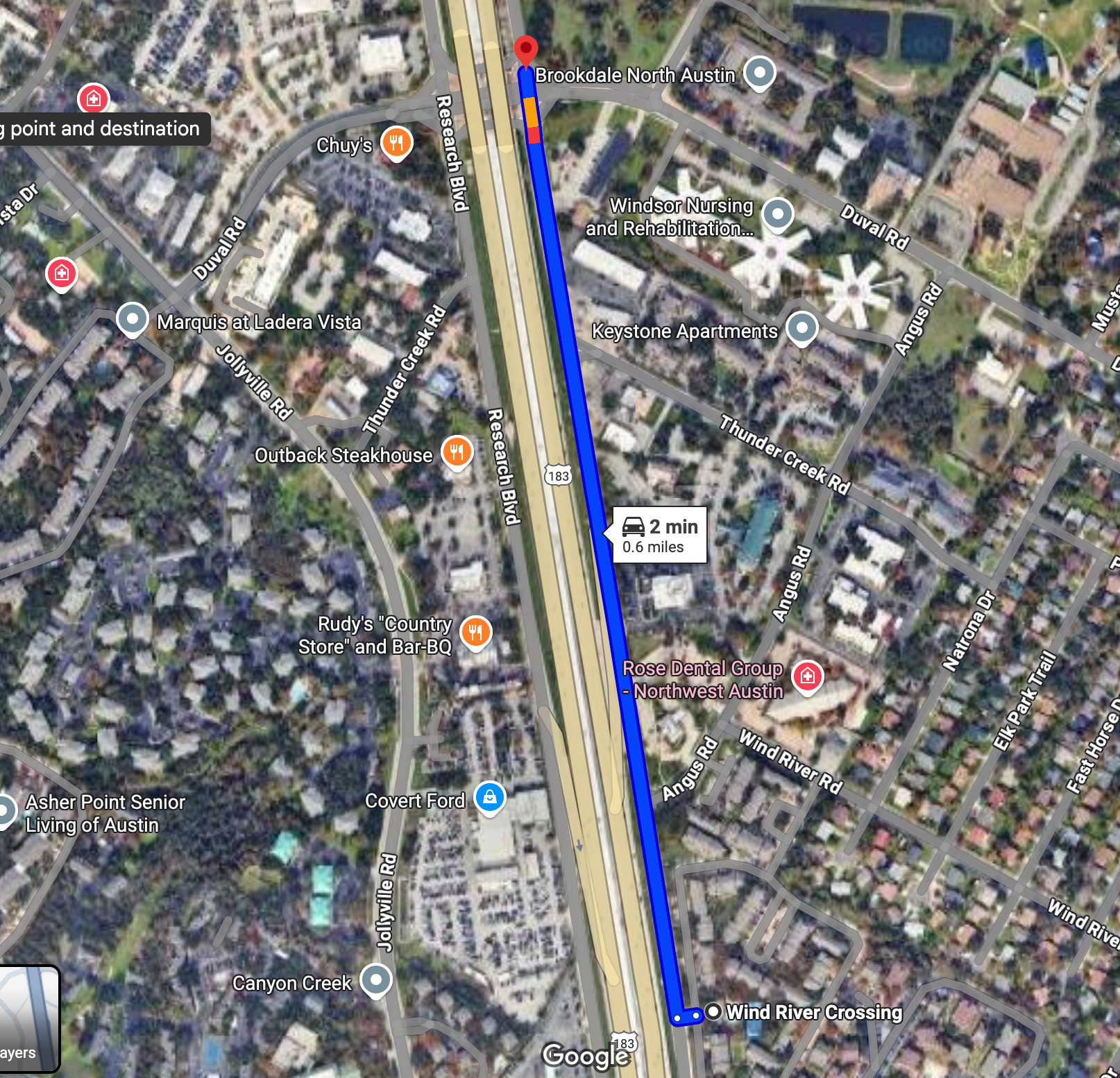
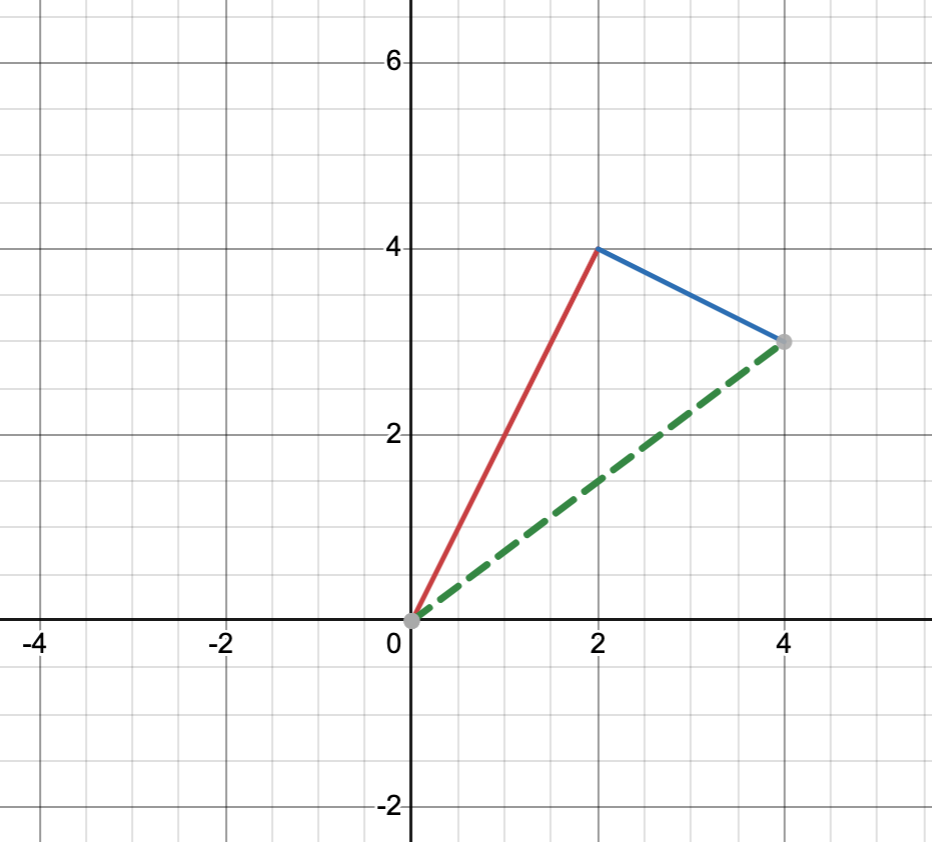
How would you describe the direction of the displacement of the frontage road path?
How would you describe the direction of the displacement of the back roads path?
For on-level students the math in this course should be confined to "plug and chug" problems. This means, determining the values required for a formula, and then plugging those values into the formula. The formula for speed is
What is the displacement for the above question?
Watch the following video. do you have any questions?
Match the vocab to their definitions
| Stavka koja se može prevući | arrow_right_alt | Odgovarajuća stavka |
|---|---|---|
instantaneous velocity | arrow_right_alt | total distance traveled divided by how long it took you |
average velocity | arrow_right_alt | how fast you are going at any particular instant |
average speed | arrow_right_alt | when your instantaneous speed doesn't change with time |
constant speed | arrow_right_alt | the change in position divided by the change in time |
constant velocity | arrow_right_alt | how fast you are going, and in what direction, you are moving at any particular time |
instantaneous speed | arrow_right_alt | when your instantaneous velocity doesn't change |
Honors students (on-level you can answer, but you don't have to): match the symbols, equations and concepts
| Stavka koja se može prevući | arrow_right_alt | Odgovarajuća stavka |
|---|---|---|
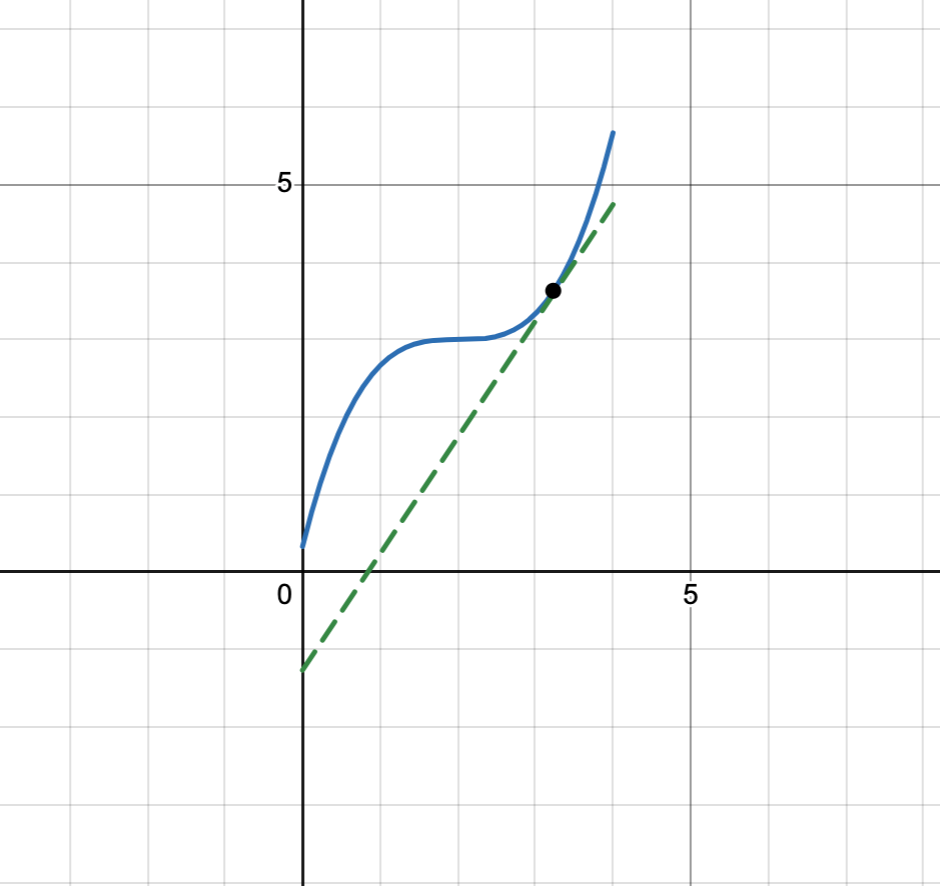
the slope of a line tangent to a position vs time graph | arrow_right_alt | displacement |
| arrow_right_alt | change in displacement over time = velocity | |
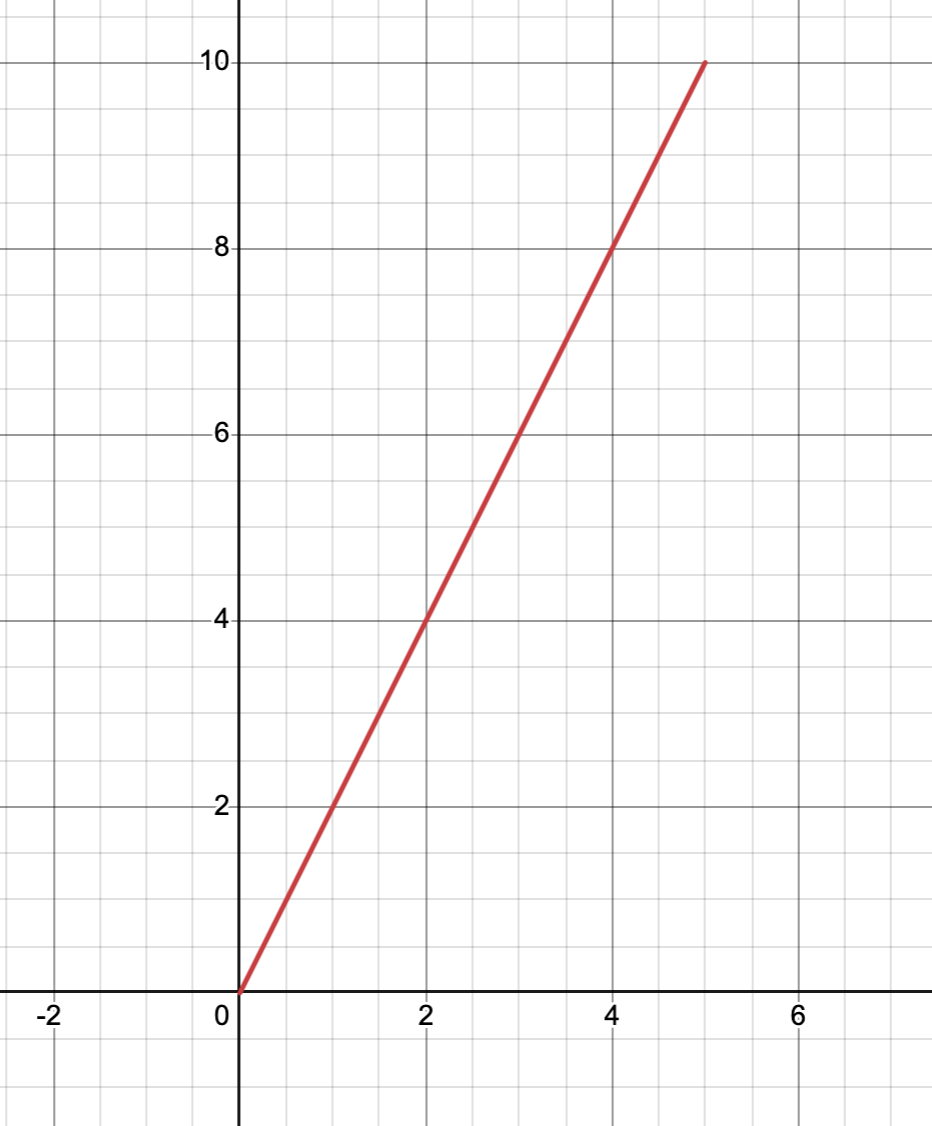
| arrow_right_alt | the constant velocity of the movement | |
the slope of a line on a position vs time graph | arrow_right_alt | The average velocity |
The slope of the line from beginning of the position time graph to end of the graph | arrow_right_alt | the instantaneous speed at the time |
| arrow_right_alt | average speed |
Explain how velocity is different than speed, and why velocity isn't always just speed with a direction.
remember that set of questions above about the man driving to Walmart? Using the equation for speed where
Notice that the above is the average speed. Assume that at one point the man had looked down and saw that he was speeding at around 100 miles/hr, realized he was about to pass a police car, and managed to slow down in time. The 100 miles/hr represented his
Distance and displacement are two words that have a similar relationship as speed and velocity. If you run a mile on a track, how far have you gone?
The man drove from his house to a store, and had a positive velocity. When he was going home from the store he had negative velocity. What do you understand the negative velocity to mean?
Honors Extension (you can answer if you are not honors, but you don't have to): the equation for acceleration is
considering what we have already seen for the equation for velocity and displacement, what are some things you can figure out about acceleration?
Consider each concept, and rate how you feel about it
The difference between distance and displacement
what does position mean
what the
how to calculate the displacement
the difference between speed and velocity
the difference between average speed, instantaneous speed and constant speed
how to read a position vs time graph
how to calculate velocity
why distance can never be smaller than displacement
why average speed can never be smaller than average velocity
I've got this
i'm fuzzy
so confused