Which of the following statements is TRUE about particles that are being heated?
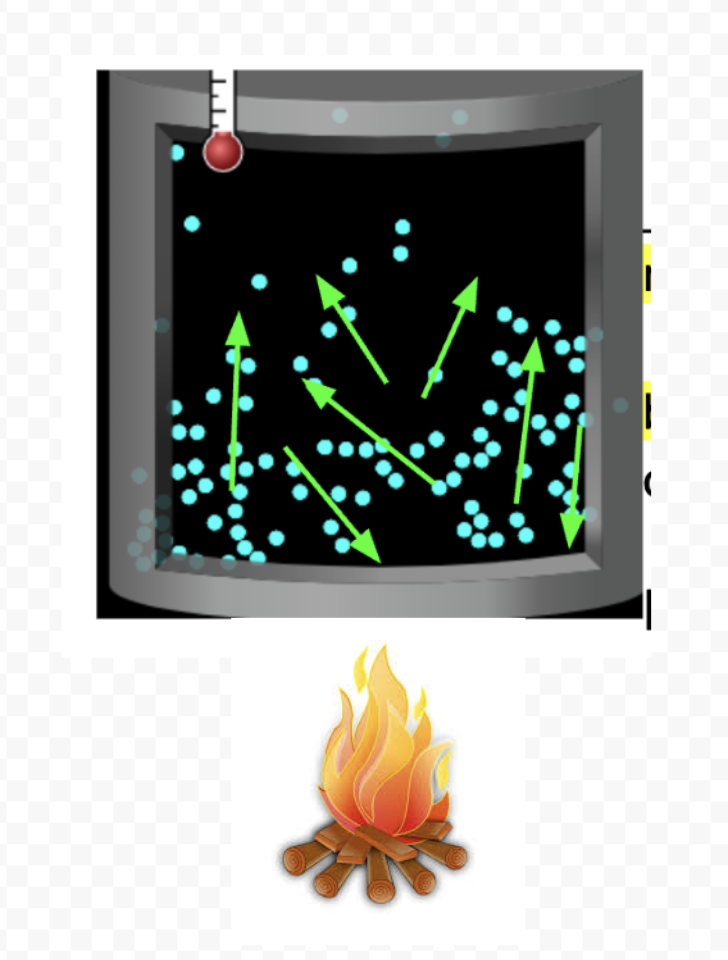
Which of the following statements is TRUE about particles that are being heated?
Which of the following statements is TRUE about particles that are being heated?
Which of the following would DECREASE the average kinetic energy of the particles that make up a bowl of soup?
Imagine you have a large pot water and a small pot of water. To start out, both pots of water have the same temperature, room temperature (20°C ). The larger one would take longer to boil. Why?
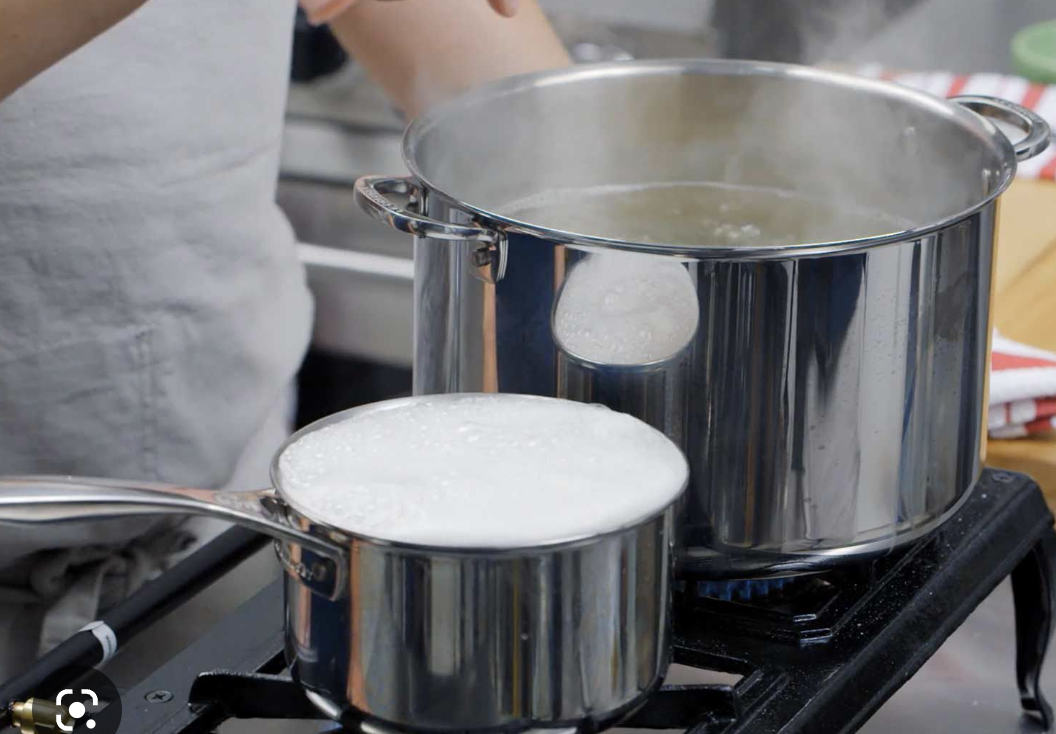
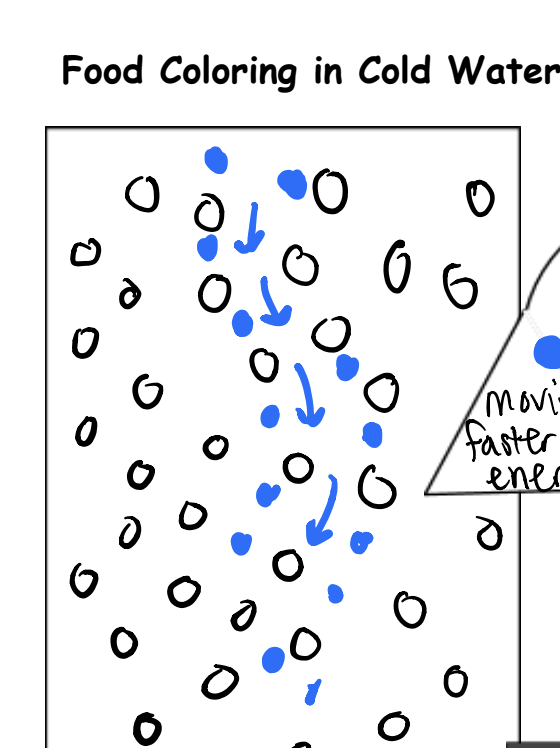
How do particles lose thermal energy? Think back to what happened to the tennis balls and the food coloring lab.
Which of the following accurately shows the direction(s) that heat will transfer in a glass of ice water?
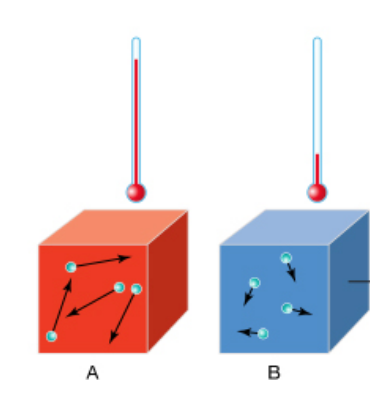
In the image above, which of the following is TRUE about substance A compared to substance B?
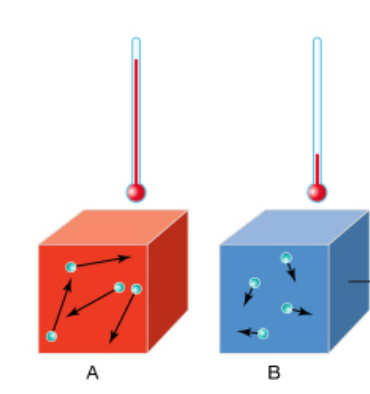
Which one of the following would occur if the molecules in substance A were to come into contact with the molecules in substance B?
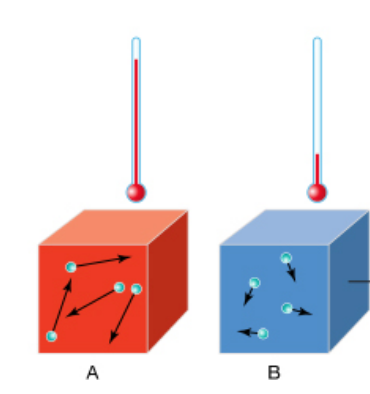
If you were to mix substance A and B together in one container and leave the container out in room temperature air (20°C ), eventually the temperature of the mixed substance would be....
Describe 2 changes that occur in molecules as they are being heated from solid, to a liquid, and finally to a gas. Explain why these changes occur.