If you need help with this assignment, please watch the class recording
Question 1
1.
Question 2
2.
Question 3
3.
Give an example of a scientific model.
Question 4
4.
Question 5
5.
Models are used in science to help us understand things that are
too small
too large
too complex
too difficult to observe or explain
Unforunately, I can't take you on a physical tour of the solar system, so we need to use models of the solar system to help us.
Required
0
Question 6
6.
Sometimes models are oversimplified, incomplete, or uncertain.
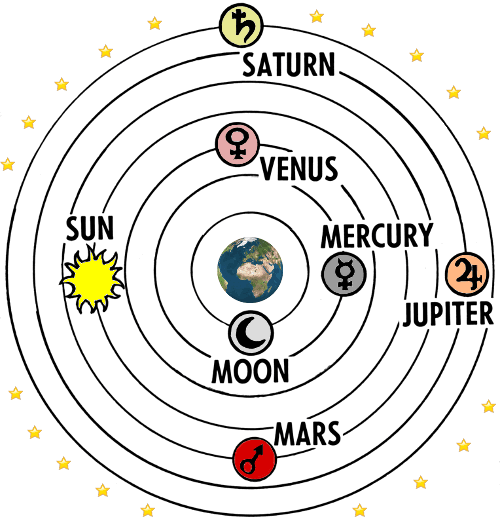
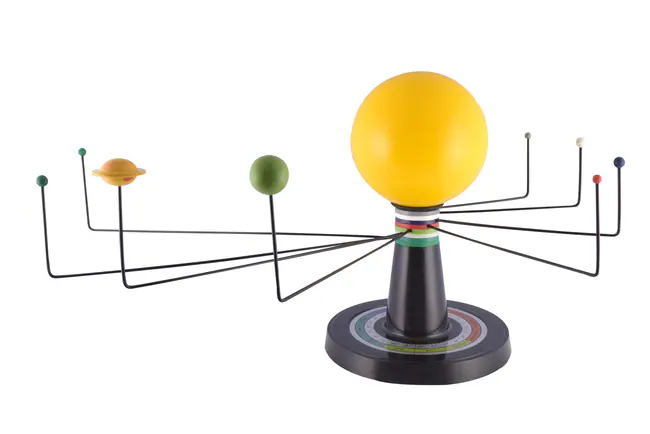
When we talk about models of the solar system, you might think of something like the image to the left.
How might this model lead us to form incorrect ideas about the solar system?
Question 7
7.
Use the interactive above or visit If the Moon Were Only One Pixel.
In a true-to-scale model like "If the Moon Were Only One Pixel," most of the solar system appears __________.
A common misleading impression from a typical model is that planets are __________ .
Models can change based on new observations and better explanations.
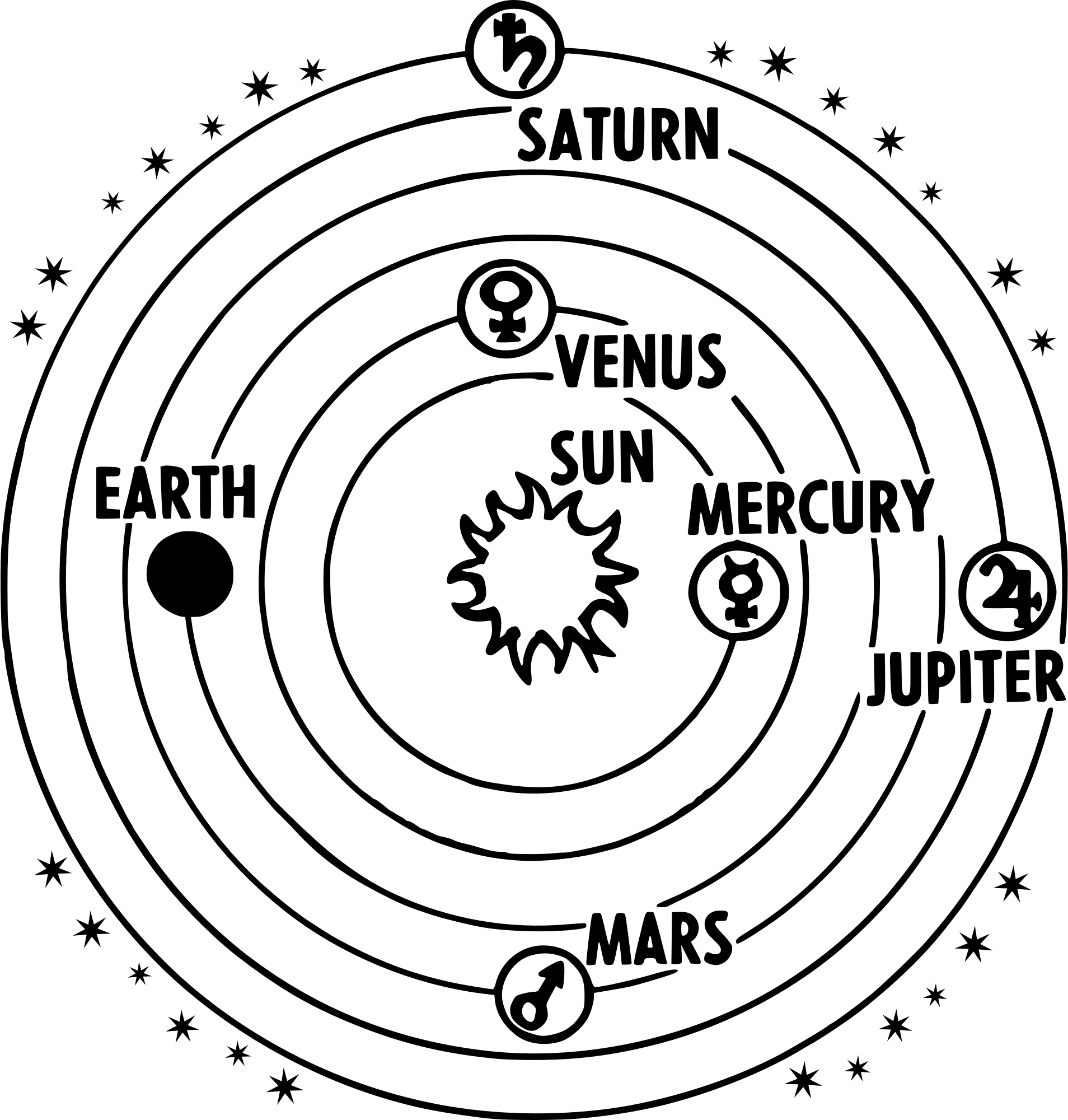
Observe the differences between two different models of the solar system:
Required
1
Question 8
8.
The Ancient Greeks observed that the Sun, Moon, planets, and stars appear to move around a stationary Earth.
Their geocentric model placed __________ at the center of the solar system.
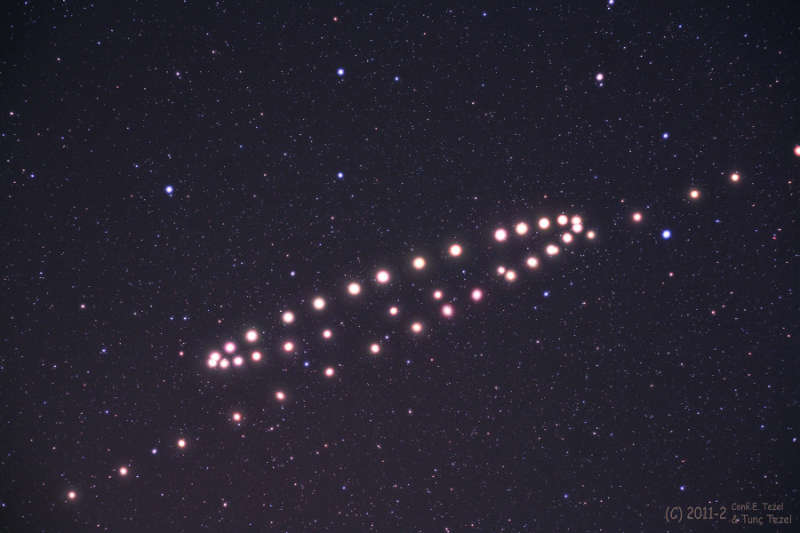
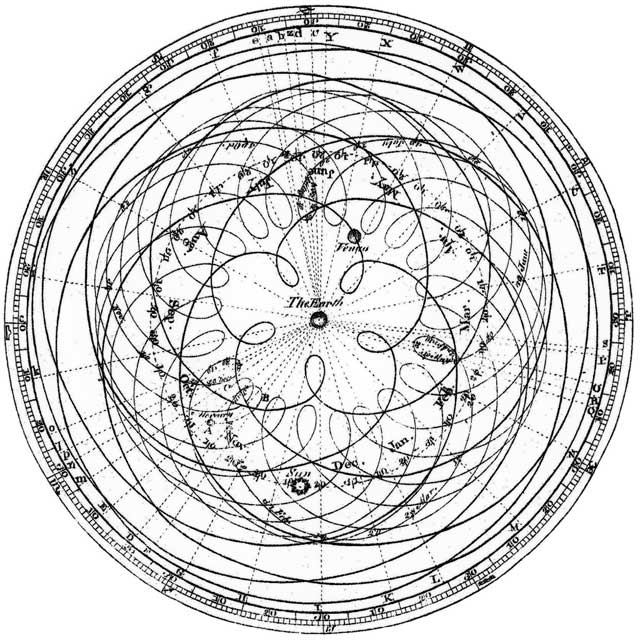
Except there was a problem... the geocentric model couldn't explain why the planet Mars appears to move backward in the sky:
This is called apparent retrograde motion, and the Ancient Greeks' solution was complicated:
Question 9
01:47
keyboard_arrow_down
Required
1
1
Question 10
10.
In the 16th century, Nicolaus Copernicus proposed the heliocentric model, which placed __________ at the center of the solar system. Galileo later confirmed Copernicus' theory with his telescope observations.
Question 11
11.
Question 12
08:30
keyboard_arrow_down
Required
2
Question 12
12.
Should Pluto be considered a planet? Why or why not?
Question 13
13.
In your own words, describe one advantage and one disadvantage of scientific models.
Before we jump into Unit 4, please rate yourself on the Unit 4 objectives from 1 (just starting) to 5 (mastered it!)
You may need to scroll horizontally to see all options
1 - getting started
2
3
4
5 - mastered it
Analyze the components of the solar system, exploring their formation processes and interrelationships.
Evaluate and compare the historical theories of geocentrism and heliocentrism, assessing their impact on our understanding of the universe.
Apply and interpret Kepler's three laws of planetary motion in real-world scenarios.
Differentiate between asteroids, meteroids, meteors, meteorites, and comets.
Investigate the Earth and Moon's formation and early history
Questions #2-5 thinking questions-- no penalty for wrong answers 😄
What is the purpose of scientific models?
To make science more confusing and difficult to understand.
To provide exact predictions without any errors.
To represent and explain complex systems and phenomena in a simplified way.
To replace real experiments and observations completely.
How do models connect what happens on a small scale (like molecules, cells, or parts of a machine) to what happens on a larger scale (like ecosystems, human health, or whole devices)?
By using random guesses to link small-scale and large-scale phenomena
By focusing solely on large-scale data without considering underlying mechanisms
By ignoring small-scale details and only describing large-scale patterns
By representing small-scale processes to explain and predict large-scale behaviors
Categorize the statements about scientific models into two categories by dragging the statement to each correct category. (Statements can only be used once and all are used)
predict outcomes
guide experiments
represent complex phenomena in understandable ways
oversimplify reality
be uncertain
be incomplete
Limitation (Weakness)
Advantage (Strength)
Question 9
9.
Models can change with new information and better definitions.
True
False
What causes the illusion of retrograde motion?
Mars orbits the Sun at different distances and speeds than Earth