We've talked about the Sun in other units. What are some things you all ready know about the Sun?
We've talked about the Sun in other units. What are some things you all ready know about the Sun?
Before we jump into Unit 5, please rate yourself on the Unit 5 objectives from 1 (just starting) to 5 (mastered it!)
You may need to scroll horizontally to see all options
1 - getting started | 2 | 3 | 4 | 5 - mastered it | |
|---|---|---|---|---|---|
Identify the regions of the Sun | |||||
Discuss the structure and composition of the Sun. | |||||
Explain how the Sun produces energy | |||||
Examine solar activity, such as sunspots and solar flares. | |||||
Give examples how solar activity affects the Earth |
We've talked about the Sun in other units. What are some things you all ready know about the Sun?
The Sun is an average low mass star.
Think back to Unit 2 and the life cycles of low mass stars.
Put the likely stages of the Sun's life cycle in order.
Red Giant
Having run out of hydrogen, star fuses helium into carbon and the resulting energy causes the star to expand
Planetary Nebula
Glowing shell of gas and plasma around a dying star
Stellar Nebula
Formed in a cloud of gas and dust
Average Star
Fusing hydrogen into helium in its core
White Dwarf
Hot, dense remnant of a star
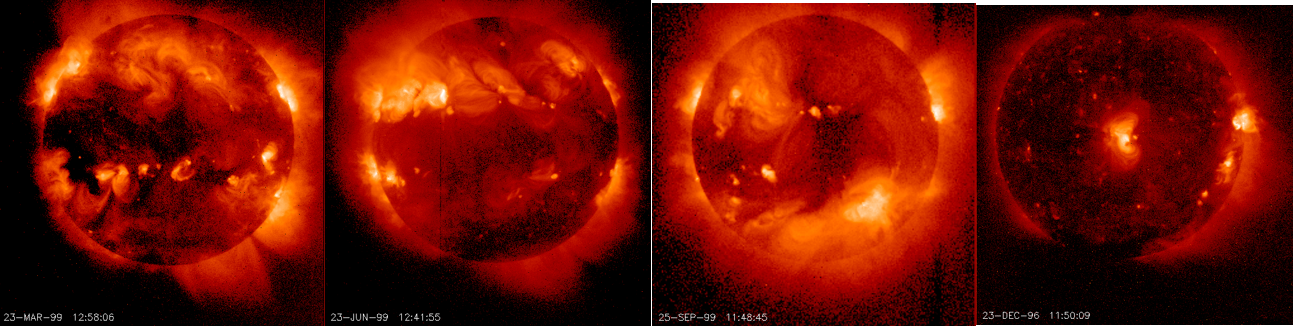
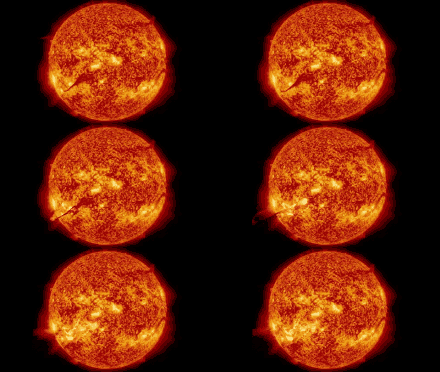
The images above show colorized X-ray images of the Sun over the course of March, June, September, and December 1999.
True or false: The surface of the Sun does not change throughout the year.
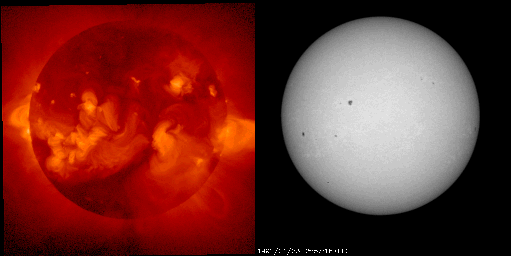
On the left is a colorized X-ray image of the Sun.
On the right is a visible light image of the Sun. Notice the dark spots on the visible light image.
Which conclusion could you make?
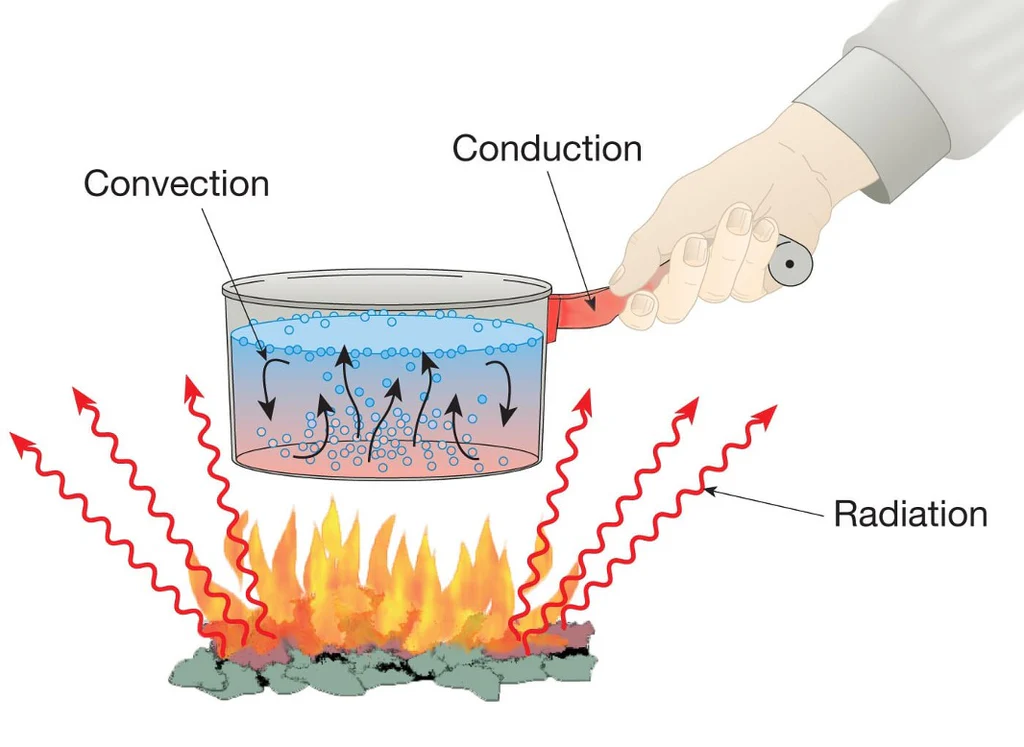
Heat is transferred one of 3 ways. Match the definition to the correct term.
Use the interactive diagram above to explore the part of the Sun.
Then match the layers of the Sun's interior to its description
| Draggable item | arrow_right_alt | Corresponding Item |
|---|---|---|
Convective Zone | arrow_right_alt | Center of the Sun where nuclear fusion takes place |
Core | arrow_right_alt | Transports energy from the core to the convective zone through conduction |
Radiative Zone | arrow_right_alt | Outermost region where hot plasma carries energy toward the Sun's surface, cools, and sinks back down |
Match the layers of the Sun's exterior to its description
| Draggable item | arrow_right_alt | Corresponding Item |
|---|---|---|
Chromosphere | arrow_right_alt | Visible "surface" of the Sun |
Corona | arrow_right_alt | Thin lower atmosphere of the Sun |
Photosphere | arrow_right_alt | Sun's upper atmosphere that extends for at least 2,000 km |
The Sun's photosphere is covered with "granules" where the brighter regions indicate hot, rising gas and the darker regions indicate cooler, down-welling gas.
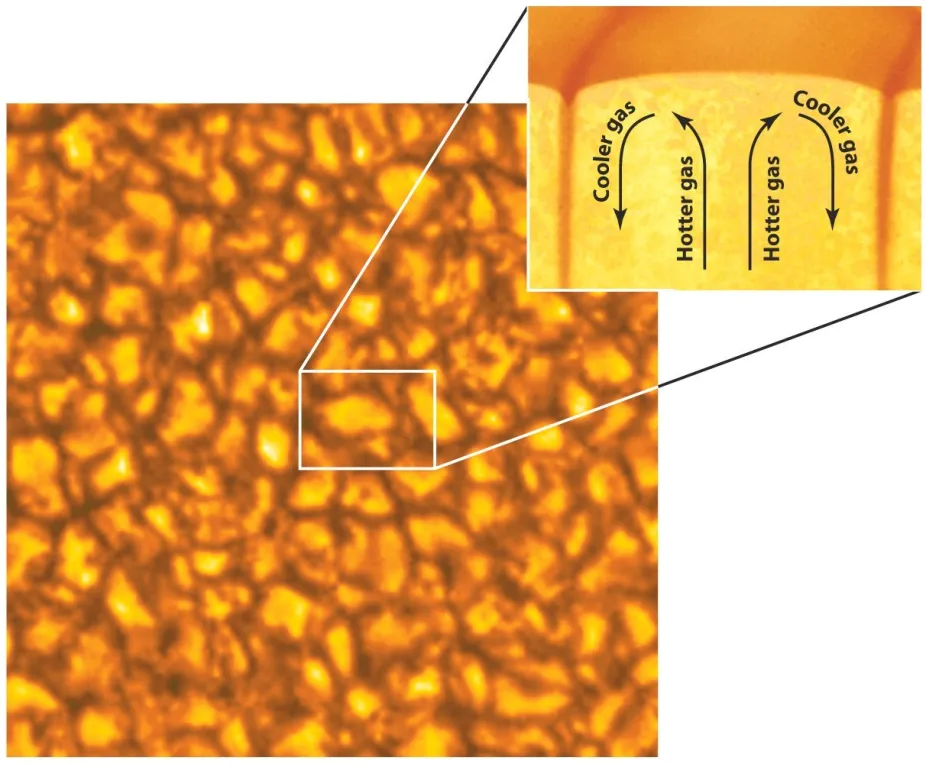
What type of energy transfer creates these "granules"?
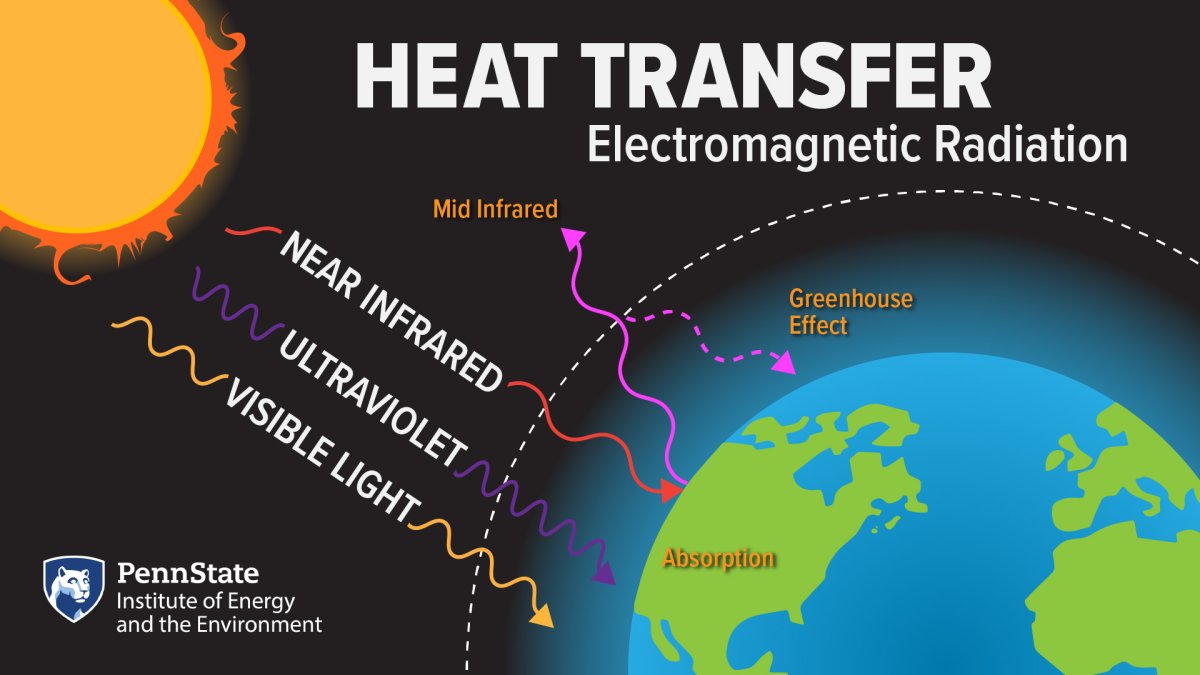
How is the Sun's energy transferred to Earth?
The Sun also produces its own magnetic field.
Put the labels on the Sun's North and South poles.
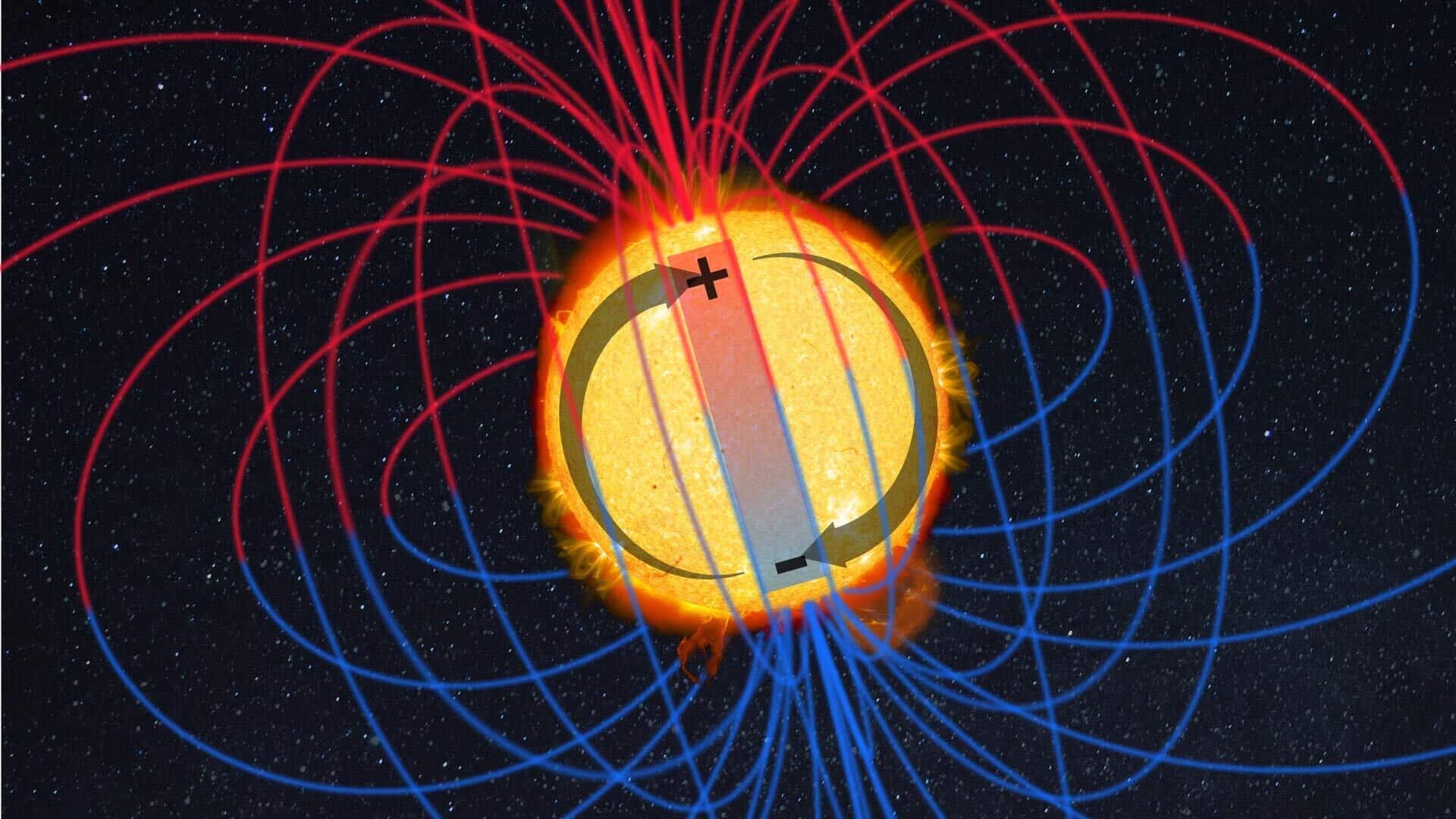
However, the Sun is made of plasma, not solid rock and liquid metal, so its magnetic field behaves differently than the Earth's.
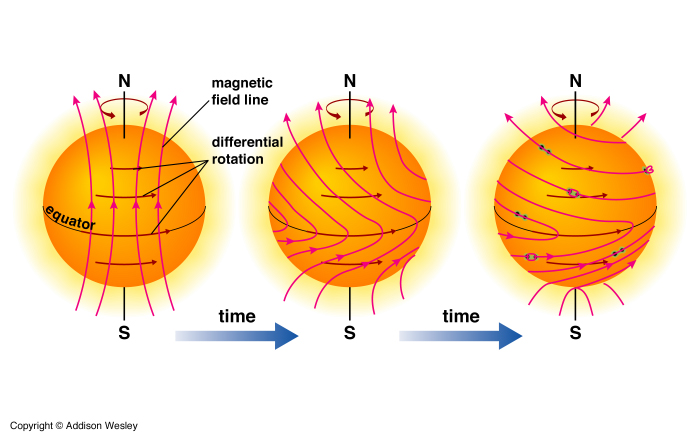
The plasma at the Sun's equator travels faster than the plasma at the Sun's poles, causing the magnetic field to become twisted.
The Sun's magnetic field functions differently than the Earth's.
What interaction would occur between the following charges?
Positive & positive
Positive & negative
Negative & negative
What does a flowing electric current create?
What generates Earth's magnetic field deep inside the Earth?
What does the protective layer created by Earth's electromagnetism do?
Magnetic field lines are visible to the human eye.
What do the white closed magnetic field lines do?
What can happen when magnetic field lines interact with each other?