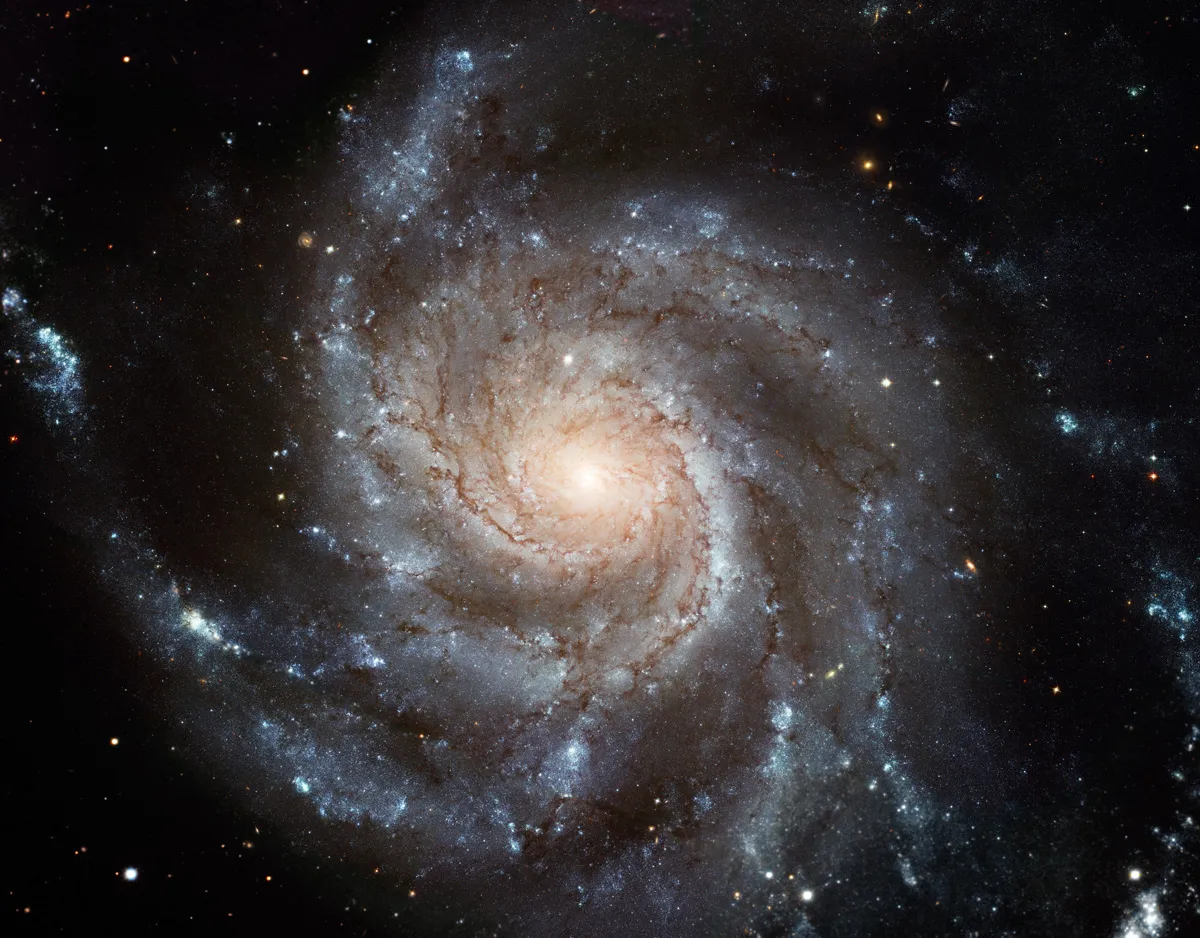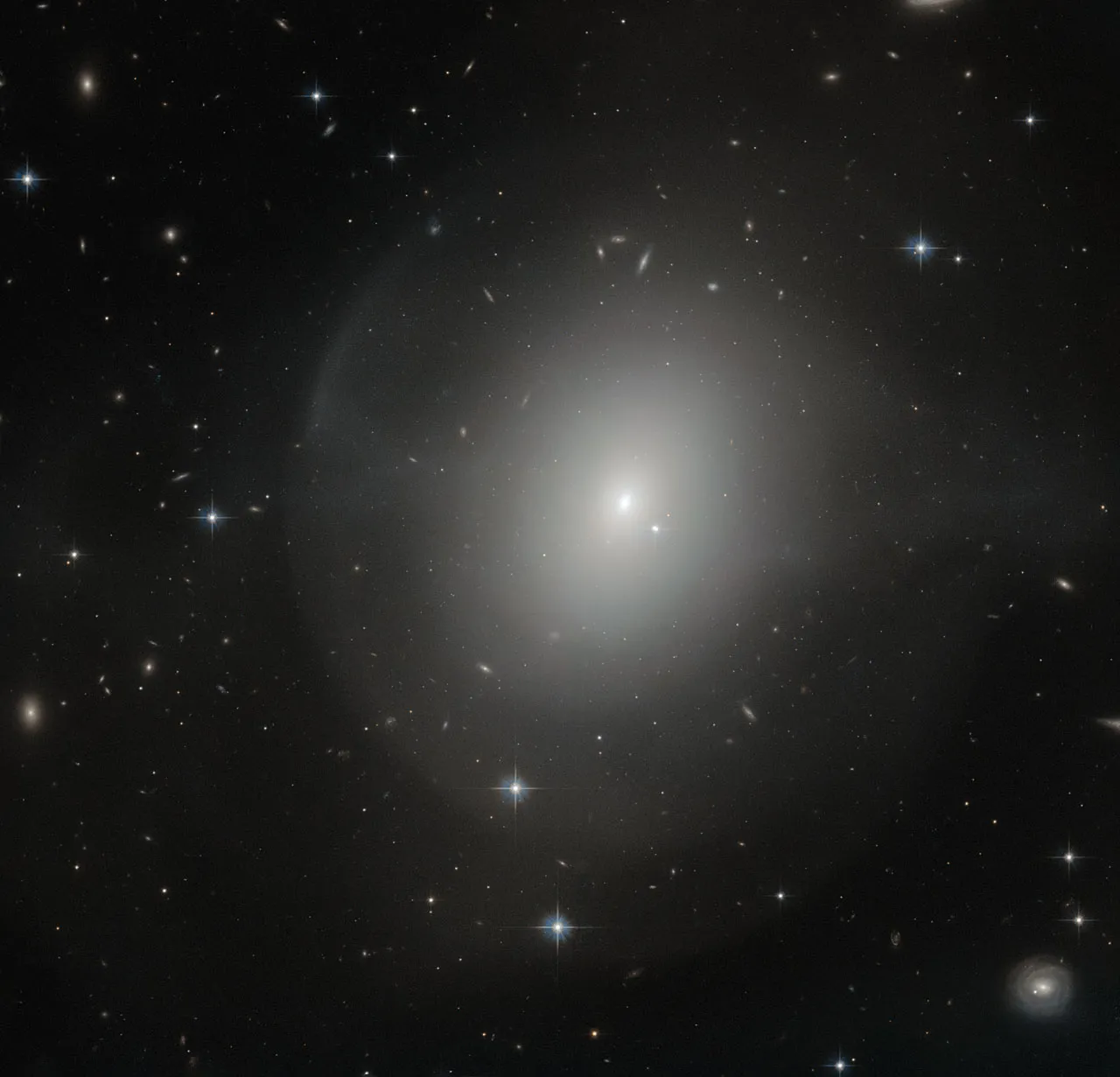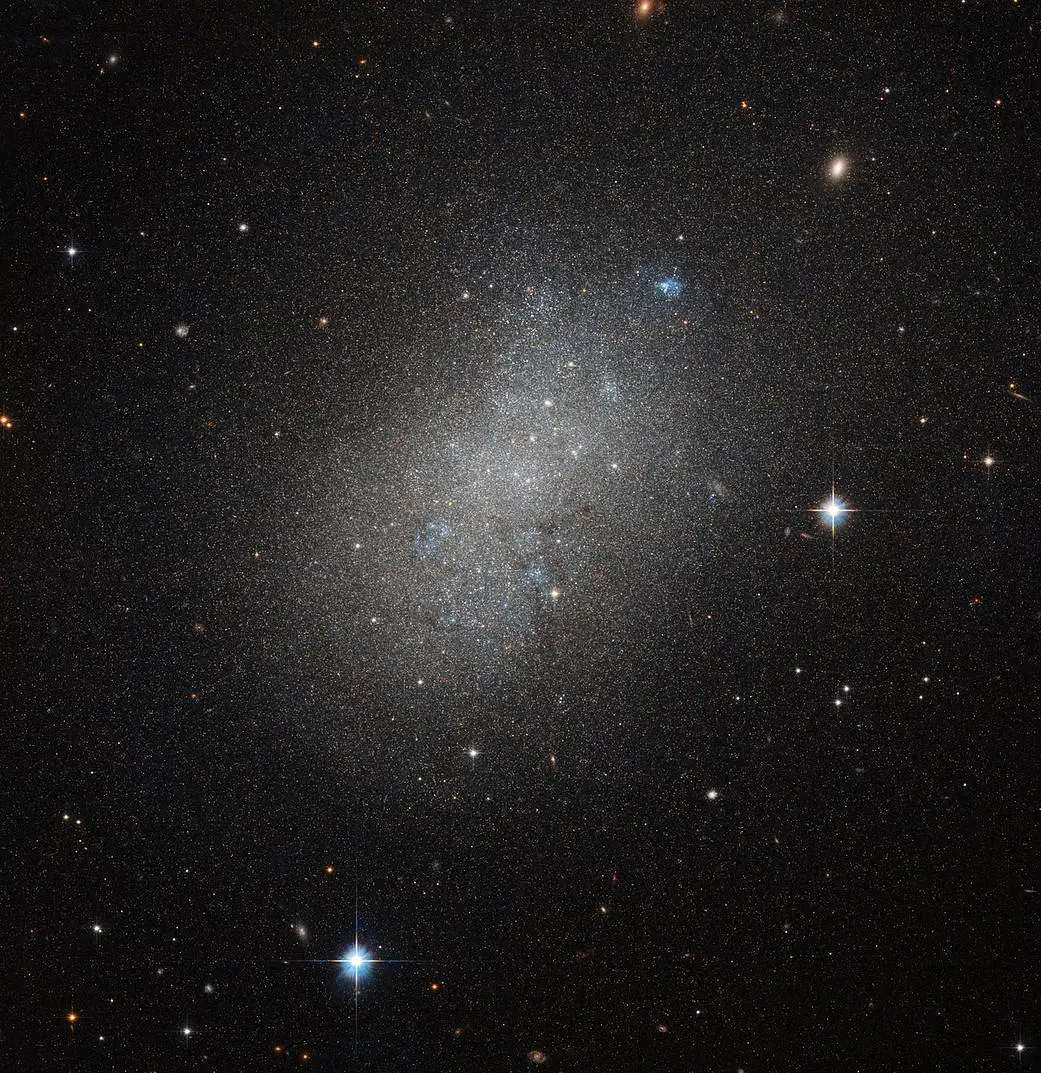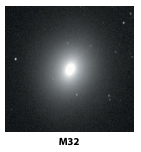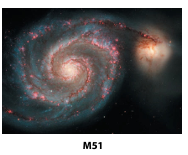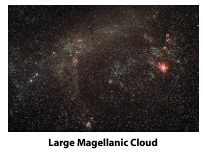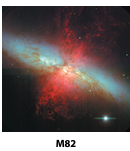
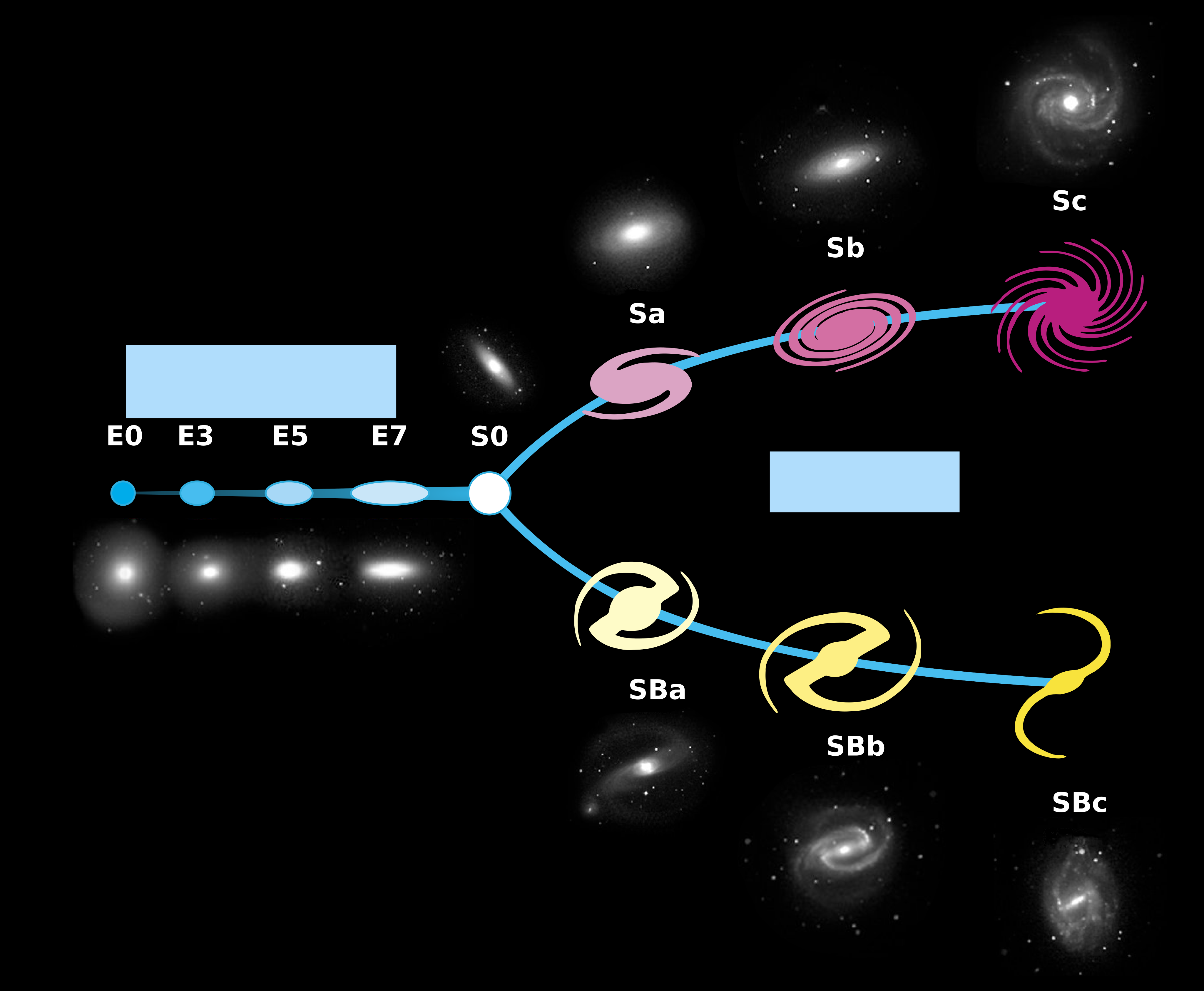
Edwin Hubble invented a classification of galaxies and grouped them into four classes: spirals, barred spirals, ellipticals and irregulars.
He classified spiral and barred spiral galaxies further according to the size of their central bulge and the texture of their arms. The spiral arms can be wound tightly or loosely. Barred spirals sport ribbons of stars, gas, and dust that cut across their centers. Scientists think the presence of a bar indicates that a galaxy has reached full maturity. Older stars are found in the central bulge and younger stars are found in the spiral arms.
Elliptical galaxies look roughly egg-shaped and are relatively featureless. Apparent shapes range from almost circular (E0) to quite elliptical (E6) - these have the long axis four times the short axis. They contain very little gas and dust and primarily contain older stars. Scientists think elliptical galaxies originate from collisions and mergers with spirals.
Irregular galaxies do not fit into either category and have no defined shape. Scientists believe irregulars may the result of the gravitational pull of a neighboring galaxy or the result of a galactic collision. They can have a mix of old and young stars with a large amount of gas and dust necessary for forming new stars. They are believed to form due to gravitational attraction to a larger galaxy or by collision with another galaxy.
Question 3
3.
Question 4
4.
Question 5
5.
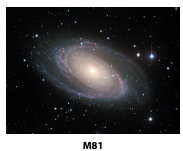
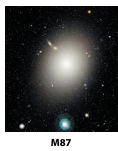
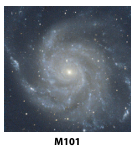
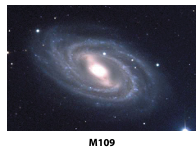
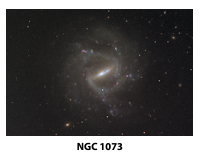
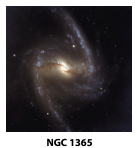
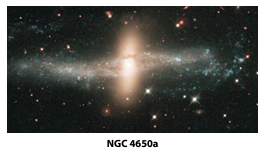
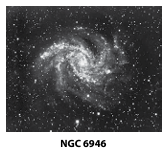
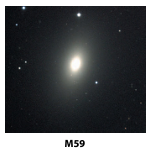
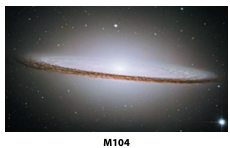
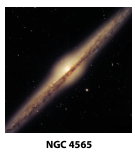
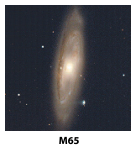
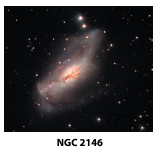
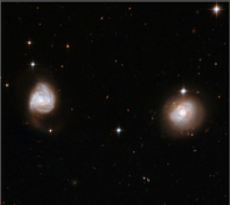
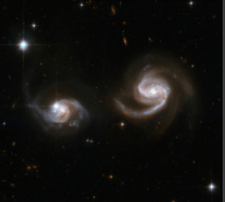
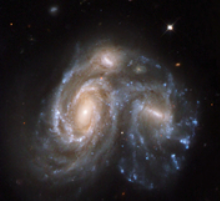
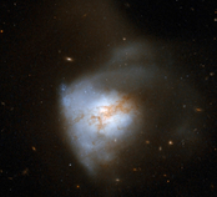
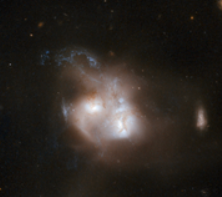
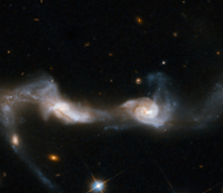
These four galaxies have been classified as spiral galaxies.
Do you agree with that classification? Why or why not?
What makes these galaxies difficult to classify?
Question 6
00:37
keyboard_arrow_down
Required
0.5
Question 7
00:48
keyboard_arrow_down
Required
0.5
Question 8
01:56
keyboard_arrow_down
Required
0.5
Question 9
02:54
keyboard_arrow_down
Required
0.5
Question 10
00:44
keyboard_arrow_down
Required
1
Question 10
10.
You just watched a simulation of the formation of a galaxy.
What steps did you observe? You may want to re-watch the video.
Question 11
11.
Question 12
12.
Do you agree with the "official" order? Why or why not?
Before we jump into Unit 3, please rate yourself on the Unit 3 objectives from 1 (just starting) to 5 (mastered it!)
You may need to scroll horizontally to see all options
1 - getting started
2
3
4
5 - mastered it
Differentiate and describe the types of galaxies within the universe
Characterize the Milky Way
Identify how galaxies are organized and distributed within the universe
Describe the evolution of galaxies
Examine the forces that shape galaxies of stars
Question 2
2.
In 1924, astronomer Edwin Hubble proved that galaxies are very distant "island universes" -- each one a collection of millions or billions of star bound together by gravity. Within a few years, he had set up a system to classify them that is still be used today (with some modifications).
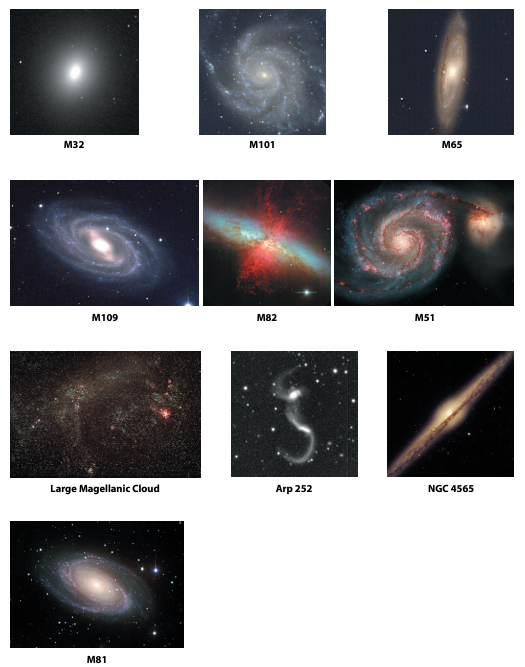
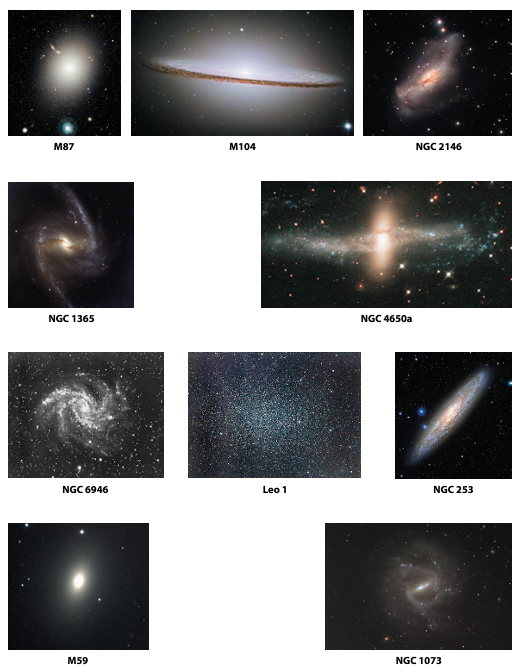
Consider the images of galaxies to the left. What are some ways you could put them into different categories?
Categorize these galaxies into spiral, elliptical, or irregular.
Spiral
Elliptical
Irregular
Categorize these galaxies into spiral, elliptical, or irregular.
Spiral
Elliptical
Irregular
Question 6
6.
Question 7
7.
Question 8
8.
Question 9
9.
These images show six different snapshots of galaxies at various stages of merging. The process of one galaxy merging with another takes hundreds of millions of years to complete, so astronomers look for galaxies in various stages of merging and deduce the order of events.
Put these images in the order of events you believe happened, then check your answer to see if it matches with the "official" order.
How do galaxies collide if the Universe is expanding?
They collide because of dark energy
Gravity allows them to overcome expansion
They only collide when they are millions of light years apart
Galaxies begin moving away from each other if they are at least 33 million light years apart.
True
False
What galaxy is the Milky Way expected to collide with?
Perseus
Virgo
Andromeda
What will happen during the collision of the Milky Way and Andromeda?