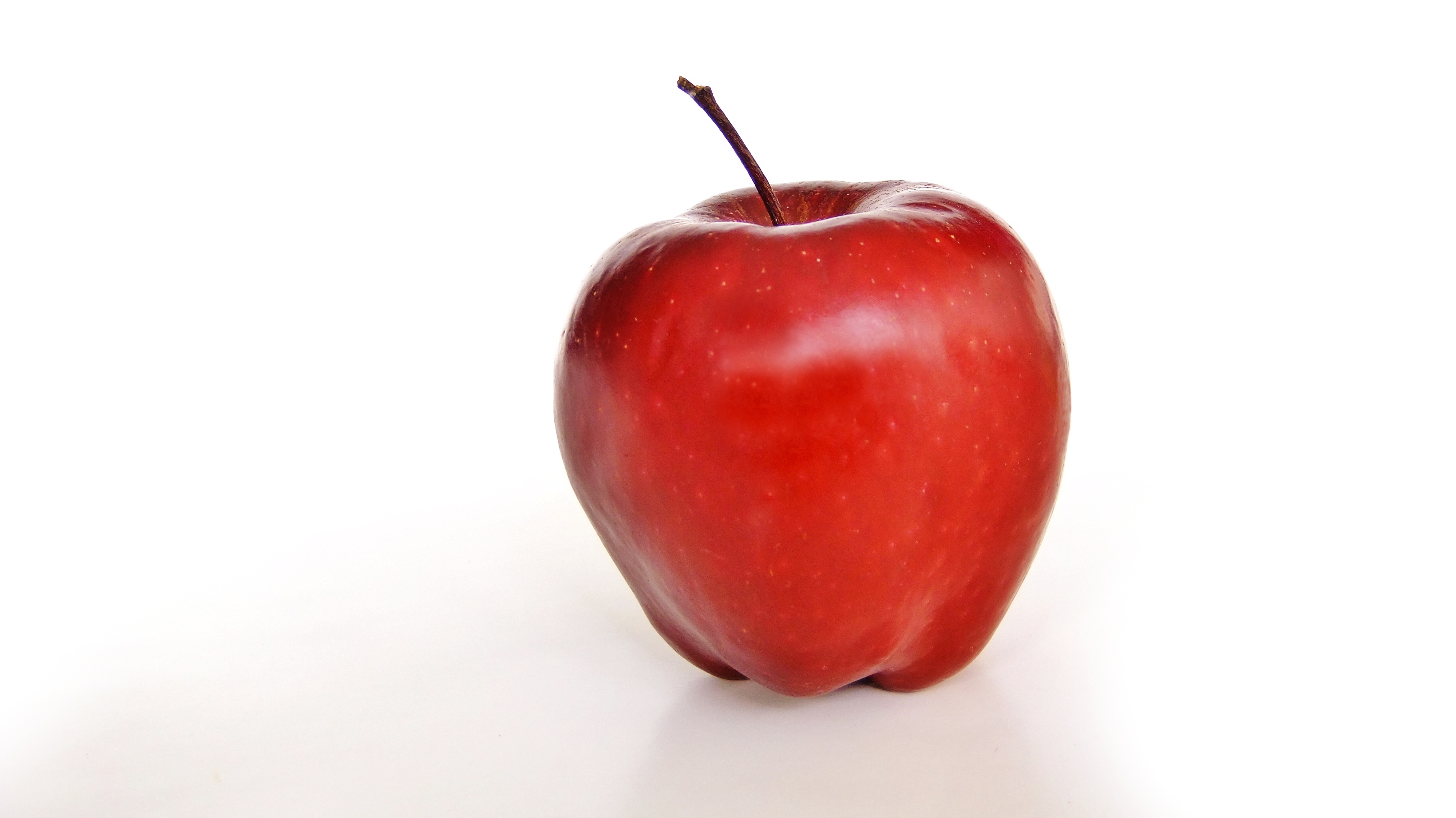
An Apple that has been picked.
Claim: Select one
An Apple that has been picked.
Claim: Select one
REASONING: If fire is alive….. then...
Review CER Rubric Prior to answering.
Example Answer
Claim: your response
Evidence: evidence used to support your claim
Reasoning: how does the evidence support your claim
Argumentation: Claim, Evidence, Reasoning As biologists, it is not just about memorizing facts, but also about the critical analysis of information and developing cohesive arguments. This is where the concept of Claim, Evidence, and Reasoning (CER) comes into play. A claim addresses a question or problem at hand. It's a statement that asserts an answer based on your understanding of the data. For instance, if you're investigating why a plant didn't grow, your claim could be, “The plant did not grow due to insufficient sunlight.” Evidence, on the other hand, supports your claim and is derived from data such as observations and experiments. One must remember, evidence isn't merely stating facts, but also involves explaining specific details that validate your claim. For example, your evidence could be, "The plant was placed in a windowless room, where it received no sunlight." Lastly, reasoning connects your claim and evidence. It's where you explain the science behind why your evidence supports your claim. You might reason, "Plants need sunlight for photosynthesis, a process that produces glucose, essential for plant growth. Therefore, in the absence of sunlight, the plant couldn't perform photosynthesis, leading to its inability to grow."
Claim: Choose one below.
An Apple that has been picked.
Claim: Select one
REASONING: If a picked apple is alive (or not alive)….. then...
Review CER Rubric Prior to answering.
Example Answer
Claim: your response
Evidence: evidence used to support your claim
Reasoning: how does the evidence support your claim

The picture above has a list of characteristics/happenings. Select all that would be EVIDENCE.
The picture above has a list of characteristics/happenings. Select all that would be REASONING for your selected claim.