C5 Energy Changes

Last updated about 1 month ago
27 questions
4.5.1.1 Energy transfer during exothermic and endothermic reactions
1

A reaction where the surrounding temperature decreases. Is this an exo or endothermic reaction?

1

An ice cube is melting on a warm day. Is this an exo or endothermic reaction?

1

You feel heat when adding water to a chemical heat pack. Is this an exo or endothermic reaction?

1

A chemical reaction that increases the outside temperature. Is it an exo or an endothermic reaction?

1

A student investigated the reactivity of metals with hydrochloric acid.This is the method used.
1.   Measure 50 cm3 of hydrochloric acid into a polystyrene cup.
2.   Measure the temperature of the hydrochloric acid.
3.   Add one spatula of metal powder to the hydrochloric acid and stir.
4.   Measure the highest temperature the mixture reaches.
5.   Calculate the temperature increase for the reaction.
6.   Repeat steps 1 to 5 three more times.
7.   Repeat steps 1 to 6 with different metals.

The table below shows the student’s results.
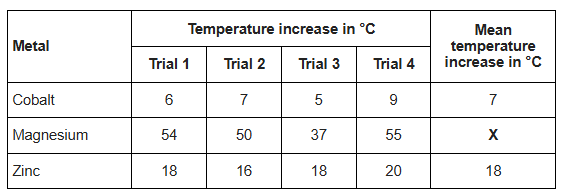

Calculate the mean temperature increase X for magnesium in the table above.
Do not include the anomalous result in your calculation.
1
Determine the order of reactivity for the metals cobalt, magnesium and zinc.

Use the table from the previous question

Most:_______
Middle:_______
Least:_______
1

From above, What type of variable is the volume of hydrochloric acid in this investigation?

6

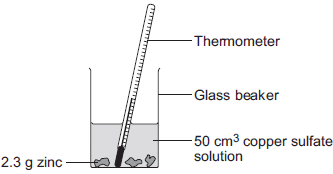
A student investigated the temperature change when zinc reacts with copper sulfate solution.

The student used a different concentration of copper sulfate solution for each experiment.The student used the apparatus shown below.


The student:
•        measured 50 cm3 copper sulfate solution into a glass beaker
•        measured the temperature of the copper sulfate solution
•        added 2.3 g zinc
•        measured the highest temperature
•        repeated the experiment using copper sulfate solution with different concentrations.

The equation for the reaction is:
Zn(s)     +                 CuSO4(aq)               -->     Cu(s)       +              ZnSO4(aq)
zinc       +      copper sulfate solution    -->    copper      +    zinc sulfate solution

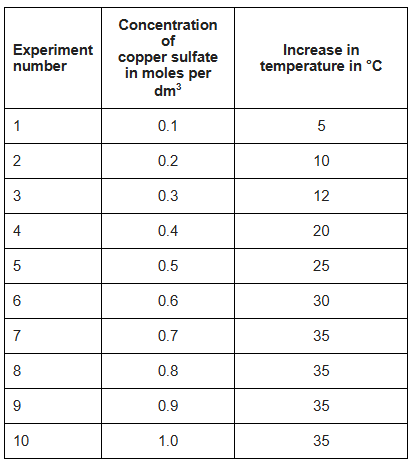
The student’s results are shown in the table below.


Describe and explain the trends shown in the student’s results.

1
a. _______
b. _______
c. _______
1

The decomposition of hydrogen peroxide gives out energy to the surroundings

What type of reaction is this?

1

Calculate the mean of the temperature change results. Do NOT use anomalies.

4

A student is given three metals, X, Y and Z to identify.

The metals are magnesium, iron and copper.

Plan an investigation to identify the three metals by comparing their reactions with dilute hydrochloric acid.

Your plan should give valid results.

2

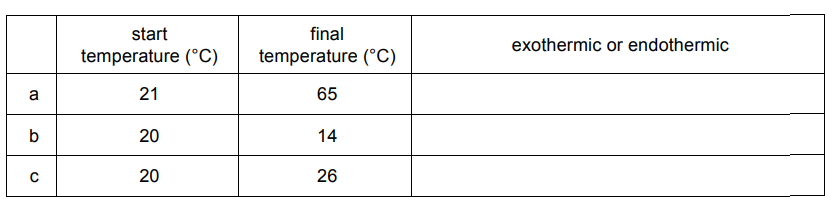
Complete the table

4.5.1.2 Reaction profiles
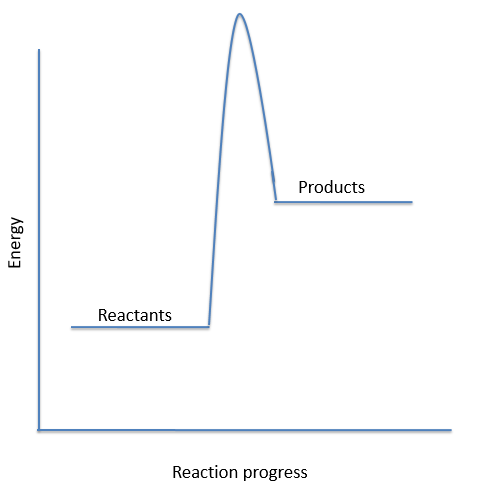
1

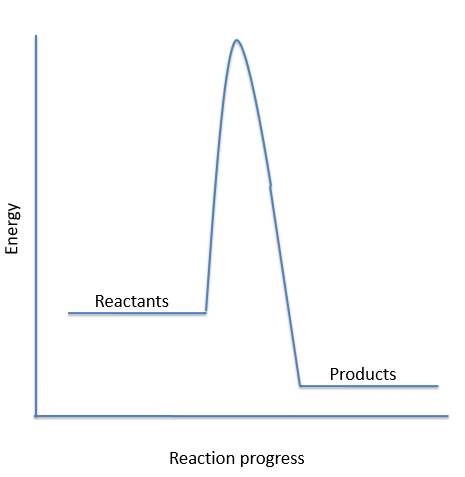
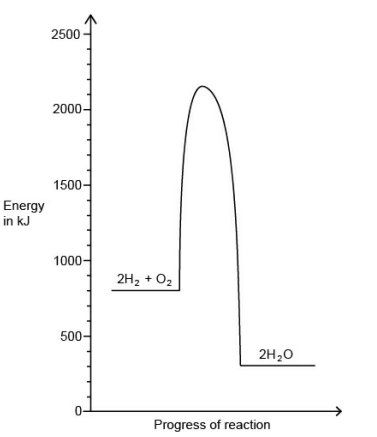
Endo or exo?

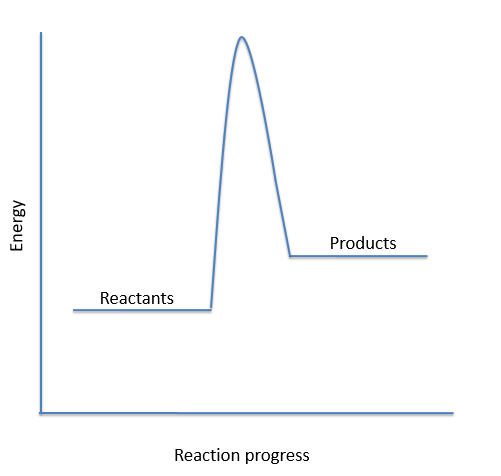
1

Endo or exo?

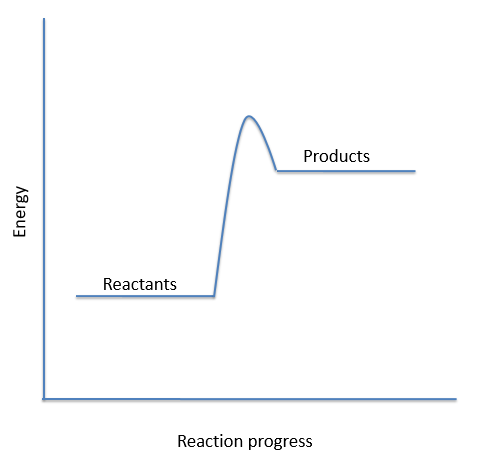
1

Endo or exo?

1

Endo or exo?

1

• draw the reaction profile
• draw an arrow to show the overall energy change (label this E)
• draw an arrow to show the activation energy (label this A)

CH4 + H2O → CO + 3H2

Energy change = +208 kJ/mol

1

What is the energy change of this reaction?

1

• draw the reaction profile
• draw an arrow to show the overall energy change (label this E)
• draw an arrow to show the activation energy (label this A)

3H2 + N2 → 2NH3

Energy change = –76 kJ/mol

4.5.1.3 The energy change of reactions
4.5.2.1 Cells and batteries
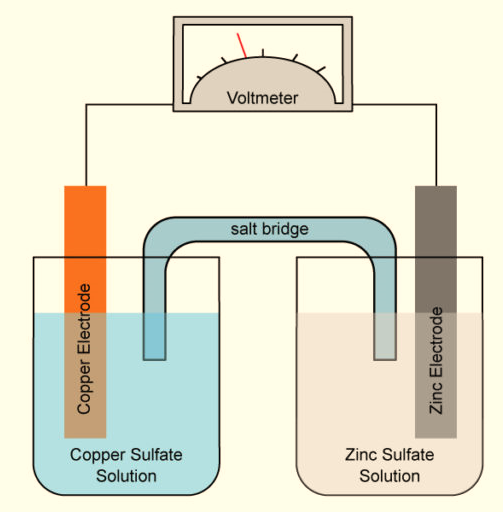
In a chemical cell, also called a voltaic cell, the substance that is most easily
oxidised will give up its electrons to the external circuit and is the anode of the cell.
1

1

1

1

4.5.2.2 Fuel cells
1
1

6
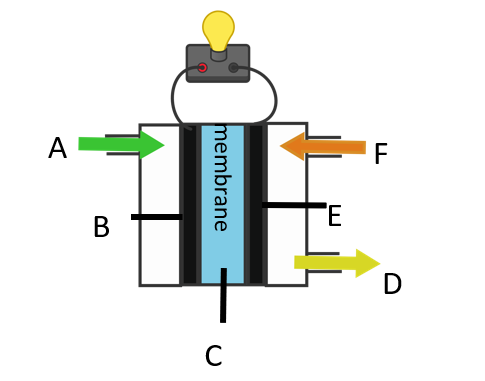
Other Answer Choices:
Electrolyte
Anode
Hydrogen
Cathode
Water
Oxygen